
The Path: How To Become An Agility Dog Trainer
Do you dream of working with dogs? Do you love the excitement of dog sports? Do you wonder what it takes to become an agility dog trainer? An agility dog trainer teaches dogs and their handlers to run obstacle courses. This job is for people who love dogs, enjoy teaching, and have a passion for dog sports. Anyone can learn to become one with the right steps and effort. Agility dog trainers guide teams through jumps, tunnels, weaves, and more. They help dogs gain speed, focus, and joy. They also teach handlers how to lead their dogs clearly and safely. It is a fun and rewarding career.
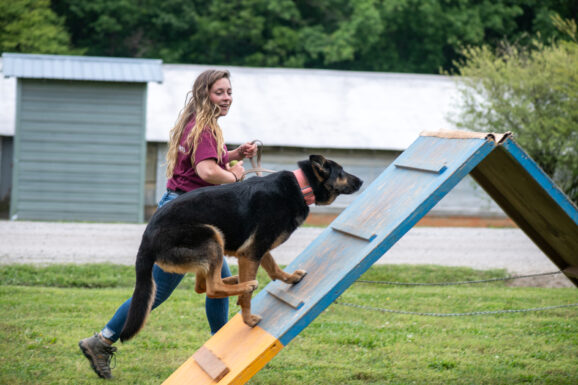
Image Source: internationaldogtrainerschool.com
The Thrill of Agility: Starting Your Journey
Agility is a fast-paced dog sport. Dogs run an obstacle course guided by their handlers. This sport tests a dog’s speed, skill, and how well it listens. It also builds a strong bond between the dog and its person. Becoming an agility trainer means you get to help build these bonds. You help dogs and people achieve their goals. It is a journey of learning, teaching, and growing. It is also a very active job. You will spend a lot of time moving around.
This path is not just about teaching tricks. It is about understanding dogs. It is about reading their body language. It is about helping them feel brave and happy. It is also about helping people learn. You will teach handlers how to communicate with their dogs. You will show them how to be a good team leader.
Getting Started: The Initial Steps
Your journey to becoming an agility trainer starts with a love for dogs. It also needs a wish to learn. You must be willing to put in the time.
Your Own Dog’s Agility Journey
The best way to learn agility is to do it. Get involved with your own dog. Find a local agility class. Start as a student. This hands-on work is key. You will learn the sport from the inside. You will learn how courses work. You will learn how to handle your dog. You will see how different dogs learn. This experience is priceless. It shows you the challenges handlers face. It shows you how to overcome them.
- Take classes: Enroll with your dog. Learn the basics.
- Practice often: Work on skills at home.
- Attend trials: Watch skilled teams. Learn from them.
- Understand progress: See how dogs get better over time.
- Face problems: Learn how to fix issues with your own dog. This makes you a better teacher.
Essential Foundations: Beyond the Course
Agility is more than just running obstacles. It builds on core dog skills. You need a deep grasp of these basics.
Agility training foundation skills are very important. Dogs must have good basic obedience. They need to sit, stay, and come when called. They must walk nicely on a leash. These skills make agility training much easier. They also make it safer. A dog that listens is a dog that can learn faster.
- Reliable Recall: Your dog must come back to you every time. This is vital for safety.
- Stay: A strong “stay” helps set up obstacles. It keeps dogs safe during training breaks.
- Loose Leash Walking: Good leash manners help you get to the start line smoothly.
- Focus and Engagement: Dogs need to pay attention to their handler. They need to be excited to work. Use toys and treats to build this.
A good trainer also needs to know about dog behavior for agility trainers. You must read dogs well. How do they show stress? How do they show happiness? What makes them shut down? What makes them thrive? Learning dog body language is a must. You need to know when a dog is scared. You need to know when it is confused. This helps you change your teaching style. It helps you help each dog learn best.
- Reading Body Language: Learn to spot signs of stress. Look for lip licks, yawns, or stiff bodies.
- Motivation: Find out what each dog loves. Some love toys. Some love food. Some love praise. Use what they love to teach.
- Positive Reinforcement: This is the best way to train. Reward good choices. Make training fun. Never use harsh methods.
- Breed Traits: Different breeds act differently. Learn about common breed behaviors. This helps you understand a dog’s natural tendencies.
Formal Learning: Building Your Knowledge Base
While hands-on experience is vital, formal learning adds to your skills. It gives you a wider view. It also shows you different ways to teach.
Dog Agility Instructor Certification
Getting a dog agility instructor certification is a big step. It shows you have met certain standards. It proves you have learned what you need to know. Many organizations offer these certifications. They often require you to pass exams. They may also need you to show your teaching skills. A certificate can help you get jobs. It can help you attract students. It builds trust with dog owners.
- What it covers: Certifications often teach dog learning theory. They cover safety rules. They show you how to design courses. They also teach you how to manage a class.
- Who offers it: Groups like the Association of Professional Dog Trainers (APDT) or specific agility organizations. Research different options. Find one that fits your goals.
- Benefits: Shows you are serious. Gives you a network of other trainers. Provides a solid base of knowledge.
Online Learning Options
The internet has opened many doors for learning. Online dog agility courses are a great way to learn from home. They are often flexible. You can learn at your own pace. Many top trainers offer online programs. These can be full courses or short workshops.
- Course Content: Online courses often include video lessons. They have written materials. Some offer feedback on your videos.
- Flexibility: You can learn when it suits you. This is good if you have a full-time job.
- Access to Experts: You can learn from trainers around the world. People you might not meet in person.
- Cost-Effective: Often cheaper than in-person seminars.
- What to Look For: Choose courses with clear lessons. Make sure they have good reviews. Check if they offer ways to get feedback.
Mentorship and Workshops
Learning from a seasoned trainer is very helpful. Find someone you look up to. Ask if you can watch them teach. Ask them questions. A good mentor can guide you. They can share their wisdom. They can help you avoid common mistakes.
Workshops are also great. They are often short, focused classes. You can learn specific skills. You can learn new techniques. They are a good way to meet other trainers. They help you stay current in the sport.
- Find a Mentor: Look for a trainer with lots of experience. Someone whose teaching style you admire.
- Shadow Classes: Ask to observe their classes. See how they manage dogs and people.
- Ask Questions: Be curious. Learn from their experience.
- Attend Workshops: Go to as many as you can. Learn from different trainers. Get new ideas.
Mastering the Craft: Agility Training Techniques
As you learn, you will gather many tools. These are the techniques you will use to teach.
Key Training Approaches
The best trainers use positive, clear methods. They make learning fun for the dog.
- Positive Reinforcement: This is the core of modern agility training. Reward desired behaviors. This makes the dog want to do them again. Use treats, toys, and praise.
- Shaping: This means rewarding small steps toward a goal. For example, to teach a weave pole entry, you might first reward the dog for looking at the poles. Then for stepping near them. Then for entering one pole.
- Luring: Using a treat or toy to guide the dog into a position. This is often used for early obstacle training.
- Targeting: Teaching a dog to touch a specific object with its nose or paw. This helps with contact obstacles. It also helps with sending dogs to a spot.
Obstacle Mastery
Each obstacle needs its own teaching plan.
- Jumps: Start low and straight. Build height and turns slowly. Teach the dog to clear the bar.
- Tunnels: Most dogs love tunnels. Start with short, straight ones. Make them longer and curved over time.
- Weave Poles: These are often the hardest. Teach them one by one. Use channels or guides at first. Make sure the dog enters correctly.
- Contact Obstacles (A-frame, Dog Walk, Teeter-Totter): These need special safety rules. Dogs must touch a “contact zone” at the bottom. This prevents injuries. Teach this with high rewards. Build confidence slowly. The teeter can be scary. Make it fun and slow.
Course Strategy and Flow
Agility is not just about individual obstacles. It’s about running a whole course. This means teaching handling skills to the human.
- Handling Techniques: Learn front crosses, rear crosses, blind crosses, and serpentines. These moves help guide the dog. They help you maintain speed and direction.
- Course Reading: Teach handlers to walk a course. They need to find the best path. They need to decide which handling moves to use.
- Flow and Momentum: Show handlers how to keep the dog moving. Avoid sudden stops. Keep the energy high.
Common Challenges and Solutions
Every dog and handler team is different. You will see common problems. A good trainer helps solve them.
- Fear or Lack of Confidence: Some dogs are shy. Others are scared of certain obstacles. Use calm, positive training. Break down tasks into tiny steps. Build success slowly.
- Lack of Motivation: Some dogs are not excited. Find their “gold.” Is it a squeaky toy? A special treat? A game of tug? Use what they love to make training fun.
- Handler Errors: Handlers sometimes give unclear signals. They might get nervous. Teach them to be calm and clear. Help them trust their dog. Practice handling moves without the dog at first.
- Over-Excitement: Some dogs are too fast. They might miss obstacles. Teach control. Teach them to wait for signals. Use impulse control games.
The Professional Path: Becoming an Instructor
Once you have learned the skills, you can start teaching.
Requirements to Teach Dog Agility
Before you teach, you need to be ready.
- Experience: You need a strong background in agility. This means training your own dog. Maybe competing. You should have a deep knowledge of the sport.
- Knowledge of Dog Learning: You must know how dogs learn. You should understand positive reinforcement methods.
- Teaching Skills: You need to be a good communicator. You must be patient. You should be able to explain things clearly. You need to adapt your teaching for different learners (both human and dog).
- Safety First: Knowing how to keep dogs and people safe is number one. This includes course setup and managing groups.
- Insurance: Most places will require you to have liability insurance. This protects you if an accident happens.
Become a Certified Agility Instructor
Earning a dog agility instructor certification helps you stand out. It gives your future students faith in your skills. This process shows you are serious about your career.
- Research Certifying Bodies: Look into organizations like the APDT (Association of Professional Dog Trainers), KPA (Karen Pryor Academy), or specific agility-focused groups. Each has its own tests and costs.
- Study Dog Behavior: Many certification programs will test your knowledge of dog learning, communication, and basic behavior issues.
- Master Agility Skills: You will need to show you can teach all agility obstacles. You must know handling skills.
- Practice Teaching: Get practice teaching friends or small groups. This helps you get comfortable.
- Pass Exams: Most programs have written tests. Many also have practical exams. You might need to teach a sample class. Or show how you would fix a training problem.
Here is an example of what different certification paths might look like:
| Certification Body (Example) | Focus Area | Typical Requirements | Benefits |
|---|---|---|---|
| APDT (CPDT-KA/KPA-CTP) | General Dog Training, Agility Specialization | Written exam, minimum training hours, references. (Often paired with specific agility coursework). | Broad knowledge in dog behavior, highly recognized in the dog training world, builds client trust. |
| Specific Agility Org. (e.g., UK Agility) | Sport-Specific Agility Coaching | Practical assessment, written exam on course design, handling theory, safety. May require competition experience. | Deep expertise in agility rules and teaching methods, recognized within the agility community. |
| Private Academy Programs | Comprehensive Agility Instructor Training | Multi-week course, practical assessments, teaching practicums, final project. | Intensive hands-on learning, direct mentorship, often includes business skills. |
Developing Your Teaching Style
Your teaching style is what makes you unique.
- Clear Communication: Use simple words. Show, don’t just tell. Break down complex ideas.
- Patience: Learning agility takes time. Some dogs learn fast. Some need more time. Be patient with both dogs and handlers.
- Adaptability: Not every dog learns the same way. Not every person learns the same way. Be ready to try new ways to teach.
- Positive Energy: Keep classes fun and upbeat. Your energy will affect your students.
- Encouragement: Celebrate small wins. Help students feel good about their progress.
Building Your Business: The Career Path
Once you are ready, you can start building your career.
Career Path Dog Agility Trainer
The path of an agility trainer can take many forms.
- Club Instructor: Many trainers start by teaching for local dog clubs. This gives you experience. It helps you build a name.
- Private Coach: You can offer one-on-one lessons. This lets you give personal attention. It is good for specific problems.
- Facility Owner: You might open your own training center. This needs a lot of planning and money. But it gives you full control.
- Online Coach: With technology, you can teach people anywhere. You can offer video reviews or live online classes.
- Seminar Presenter: As you gain fame, you might teach at workshops or events.
Starting an Agility Training Business
If you want to work for yourself, you need to plan carefully. Starting an agility training business is exciting. But it needs more than just loving dogs.
- Business Plan: Write down your goals. How will you make money? Who are your customers? What are your costs?
- Legal Steps: Register your business. Get any needed permits. Understand local laws.
- Location: Will you rent space? Train at parks? Build your own facility?
- Equipment: You will need full agility courses. Tunnels, jumps, weaves, contacts. This can be a big cost.
- Marketing: How will people find you? Build a website. Use social media. Get good reviews.
- Pricing: Set fair prices for your classes and private lessons.
- Client Management: Have clear rules. Use good booking systems. Keep records of your students’ progress.
Professional Dog Agility Coaching Tips
Being a good coach means more than just knowing agility.
- Be a Great Communicator: Explain concepts clearly. Listen to your students. Give helpful, kind feedback.
- Set Clear Goals: Help teams know what they are working towards. Break big goals into small steps.
- Be Patient and Positive: Agility takes time. Some days are hard. Always stay positive and encouraging.
- Focus on Safety: Always put the dog’s safety first. Teach handlers how to prevent injuries.
- Continuous Learning: The sport changes. New methods come out. Always keep learning. Go to seminars. Read new books.
- Build Relationships: Connect with your students. Make them feel part of a community.
- Manage Expectations: Help students understand that progress is not always a straight line. Some days will be better than others.
- Delegate When Needed: If you are running a big business, you might need help. Think about hiring assistants.
Sustaining Your Growth: Lifelong Learning
The world of dog agility is always growing. To stay at the top, you must keep learning.
Attending Seminars and Competitions
Never stop being a student. Go to seminars by other top trainers. You will learn new ideas. You will see different ways of doing things. Watch competitions. See what the best teams do. Learn from their success. Learn from their challenges.
- New Techniques: Agility methods evolve. Stay current with the latest handling systems and training approaches.
- Problem Solving: Seminars often cover common training issues. Learn how to fix them.
- Networking: Meet other trainers and competitors. Share ideas. Build friendships.
Networking with Peers
Build connections with other agility trainers. They can be a great source of support. You can share challenges. You can celebrate successes. They can offer advice. You can refer students to each other. A strong community makes everyone better.
- Join Online Groups: Find forums or social media groups for agility trainers.
- Attend Events: Go to local training gatherings or trials.
- Collaborate: Think about working with other trainers on a project.
The path to becoming an agility dog trainer is rich and rewarding. It demands dedication. It asks for endless learning. But for those who love dogs and the thrill of the sport, it is a truly joyful career. You will help dogs shine. You will empower handlers. You will be a part of their amazing journey.
Frequently Asked Questions (FAQ)
1. Is it hard to become an agility trainer?
It takes a lot of time and effort. You need to learn dog behavior. You need to learn how to teach. You also need to gain hands-on agility experience. It is not always easy, but it is very rewarding.
2. How long does it take to become an agility trainer?
There is no set time. It can take several years. You might spend a few years training your own dog. Then a few more learning to teach. Getting a certification can also take a year or more. It depends on how much time you can commit.
3. Do I need my own agility dog?
Yes, it is very helpful. Training your own dog gives you direct experience. You understand the challenges firsthand. This makes you a much better teacher. It also shows potential students that you know the sport.
4. What is the typical income for an agility trainer?
Income varies a lot. It depends on your location. It depends on how many classes you teach. It depends on whether you work for a club or yourself. Some trainers do it part-time. Others build a full-time business. Full-time trainers with many students can make a good living.
5. What are the biggest challenges of being an agility trainer?
Some challenges include:
* Client Management: Working with different personalities.
* Dog Diversity: Every dog learns at a different speed. Some have physical or behavior issues.
* Physical Demands: It is an active job. You are often outside.
* Business Skills: If you run your own business, you need marketing, finance, and legal skills.
* Staying Current: The sport changes. You must keep learning new methods.