
How Often Should Your Dog Get A Rabies Vaccine Explained
Your dog needs a rabies vaccine to stay safe. Most dogs get their first rabies shot when they are puppies. This usually happens around 12 to 16 weeks of age. After that first shot, they need a booster vaccine. This booster is typically given one year later. Then, depending on the type of vaccine and local laws, your dog will need a dog rabies booster shot every one or three years. This is the general rabies vaccine schedule for most dogs. Knowing the right rabies shot frequency for dogs helps keep them protected.
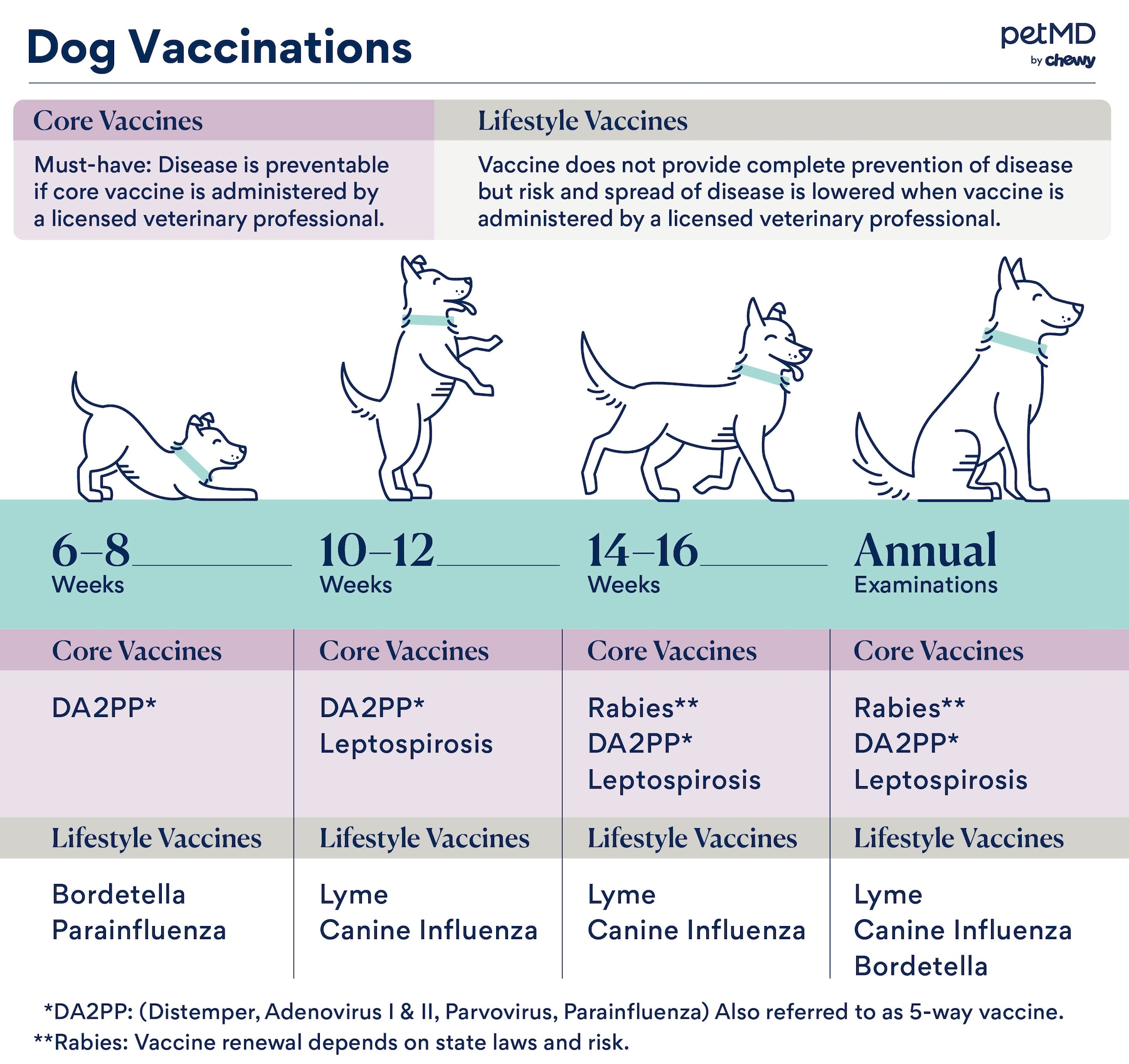
Image Source: image.petmd.com
What is Rabies?
Rabies is a very serious disease. It is a virus that attacks the brain and spinal cord. Animals like raccoons, bats, foxes, and skunks can carry it. They spread rabies through their bite. The virus is found in their saliva.
Rabies is almost always deadly. Once symptoms show, there is no cure. This is true for both animals and humans. The virus can spread from animals to people. This makes rabies a public health concern. Because of this, rabies vaccination is very important. It protects your dog. It also protects you and your family.
Why Your Dog Needs a Rabies Vaccine
Getting your dog a rabies vaccine is not just good practice. It is often the law. Rabies is so dangerous that many places require all dogs to be vaccinated. This helps stop the spread of the virus.
Vaccines work by teaching the body. They teach the dog’s immune system to fight off the rabies virus. If a vaccinated dog is bitten by a rabid animal, their body is ready. It can fight the virus before it takes hold. This saves their life. It also keeps other animals and people safe.
How Rabies Vaccines Work
Rabies vaccines contain a weakened or killed form of the virus. This form cannot cause the disease. But it is enough for the dog’s body to learn. The dog’s immune system sees this weakened virus. It then makes special fighters called antibodies. These antibodies stay in the body. They are ready to act if a real rabies virus ever enters the dog.
The vaccine creates a shield. This shield helps protect your dog from rabies. It is a key part of responsible pet ownership.
Grasping the Rabies Vaccine Schedule
The rabies vaccine schedule is important. It ensures your dog gets the best protection. The schedule changes a bit as your dog grows. It also depends on the type of vaccine used.
Puppy Rabies Vaccination
Puppies need their first rabies shot. This is a very important step.
- First Shot: Puppies usually get their first rabies vaccine at 12 to 16 weeks of age. This timing is important. Before this, the mother’s antibodies might interfere. These antibodies protect the puppy early on. But they can also stop vaccines from working well. Your vet will pick the best time.
- Why the Wait? The
puppy rabies vaccinationneeds to be done when the puppy’s own immune system can respond fully. This happens as the mother’s antibodies fade.
This first shot starts the protection process. But it is just the beginning.
The First Dog Rabies Booster Shot
After the initial puppy shot, a dog rabies booster shot is vital.
- Timing: This booster is usually given one year after the first shot. So, if your puppy got its first shot at 14 weeks, the booster would be around 1 year and 14 weeks old.
- Purpose: This booster strengthens the immune response. It helps the body make more long-lasting antibodies. It sets up the dog for extended protection. This booster makes the protection more complete.
Subsequent Rabies Shot Frequency for Dogs
After the one-year booster, the rabies shot frequency for dogs often changes. This is where the choice between a one-year or three-year vaccine comes in.
- One-Year Rabies Vaccine: Some vaccines provide protection for one year. If your dog gets this type, they will need an
annual rabies shot for dogs. This means a booster shot every year. - Three-Year Rabies Vaccine: Many common rabies vaccines offer longer protection. These are often called the
3-year rabies vaccine. If your dog gets this vaccine, they will need a booster shot every three years. This is a popular choice for many pet owners. It means fewer vet visits for this specific shot.
Your veterinarian will guide you. They will tell you which vaccine type is best. They will also consider local dog rabies law requirements.
Dog Rabies Law and Local Requirements
Rabies vaccination is not just a health choice. It is often a legal requirement. Dog rabies law varies. It differs from state to state. It can even differ from county to county or city to city.
Key Aspects of Dog Rabies Law
- Mandatory Vaccination: Most places require all dogs to be vaccinated against rabies. This is a public safety measure. It protects people from the deadly virus.
- Vaccine Type: Some laws may specify if a one-year or
3-year rabies vaccineis acceptable. Most areas accept the 3-year vaccine for adults. But always check. - Proof of Vaccination: You will get a rabies certificate after your dog is vaccinated. This certificate is very important. It shows your dog is protected. Keep it safe. You might need it for:
- Dog licensing
- Travel
- Boarding facilities
- Groomers
- If your dog bites someone (to show they are not a rabies risk)
- License Tags: Many places issue a rabies tag for your dog’s collar. This tag often has a number. It shows your dog is licensed and vaccinated.
- Penalties for Non-Compliance: Not vaccinating your dog can lead to fines. If your unvaccinated dog bites someone, it could face a quarantine period. This is often 10 days. In some cases, it might even be put down. This is why following
dog rabies lawis so important.
Always check your local animal control or health department websites. They will have the most current information. Your veterinarian rabies vaccine recommendations will also follow these laws.
Table: General Rabies Vaccine Schedule Example
| Dog’s Age / Stage | Action | Vaccine Type |
|---|---|---|
| 12-16 weeks (Puppy) | First rabies vaccine | Initial |
| 1 year after first shot | First booster shot | 1-year |
| 1 year after booster | Next booster shot (if 1-year vaccine) | 1-year |
| 3 years after booster | Next booster shot (if 3-year vaccine) | 3-year |
| Every 1 or 3 years | Ongoing boosters as per law/vaccine | 1-year/3-year |
Note: This is a general guide. Your vet will create a specific plan for your dog.
Rabies Vaccine Duration of Immunity
The rabies vaccine duration of immunity is the length of time a vaccine effectively protects your dog. This is often what determines if your dog gets a one-year or 3-year rabies vaccine.
- One-Year Vaccines: These vaccines are proven to protect for at least 12 months.
- Three-Year Vaccines: These vaccines are proven to protect for at least 36 months. They are rigorously tested. They show that they create long-lasting protection.
The choice of vaccine type often depends on local regulations. It also depends on the veterinarian’s preference and what is available. The scientific data supports the 3-year rabies vaccine for its extended protection. It provides excellent immunity.
Factors Influencing Rabies Shot Frequency for Dogs
Several things can affect the rabies shot frequency for dogs. While laws set a minimum, your vet might suggest other timings.
Local Rabies Activity
If rabies is common in your area, your vet might lean towards more frequent shots. This extra caution helps boost protection. However, most 3-year rabies vaccine protocols are enough even in high-risk zones. The key is proper vaccine timing.
Your Dog’s Health
A dog’s health can impact vaccine decisions.
- Sick Dogs: If your dog is very sick, your vet might delay vaccination. They might wait until your dog feels better. This is because the immune system needs to be strong to respond to the vaccine.
- Dogs with Weak Immune Systems: Some dogs have health issues that weaken their immune system. Or they might be on medications that suppress it. For these dogs,
veterinarian rabies vaccine recommendationsmight differ. The vet might still vaccinate. But they might also discuss risks and benefits carefully with you. - Very Old Dogs: There’s ongoing talk about older dogs. Some suggest that very old, frail dogs might not need a vaccine. Or they might benefit from a
rabies vaccine titer testinstead. This is a complex decision. It needs to be made with your vet.
Travel Plans
If you travel with your dog, especially to other states or countries, check their rabies vaccine rules. Some places have very strict rules. They might require vaccination within a specific timeframe before entry. Even if your dog is on a 3-year rabies vaccine schedule, you might need an earlier shot for travel. Always research travel requirements far in advance.
Veterinarian Rabies Vaccine Recommendations
Your vet is your best guide. Veterinarian rabies vaccine recommendations are based on many things:
- Scientific Research: Vets follow the latest science on vaccine effectiveness.
- Local Laws: They know what is legally required in your area.
- Your Dog’s Needs: They consider your dog’s age, health, and lifestyle. For example, a dog that spends a lot of time outdoors in areas with wildlife might have a higher risk.
- Risk vs. Benefit: They weigh the small risks of vaccination against the huge risk of rabies.
Always talk openly with your vet. Ask questions. They will help you make the best choice for your pet.
Rabies Vaccine Titer Test: An Alternative?
A rabies vaccine titer test measures antibodies. It shows how many rabies antibodies are in your dog’s blood. A high number means your dog likely has strong protection.
How It Works
- Blood Sample: Your vet takes a small blood sample from your dog.
- Lab Analysis: The lab checks the blood for rabies antibodies.
- Results: The results show the “titer” level. This is a number that indicates the level of antibodies.
Why Consider a Titer Test?
- Reduced Vaccination: Some owners want to vaccinate less often. This might be due to concerns about vaccine side effects. Or if their dog is very old or sick. A good titer level might suggest ongoing protection.
- Legal Compliance (Limited): This is where it gets tricky. In most places, a
rabies vaccine titer testis NOT a legal substitute for actual vaccination. Even if your dog has high antibody levels, they still need to followdog rabies lawand get the booster shot. - Travel Requirements: A titer test IS required for travel to some rabies-free countries (like the UK, Japan, Australia, New Zealand). This test confirms your dog is protected before entering. It shows they are not a rabies risk. You need to do this test many months before travel.
Important Note: Do not assume a titer test can replace a vaccine. In nearly all areas of the U.S. and Canada, it cannot. Your dog must still get their regular rabies vaccine schedule shots to be legally compliant. Always check with your vet and local authorities.
Possible Side Effects of Rabies Vaccines
Like any medicine, vaccines can have side effects. Most are mild and go away fast.
Common Mild Side Effects:
- Soreness: Your dog might feel a little sore where the shot was given.
- Swelling: A small, soft lump might form at the injection site. This usually goes away in a few weeks.
- Low Energy: Your dog might be a bit tired or less playful for a day or two.
- Mild Fever: A slight fever can happen.
- Reduced Appetite: They might not want to eat as much for a short time.
These mild reactions usually do not need treatment. They just mean the immune system is working.
Less Common but More Serious Side Effects:
- Allergic Reactions: In rare cases, a dog can have an allergic reaction. This can happen minutes or hours after the shot. Signs include:
- Face swelling (especially around the eyes and muzzle)
- Hives (itchy bumps)
- Vomiting or diarrhea
- Difficulty breathing
- Collapse
- If you see these signs, get to a vet right away. This is an emergency.
- Injection Site Sarcoma: Extremely rarely, a type of tumor can form at the injection site. This is more often linked to feline vaccines. But it can happen in dogs. This risk is very, very low. The benefits of rabies vaccination far outweigh this tiny risk.
Talk to your vet if you have concerns. They can help you understand the risks. They can also tell you what to watch for.
Deciphering the Importance of Annual Vet Checks
While the 3-year rabies vaccine reduces the frequency of that specific shot, your dog still needs yearly vet visits. These annual rabies shot for dogs check-ups are not just for vaccines. They are crucial for overall health.
During an annual check-up, your vet will:
- Full Physical Exam: Check your dog from nose to tail. They look at teeth, ears, eyes, skin, coat, and joints. They listen to the heart and lungs. They feel the belly. This helps catch problems early.
- Weight Check: Weight changes can be signs of health issues.
- Parasite Screening: Check for worms and other parasites.
- Other Vaccinations: Discuss other necessary vaccines like distemper, parvo, leptospirosis, and kennel cough. The
rabies vaccine scheduleis just one part of your dog’s full vaccine plan. - Blood Work: For older dogs, blood tests can check organ function.
- Behavior and Diet Discussion: You can ask about any changes in your dog’s behavior or eating habits.
These yearly visits are vital. They help your vet keep your dog healthy and happy. They can address any issues before they become big problems.
Tips for Pet Owners
- Keep Records: Always keep your dog’s rabies certificate. Keep it in a safe place. Make copies if needed. Put vaccination dates on your calendar or phone.
- Ask Your Vet: Do not be afraid to ask your vet questions. They are there to help you.
- Know Your Local Laws: Be aware of the specific
dog rabies lawin your area. This includes vaccine requirements and licensing. - Consider Risk Factors: Think about your dog’s lifestyle. Does your dog spend a lot of time outside? Do they hike in rural areas? This might affect how you view their
rabies shot frequency for dogs. - Do Not Skip Boosters: Stick to the
rabies vaccine schedule. Skipping boosters can leave your dog unprotected. It can also make them non-compliant with laws. - Microchip Your Dog: A microchip is a permanent ID. If your dog gets lost, and is found, the chip helps reunite you. It can also link to their rabies vaccine records.
Taking these steps ensures your dog is safe and protected.
Final Thoughts on Rabies Prevention
Rabies is a terrible disease. But it is entirely preventable with vaccination. The rabies vaccine schedule is carefully designed. It offers the best protection for your dog. It also helps protect your family and community.
Following veterinarian rabies vaccine recommendations is key. Adhering to dog rabies law is also crucial. Whether your dog gets a 3-year rabies vaccine or an annual rabies shot for dogs, the goal is the same: strong, lasting immunity. By keeping your dog up-to-date on their dog rabies booster shot, you give them the best chance at a long, healthy life. You also contribute to public health.
Frequently Asked Questions (FAQ)
Q1: Is the rabies vaccine legally required for all dogs?
Yes, in most areas, dog rabies law makes rabies vaccination a legal requirement for all dogs. Check your local state or county animal control website for specific rules.
Q2: My dog got its first puppy rabies vaccination. When is the next one needed?
Your dog will need a dog rabies booster shot one year after their first puppy rabies vaccination. After that, they will get boosters every one or three years, depending on the vaccine type and local laws.
Q3: Is a 3-year rabies vaccine as good as an annual one?
Yes, the 3-year rabies vaccine is very effective. Scientific studies show it provides strong protection for at least three years. It is a very safe and common choice.
Q4: Can a rabies vaccine titer test replace the actual vaccine shot?
No, in most places, a rabies vaccine titer test cannot replace the legal requirement for a rabies vaccine schedule shot. While a titer test shows antibody levels, it does not count as legal vaccination for compliance purposes. Some countries require it for travel, but this is different from annual legal compliance.
Q5: What is the rabies shot frequency for dogs if my dog is very old?
The rabies shot frequency for dogs for older dogs is generally the same as for younger adult dogs (every one or three years). However, if your dog has severe health issues, discuss this with your veterinarian rabies vaccine recommendations. They might suggest a different approach.
Q6: What happens if my dog’s rabies shot is overdue?
If your dog’s rabies shot is overdue, they are considered unvaccinated by law. This means they might face quarantine if they bite someone. They are also at higher risk if exposed to a rabid animal. Contact your vet right away to get them back on their rabies vaccine schedule.
Q7: Is it possible for a vaccinated dog to still get rabies?
It is extremely rare for a properly vaccinated dog to get rabies. Vaccines are very effective. No vaccine is 100% foolproof, but the rabies vaccine offers excellent protection. The risk is much higher for unvaccinated dogs.
Q8: My dog had a bad reaction to a vaccine. What should I do for the rabies shot?
Tell your vet about any past vaccine reactions. For mild reactions, your vet might give medication beforehand. For severe reactions, they might use a different vaccine brand. Or they might talk about other options like the rabies vaccine titer test (if legally allowed) to assess protection. Always work closely with your veterinarian rabies vaccine recommendations.