
Strategies: Can You Pheasant Hunt Without A Dog Successfully?
Yes, you can pheasant hunt without a dog successfully. While a good bird dog greatly helps, many hunters find success by themselves. It takes different skills and more effort. You must learn how to find pheasants without a dog, flush them, and retrieve them on your own. This guide will show you the best way to hunt pheasants alone. It covers tips for wild pheasant hunting without a dog, making it possible for you to enjoy the sport.
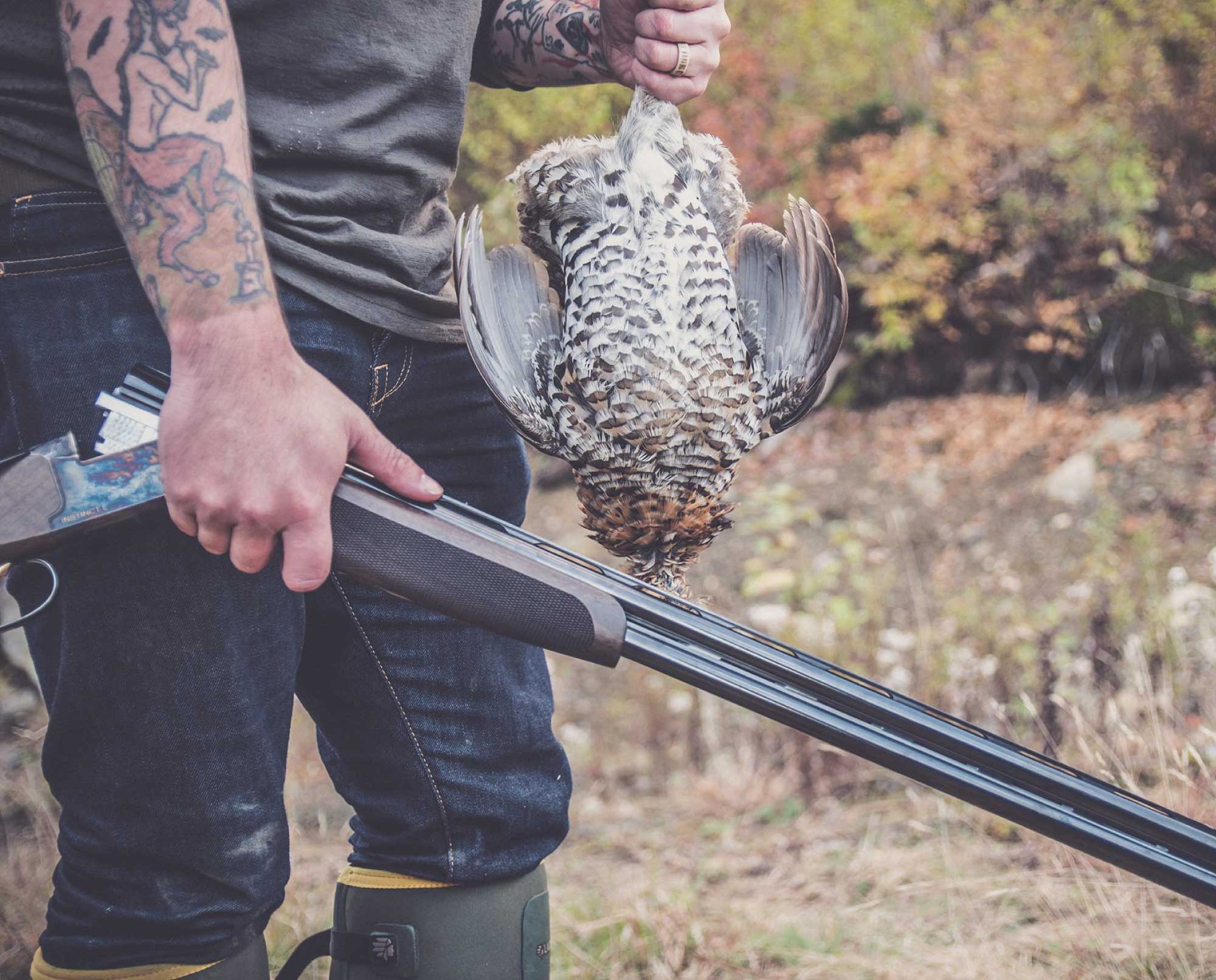
Image Source: projectupland.com
The Solo Hunt: A Different Path
Hunting pheasants is often linked with a loyal bird dog. The dog points, flushes, and fetches. But what if you do not have a dog? Or maybe you want to test your own skills? Solo pheasant hunting offers a unique challenge. It makes you a more skilled hunter. You rely on your wits, your eyes, and your legs. This path asks you to think like a pheasant. You must move quietly and know the land.
Many hunters wonder, “Do you need a dog for pheasants?” The simple answer is no. A dog makes it easier, but it is not a must-have. Hunting pheasants without a dog means you take on all roles. You are the scout, the flusher, and the retriever. It requires careful planning and smart methods.
Preparing for Your Hunt
Success in any hunt starts before you even step into the field. This is even more true for solo pheasant hunting techniques. You need to plan your trip well. This includes scouting, gear, and knowing the land.
Learning the Land
Knowing the area is key. Pheasants live in certain places. They like thick cover. They need food and water nearby.
- Maps and Apps: Use online maps or hunting apps. Look for state land, public land, or private land with permission. Find areas with good cover. Look for fields, tall grass, swamps, and fencerows.
- Scout Ahead: If you can, visit the area before the hunt. Drive or walk around. Look for signs of pheasants. Fresh tracks, droppings, or feathers are good signs. See where birds might escape. Notice thick brush or water.
- Weather Watch: Check the weather forecast. Wind, rain, or snow change how pheasants act. A windy day can make birds hold tight. Cold weather makes them seek heavy cover.
Essential Gear for the Solo Hunter
Your gear helps you stay safe and successful. It is even more important when you are by yourself.
- Shotgun: A 12-gauge or 20-gauge shotgun is common. Choose a gun that fits you well.
- Ammunition: Use shells meant for pheasants. Often, #4 or #5 shot works best. Carry enough shells.
- Orange Clothing: Safety first. Wear bright orange. This makes you easy to see for other hunters.
- Good Boots: You will walk a lot. Sturdy, waterproof boots are a must. They save your feet.
- Game Vest or Bag: You need a way to carry downed birds. A vest with a large game pouch works well.
- Water: Stay hydrated. Carry a water bottle.
- GPS or Compass: Do not get lost. A GPS device or a map and compass are vital. Mark your car’s location.
- First-Aid Kit: Small cuts or scrapes can happen. A basic kit helps.
- Knife: Useful for many tasks.
- Gloves: Protect your hands from briars and thorns.
- Whistle: For emergencies or to signal if needed.
Tactics for Finding Pheasants Without a Dog
Finding birds is the first big challenge when you are alone. Pheasants are experts at hiding. They blend into their surroundings. You must learn their habits.
Where to Look
Pheasants love places with thick cover. This protects them from predators and bad weather.
- Heavy Cover: This includes cattail marshes, thickets, dense brush, and tree rows. Think places a dog might struggle to get into.
- Food Sources: Look near cornfields, milo fields, or other grain crops. Pheasants feed in these areas. They often move to cover nearby after eating.
- Field Edges: The border between a field and heavy cover is a prime spot. Birds often walk these edges.
- Water Sources: Pheasants need water. Look near streams, ponds, or wet spots.
- CRP Lands: Conservation Reserve Program lands have tall grasses and wildflowers. These are excellent pheasant homes.
- Ditches and Fencerows: These narrow strips of cover act like highways for pheasants. They offer good travel and hiding spots.
Signs of Pheasants
Since you do not have a dog to sniff them out, you must use your eyes and ears.
- Tracks: Look for distinct pheasant tracks in soft ground or snow.
- Droppings: Small, dark droppings can show recent bird activity.
- Feathers: Found feathers might mean pheasants are in the area.
- Cackles: Listen carefully. A male pheasant’s loud “cackle” often happens when it flushes. This tells you birds are around. You might hear them cackling in the morning or evening.
Timing is Key
Pheasants are most active at certain times of day.
- Early Morning: Just after sunrise, pheasants leave their roosts to feed. Hunt fields near roosting cover.
- Late Afternoon: Before roosting for the night, pheasants feed again.
- Midday: When the sun is high, pheasants often sit tight in thick cover. This is a great time to work dense areas slowly.
Flushing Pheasants Without a Dog
This is where your walking up pheasants without a dog skills come into play. You must make the bird flush within shooting range.
The “Stop-and-Go” Method
This is a classic pheasant hunting strategy no dog can replicate. It works well because pheasants often run ahead of a slow, steady pace.
- Walk Slowly: Move through cover at a slow, steady pace.
- Pause Often: Stop every 15-30 seconds. Stand still for 5-10 seconds. Pheasants get nervous when you stop. They think you have spotted them. This often makes them flush.
- Listen: While paused, listen for rustling or cackles. Birds might flush during your stop or just after you start moving again.
- Repeat: Keep this pattern going. It wears on the pheasant’s nerves.
Walking Patterns
Your path through the field matters a lot.
- Zig-Zag: Instead of walking in a straight line, zig-zag through the cover. This covers more ground. It also creates varied pressure, which can make birds flush.
- Grid Search: For dense, smaller areas, walk back and forth in a grid. This ensures you cover every bit of ground.
- Working Edges: Always hunt the edges of cover first. Walk along fencerows, ditches, and the borders of fields. Birds often stick to these lines.
- Corners and Funnels: Pheasants like to run into corners or narrow spots. Work these areas slowly and carefully. A dog can push them out, but alone, you must corner them.
- Team Up (Optional): While this guide focuses on solo hunting, sometimes two hunters working together can act like a “human dog.” One person walks up the middle, another on an edge. This helps push birds out. But even alone, you can use these ideas by focusing on how pheasants might be pushed by your movement.
Using Wind to Your Advantage
Wind plays a big role in pheasant behavior.
- Walking Against the Wind: If possible, hunt into the wind. Pheasants usually flush into the wind. This slows them down. It makes for easier shots. It also helps carry your scent away from the birds.
- Crosswind: If hunting into the wind is not possible, a crosswind is the next best choice.
- Downwind: Avoid hunting directly downwind. Birds will smell you coming. They will run or flush far out.
Retrieving Pheasants No Dog
This is the most critical part of hunting without a dog. A downed pheasant can be hard to find. They are masters of disappearing into thick cover.
Mark the Fall
This is the single most important step.
- Eyes on the Bird: When you shoot, keep your eyes fixed on the bird. Watch it until it hits the ground. Do not look away.
- Pick a Landmark: As the bird falls, pick a specific landmark near where it lands. A unique tree, a bush, a fence post, or a change in terrain. This helps you get to the exact spot.
- Listen: Listen for the sound of the bird hitting the ground. This helps too.
- Mentally Walk to the Spot: If the bird falls far, imagine walking a straight line to it. Note any changes in the ground or cover along that line.
Grid Search for Retrieval
Once you are at the marked spot, if you cannot find the bird, start a careful search.
- Start at the Landmark: Go directly to your chosen landmark.
- Expand Your Search: If the bird is not there, begin a slow, careful grid search around that spot.
- Small Squares: Work in small, overlapping squares. Walk one line, turn, walk another parallel line close by. Think of cutting the grass with a mower.
- Look Under Cover: Check under bushes, in tall grass, and any dense spots. Pheasants often dive deep into cover when hit.
- Look for Clues: Keep an eye out for any sign of the bird. A single feather, a patch of disturbed grass, or a blood spot can lead you to it.
- Walk Slowly: Do not rush. A fast search will miss the bird.
- Circle Outward: If the grid fails, slowly expand your search area in circles around the original fall site.
- Patience is Key: Sometimes it takes time to find a bird. Do not give up quickly. Ethical hunting means doing your best to recover every downed bird.
Ethical Considerations for Retrieval
- Prioritize Retrieval: Finding a downed bird is your top priority. Do not shoot at another bird until you have found the first one.
- Follow Up Wounded Birds: If you think a bird is only wounded, follow it quickly. A wounded bird might run a long way. Look for signs like disturbed grass or blood.
- Know When to Quit: If you have searched for a long time and cannot find it, there is a point where you must move on. But always give it your best effort.
Advanced Tips for the Solo Hunter
Beyond the basics, these tips can further boost your success.
Using Terrain
The land itself can be your best friend.
- Walk Uphill First: When hunting hilly land, try to walk uphill from the cover. Pheasants tend to run uphill when flushed. This often pushes them past you or makes them flush sooner.
- Cornering Birds: Use ditches, fencerows, and field corners to your advantage. Walk into these areas slowly. The pheasant will have fewer escape routes. This can force a flush.
- Pushing Towards Openings: If a field has a small patch of thick cover next to an open area, walk from the open side towards the thick cover. This pushes birds towards the open, offering clearer shots.
Silence and Observation
Since you lack a dog’s nose, your senses must be sharp.
- Move Quietly: Avoid unnecessary noise. Do not rustle your clothes too much. Step lightly.
- Use Your Ears: Listen for chirps, rustles, or wing beats. These sounds often mean a bird is near.
- Scan Constantly: Do not just look at your feet. Scan the cover ahead and to your sides. Look for movement. A pheasant’s head or tail might peek out.
The Art of the “Re-flush”
Sometimes, a bird flushes wild and far away. It might land somewhere you can approach again.
- Mark Where It Lands: If a bird flushes out of range, watch carefully where it lands.
- Circle Around: Instead of walking straight to it, circle wide. Approach it from a different angle.
- Work the Area Again: Hunt the new area where it landed just as you did the first time. Use the stop-and-go method. The bird might be tighter this time.
Challenges of Hunting Without a Dog
It is important to know the downsides.
- Missed Birds: You will likely flush fewer birds than with a dog. Many birds will run away or sit too tight for you to find.
- Lost Birds: Retrieving pheasants no dog means a higher chance of losing downed birds. This is why careful marking and searching are so important.
- More Physical Effort: You will walk more. You will search harder. It is more tiring.
- No Alerts: A dog tells you when a bird is near. Without one, you must rely on your own senses fully.
A Table of Solo Hunting Tactics
| Tactic | Description | Benefit |
|---|---|---|
| Stop-and-Go | Walk slowly, pause often (5-10 sec every 15-30 sec). | Makes running birds nervous, often forces them to flush. |
| Zig-Zag Pattern | Walk back and forth across cover, not in a straight line. | Covers more ground, applies varied pressure. |
| Grid Search | For retrieval, systematically comb the area in overlapping squares. | Ensures thorough search for downed birds. |
| Edge Hunting | Focus on fencerows, ditches, field borders. | Birds often use these travel lanes and cover. |
| Wind Advantage | Hunt into the wind if possible. | Birds flush into wind, slowing them; carries your scent away. |
| Marking the Fall | Keep eyes on downed bird, pick a landmark where it lands. | Critical for finding birds without a dog. |
| Silence | Move quietly, avoid sudden movements. | Prevents birds from hearing you and running. |
| Terrain Use | Walk uphill, push birds into corners or towards open spots. | Forces birds to flush where you want them. |
Safety First When Hunting Alone
Hunting alone means you are solely responsible for your safety.
- Tell Someone: Always tell someone where you are going and when you expect to be back.
- Carry a Phone: Make sure it is fully charged. Have an emergency contact saved.
- Know Your Limits: Do not push yourself too hard. Take breaks.
- Be Aware of Others: Even if you are alone, other hunters might be nearby. Wear bright orange.
- Gun Safety: Follow all gun safety rules. Always know your target and what is beyond it.
- Respect Property: Know public land boundaries. If hunting private land, have permission.
- Hydration: Drink plenty of water. It is easy to get dehydrated when walking a lot.
The Rewards of Solo Pheasant Hunting
Hunting pheasants by yourself is not just about bringing home birds. It is a deep, personal experience. You become more attuned to nature. You learn to read the land and its creatures. Each successful flush and retrieved bird feels like a greater victory. You build your own hunting skills. You prove that you can hunt pheasants without a dog successfully. It is a journey of self-reliance and connection to the wild.
Conclusion
So, can you hunt pheasants by yourself? Absolutely. It takes effort, smart methods, and patience. You need to become an expert at finding, flushing, and retrieving. Master solo pheasant hunting techniques like the stop-and-go. Learn how to find pheasants without a dog by studying their habitat. Practice retrieving pheasants no dog by carefully marking the fall. While a dog is a great asset, the satisfaction of a successful solo pheasant hunt is unmatched. It is a true test of a hunter’s skill and dedication.
Frequently Asked Questions (FAQ)
Q1: Do you need a dog for pheasants?
A1: No, you do not need a dog to hunt pheasants. While a dog makes it easier, hunters can find success alone by using smart strategies.
Q2: What is the best way to hunt pheasants alone?
A2: The best way involves careful scouting, using the “stop-and-go” walking method, hunting into the wind, and meticulously marking where a bird falls for retrieval.
Q3: How do you find pheasants without a dog?
A3: Look for thick cover near food and water sources. Scout areas like fencerows, cattail marshes, CRP lands, and field edges. Listen for pheasant cackles and look for tracks or feathers.
Q4: How do you flush pheasants without a dog?
A4: Use the “stop-and-go” method: walk slowly, pausing often (every 15-30 seconds). Walk in zig-zag patterns or work field edges. Pheasants often flush when a hunter stops.
Q5: What are tips for wild pheasant hunting without a dog?
A5: Prioritize safety, tell someone your hunting plans, carry essential gear like a GPS, and be prepared for increased walking and searching. Focus on dense cover and methodical field coverage.
Q6: How do you retrieve pheasants no dog?
A6: The most critical step is to mark the exact spot where the bird falls with your eyes and a landmark. Then, perform a slow, systematic grid search around that spot, looking for any sign of the bird.