
Solo Hunter’s Guide: Can You Hunt Pheasant Without A Dog?
Yes, you can hunt pheasants alone without a dog. Solo pheasant hunting is not only possible but can also be very rewarding. It lets you focus on your own skills and the environment. While a dog truly helps, especially with finding birds and fetching them, a hunter can still be successful. It just takes more planning, good tactics, and patience.
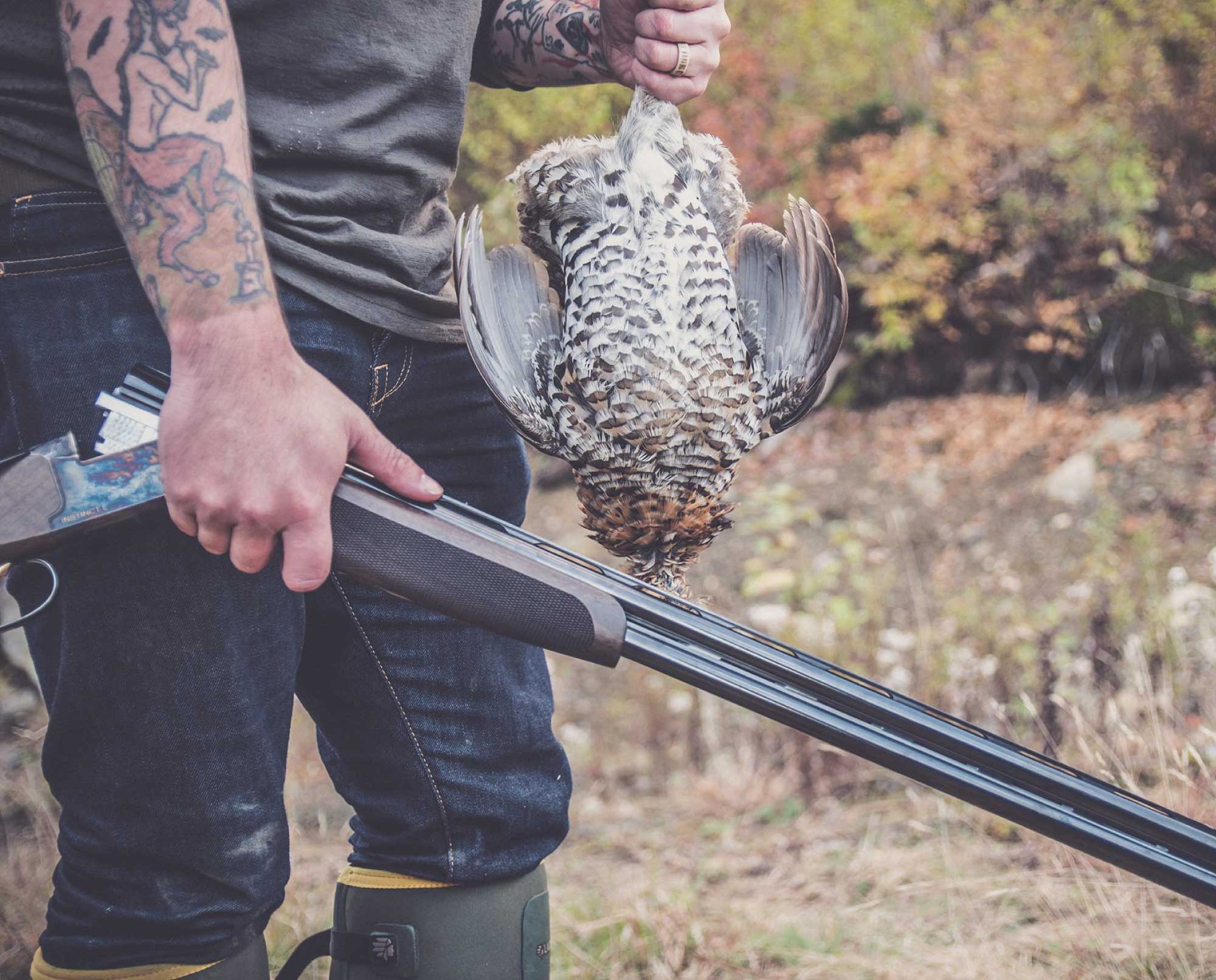
Image Source: projectupland.com
Embracing the Solo Pheasant Hunt
Hunting pheasants by yourself is a unique challenge. Many hunters rely on a dog. Dogs find birds, flush them, and bring them back. Without a dog, you take on all these roles. This means you must think like a bird, move carefully, and be very aware. It tests your outdoor skills in a different way.
Why might someone hunt pheasants alone?
* A Personal Challenge: It pushes you to improve your hunting skills.
* Peace and Quiet: You can enjoy nature without distractions.
* Flexibility: You can hunt when and where you want, without needing a dog or another person.
* Learning: You learn more about pheasant behavior and habitat.
The main challenges without a dog are flushing birds and finding downed birds. Pheasants are experts at hiding. They run rather than fly. A dog helps push them into the air. Also, a downed pheasant can be hard to find in thick cover. But with smart pheasant hunting techniques no dog, you can still have a great day.
Core Tactics for the Independent Hunter
To hunt pheasants alone, you need smart plans. You must act as both the “flusher” and the “retriever.” This means moving differently and paying close attention to your surroundings. These tips will help you when you are can you hunt pheasants alone.
Deciphering Pheasant Habits
Before you even step into the field, learn about pheasants. Knowing where they live and what they do is key.
* Where They Hide: Pheasants love thick cover. Think tall grasses, cattails, brush piles, cornfields, and fence lines. They want places where they can feel safe. This cover helps them hide from hawks and hunters.
* Daily Routines: Pheasants feed in the morning and late afternoon. They eat seeds, grain, and insects. In the middle of the day, they rest in thick cover. When scared, they often run. They will only fly if they feel trapped or surprised.
* Escape Plans: When a pheasant senses danger, its first move is to run. It will sneak through cover, trying to get away. If it runs out of cover, it might take flight. They often fly low and fast. This is why you need to be ready for a quick shot.
By knowing these habits, you can guess where pheasants might be. You can also guess how they might act when you get close. This helps you plan your approach.
Gear for the Independent Hunter
Having the right gear makes solo hunting easier and safer.
* Shotgun Choice: A 12-gauge or 20-gauge shotgun is good. An improved cylinder or modified choke is often best for pheasants. This gives you a good spread of shot. It helps hit moving birds.
* Ammunition: Use shotshells with number 4, 5, or 6 shot. These sizes work well for pheasants. They have enough power to cleanly take down the bird. Always carry enough shells.
* Clothing: Wear layers. The weather can change fast. Bright orange (blaze orange) is a must for safety. It makes you easy to see by other hunters. Choose tough, briar-proof pants. Pheasants live in thorny places.
* Boots: Good boots are very important. They should be waterproof and comfortable. You will walk many miles. Ankle support is also key to prevent injury.
* Other Tools:
* GPS or Map App: This helps you know where you are. It helps you track your path. It makes sure you don’t get lost. It also helps you mark where a bird falls.
* Game Bag: A comfortable vest or bag to carry your birds.
* Water: Stay hydrated, especially on long walks.
* Knife: Useful for many tasks.
* Rope/Leash: A short rope can help if you need to drag a bird out of very thick brush. It’s not common, but can be helpful.
The Art of the Walk-Up
This is a key part of walk-up pheasant hunting. You become the “dog.” You walk through cover to make birds fly.
* Pacing and Zig-zagging: Do not walk in a straight line. Walk in a zig-zag pattern. This covers more ground. It also makes pheasants nervous. They might hold tight, then flush closer to you. Change your speed. Stop often. This can make a hiding bird nervous enough to fly.
* Working Cover: Focus on edges. Pheasants love the edges of fields, tree lines, or ditches. These are natural travel paths. Walk these edges carefully. Also, go into dense patches of cover. Push through them.
* Using the Wind: Walk into the wind if you can. Pheasants often fly into the wind when flushed. This slows them down. It gives you a better shot. It also helps you hear them if they run. If you walk with the wind, birds might smell you earlier. They could run away before you see them.
* Systematic Approach: Don’t just wander. Divide a field into sections. Walk each section thoroughly. Imagine a grid. Cover every part. This increases your chances of finding birds.
Flushing Strategies
Flushing pheasants by yourself takes thought. You need to make the bird feel unsafe enough to fly.
* Sudden Stops and Starts: This is a top tip for pheasant hunting tips no dog. Walk a bit, then stop dead still for 10-20 seconds. Birds holding tight might think you’ve passed. Then, when you start again, they flush. Or, they might feel too exposed during your stop and fly.
* Kicking Heavy Cover: Use your boots to kick brush piles, tall weeds, and thick grass clumps. This can startle a bird into flying. Be ready with your gun when you kick.
* Using Natural Funnels: Look for places where thick cover narrows. Examples include a thin strip of grass between two fields, or a corner where a fence meets a ditch. Pheasants pushed into these narrow spots have fewer escape routes. They are more likely to flush.
* “Pounding” Areas: If you know a spot holds birds, work it hard. Make multiple passes. Go back and forth. This makes birds move. Eventually, they will get nervous and flush. It takes more time and effort, but it works.
Retrieval Without Fido
This is perhaps the biggest challenge when retrieving pheasants without dog. A lost bird is a sad outcome.
* Mark the Fall Precisely: When you shoot a bird, watch it closely. See exactly where it falls. Note a landmark: a unique tree, a bush, a fence post. Don’t look away. This is the single most important step.
* Walk a Grid Pattern: Go directly to where you think the bird fell. If you don’t see it, start a grid search. Pick a starting point. Walk a straight line. Turn 90 degrees. Walk another line. Turn 90 degrees. Make the grid bigger and bigger. Walk slowly. Look for any sign: a feather, a disturbed plant, blood.
* Use a Long Stick or Small Rake: In very thick cover, a long stick can help. You can poke around in the brush. Gently move plants aside. This helps you see into dense spots without walking through every inch. Some solo hunters even carry a small, lightweight rake to pull back thick grasses.
* Patience is Key: Do not give up quickly. A pheasant can dive into the thickest cover. They can be hard to see. Search thoroughly. Go over the same area multiple times. Even after you find it, check the bird to make sure it’s dead.
Stalking Success
While stalking pheasants without a dog is more common for other game, it has a place in solo pheasant hunting. This applies when you spot birds on the ground.
* Quiet Movement: Move slowly and quietly. Don’t snap twigs. Step lightly. Pheasants have good hearing and eyesight.
* Using Terrain and Cover: Use hills, ditches, and thick brush to hide your approach. Stay low. Move from one patch of cover to the next.
* Spotting Birds on the Ground: Look for flashes of color. Look for movement in the weeds. Pheasants often stick their heads up to look around. If you spot one, try to get closer.
* The Flush: Once you are close enough, use a sudden move to make the bird flush. Maybe step quickly, or clap your hands. Be ready to shoot immediately.
Hunting Pheasants Public Land No Dog
Hunting on public land without a dog means you need to be extra careful and smart. Public lands can have more hunters.
* Research Public Hunting Areas: Before you go, look at maps. Check online resources. Find out where pheasant habitat exists. Look for areas with light hunting pressure. Smaller, less accessible spots might be better.
* Avoiding Crowded Spots: Weekends are busy. Try hunting on weekdays. Arrive early. Look for parking areas with few cars. If a spot is crowded, move on. Your goal is to find quiet places where birds feel safe.
* Safety First: Always wear blaze orange. Assume every sound is another hunter. Be sure of your target and what is beyond it. Never shoot toward roads, buildings, or other people.
* Respecting Other Hunters: Be polite. Give other hunters space. If you see someone working an area, move to a different spot. This ensures everyone has a good time and stays safe.
* Walk Deeper: Many hunters stick to the edges of public land. Go deeper into the property. Walk past the easy-to-reach spots. Birds that have been pressured often hide in the hardest-to-reach cover. This is where your fitness and determination pay off.
Achieving a Successful Pheasant Hunt Alone
A successful pheasant hunt no dog isn’t always about how many birds you bag. It’s also about the experience.
* Patience and Persistence: Solo hunting can be tough. You might walk a long time without seeing a bird. Don’t get discouraged. Keep working the cover. The next step could be the one that flushes a bird.
* Learning from Each Outing: Think about your hunt afterward. What worked? What didn’t? Where did you see sign but no birds? How did the birds act? Each trip teaches you something new.
* Staying Safe: Tell someone where you are going. Carry a first-aid kit. Have a way to call for help. Be aware of your surroundings. Watch for fences, holes, and difficult terrain.
* Enjoying the Process: Solo hunting lets you connect with nature. Listen to the sounds. Watch the wildlife. Enjoy the quiet. The hunt itself is a big part of the reward. Even without birds, a day outdoors is time well spent.
Essential Solo Hunter’s Checklist
This table provides a quick guide to what you need for a good solo pheasant hunting trip.
| Item Type | Specific Items | Purpose |
|---|---|---|
| Firearm | 12 or 20-gauge shotgun | For shooting pheasants. |
| Improved Cylinder or Modified Choke | Best shot spread for pheasants. | |
| Ammunition | #4, #5, or #6 shot shells | Effective for pheasant take-down. |
| Enough for the day (+ spares) | Don’t run out. | |
| Safety Gear | Blaze orange vest/hat | Crucial for visibility to other hunters. |
| Eye protection | Protects eyes from flying debris and shot. | |
| Hearing protection | Protects ears from gun blasts. | |
| Clothing | Layers (base, mid, outer) | Adapt to changing weather. |
| Briar-proof pants or chaps | Protection from thorns and thick brush. | |
| Waterproof, comfortable hunting boots | For long walks in varied terrain. | |
| Navigation | GPS device or smartphone app (with maps) | Know your location, find birds, mark falls. |
| Compass (and map, if no GPS) | Backup navigation. | |
| Retrieval Aids | Game bag or hunting vest with pouch | Carry downed birds. |
| Small, lightweight stick or rake (optional) | Aid in finding downed birds in thick cover. | |
| Essentials | Water | Stay hydrated. |
| Snacks | Keep energy up. | |
| First-aid kit | For minor injuries. | |
| Knife | General utility. | |
| Zip ties or rope (optional) | For securing birds or other needs. | |
| Cell phone (fully charged) | For emergencies and communication. | |
| Hunter’s license and tags | Required by law. |
Frequently Asked Questions
Q1: Is it harder to find pheasants without a dog?
A1: Yes, it can be harder. Dogs use their strong sense of smell to find hidden birds. Without a dog, you must rely on your eyesight, knowledge of pheasant habits, and careful walking patterns. You need to be more thorough.
Q2: How do I know where to hunt pheasants on public land without a dog?
A2: Look for areas with good cover like tall grass, cattails, or brush. Check online maps for wildlife areas or game lands. Read scouting reports if available. Pay attention to small, overlooked patches of cover. These might hold birds that have been pushed out of bigger areas.
Q3: What’s the best time of day for solo pheasant hunting?
A3: Early morning and late afternoon are often best. Pheasants are more active then. They move to and from feeding areas. In the middle of the day, they rest in thick cover. This can be a good time to work dense areas.
Q4: How do I avoid losing a downed pheasant if I don’t have a dog?
A4: Mark the fall spot very carefully. Look at a landmark, like a tall tree or bush. Walk straight to that spot. If you don’t find the bird right away, start a slow, careful grid search around the area. Be patient and thorough.
Q5: Is solo pheasant hunting safe?
A5: Yes, it can be very safe if you follow rules. Always wear blaze orange. Tell someone where you are going. Carry a map and phone. Be aware of other hunters. Know your shooting lanes. Never take a risky shot.
Q6: Can I use decoys or calls for pheasants without a dog?
A6: Pheasants do not respond well to decoys or calls like ducks or turkeys. Your best bet is to actively walk through cover. The goal is to make the bird flush.
Q7: How much walking should I expect on a solo pheasant hunt?
A7: Expect to walk a lot. A typical solo hunt might involve several miles of walking. You will go through tough cover. Good fitness helps a lot. Remember, you are covering ground that a dog would normally search.
Q8: Are there any specific pheasant hunting tips no dog that focus on stealth?
A8: Yes. Stalking pheasants without a dog means moving slowly and quietly. Use existing cover to hide your approach. Stop often. Listen for subtle sounds. Look for any sign of movement. The goal is to get close before the bird runs or flies.
Hunting pheasants without a dog is a test of skill and spirit. It asks you to be more aware and more patient. But the rewards are great. You gain a deeper link to the land and the hunt. You learn how to work with nature on its own terms. With good planning and the right mindset, your solo pheasant hunting trip can be a true success.