
Is It Safe? Can A Dog Get 2 Rabies Shots In One Year?
No, a dog generally should not get two rabies shots in one year. Giving a dog two rabies vaccinations within a short time frame, especially in one year, is usually not needed and can bring more risks than benefits. Most dogs get a rabies shot once every one or three years, based on the vaccine type and local laws. If your dog gets an extra shot by mistake or too soon, it is vital to talk to your vet right away.
The rabies vaccine is a very important shot for dogs. It keeps them safe from a deadly disease. It also helps stop the spread of rabies to people. Because rabies is so dangerous, many places have rules about how often dogs must get their rabies shots. But even with these rules, people often wonder about the right time for these shots. They ask if more shots mean more safety. This article will look closely at these questions. It will explain why getting two rabies shots in one year is often not a good idea for your dog.
Image Source: lookaside.fbsbx.com
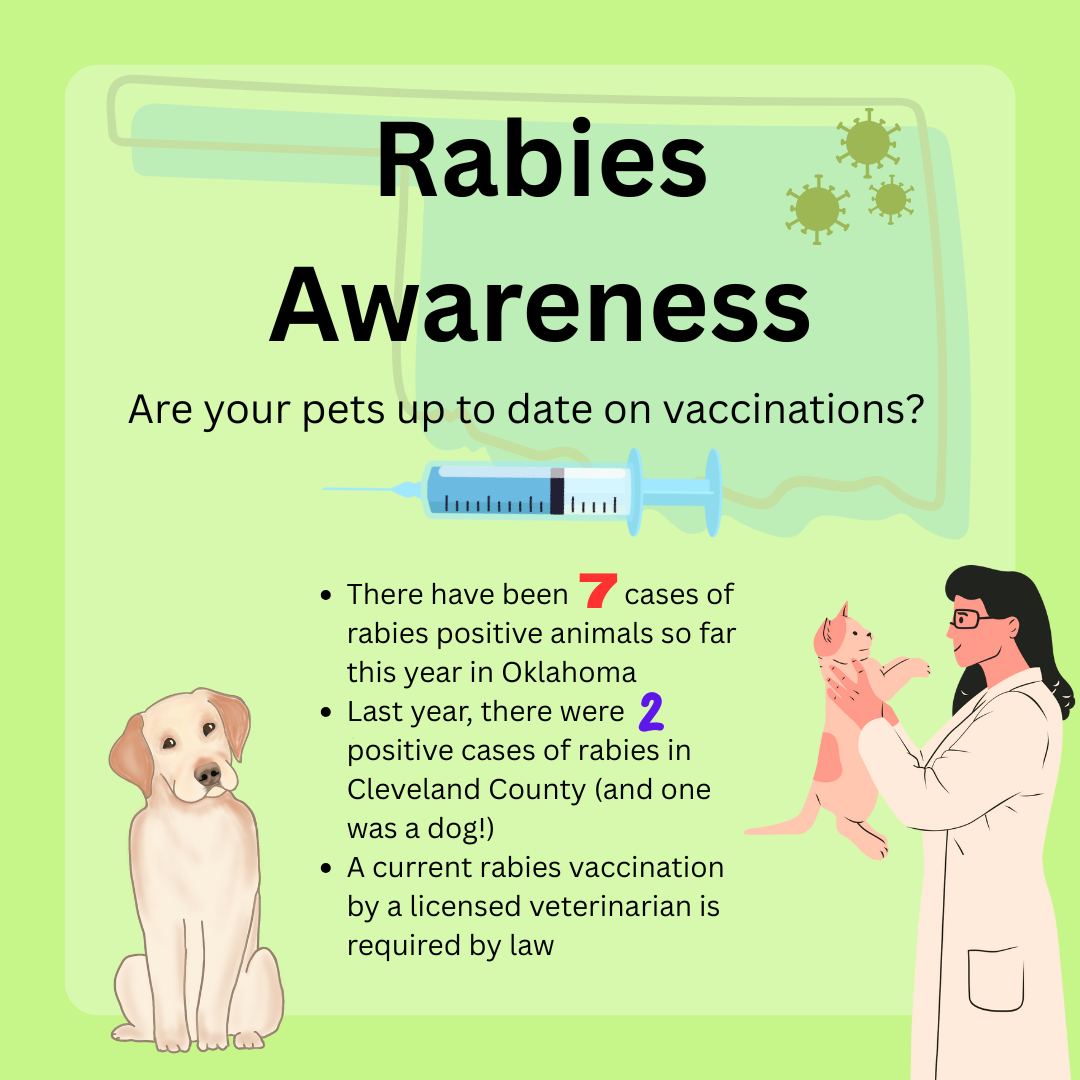
The Purpose of Rabies Shots
Rabies is a terrible disease. It attacks the brain and nervous system. Once a dog shows signs of rabies, it almost always dies. The disease can spread to humans, too. This happens through bites from infected animals. The rabies vaccine works by teaching your dog’s body to fight the rabies virus. It builds up their protection, or immunity, against the disease.
When your dog gets the vaccine, its body makes special fighters called antibodies. These antibodies stay in the dog’s system. If a rabies virus enters the dog’s body later, these antibodies are ready. They can quickly fight off the virus before it causes sickness. This is why rabies shots are so important. They are a shield for your dog and for your family.
Standard Vaccine Timing
Knowing when your dog needs its rabies shot is key. It helps keep your dog safe and follows the rules. The dog rabies vaccine frequency follows a common pattern. This pattern ensures your dog stays protected over time.
Rabies Vaccination Schedule for Puppies
Puppies start their rabies protection young. This is a special time for their shots.
- First Shot: Puppies usually get their first rabies shot when they are around 12 to 16 weeks old. This is the first step in building their immunity.
- Booster Shot: After their first shot, puppies need a booster shot. This booster is given one year after their first shot. This early booster helps make their protection stronger and last longer. Many vets call this their “one-year booster.” It is a vital step in their
rabies vaccination schedule for puppies. After this booster, most dogs then move to a longer vaccine schedule.
Rabies Vaccine Intervals for Dogs
After the puppy booster, things often change. The rabies vaccine intervals for dogs usually become longer.
- One-Year Vaccine: Some rabies vaccines are good for one year. If your dog gets this type, they will need a shot every year.
- Three-Year Vaccine: Other rabies vaccines last for three years. Most vets use these longer-lasting vaccines. This means your dog gets a shot every three years. This reduces how often your dog needs a needle stick. It is also good for their body. Most places allow the three-year vaccine. You must check your local rules. The type of vaccine your dog gets depends on what your vet uses and what your local laws say.
It is important to stick to these times. Missing a shot can mean your dog is not protected. It can also cause problems with local laws. Your vet will keep careful records of when your dog got its shots. This helps them tell you when the next one is due.
When Two Shots Happen
Sometimes, a dog might get two rabies shots too close together. This can happen for many reasons. It can be a mistake, or it can be due to a special situation. It is important to know what causes multiple rabies shots for dogs in one year.
Can a Dog Get Rabies Booster Early?
It is rare for a vet to give a rabies booster early on purpose. Vets follow strict rules. They know when the next shot is due. Getting a rabies booster early would not make your dog safer. Their body already has enough protection from the last shot. Giving another shot too soon can make the body work too hard. It also raises the chance of side effects. Most times, an “early booster” is actually the one-year booster for puppies. This one-year booster is part of their normal schedule. It is not an extra shot.
Dog Accidentally Got Second Rabies Shot
This is often where the concern starts. A dog accidentally got second rabies shot can happen in a few ways:
- Lost Records: An owner might not have vaccine papers. They might think their dog missed a shot. So, they get another one.
- Multiple Vets: A dog might see different vets in one year. Maybe they moved. Or one vet did not know about a shot from another vet. This can lead to a double dose.
- Miscommunication: Sometimes, mistakes happen in the vet clinic. Maybe a new vet tech gives a shot when it was already done.
- Emergency Situations: In very rare cases, if a dog’s vaccine status is unknown after a bite, a vet might revaccinate. But this is usually part of a plan, not a general mistake.
If your dog accidentally got second rabies shot, stay calm. The next steps are important. We will talk about these steps later.
Risks to Watch For
Many pet owners ask, is it safe for dog to get two rabies vaccinations? The answer is complex. It is generally not ideal. While one extra shot may not be life-threatening, it is not without risks. Giving more shots than needed can cause problems. It does not add much benefit.
Common Mild Reactions
Just like people, dogs can have mild reactions to vaccines. These are usually not serious. They often go away quickly. After any vaccine, including rabies, you might see:
- Pain or Swelling: The spot where the shot was given might be sore. It can also look a little swollen.
- Low Energy: Your dog might seem tired or sleepy for a day or so.
- Slight Fever: They might have a low fever. This is their body making antibodies.
- Loss of Appetite: They might not want to eat as much as usual.
These mild reactions are common. They are not usually a big worry. But if your dog gets two shots close together, these reactions might be stronger.
More Serious Reactions
Though rare, serious reactions can happen. These reactions are a bigger concern when a dog gets too many shots. The body’s immune system can sometimes overreact.
- Allergic Reactions: This is the most serious. It can happen within minutes or hours of the shot. Signs include:
- Hives (itchy bumps on the skin)
- Swelling of the face, especially around the eyes or muzzle
- Vomiting or diarrhea
- Trouble breathing (wheezing, heavy breathing)
- Collapse (the dog falls down and cannot get up)
- If you see these signs, get to an emergency vet right away.
- Immune System Issues: In rare cases, too many shots can make the immune system act strangely. It might start to attack the dog’s own body. This is called an autoimmune disease. These are very rare. But vets think about them when discussing vaccine frequency.
- Injection Site Sarcoma: This is a very rare type of cancer. It can form at the site of any injection, including vaccines. It is more common in cats but can happen in dogs. While rare, more shots mean more chances for this to happen.
No Added Benefit
The main reason to avoid extra shots is simple. They do not make your dog more protected. A dog’s body makes enough antibodies from one proper rabies shot. Giving another shot does not mean more antibodies. Think of it like a glass of water. Once the glass is full, adding more water just makes it spill. Your dog’s immune system works in a similar way. It gets “full” of protection from the first shot. Extra shots just add stress to the system without adding extra safety. This is a key point regarding rabies vaccine overdose in dogs. It’s not a toxic overdose in the traditional sense, but an immune system overload.
What to Do If Your Dog Received Two Shots
If you find out your dog got multiple rabies shots for dogs within a year, do not panic. Take these steps:
- Call Your Vet Immediately: This is the first and most important step. Tell them what happened. Give them all the details you have. They can tell you if you need to come in. They can also tell you what signs to watch for. They will look at the type of vaccine, the date, and your dog’s health history.
- Watch Your Dog Closely: For the next 24 to 48 hours, keep a close eye on your dog. Look for any signs of the serious reactions listed above. These include swelling, hives, vomiting, or trouble breathing. Also, watch for common mild reactions. If you see anything unusual, call your vet right away.
- Keep Clear Records: Write down the dates of both shots. Note the type of vaccine and the vet clinic name. Keep all vaccine certificates. Good records prevent future mistakes. They also help your vet give your dog the best care. This is a vital part of
dog rabies shot timing.
Your vet might not need to do anything specific. They might just tell you to watch your dog. But getting their advice is always best. They know your dog’s health history.
When a Second Shot Might Be Considered (Rarely)
There are very few times when a vet might consider a second rabies shot within a year. These are very specific cases.
Lost Vaccine Records and Legal Needs
Sometimes, an owner might lose their dog’s vaccine records. This can be a big problem. Many places require proof of current rabies shots for:
- Travel: Going across state lines or out of the country.
- Boarding: Staying at a kennel while you are away.
- Grooming: Some groomers ask for proof.
- Dog Parks: Some cities require it for public spaces.
If you have lost records and cannot get new ones, your dog might need another shot. This is especially true if a legal body insists on it. This is not about your dog’s health needing more protection. It is about meeting the law. The vet will explain this risk. They will weigh the legal need against the small health risk. This can sometimes lead to a dog needing an annual rabies vaccine requirements for dogs even if they had one recently.
Puppy Schedule Anomaly
As mentioned, puppies get a series of shots. Their first shot is around 12-16 weeks. Then, they get a booster a year later. Sometimes, this first booster might happen slightly less than 12 months after the first shot. This is still part of the planned rabies vaccination schedule for puppies. It is not an extra shot. It is a vital part of building lasting immunity. So, while it technically means two shots in a little over a year, it is part of the normal plan. It is not something to worry about.
High-Risk Exposure (Post-Exposure Protocol)
In very rare cases, if a dog gets bitten by an animal known to have rabies, or one that cannot be tested, a vet might suggest revaccination. This is part of a post-exposure treatment plan. It is not a standard vaccine dose. It is a way to try to boost the dog’s protection quickly. This is done under strict vet guidance. It is only when the risk of rabies is very high. It is not an early rabies booster in the common sense. It is a medical emergency measure.
The Importance of Proper Vaccine Records
Good records are your dog’s best friend. They save you worry. They also help your vet care for your dog.
- Proof of Protection: Vaccine certificates show that your dog is protected. This is vital for legal reasons. It also gives you peace of mind.
- Avoids Over-Vaccination: Clear records prevent accidental extra shots. This protects your dog from unneeded risks. They help make sure the
dog rabies vaccine frequencyis correct. - Health History: Records help your vet track your dog’s health over time. They see what shots your dog has had. They also see any reactions. This helps them make good choices for your dog’s future care.
- Travel and Boarding: Most places will ask for your dog’s vaccine records. Without them, your dog might not be able to travel or stay in a kennel.
Always keep your dog’s vaccine certificates in a safe place. You can also ask your vet for a digital copy. This makes it easy to access them whenever you need them.
State and Local Rabies Laws
Rabies vaccination is not just good for your dog. It is often the law. Annual rabies vaccine requirements for dogs vary. These rules protect everyone.
- Varying Rules: Each state, county, or city can have its own rules. Some places say every dog must get a rabies shot every year. Other places accept the three-year vaccine. You must know the rules where you live.
- Compliance is Key: Following these laws is important. If your dog bites someone and is not up to date on its rabies shot, there can be serious legal problems. Your dog might have to stay away from others for a long time. In some sad cases, the dog might even be taken away. This is why knowing your
dog rabies shot timingis so vital. - Ask Your Vet: Your vet knows the local laws. They can tell you exactly when your dog needs its next shot. They will help you stay on the right side of the law.
Beyond Rabies: General Vaccine Principles
While rabies is unique because it is required by law, the ideas about giving too many shots apply to other vaccines too.
Core vs. Non-Core Vaccines
Vets split dog vaccines into two groups:
- Core Vaccines: These are vital for all dogs. They protect against very dangerous and common diseases. Rabies is a core vaccine. Others include distemper, parvovirus, and adenovirus.
- Non-Core Vaccines: These are given only if your dog is at risk. For example, if your dog goes to doggy daycare, it might need the kennel cough vaccine. If it spends time in woods, it might need the Lyme disease vaccine. These are decided on a case-by-case basis.
Vets try not to over-vaccinate. They give dogs only the shots they truly need. This reduces the risk of side effects.
Titers as an Alternative
Some owners and vets use something called a “titer test.” This is a blood test. It measures the amount of antibodies a dog has for a certain disease. If the titer is high enough, it means the dog is still protected. This can sometimes mean the dog does not need a booster shot right away.
Titer tests are not always accepted as proof of rabies immunity by law. But they can be useful for other vaccines. They are a way to make sure a dog is protected without giving an unneeded shot. Discuss titer tests with your vet. They can tell you if it is a good option for your dog.
Making Wise Choices for Your Dog’s Health
Your dog relies on you for its care. Making good choices about their health is important.
Vet Consultation is Key
Your veterinarian is your best resource. They are experts in animal health. They know your dog’s history.
- Ask Questions: Do not be afraid to ask your vet questions. If you are worried about
dog rabies vaccine frequencyor anything else, speak up. A good vet will take the time to explain things. - Follow Advice: Trust your vet’s advice. They recommend vaccines based on science and your dog’s specific needs.
- Regular Check-Ups: Taking your dog for regular check-ups is vital. These visits help your vet catch problems early. They also make sure your dog stays on the right vaccine schedule.
Preventative Care
Vaccines are a part of overall preventative care. This also includes:
- Good Food: Feeding your dog a healthy, balanced diet.
- Exercise: Making sure your dog gets enough playtime and walks.
- Parasite Control: Protecting your dog from fleas, ticks, and worms.
- Dental Care: Keeping their teeth clean and healthy.
All these things work together to keep your dog strong and healthy. A strong dog is better able to handle vaccines.
Conclusion
So, can a dog get 2 rabies shots in one year? The clear answer is usually no. It is not needed. It can also lead to unneeded risks. Rabies vaccination is a vital part of your dog’s health plan. It keeps them safe. It also keeps your community safe. But giving too many shots does not make them safer. It can even cause problems. Stick to the proper rabies vaccine intervals for dogs.
If your dog gets an extra shot by mistake, do not worry too much. Call your vet. Watch your dog. Keep good records. Work closely with your veterinarian. They are there to guide you. By doing so, you can ensure your beloved dog gets the best care. This care will keep them healthy and happy for many years.
Frequently Asked Questions (FAQ)
Q1: What is the normal dog rabies vaccine frequency?
A1: Most dogs get their first rabies shot around 12 to 16 weeks old. Then, they get a booster one year later. After that, they usually get a shot every one or three years. This depends on the type of vaccine and local laws.
Q2: My dog accidentally got second rabies shot. What should I do?
A2: Call your vet right away. Tell them what happened. They will tell you if you need to bring your dog in. They will also tell you what signs to watch for. Keep an eye on your dog for any changes.
Q3: Is it safe for dog to get two rabies vaccinations in a short time?
A3: It is generally not ideal. One extra shot might not be life-threatening. But it can cause more side effects. It does not add much benefit. The body does not need extra protection once it is fully vaccinated.
Q4: Can my dog get rabies booster early?
A4: Vets do not usually give boosters early on purpose. It does not make your dog safer. The only “early booster” is usually the one given to puppies one year after their first shot. This is part of their normal schedule.
Q5: What are the risks of rabies vaccine overdose in dogs?
A5: An “overdose” in this sense means too many shots, not a toxic amount. Risks include stronger mild reactions (soreness, fever). More serious reactions like allergic responses are rare but possible. The biggest issue is no added protection for the dog.
Q6: What if my dog needs multiple rabies shots for dogs because we lost the records?
A6: If you cannot get old records, and legal rules demand a current vaccine for travel or boarding, your vet might give another shot. This is for legal compliance, not extra health protection. Discuss the risks with your vet.
Q7: How important is dog rabies shot timing for legal reasons?
A7: Very important. Many places require current rabies shots by law. If your dog is not up to date, there can be legal problems. This includes fines or required quarantine if your dog bites someone.
Q8: What is the usual rabies vaccination schedule for puppies?
A8: Puppies get their first rabies shot at about 3-4 months old. Then, they get their first booster shot one year after that first shot.
Q9: Do annual rabies vaccine requirements for dogs mean my dog needs a shot every single year?
A9: Not always. While some places do require annual shots, many accept the three-year vaccine. You need to check your local city, county, and state laws. Your vet can tell you the specific rules for your area.
Q10: What are typical rabies vaccine intervals for dogs after the puppy stage?
A10: After the puppy booster at one year, dogs typically get rabies shots every one year or every three years. This depends on the specific vaccine used and the laws in your area. Your vet will follow these intervals.