
Getting a service dog can greatly improve the life of someone with a disability. These amazing animals offer independence, safety, and comfort. But the path to getting one can seem complex. This guide will walk you through each step. It covers everything from laws to training and costs.
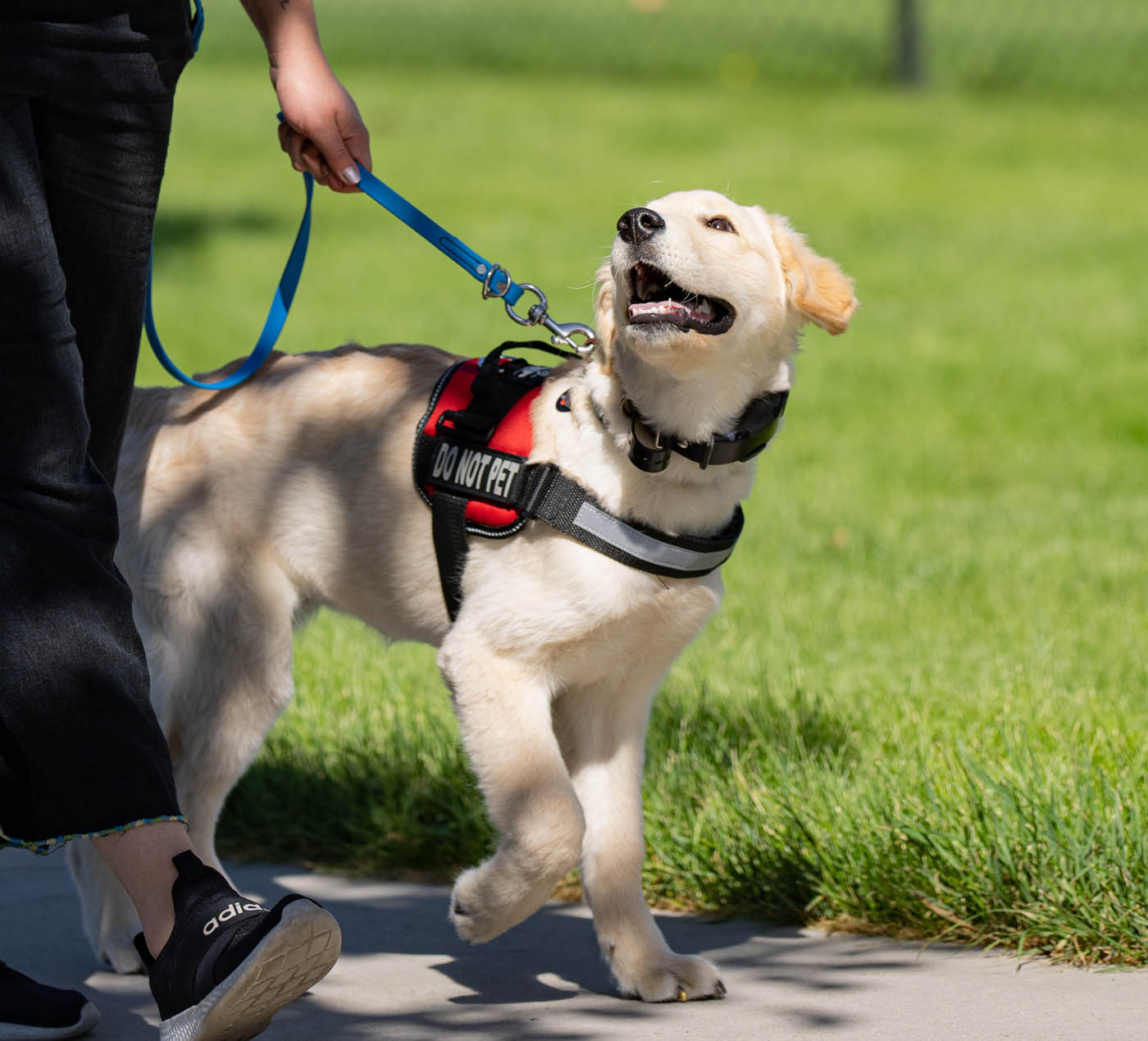
Image Source: dogtrainingelite.com
Michigan Service Animal Laws Explained
A service dog is a dog trained to do specific tasks for a person with a disability. These tasks must be directly related to the person’s disability. For example, a service dog might guide a person who is blind. Or it might alert a person to low blood sugar. These dogs are not just pets. They are working animals.
What are Michigan service animal laws? Michigan service animal laws generally follow federal rules. The main federal law is the Americans with Disabilities Act (ADA). The ADA protects people with disabilities. It ensures they can use service animals in public places. Michigan also has its own law, the Persons with Disabilities Civil Rights Act. This state law offers similar protections. It says that a person with a disability has the right to be accompanied by a service dog in any public place. This includes stores, restaurants, and other places where the public can go. These laws let service dogs go almost anywhere their handler can go.
Public access service dog laws are very important. Under the ADA, businesses cannot refuse entry to a person with a service dog. They can only ask two questions:
1. Is the dog a service animal required because of a disability?
2. What work or task has the dog been trained to do?
They cannot ask about your disability. They cannot ask for papers or special IDs for the dog. They also cannot ask the dog to show its task. Service dogs can be any breed or size. If a service dog acts out of control, or if it is not house-trained, a business can ask the handler to remove the dog.
Emotional support animal vs service dog Michigan: This is a common question. It is important to know the difference.
* Service Dogs: These dogs are trained to do specific tasks that help with a disability. They have public access rights under the ADA and Michigan law.
* Emotional Support Animals (ESAs): These animals provide comfort just by being there. They do not need special training to perform tasks. ESAs do not have the same public access rights as service dogs. Businesses can deny ESAs entry. However, ESAs do have rights under the Fair Housing Act for housing. They can live with their owner even if there are “no pets” rules. Airlines also have rules about ESAs, but these have changed. Most airlines now treat ESAs as pets.
How To Qualify For A Service Animal
How to qualify for a service animal? To qualify for a service animal, two main things must be true.
1. You must have a disability. This means a physical or mental impairment that greatly limits one or more major life activities. The ADA defines this broadly. Examples include seeing, walking, breathing, learning, and caring for oneself.
2. The dog must be trained to do work or tasks for you. This work or tasks must directly relate to your disability. For example, a dog that picks up dropped items for someone who uses a wheelchair. Or a dog that calms someone during a panic attack.
It is not enough to simply feel better when a dog is near. The dog must perform a specific action or set of actions. These actions must help you manage your disability. Your doctor or mental health professional can help say if your condition counts as a disability. They can also say if a service dog would help you.
Psychiatric Service Dog Requirements
What are psychiatric service dog requirements? A psychiatric service dog (PSD) helps someone with a mental health disability. Just like other service dogs, PSDs must be trained to do specific tasks. These tasks must help with a mental health condition. This condition must meet the definition of a disability under the ADA.
Examples of tasks a PSD might perform include:
* Interrupting harmful behaviors: Like licking hands during an anxiety attack.
* Providing deep pressure therapy (DPT): Lying on someone’s chest to calm them during panic.
* Finding an exit: Guiding someone out of a crowded place during sensory overload.
* Waking from nightmares: Waking someone from a night terror.
* Retrieving medication: Bringing a specific medicine.
* Blocking or circling: Creating space around a handler in crowded areas.
* Grounding: Helping a handler return to reality during a dissociative episode.
* Alerting to sounds: For someone with PTSD who is easily startled.
A PSD is not an emotional support animal. An ESA simply provides comfort. A PSD performs specific tasks to lessen the effects of a mental health disability. A licensed mental health professional usually diagnoses the disability. They can also recommend a service dog.
Steps to Acquiring a Service Dog
Getting a service dog takes time and effort. Here are the general steps:
- Doctor or Specialist Visit: First, talk to your doctor or a specialist. They can confirm your disability. They can also say if a service dog would be a good fit for your needs.
- Research Service Dog Types: Learn about different types of service dogs. Some dogs help with mobility. Others help with hearing or mental health.
- Choose a Path: Decide how you want to get your service dog. You can get one from a training program. Or you can train one yourself. Each path has pros and cons.
- Application Process: If using a program, you will fill out an application. This often involves medical forms and interviews.
- Training Period: This can take one to two years. It depends on the dog and the tasks it needs to learn.
- Placement or Owner-Training: If using a program, you will be matched with a dog. If owner-training, you will be working with a trainer.
- Public Access Test (Optional but Recommended): Some groups offer public access tests. This helps make sure the dog is ready for public places.
Accredited Service Dog Organizations
Who are accredited service dog organizations? These are groups that meet high standards for training service dogs. The main accrediting bodies are Assistance Dogs International (ADI) and the International Guide Dog Federation (IGDF). ADI sets strict rules for how service dogs are trained and placed. They ensure dogs are well-trained and suitable for public access.
Benefits of using ADI/IGDF organizations:
* Quality Assurance: You know the dog is well-trained and has passed strict tests.
* Expert Matching: They match you with a dog that fits your specific needs and lifestyle.
* Ongoing Support: Many offer support after placement. This includes follow-up visits and help with any issues.
* Legal Confidence: Dogs from these groups are clearly service animals. This can make public access easier.
Disability assistance dog application: The application process for these organizations is often long.
1. Initial Inquiry: You might fill out a short form online.
2. Detailed Application: If you seem like a good fit, you will get a longer application. This asks about your disability, home life, and needs.
3. Medical Documentation: You will need letters from doctors or therapists. These letters confirm your disability and the need for a service dog.
4. Interviews: Staff will likely interview you by phone or in person. They want to learn more about you.
5. Home Visit: Some organizations do a home visit. They check if your home is suitable for a service dog.
6. Waiting List: After approval, you go on a waiting list. This can be very long, sometimes years.
7. Team Training: Once a dog is ready, you will spend time at the facility. You learn how to work with your new dog. This is called “team training.”
Here are some types of organizations and what they might provide:
| Organization Type | Services Provided | Focus |
|---|---|---|
| Guide Dog Schools | Guide dogs for people with vision loss | Mobility and navigation for blind individuals |
| Hearing Dog Schools | Hearing dogs for deaf or hard-of-hearing people | Alerting to sounds like alarms, doorbells, names |
| Mobility Assistance Dog Orgs | Dogs for people with physical disabilities | Retrieving, opening doors, bracing for balance |
| Psychiatric Service Dog Orgs | Dogs for mental health disabilities (e.g., PTSD, anxiety) | Task work related to mental health symptoms |
| Diabetes Alert Dog Orgs | Dogs that alert to changes in blood sugar levels | Medical alert and response |
| Seizure Response Dog Orgs | Dogs that assist during or after a seizure | Alerting, providing comfort, getting help |
Many of these organizations are non-profit. They often rely on donations. Their goal is to provide dogs at a low cost or for free to those who need them.
Training a Service Dog in Michigan
Can I train a service dog in Michigan? Yes, you can train your own service dog in Michigan. The ADA allows for owner-training. You do not need to use a professional trainer or program. However, owner-training is a huge task. It takes a lot of time, effort, and knowledge.
Owner-training vs. professional training:
- Owner-Training:
- Pros: You control the training process. You can tailor tasks exactly to your needs. It can be less costly upfront. You bond deeply with your dog from the start.
- Cons: Very time-consuming. Requires deep knowledge of dog training. You must be strict and consistent. You need to know all ADA rules. High risk of failure if not done correctly. The dog may not meet public access standards.
- Professional Training:
- Pros: Dogs are trained by experts. High success rate. Dogs come with solid public access skills. Organizations often offer support after placement.
- Cons: Very expensive. Long waiting lists. Less control over dog choice.
Stages of training a service dog in Michigan:
No matter how you train, a service dog goes through several stages:
- Puppy Selection: Choose a dog with the right temperament. It should be calm, smart, and eager to please. Not all dogs are suited to be service dogs.
- Basic Obedience: The dog must master basic commands. These include sit, stay, come, down, heel, and polite leash walking. This is the foundation.
- Advanced Obedience: The dog learns to obey commands even with distractions. It learns to ignore food on the ground. It learns to stay calm around other animals and people.
- Public Access Training: This is key. The dog must behave perfectly in public. It must not sniff items, beg for food, or bother people. It must lie quietly under a table. This training teaches the dog to be “invisible” in public.
- Task Training: This is where the dog learns specific tasks related to your disability. This part is highly personalized. It can take many hours.
- Proofing: Training happens in many different places. This makes sure the dog can do its job no matter where it is. It helps the dog generalize its skills.
It’s wise to work with a professional service dog trainer if you owner-train. They can guide you. They can help with public access training. They can also ensure your dog learns needed tasks. Look for trainers with experience in service dog work. Check their certifications.
Cost of Service Dog Training and Beyond
What is the cost of service dog training? The cost of a service dog varies a lot. It depends on how you get the dog. It also depends on the dog’s type and training needs. This is a major factor for many people.
| Cost Category | Program-Trained Dog (Estimate) | Owner-Trained Dog (Estimate) | Notes |
|---|---|---|---|
| Dog Acquisition | Included in program fee (often) | \$500 – \$5,000+ | Purchase price of a puppy or adult dog. |
| Training (Initial) | \$15,000 – \$50,000+ | \$1,000 – \$20,000+ | Program fees cover all training. Owner-training costs include classes, private lessons, materials. |
| Certification/Testing | Included in program fee (often) | \$100 – \$500 | Public Access Test fees. (Optional but recommended) |
| Food (Annual) | \$500 – \$1,000+ | \$500 – \$1,000+ | High-quality dog food. |
| Vet Care (Annual) | \$500 – \$1,500+ | \$500 – \$1,500+ | Check-ups, vaccinations, flea/tick prevention, unexpected illness. |
| Supplies (Annual) | \$200 – \$500 | \$200 – \$500 | Leashes, vests, toys, grooming supplies. |
| Insurance (Optional) | \$300 – \$700 (Annual) | \$300 – \$700 (Annual) | Pet insurance for accidents or illnesses. |
| Refresher Training (Annual) | \$0 – \$500 (often included) | \$200 – \$1,000+ | Keeping skills sharp, especially for owner-trained dogs. |
| Total Initial Cost | \$15,000 – \$50,000+ | \$1,500 – \$25,000+ | Program costs are higher upfront but often include ongoing support. |
| Total Annual Maintenance | \$1,000 – \$3,000+ | \$1,000 – \$3,000+ | Ongoing costs are similar for both. |
Breakdown of costs:
- Purchase of the Dog: If you owner-train, you need to buy a suitable puppy or dog. This can range from a few hundred dollars to several thousand. High-quality breeds with good health and temperament can be more expensive.
- Professional Training Programs: These are the most expensive option upfront. Costs can range from \$15,000 to over \$50,000. These fees cover breeding, raising, and intense training of the dog. They also cover matching and handler training. Many programs are non-profit and rely on donations. This helps them provide dogs at a much lower cost to recipients, sometimes only a small fee.
- Owner-Training Costs: While cheaper upfront, owner-training still has costs.
- Classes and Private Lessons: Working with a professional trainer can cost \$100 to \$300 per hour. Group classes are less. You might need many hours of lessons over 1-2 years.
- Training Equipment: Special vests, harnesses, and training tools.
- Time: Your time is a huge investment. Many hours go into training every day.
- Ongoing Costs: No matter how you get your dog, you will have regular costs.
- Food: Service dogs need high-quality food.
- Veterinary Care: Vet check-ups, vaccinations, and unexpected medical needs. This can be thousands of dollars if a major illness or injury occurs.
- Supplies: Leashes, collars, crates, beds, toys.
- Grooming: Professional grooming or supplies for at-home grooming.
It’s vital to plan for these ongoing costs. A service dog is a long-term commitment. They can live 10-14 years.
Michigan Service Dog Grant Programs
Are there Michigan service dog grant programs? Yes, there are ways to get help with service dog costs. Many non-profit organizations offer financial aid. This aid can be in the form of grants or sponsored dogs. These programs help people in Michigan afford a service dog.
Here are ways to find help:
-
Non-Profit Service Dog Organizations: Many of the accredited service dog organizations (ADI members) are non-profit. They raise money through donations. This allows them to provide dogs to people with disabilities at a much lower cost. Sometimes, the cost to the recipient is only a few thousand dollars, or even free. The large fees listed above are what it costs them to train the dog, not always what you pay. When applying to these groups, ask about their fee structure and financial aid.
-
National Grant Programs: Several national foundations offer grants for service dogs. They may help people in Michigan. You apply directly to these foundations.
- Assistance Dogs International (ADI): While they are an accrediting body, many of their member organizations have fundraising programs to help recipients.
- Working Dog, Inc.: This non-profit helps people get financial aid for service dogs.
- Dog Wish: A foundation that helps veterans and others get service dogs.
- The Assistance Dog United Campaign (ADUC): Connects people with grants and fundraising resources.
-
State-Specific Resources (Michigan):
- Look for local charities or community foundations in Michigan. Some might offer grants for assistive technology or animals.
- Contact disability advocacy groups in Michigan. They may know of local funding sources.
- Some state departments, like the Michigan Department of Health and Human Services, might have resources or direct you to specific programs.
-
Fundraising: Many people raise money themselves.
- Crowdfunding: Websites like GoFundMe or YouCaring allow you to share your story and raise money.
- Community Events: Hold bake sales, car washes, or other local events.
- Personal Outreach: Ask friends, family, and local businesses for donations.
When looking for grants, always be careful. Check the legitimacy of any organization. Legitimate groups will not ask for large upfront fees to “reserve” a grant.
Living with a Service Dog
Getting a service dog is just the first step. Living with one brings both joys and responsibilities.
Public access tips:
* Know Your Rights: Be familiar with ADA and Michigan laws. This helps you calmly explain your rights if questioned.
* Carry Information (Optional): Some handlers carry a card with ADA information. This is not required but can be helpful.
* Service Dog Vest: A vest helps identify your dog as a working animal. This can prevent questions, though it’s not legally required.
* Keep Your Dog Healthy: A well-groomed, healthy dog is less likely to cause issues.
* Practice Public Access: Even after training, keep practicing in different environments. This keeps your dog sharp.
* Advocate Calmly: If a business owner challenges you, remain calm. Explain your rights clearly.
Housing and employment rights:
* Housing: Under the Fair Housing Act, landlords must make “reasonable accommodations” for service animals. This means they cannot deny you housing because of your service dog. They cannot charge pet fees or extra deposits for a service dog. This applies even if they have a “no pets” policy.
* Employment: The ADA also applies to workplaces. Employers must provide “reasonable accommodations” for employees with disabilities. This can include allowing a service dog at work. You must be able to perform your job duties with or without the accommodation.
Ongoing care and responsibilities:
* Health: Regular vet visits, proper diet, exercise, and grooming.
* Training: Continued training and practice of tasks and public access skills. A service dog’s training is never truly “done.”
* Behavior: Monitor your dog’s behavior. Address any issues quickly. A well-behaved service dog is key to successful public access.
* Socialization: While working, service dogs must be focused. But they still need downtime and appropriate socialization.
* Retirement: Service dogs eventually retire. This is often due to age or health. Plan for your dog’s retirement and for getting a new service dog.
What to Avoid
Be very careful during your search for a service dog. There are traps to avoid.
- Scams and Fake Registrations: There is no official federal service dog registry. Websites that offer “official” service dog certification, registration, or IDs for a fee are often scams. These documents have no legal standing. Your dog’s status comes from its training and your disability, not a piece of paper.
- Misrepresenting an Animal: Do not try to pass off a pet or an emotional support animal as a service dog. This is illegal in Michigan. Michigan has a law (MCL 750.84h) making it a misdemeanor to falsely claim an animal is a service animal. This hurts people with true disabilities. It also makes it harder for legitimate service dog teams.
- Poorly Trained Animals: An untrained or poorly trained dog can cause problems. It can be denied public access. It can also put you and others at risk. Make sure your dog is thoroughly trained, especially in public access.
- Quick Fix Solutions: There are no shortcuts to getting a trained service dog. Be wary of anyone promising a fully trained service dog in a few weeks. Proper training takes a year or more.
Frequently Asked Questions
Q: Can I take my service dog to a restaurant in Michigan?
A: Yes, under the ADA and Michigan law, service dogs are allowed in restaurants. They can go anywhere the public is allowed to go. They must be under your control and house-trained.
Q: Do I need a special vest or ID for my service dog in Michigan?
A: No, neither a vest nor an ID is legally required for your service dog. However, a vest can help identify your dog as a working animal and may reduce questions from the public.
Q: How long does it take to get a service dog from an organization?
A: It can take a long time, often 1-3 years or even longer. This includes the application process, waiting list, dog training, and team training.
Q: Can a landlord refuse my service dog in Michigan?
A: No, under the Fair Housing Act, landlords must allow service animals as a reasonable accommodation. They cannot charge pet fees or extra deposits for a service dog.
Q: What is the age requirement for a service dog?
A: There is no legal age requirement. However, most service dog programs start training puppies between 8 weeks and 6 months old. They are usually placed with handlers when they are 1.5 to 2 years old. Owner-trained dogs should also be mature enough to handle complex tasks and public access.
Q: Is it legal for a business to ask me for proof of my disability or my service dog’s training?
A: No. Under the ADA, a business can only ask two specific questions: 1) Is the dog a service animal required because of a disability? 2) What work or task has the dog been trained to perform? They cannot ask for documentation, ask about your disability, or ask the dog to demonstrate its tasks.
Q: What if my service dog gets sick or can no longer perform its duties?
A: You are responsible for your service dog’s health and care. If it can no longer perform its tasks due to age, illness, or injury, it may need to retire. You would then need to consider acquiring a new service dog.
Final Thoughts
Getting a service dog is a profound step towards greater independence. It takes patience, research, and commitment. Whether you choose to work with an accredited organization or train your own dog, the journey is rewarding. Always keep the dog’s well-being and proper training at the forefront. Knowing the laws and planning for costs will help you succeed. Your service dog can become a truly life-changing partner.