
How long does dog surgery take? Dog surgery times vary greatly. A quick answer is that a pet procedure length can range from about 30 minutes to several hours. It depends on many things. These include the type of operation, your dog’s health, and the vet’s plan. This guide will walk you through the full vet surgery timeline dogs go through.
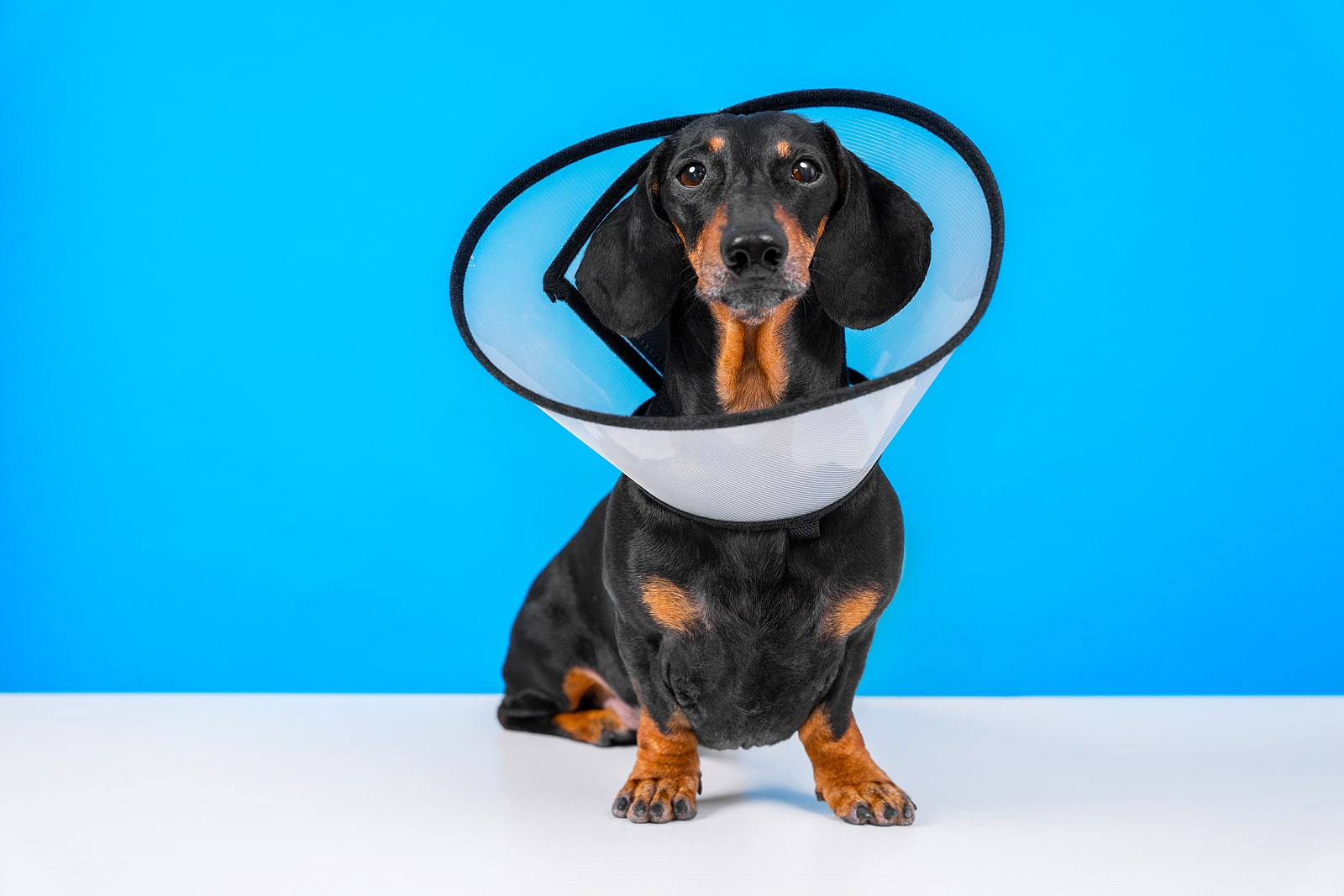
Image Source: octanecdn.com
Grasping the Vet Surgery Timeline for Dogs
When your dog needs surgery, it can feel scary. You might wonder, “How many hours is dog surgery?” The total time your dog is at the vet clinic often includes more than just the surgery itself. It covers check-in, prep, the operation, and recovery.
A typical vet visit for surgery usually means dropping your dog off in the morning. Then, you pick them up later that day, often in the late afternoon or evening. For complex cases, your dog might stay overnight. Knowing each step helps you feel more at ease.
The Phases of Dog Surgery: A Detailed Look
Dog surgery is not just one moment. It has clear steps. Each step plays a key role in the overall time and safety. We will look at these steps closely.
Phase 1: Vet Surgery Prep Time for Dogs
Before your dog even goes into the operating room, much work happens. This part is vital for safety and success. This dog surgery prep time can add to the total time your dog spends at the clinic. It usually takes about 30 minutes to an hour. But it can be longer for more complex cases.
- Arrival and Check-in:
- You bring your dog to the clinic. The vet team checks them in. They ask you about your dog’s health that day. They also confirm the surgery plan. This first step usually takes 10-15 minutes.
- Pre-Anesthetic Exam:
- A vet or vet tech does a quick physical exam. They listen to your dog’s heart and lungs. They check their breathing and temperature. This is to make sure your dog is ready for anesthesia. This check usually takes 5-10 minutes.
- Blood Tests:
- Many vets do blood tests before surgery. These tests check your dog’s organ health. They look for problems that could make anesthesia risky. They also help choose the best anesthesia plan. Drawing blood and running tests can take 15-30 minutes, or longer if sent to an outside lab.
- Giving Pre-Medications:
- Your dog gets medicines before anesthesia. These calm your dog. They also help reduce pain after surgery. Some medicines may also help with anesthesia side effects. These shots or pills are given. It takes a few minutes for them to start working. This wait time is part of the prep phase.
- Placing an IV Catheter:
- A small tube is placed in a vein, usually in a leg. This tube is called an IV catheter. It allows the vet team to give fluids, medicines, and anesthesia easily. It also gives quick access in an emergency. Placing it takes about 5-10 minutes.
- Shaving and Cleaning the Surgery Site:
- The area where surgery will happen is shaved. This removes hair. Hair carries germs. Then, the skin is cleaned very well with special soaps. This lowers the risk of infection. This step can take 10-20 minutes, depending on the area.
Phase 2: The Canine Operation Length
This is the main part. It is the actual time your dog is under anesthesia and the vet performs the surgery. The average dog surgery duration varies hugely here. It can be quite short for simple tasks. Or it can be very long for complex repairs.
Let’s look at common operations and their general lengths.
Routine Canine Operations: Quick Procedures
Many surgeries are common and often quick. These usually take less than an hour of actual surgical time.
- Spay Surgery Duration Dog (Female Sterilization):
- A spay removes a female dog’s uterus and ovaries. This stops them from getting pregnant.
- For a young, healthy dog, a routine spay often takes 30 to 60 minutes.
- Factors that might make it longer:
- Dog’s Size: Larger dogs have more tissue.
- Heat Cycle/Pregnancy: Being in heat or pregnant makes the surgery harder. Blood vessels are larger and bleed more. This can add 15-30 minutes or more.
- Age: Older dogs may have more fat or other health issues.
- Neutering Surgery Time Dogs (Male Sterilization):
- A neuter removes a male dog’s testicles. This stops them from fathering puppies.
- For most male dogs, neutering surgery time dogs usually takes 20 to 40 minutes.
- Factors that might make it longer:
- Dog’s Size: Bigger dogs take a bit longer.
- Cryptorchidism: This is when one or both testicles are not in the scrotum. They might be in the belly. This needs a belly surgery, making the operation much longer. It can add 30-60 minutes or more.
- Dog Dental Surgery Length:
- Dental work is very common. It involves cleaning teeth and removing bad ones.
- A simple dental cleaning might take 45 to 90 minutes.
- If many teeth need to be pulled, or if there is severe gum disease, the dog dental surgery length can stretch to 2 to 3 hours or even longer. X-rays are also part of this process, adding to the time.
- Small Mass Removal:
- Removing a small lump or skin tag.
- This often takes 20 to 45 minutes.
- If the mass is deeper or in a tricky spot, it can take longer.
Here’s a quick look at average times for routine surgeries:
| Procedure Type | Average Surgical Time (Rough Estimate) | Notes |
|---|---|---|
| Routine Male Neuter | 20-40 minutes | Can be longer for cryptorchid (undescended testicle) cases |
| Routine Female Spay | 30-60 minutes | Longer if in heat, pregnant, or larger dog |
| Simple Dental Cleaning | 45-90 minutes | Much longer with extractions or severe disease |
| Small Skin Mass Removal | 20-45 minutes | Depends on location and depth |
Complex or Non-Routine Pet Procedure Length
Some surgeries are much more involved. They take more skill and more time. These can range from one hour to several hours.
- Foreign Body Removal (Belly Surgery):
- If a dog eats something harmful, like a toy or a sock, it can get stuck. Surgery is needed to remove it from the stomach or intestines.
- This often takes 1 to 2 hours.
- If the intestine is damaged or if there are many foreign bodies, it can take 2.5 to 4 hours.
- Orthopedic Surgery (Bone and Joint Repair):
- These include fixing broken bones (fractures) or repairing knee ligaments (like ACL tears).
- These surgeries are very detailed. They often use special tools, pins, plates, or screws.
- Orthopedic procedures can take 1.5 to 3 hours or even more. A complex fracture could take 4-6 hours.
- Bladder Stone Removal (Cystotomy):
- Removing stones from the bladder.
- This typically takes 1 to 1.5 hours.
- If there are many stones or if they are hard to get out, it can be longer.
- Tumor Removals (Advanced):
- Removing large tumors or those in tricky spots (like inside the body).
- These operations can take 1 to 3 hours.
- If they involve complex reconstruction or are near vital organs, they can be even longer.
- Emergency Surgeries:
- These are often fast-paced but can still take a long time. Examples include gastric torsion (bloat), severe trauma, or internal bleeding.
- The surgery time itself can range from 1 hour to 3 or more hours, depending on the injury. The speed comes from getting the dog ready fast, not always from a quick operation.
Deciphering Dog Anesthesia Duration
This is a key part of the “how many hours is dog surgery” question. The dog anesthesia duration starts before the first cut and ends when the dog is fully awake. It is longer than just the operation time.
Your dog is under anesthesia for the entire surgical procedure. But they also spend time under anesthesia for the prep and early recovery phase.
- Induction: Your dog gets an injection to go to sleep. This takes a few minutes.
- Maintenance: Once asleep, a breathing tube is placed. Your dog gets gas anesthesia to stay asleep. This is for the entire canine operation length.
- Monitoring: Throughout, the vet team closely watches your dog’s heart rate, breathing, blood pressure, and oxygen levels. They use special machines. This careful watch adds to the safety.
- Wake-up: Once surgery is done, the gas is turned off. Your dog slowly wakes up. This can take 15 to 45 minutes, sometimes longer for complex or long procedures.
- Total Anesthesia Time: For a 30-minute surgery, your dog might be under anesthesia for 45-75 minutes. For a 2-hour surgery, they might be under for 2.5-3 hours. This extra time is crucial for safety and a smooth recovery.
Factors That Influence Overall Surgery Time
While we have given average dog surgery duration times, many things can change them. These factors help explain why one dog’s surgery might take longer than another’s, even for the same type of procedure.
Dog’s Health and Age
- Pre-Existing Conditions: If your dog has other health problems (heart, kidney, liver disease), the vet team might go slower. They will take extra steps to keep your dog safe. This can add time.
- Age: Very old or very young dogs need more care. Older dogs may have slower organ function. Puppies have less developed systems. Both need careful monitoring, which can make the process take longer.
- Overall Condition: A dog that is very sick or weak before surgery may need more support during the procedure. This could include extra fluids or specific drugs.
Dog’s Size and Breed
- Size: Larger dogs generally have bigger body parts and more tissue. This means more time for shaving, cleaning, and stitching. A spay on a 100-pound dog will take longer than on a 10-pound dog.
- Breed: Some breeds have unique body shapes or health issues. For example, brachycephalic breeds (flat-faced dogs like bulldogs or pugs) can have breathing problems. They need very careful anesthesia. This can extend the dog anesthesia duration and recovery time.
Complexity of the Case
- Severity of Condition: A simple broken bone versus a bone shattered into many pieces will have different surgery times. A small, easy-to-reach tumor versus a large, deep one will also vary greatly.
- Unexpected Findings: Sometimes, during surgery, the vet finds something new. For example, during a spay, they might find an unusual growth on the uterus. This could mean changing the plan, which adds time.
- Scar Tissue/Adhesions: If a dog has had surgery in the same area before, there might be scar tissue. This makes the new surgery harder and longer.
The Veterinary Team’s Experience
- Surgeon’s Skill: An experienced surgeon may perform a common procedure more quickly and smoothly. However, even skilled vets will take their time for complex cases. Speed is less important than safety and precision.
- Support Staff: A well-trained team of vet techs and assistants makes the whole process smoother. They help with prep, monitoring, and recovery. A strong team can make the overall vet surgery timeline dogs go through more efficient.
What Happens Right After Surgery?
Once the surgery is done, your dog moves into the recovery phase. This part is just as important as the surgery itself.
- Immediate Wake-up: Your dog is moved to a recovery area. The vet team closely watches them as they wake from anesthesia. They keep them warm and comfortable. They also check vital signs often. This part can take 30 minutes to several hours.
- Pain Management: Your dog will get pain medicine to keep them comfortable. This can be shots or pills. The vet team watches for signs of pain.
- Monitoring and Comfort: Your dog stays in a quiet, safe spot. They are watched for any problems like vomiting, bleeding, or issues with breathing.
- Discharge: Once your dog is awake and stable, the vet or a vet tech will call you. They will set a time for you to pick up your dog. They will give you clear instructions for care at home. This includes medicine schedules, wound care, and activity limits.
The total time from drop-off to pick-up at the clinic can be anywhere from 4 hours for a routine spay/neuter to 8-10 hours or more for complex surgeries. Sometimes, for very serious operations, dogs need to stay overnight or even for a few days for intensive care.
How Many Hours Is Dog Surgery? A Summary Table
Here’s a summary of the typical total time at the clinic, from drop-off to pick-up, for various procedures. Remember, these are averages.
| Procedure Type | Surgical Time (Approx.) | Total Clinic Stay (Approx.) | Notes |
|---|---|---|---|
| Routine Male Neuter | 20-40 minutes | 4-6 hours | Often go home same day. |
| Routine Female Spay | 30-60 minutes | 4-8 hours | Often go home same day. Longer if in heat/pregnant. |
| Simple Dental Cleaning | 45-90 minutes | 5-8 hours | May be longer if many extractions. |
| Small Mass Removal | 20-45 minutes | 4-6 hours | Depends on location and needed aftercare. |
| Foreign Body Removal | 1-2 hours | 6-12 hours (or overnight) | Often requires overnight stay for monitoring. |
| Orthopedic Surgery | 1.5-3+ hours | 8-24+ hours (or multiple days) | Often requires overnight or extended hospital stay. |
| Bladder Stone Removal | 1-1.5 hours | 6-12 hours (or overnight) | May need overnight stay for fluid therapy and monitoring. |
Pet Procedure Length: Crucial Conversations with Your Vet
Knowing the typical average dog surgery duration helps. But the best way to get a clear answer is to talk to your vet. Before your dog’s surgery, your vet team should give you a full plan.
Ask these questions:
- “How long do you expect the actual surgery to take for my dog?” This helps you know the canine operation length.
- “How long will my dog be under dog anesthesia duration?” This covers the full time under sedation.
- “What is the typical dog surgery prep time for this procedure?”
- “When can I expect to hear from you after the surgery?”
- “When can I pick up my dog, and what should I expect for home care?”
- “Will my dog need to stay overnight?”
Your vet can give you specific times based on your dog’s exact case. They can also explain any possible delays or risks.
Final Thoughts: Prioritizing Pet Safety Over Speed
While you might be eager to know how long dog surgery takes, remember that speed is not the main goal. The vet’s main aim is your dog’s safety and a successful outcome. The time it takes reflects the care, precision, and thoroughness involved.
From the first vet surgery prep time for dogs to the moment your dog is fully recovered, every step is important. Trust your vet team. They work hard to make sure your beloved pet gets the best care.
Frequently Asked Questions (FAQ)
How many hours is dog surgery usually, from drop-off to pick-up?
For common procedures like spay or neuter, your dog might be at the clinic for 4 to 8 hours total. This includes prep, surgery, and recovery. For more complex surgeries, it can be 8 hours or longer, sometimes needing an overnight stay.
What is the typical spay surgery duration dog owners should expect?
The actual surgical time for a routine spay is usually 30 to 60 minutes. But the full process, including anesthesia and recovery, means your dog will be at the clinic for several hours.
How long is dog anesthesia duration for a standard surgery?
Your dog will be under anesthesia for the entire surgical time, plus additional time for safe induction and wake-up. For a 30-minute surgery, a dog might be under anesthesia for 45 to 75 minutes.
Does the average dog surgery duration change for bigger dogs?
Yes, generally, larger dogs take a bit longer for surgery. They have more tissue to work through, which means more time for shaving, cleaning, and stitching.
What affects the neutering surgery time dogs undergo?
Neutering surgery usually takes 20 to 40 minutes for the actual procedure. It can take longer if the dog is large or if one or both testicles are undescended (a condition called cryptorchidism), which needs more complex surgery.
Why does dog dental surgery length vary so much?
Dog dental surgery length can range from 45 minutes to over 3 hours. It depends on how much dental cleaning is needed and how many teeth need to be pulled. X-rays and removing many diseased teeth add a lot of time.
Is a longer pet procedure length riskier for my dog?
Not always. A longer procedure often means a more complex condition is being treated. While longer anesthesia does carry slightly more risk, vets take extra steps to monitor your dog closely. The best vets focus on safety and precision, not just speed.
What does dog surgery prep time include?
Dog surgery prep time covers everything before the actual cutting starts. This includes check-in, physical exam, blood tests, giving pre-sedation medicines, placing an IV catheter, and shaving and cleaning the surgery area. This can add 30-60 minutes before the operation begins.
What is the vet surgery timeline dogs go through if they need an emergency surgery?
For emergencies, the prep time is often shortened. The focus is on getting the dog stable and into surgery as fast as possible. The actual operation time then varies a lot based on the emergency. Total clinic stay for emergency surgeries is often longer, as more intensive monitoring is needed afterward.