
How To Get A Service Dog For Pots: A Comprehensive Guide
A POTS assistance dog is a special dog trained to help people with Postural Orthostatic Tachycardia Syndrome (POTS). Yes, you can get a service dog for POTS. These dogs perform specific tasks to help manage symptoms. Anyone whose POTS symptoms greatly limit their daily life may qualify for a dysautonomia service animal. These dogs offer big help. They make life safer and easier.
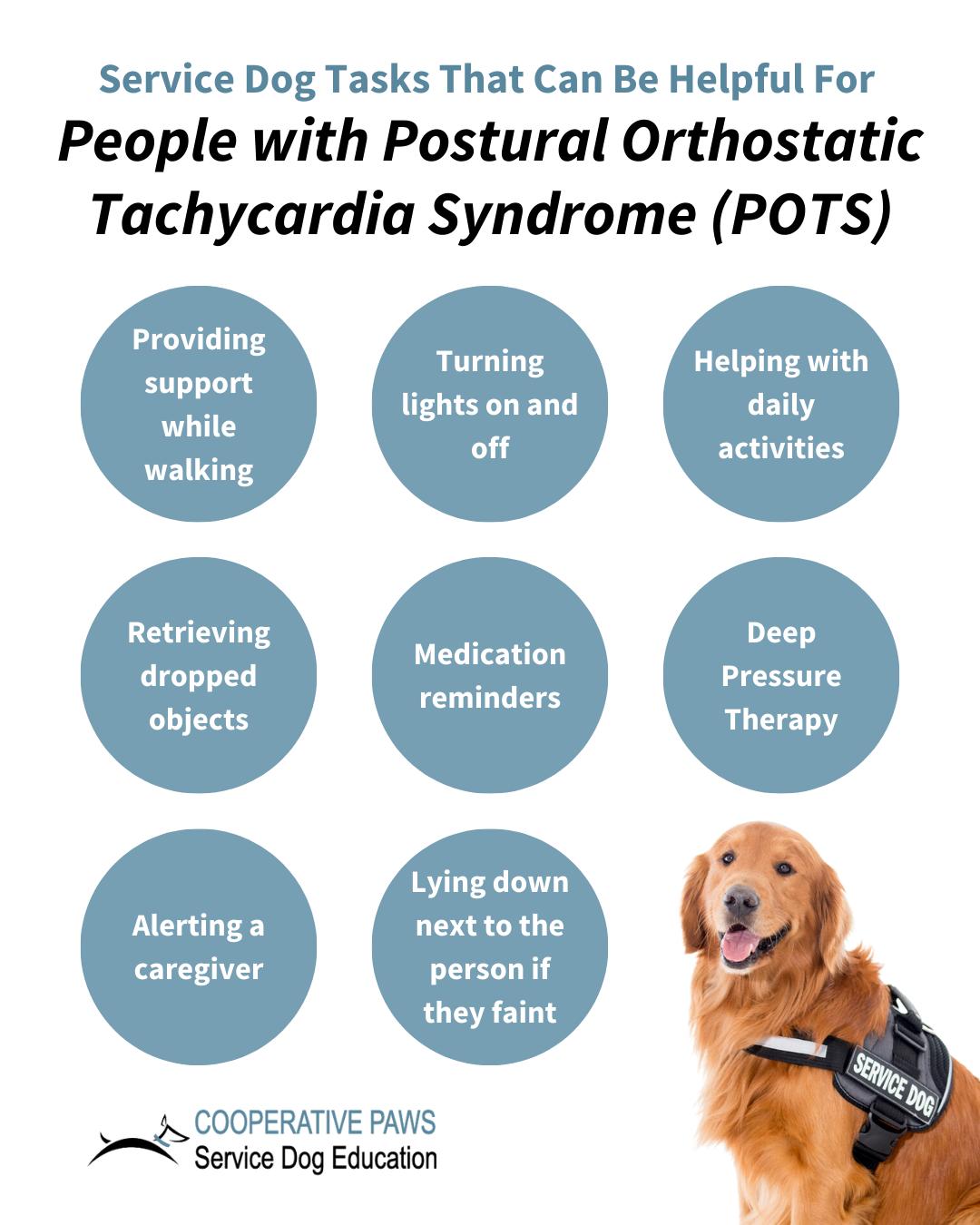
Image Source: cooperativepaws.com
Grasping the Role of a POTS Service Dog
Living with POTS can be tough. It changes how you live every day. A trained service dog can make a huge difference. They offer support that human helpers cannot always give. This guide will show you how to get such a helpful friend.
What is POTS?
POTS stands for Postural Orthostatic Tachycardia Syndrome. It is a problem with the body’s automatic systems. These systems control things like heart rate, blood pressure, and digestion. For people with POTS, their heart rate often jumps when they stand up. This can cause many problems.
Common signs of POTS include:
* Feeling dizzy or lightheaded.
* Fainting.
* Feeling very tired.
* Heart beating too fast.
* Brain fog (trouble thinking clearly).
* Shaking or trembling.
* Chest pain.
* Nausea.
These signs can make simple tasks hard. They can stop you from doing things you love. This is where a service dog can step in.
The Vital Support of a POTS Assistance Dog
A service dog is more than just a pet. It is a working animal. These dogs are specially trained to do tasks that help a person with a disability. For someone with POTS, these tasks directly help with their symptoms. They help keep the person safe and independent.
A dysautonomia service animal is a type of service dog. Dysautonomia is a group of conditions where the automatic nervous system does not work right. POTS is one type of dysautonomia. So, a service dog for POTS is a specific kind of dysautonomia service animal.
These dogs are not just for comfort. They do real, life-saving work. This is why they are allowed in public places where pets are not. They are workers. They are a part of their human’s medical care team.
Essential Tasks a POTS Service Dog Performs
A medical alert dog for POTS can sense changes in your body. They can warn you before a bad spell hits. This is often the most important task. But they do much more. The service dog tasks for POTS are varied. They help with many aspects of living with the condition.
Here are key tasks these dogs can do:
- Alerting to Blood Pressure or Heart Rate Changes: A dog can be trained to sense changes in your body. This includes drops in blood pressure or a fast heart rate. They might nudge you, paw at you, or lie on you. This gives you time to sit down or take medicine. This early warning can stop a faint or make it less severe.
- Deep Pressure Therapy (DPT): The dog puts their weight on your lap or chest. This firm, gentle pressure can help calm the nervous system. It can help reduce a racing heart or shaking. It often helps lower anxiety during a POTS flare.
- Retrieving Items: When you feel weak or dizzy, picking something up is hard. A dog can pick up fallen keys, a phone, water, or medicine. They can bring you your emergency kit. This keeps you from bending down and risking a fall.
- Bracing and Stability: If you feel faint, the dog can stand firm. You can lean on them for support. This helps you stay steady. They can help you get up from a seated position too. This prevents falls.
- Finding Help: If you faint or cannot move, the dog can go get help. They can bark to alert others. They can lead someone to you. This is very important for safety.
- Crowd Control/Creating Space: In busy places, it is easy to feel overwhelmed. The dog can walk close to you. This creates a small space around you. It stops others from getting too close. This helps reduce sensory overload.
- Carrying Items: Some dogs can wear a special vest with pockets. They can carry things like water, medication, or your ID. This saves you from carrying extra weight.
- Medication and Hydration Reminders: Dogs can be trained to remind you to take your medicine or drink water. This is vital for managing POTS. They might nose your hand or bring you your water bottle.
These tasks show that a POTS service dog is a true partner. They provide help that lets people with POTS live a fuller, safer life.
Benefits of Having a POTS Service Dog
Having a POTS assistance dog brings many good things. It changes daily life for the better. The service dog benefits POTS patients in many ways.
- More Freedom: With a service dog, you can go out more often. You feel safer doing daily tasks. This means you can do more things you want to do. You can live your life with more freedom.
- Increased Safety: The dog’s alerts and support greatly lower the risk of falls or serious injuries. If you faint, the dog is there to help. This alone brings a lot of peace of mind.
- Better Life Quality: Living with POTS can be lonely. A service dog is a constant friend and helper. This reduces stress and sadness. It makes life feel better.
- Less Worry: Knowing your dog is there to help reduces the fear of having an episode. This lowered anxiety can even make symptoms less frequent.
- Physical Stability: The dog can help you stay balanced. They can help you stand up. This makes moving around easier and safer.
- Social Connections: People often ask about service dogs. This can open doors for talking about POTS. It helps others learn about your condition. The dog can also be a comfort in social settings.
A service dog changes a person’s life in powerful ways. They offer comfort, safety, and a new level of freedom.
Meeting POTS Service Dog Requirements
Not just anyone can get a service dog. There are certain things needed. These POTS service dog requirements make sure the dog goes to someone who truly needs it. They also make sure the person can care for the dog.
- A Real Need: You must have a disability. For POTS, this means your symptoms greatly affect your daily life. They must limit your ability to do normal things. A doctor must say you have POTS.
- Doctor’s Support: Your doctor needs to agree that a service dog would help you. They may need to write a letter. This letter should explain how POTS affects you. It should also say how a service dog would help.
- Ability to Care for a Dog: Service dogs need care. They need food, water, exercise, and vet visits. You must be able to meet these needs. If your POTS makes this hard, you need to have a plan. Maybe a family member can help.
- Training Needs: The dog needs to be trained for specific tasks related to your POTS. This is what makes it a service dog. It is not enough for the dog to just be a good pet.
- Legal Rules: In the USA, the Americans with Disabilities Act (ADA) sets rules for service dogs. They must be house-trained. They must be under the control of their handler. They must do tasks for the person’s disability.
Meeting these needs is the first step. It shows that you are ready for the big job of having a service dog.
Ways to Get Your POTS Service Dog
There are a few main ways to get a POTS assistance dog. Each way has its own pros and cons. You need to pick the way that is best for you.
Through Service Dog Organizations for POTS
Many groups train and place service dogs. These are called service dog organizations for POTS. They do all the work of finding, raising, and training the dogs.
Pros:
* Well-Trained Dogs: Dogs from these groups are highly trained. They know many tasks.
* Vetted Dogs: The groups pick dogs that have the right temper. They check their health.
* Support and Guidance: The group often gives training for you and the dog. They offer ongoing support.
* Faster Match: Once accepted, you are matched with a dog that fits your needs.
Cons:
* Long Wait Times: Many people want service dogs. There can be very long waiting lists. It can take years.
* High Cost: The cost from an organization can be very high. This is because of all the training the dog gets.
* Strict Rules: These groups have strict rules for who can get a dog. They also have rules about how the dog is trained and used.
How to Apply: The POTS service dog application process for these groups is usually long. It starts with an online form. Then there are interviews, medical checks, and home visits. You may need to travel for training once you are matched.
Owner Training a Service Dog for POTS
This means you train your own dog. You buy a puppy or a young dog. Then you teach it everything it needs to know. This is called owner training service dog POTS.
Pros:
* Lower Upfront Cost: Buying a puppy is cheaper than getting a dog from a group.
* Stronger Bond: You raise and train the dog from a young age. This can create a very close bond.
* Custom Training: You can train the dog for your exact needs.
* No Wait List: You do not have to wait for an organization to pick a dog for you.
Cons:
* Lots of Work: Training a service dog takes huge amounts of time and effort. It is a full-time job for months, even years.
* High Failure Rate: Many dogs do not make it through service dog training. They might not have the right temper or health.
* Need for Expert Help: You will need to hire professional trainers. They can help with obedience and task training. They can also help with public access rules.
* Ongoing Costs: Even if upfront cost is lower, you still have vet bills, food, and training fees.
If you choose owner training, get help from a good trainer. They can guide you through the process. They can help you pick the right dog. They can teach you how to train. It is a big challenge but can be very rewarding.
The Financial Side: Cost of a POTS Service Dog
The cost of POTS service dog can be a big concern. It is important to know what to expect. The total cost varies a lot depending on how you get the dog.
Costs from Service Dog Organizations:
These groups often charge a program fee. This fee covers all the costs of training, vet care, and feeding the dog for two years or more. It also covers your training with the dog.
| Item | Cost Range (USD) | Notes |
|---|---|---|
| Program Fee (from Org.) | $10,000 – $30,000+ | Covers dog selection, training, vet care, handler training. Some organizations are non-profit and rely on donations, reducing client fees significantly or offering dogs for free. |
| Travel for Training | $500 – $3,000+ | For trips to the organization for team training. |
| Total (Organization) | $10,500 – $33,000+ | This is the cost paid to the organization. |
Some groups may ask for a small deposit. Many groups get money from donations. This helps them offer dogs at a lower cost to clients. Some groups offer dogs for free to those in need. You need to check with each group.
Costs for Owner Training a Service Dog:
If you train your own dog, you pay for each part of the process.
| Item | Cost Range (USD) | Notes |
|---|---|---|
| Puppy/Young Dog | $500 – $4,000+ | Price varies by breed, breeder, and health tests. |
| Vet Care (first 2 years) | $1,000 – $3,000+ | Shots, check-ups, spay/neuter, unexpected issues. |
| Food & Supplies (first 2 years) | $800 – $2,000+ | Good quality food, bowls, leash, harness, toys. |
| Professional Trainer Fees | $2,000 – $15,000+ | For classes, private lessons, public access help. This is often the biggest cost. |
| Service Dog Gear | $100 – $500 | Vests, patches, mobility aids if needed. |
| Public Access Test (if needed) | $50 – $200 | Some trainers or groups offer this. |
| Total (Owner Training) | $4,450 – $24,700+ | This does not include your time and effort. |
Ongoing Costs for Any Service Dog:
No matter how you get your dog, there are costs every year.
| Item | Cost Range (USD/Year) | Notes |
|---|---|---|
| Food | $400 – $1,000 | Good quality food. |
| Routine Vet Care | $300 – $800 | Annual check-ups, vaccines, flea/tick meds. |
| Unexpected Vet Bills | $200 – $1,000+ | Emergencies, illnesses. Consider pet insurance. |
| Supplies | $100 – $300 | Toys, treats, grooming items, new gear. |
| Total (Ongoing) | $1,000 – $3,100+ | Annually, for the life of the dog (8-12 years). |
Funding Your Service Dog:
The high costs can be a challenge. But there are ways to get help:
* Grants: Some groups give money to help people get service dogs.
* Fundraising: You can ask friends, family, and your community for donations. Websites like GoFundMe can help.
* Loans: Some banks offer loans for service dogs.
* Charities: Many charities exist to help people with disabilities get needed equipment, including service dogs.
Research funding options early in your journey.
The Application Process: Step-by-Step for POTS Service Dog
The POTS service dog application process can take a long time. It has many steps. Here is a general idea of how it works.
- Doctor’s Talk: First, talk to your doctor. Make sure they think a service dog is a good idea for your POTS. Get a letter from them if possible. This letter should explain your condition and how a service dog would help.
- Find Organizations or Trainers: Start looking for groups that place POTS service dogs. Or find trainers who specialize in owner training. Look at their websites. Read reviews.
- Initial Application: Most groups have an online form. You will share your basic info, your medical history, and why you want a service dog. For owner training, you might just contact a trainer directly.
- Interviews: If your first application looks good, you will have interviews. These might be by phone, video, or in person. They want to learn more about you. They want to know if you can care for a dog.
- Medical Check: You will likely need to send medical records. The group or trainer needs to see proof of your POTS. They need to know about your symptoms.
- Home Visit: Some groups do a home visit. They want to see where the dog would live. They check if it is safe and good for a dog.
- Wait List: This is often the longest part. Many people are waiting for a service dog. So, you might wait many months, or even years.
- Dog Matching: When it is your turn, the group will find a dog for you. They pick a dog that fits your needs and lifestyle. If owner training, you will pick your own puppy with a trainer’s help.
- Team Training: Once matched, you will spend time learning with your new dog. This might be at the organization’s site. It could be with a trainer near you. You learn how to work with your dog. You learn how to give commands. You learn how to handle them in public.
- Placement: After training, the dog comes home with you. This is the start of your new life together. But training does not stop. You must keep practicing with your dog.
This process needs patience. But the result is a life-changing partner.
Living with Your POTS Service Dog
Bringing a service dog home is a huge change. It is like adding a new family member. But this member has a very important job.
- Daily Care: Your service dog needs daily care. This means good food, fresh water, and potty breaks. They need exercise. They also need playtime. A happy, healthy dog does its job better.
- Ongoing Training: Service dogs need to keep up their skills. You must keep practicing their tasks. They need to stay polite in public. Regular short training sessions are key.
- Public Access: Service dogs can go many places pets cannot. This includes stores, restaurants, and hospitals. Always keep your dog under control. Make sure they are well-behaved. They should not bother others. Know your rights and duties under the ADA.
- Legal Rights and Duties: The ADA protects your right to have your service dog with you. But you also have duties. Your dog must be house-trained. It must be well-behaved. You are responsible for any damage your dog causes.
- Building Your Bond: The more you work with your dog, the stronger your bond will be. This trust makes their work even better. It also adds a lot of joy to your life.
A service dog is a working animal. But they are also a loving friend. They will be with you through thick and thin.
Conclusion
Getting a service dog for POTS is a big step. It takes time, effort, and money. But the benefits can be huge. A POTS assistance dog can give you more safety, freedom, and a better quality of life. They are more than just helpers. They become trusted partners. They bring comfort and independence.
Whether you choose a group or train your own, do your homework. Talk to doctors, trainers, and other service dog handlers. Be ready for the journey. It is a path that can lead to a richer, more active life with POTS.
Frequently Asked Questions (FAQ)
Q: Can any dog be a service dog for POTS?
A: No, not any dog can be a service dog. They need certain traits. They must be calm, smart, and willing to work. They also need to be healthy. Most dogs are not suited for this special job.
Q: Do I need a specific breed of dog for POTS?
A: No, there is no one “best” breed. Many breeds can be service dogs. Popular choices include Labradors, Golden Retrievers, and Poodles. These breeds are often chosen for their smarts, calm nature, and health. What matters most is the individual dog’s temper and health.
Q: How long does it take to get a service dog for POTS?
A: The time can vary a lot. If you go through an organization, it can take anywhere from 1 to 5 years. This includes the application, waiting list, matching, and training time. Owner training can take 18-24 months of active training.
Q: Are service dogs allowed everywhere?
A: In the USA, yes, mostly. The Americans with Disabilities Act (ADA) allows service dogs in public places where the public is normally allowed. This includes stores, restaurants, hotels, and schools. They must be working and well-behaved. Housing providers and airlines also must allow service dogs.
Q: What if my dog fails service dog training?
A: Not all dogs make it through training. If a dog fails, it means they are not suited for service work. They may become a pet, or go to a different home. This is why groups test dogs carefully. If owner training, you might need to try with a different dog.
Q: How often do I need to re-certify my service dog?
A: In the USA, there is no federal (government) certification for service dogs. No agency “certifies” service dogs. This means you do not need to re-certify your dog. However, you must keep up with your dog’s training. Their skills must stay sharp. They must also stay well-behaved in public.