
Taxidermy for a dog is a choice many pet owners think about. The cost to taxidermy a dog can vary a lot. Most often, you might pay anywhere from $1,000 to $5,000, or even more. This price depends on many things, like the size of your dog, the type of preservation method, and the work done by the person doing the job.
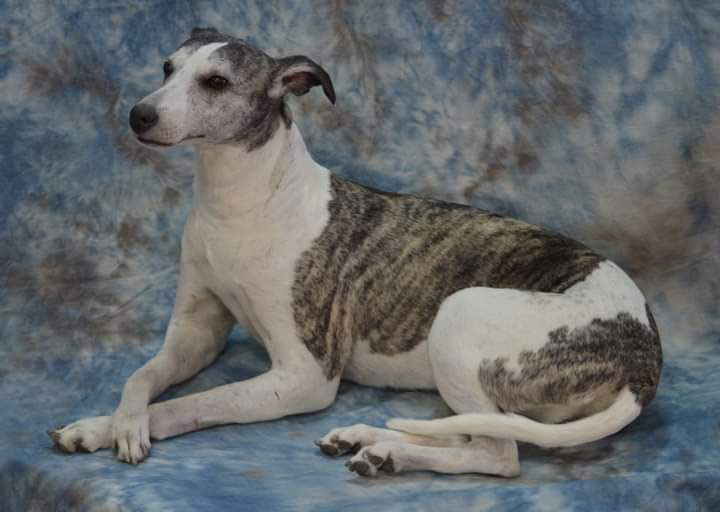
Image Source: animalfamilypet.com
Deciphering the Price: What Shapes Pet Preservation Costs?
The price you pay for pet preservation is not one fixed number. Many things change how much it costs. Think of it like buying a car; a small, basic model costs less than a large, luxury one. The same idea applies to preserving your beloved pet. We will look at what makes the price go up or down.
Different Ways to Preserve Your Pet
When we talk about preserving a pet, two main methods come to mind: traditional taxidermy and freeze-drying. Each has its own process and cost.
Traditional Taxidermy for Dogs
Traditional taxidermy involves preparing the skin of the animal. Then, this skin is placed over a form, or mold, that looks like the animal. This method is often seen with wild animals. For pets, it can be a way to keep their look.
- Process: The taxidermist first takes off the skin. They treat the skin to stop it from breaking down. This step is called tanning. After tanning, they fit the skin over a custom-made form. They then work on details like eyes and nose to make the pet look real.
- Appearance: When done well, the pet looks very lifelike. The fur and shape are just as you remember.
- Care: The preserved pet needs careful care. You must keep it away from direct sunlight, heat, and bugs. Cleaning involves light dusting.
- Cost Range: The dog taxidermy cost using this method can be high. It is a very skilled art. Prices can start at about $1,000 for a small dog and go up to $3,000 or more for a large dog. This depends on the artist’s skill and how much work is needed.
Freeze-Drying for Pets
Freeze-drying is a newer and more common way to preserve pets. This method keeps the body of the pet whole. It does not just use the skin. This means the pet keeps its true shape, even down to its bones and organs.
- Process: The pet’s body is placed in a very cold, special machine. This machine slowly removes all the water from the body. It turns the water into vapor, without turning it into liquid first. This process is called sublimation. It happens over many weeks or even months. The time depends on the size of the pet.
- Appearance: Freeze-drying often gives a more natural look. The pet’s body keeps its own feel. There is no need for a form. Owners often feel it is closer to their pet’s actual body.
- Care: Like traditional taxidermy, freeze-dried pets need gentle care. Keep them dry and away from heat and direct light.
- Freeze Drying Pet Price: This method usually costs more than traditional taxidermy. It takes more time and uses special equipment. Prices can range from $1,500 for a small pet to $5,000 or more for a very large dog. For a full body pet taxidermy cost, freeze-drying is often the highest.
Other Options: Cost of Pet Mummification
Some people also look into other ways to preserve a pet. Mummification is a very old method. It involves drying out the body with salt and other drying agents. This process is not common for modern pets. It often costs less than taxidermy or freeze-drying. However, the look is not as lifelike. It may also not be as stable over time. The cost of pet mummification is usually much lower, perhaps a few hundred dollars. But it is very rarely offered by pet preservation services.
Size and Breed of Dog
The size of your dog is a big factor in the overall pet preservation costs. A small chihuahua will cost less than a large Great Dane. This is true for both taxidermy and freeze-drying.
- Why Size Matters:
- More Material: Larger dogs need more materials. This includes more chemicals for tanning or a larger chamber for freeze-drying.
- More Time: It takes much more time to work on a large dog. Preparing the skin or removing water from a bigger body takes longer.
- More Skill: Handling a larger animal can be more complex.
- Breed Differences: While size is key, some breeds may have unique needs. A very fluffy dog might need more fur work. A dog with complex markings might need more artistic skill. These things can slightly raise the animal taxidermy rates.
Condition of the Deceased Pet
The state of your dog’s body at the time of death also matters. A pet that died peacefully and was kept cool right away is easier to work with.
- Good Condition: If the body is in good shape, with no damage, the work is simpler. The taxidermist can start right away.
- Damage or Decay: If there is damage, such as from an accident, or if the body has started to break down, the cost will go up. The preservation specialist may need to do extra work. This might include fixing skin tears or dealing with more complex cleaning. This extra effort adds to the deceased dog preservation fees.
Desired Pose and Complexity
How you want your dog to look when preserved can change the price. A simple, sleeping pose is less work than a complex, active pose.
- Simple Pose: A dog lying down, or in a calm, resting position, is often less costly. This is because the form is simpler, and less fine-tuning of limbs is needed.
- Complex Pose: A dog sitting up, standing, or in a playful pose means more work. The taxidermist needs to make sure the form is perfect for that pose. They might need to create custom supports. This extra artistic effort adds to the taxidermist prices for dogs.
- Open Mouth/Tongue: If you want your dog to have an open mouth, showing teeth or tongue, this adds to the cost. It needs very detailed work and special materials.
Reputation and Location of Taxidermist
Just like with any service, the person doing the work affects the price.
- Experience and Skill: A highly skilled and well-known pet preservation specialist will charge more. They have years of experience. Their work is often of a very high quality. Their reputation helps ensure a good result.
- Location: Where the taxidermist is located can also change the cost. Services in big cities or areas with a high cost of living are often more expensive. This is true for any service, including pet taxidermy. Average pet taxidermy expense can vary by region.
Additional Services and Customization
Sometimes, you might want more than just the preserved pet. These extra items or services add to the total cost.
- Mounts and Bases: A nice base or display stand can make the preserved pet look better. These are often extra.
- Glass Eyes: High-quality glass eyes can be more expensive but give a more lifelike look.
- Custom Scenery: Some owners want their pet displayed in a setting. This could be a small bit of grass, rocks, or a favorite toy. This custom work adds to the pet preservation costs.
- Shipping: If you are sending your pet to a specialist far away, shipping costs will be added. This can be very costly, especially for larger pets.
- Rush Orders: If you need the work done quickly, some specialists might charge an extra fee. This is because they have to put your pet ahead of others.
Urgency and Turnaround Time
The time it takes to preserve a pet can be long, especially for freeze-drying. If you need it done faster, this can add to the cost.
- Standard Time: Freeze-drying can take 6-12 months, or even longer for very large dogs. Traditional taxidermy might be a bit faster, but still many months.
- Expedited Service: Some specialists might offer a faster service for an extra fee. This is rare and depends on their current workload. It’s important to talk about timing upfront.
Averages and Estimates: Pet Preservation Costs
Now, let’s look at some general numbers for how much it costs to preserve a dog. Remember, these are just guides. Your actual dog taxidermy cost could be higher or lower.
| Pet Size | Traditional Taxidermy (Approx.) | Freeze-Drying (Approx.) |
|---|---|---|
| Small Dog (under 15 lbs) | $1,000 – $2,000 | $1,500 – $3,000 |
| Medium Dog (15-50 lbs) | $1,500 – $3,000 | $2,500 – $4,500 |
| Large Dog (50-100 lbs) | $2,500 – $4,000 | $4,000 – $6,000 |
| Giant Dog (over 100 lbs) | $3,500 – $5,000+ | $5,000 – $8,000+ |
This table shows a range for animal taxidermy rates, specifically for dogs. The full body pet taxidermy cost can be a large amount. For freeze drying pet price, you can see it is often on the higher side. The average pet taxidermy expense falls within these ranges. Deceased dog preservation fees include the skill, time, and materials used.
It is rare to find places that do only traditional taxidermy for pets. Most pet preservation services use freeze-drying. This is because it keeps the pet’s body whole. So, when you ask “how much to taxidermy a pet,” many quotes you get will be for freeze-drying.
The Process: What Happens During Pet Preservation?
Knowing the steps involved can help you understand the cost. It also helps you see the care that goes into preserving your pet.
Initial Steps and Pet Preparation
- Quick Action is Key: As soon as your pet passes, it is best to keep their body cool. Wrap them in a blanket and place them in a freezer or on ice. This slows down any decay.
- Contacting a Specialist: Reach out to a pet preservation specialist right away. Discuss your wishes. Ask about taxidermist prices for dogs and the process.
- Delivery: You will need to take your pet to the specialist. Some may offer pick-up, but this might be an added service.
The Preservation Method
Once your pet arrives, the specialist begins work.
For Traditional Taxidermy:
- Skinning: The skin is carefully taken off. This is done with great care to avoid cuts or damage.
- Cleaning and Tanning: The skin is thoroughly cleaned. Then, it goes through a special tanning process. This uses chemicals to make the skin soft and long-lasting. Tanning stops the skin from decaying.
- Form Creation: A form, or mold, is made to match your dog’s exact size and shape. This form is often made from foam or wood. It looks like your dog’s body.
- Mounting: The tanned skin is carefully placed over the form. The taxidermist then spends many hours shaping the skin to look natural. They pay close attention to muscles and face details.
- Adding Eyes and Details: Lifelike glass eyes are put in. The nose, mouth, and paws are worked on to look real.
For Freeze-Drying:
- Positioning: Your pet is carefully placed into the pose you chose. This is a very important step. Once freeze-dried, the pose cannot be changed.
- Freezing: The pet is slowly and deeply frozen.
- Drying in Chamber: The frozen pet is moved to a special freeze-drying machine (a lyophilizer). This machine lowers the air pressure and slowly adds heat. This causes the ice in the pet’s body to turn directly into vapor. This slow removal of water keeps the body from shrinking or changing shape.
- Long Process: This drying takes a very long time. For a medium dog, it can take 6-9 months. For a large dog, it might be 9-12 months or more.
- Finishing Touches: After all the water is gone, the pet is taken out. The specialist may do some final touch-ups. This might include adding glass eyes, cleaning the fur, or brushing.
Finishing Touches and Return
After the preservation is complete, the specialist will clean and groom your pet. They may add any chosen bases or props. Then, they will contact you for pickup or to arrange shipping. This is the moment you get your cherished companion back, preserved as a lasting memory.
Is Pet Taxidermy Right for You? Weighing the Options
Deciding to preserve your pet through taxidermy or freeze-drying is a very personal choice. It is a big decision both emotionally and financially.
Emotional Considerations
- Grief and Comfort: For some, having their pet physically present, even after death, brings comfort. It can help with the grieving process. It keeps their beloved friend close.
- Lasting Memory: It creates a lasting, tangible memory. It is a way to honor the special bond you shared.
- Emotional Toll: For others, seeing the preserved pet might be too painful. It might make the loss feel too real. It is important to think about how you might feel.
- Acceptance: Some find it hard to accept their pet’s death if the body is still there. They may prefer cremation or burial to find peace.
Practical Considerations
- Space: A preserved pet needs a special place in your home. For a large dog, this can take up a lot of room. Make sure you have the space to display them respectfully.
- Maintenance: Preserved pets need care. They should be kept out of direct sunlight and away from damp areas. They need gentle cleaning to keep them looking good. This is a long-term commitment.
- Cost: As we have discussed, the pet preservation costs are high. You must be ready for this financial outlay.
- Longevity: If cared for well, a preserved pet can last for many, many years. It is a very durable form of remembrance.
Alternatives to Preservation
Many pet owners choose other ways to remember their pets.
- Cremation: This is a very common choice. Your pet’s ashes are returned to you in an urn. This allows you to keep your pet close without needing a full body. It is often much less expensive than taxidermy.
- Burial: Burying your pet in a special spot, like a pet cemetery or your yard (if allowed), is another option. It offers a place to visit and reflect.
- Memorial Items: Many people choose to keep a paw print, a lock of fur, or a special collar. There are also many memorial products, like custom jewelry, portraits, or garden stones. These are often more affordable and still provide a loving memory.
Choosing a Pet Preservation Specialist
If you decide that pet taxidermy or freeze-drying is the right choice for you, picking the right specialist is key. This is a very important service, and you want someone skilled and trustworthy.
Research and Reviews
- Look Online: Start by searching for “pet taxidermy,” “pet freeze-drying,” or “deceased dog preservation fees” in your area. Look at their websites.
- Read Reviews: Read what other people say about their work. Look for reviews that mention quality, care, and good communication.
- Ask for Photos: A good specialist will have many photos of their past work. Look at their preserved pets. Do they look lifelike? Do they look well cared for?
- Seek Referrals: Ask vets or other pet owners if they know of any trusted specialists. Personal recommendations are often the best.
Communication and Trust
- Talk to Them: Call or visit the specialist. Talk about your needs and wishes. A good specialist will be kind and understanding. They should answer all your questions clearly.
- Ask About the Process: Make sure you understand each step. Ask about the time it will take. Ask about how they handle the pet’s body.
- Get a Clear Quote: Ask for a full quote in writing. Make sure it includes all costs. This helps you understand the total dog taxidermy cost or freeze drying pet price.
- Comfort Level: It is important to feel comfortable with the person. You are trusting them with your beloved pet.
Contracts and Guarantees
- Written Agreement: Ask for a written contract. This should clearly state the services, the cost, the timeline, and any guarantees.
- What if Something Goes Wrong?: Ask what happens if the outcome is not what you expected. Do they offer any fixes or refunds? A reputable specialist will have clear policies.
- Payment Plan: Some services may offer payment plans. Ask about this if the full body pet taxidermy cost is a lot for you to pay at once.
Caring for Your Preserved Pet
Once you get your preserved pet home, proper care will help it last for many years.
Cleaning Your Preserved Pet
- Gentle Dusting: Use a soft, clean cloth or a feather duster. Gently dust the fur. Do this often to prevent dust buildup.
- Avoid Liquids: Never use water, cleaning sprays, or harsh chemicals. These can damage the fur or the preservation.
- Vacuum (Carefully): For deeper cleaning, you can use a vacuum cleaner with a brush attachment on a very low setting. Hold the nozzle a few inches away from the fur. Be very careful.
Displaying Your Preserved Pet
- Out of Direct Sunlight: Sunlight can cause fur to fade. It can also make materials break down over time. Place your pet away from windows.
- Stable Temperature: Avoid extreme heat or cold. Keep your pet in a room with a stable, comfortable temperature.
- Low Humidity: High humidity can cause mold or damage. Use a dehumidifier if your home is very humid.
- Safe Spot: Place your pet where it won’t be bumped or fall. A sturdy shelf or table is best. Keep it away from active pets or small children.
Longevity of Preservation
With good care, a preserved pet can last for many decades. Traditional taxidermy and freeze-drying are both designed for long-term display. The quality of the initial work, plus your ongoing care, will determine how long your pet remains a beautiful memory.
Frequently Asked Questions (FAQ)
Q: How much is it to taxidermy a pet?
A: The cost to taxidermy a pet can range from about $1,000 to over $8,000. It depends on the pet’s size, the method (taxidermy or freeze-drying), and the specialist’s rates. Freeze-drying is generally more expensive.
Q: What is the average pet taxidermy expense for a dog?
A: For an average-sized dog (like a Labrador), you can expect the expense to be between $2,500 and $5,000. Smaller dogs are less, and larger dogs are more.
Q: Is freeze drying pet price higher than traditional taxidermy?
A: Yes, the freeze drying pet price is usually higher. This is because it is a longer process, uses specialized equipment, and aims to keep the pet’s entire body whole.
Q: What factors most affect deceased dog preservation fees?
A: The biggest factors are the dog’s size, the chosen preservation method (taxidermy vs. freeze-drying), and the quality and experience of the preservation specialist.
Q: Can I taxidermy any type of dog?
A: Yes, generally any dog can be preserved. However, the condition of the body at the time of death is very important. The sooner it is handled and cooled, the better the outcome.
Q: How long does full body pet taxidermy cost take?
A: Full body pet taxidermy (especially freeze-drying) can take a very long time. It often ranges from 6 months to over a year, depending on the pet’s size and the specialist’s schedule.
Q: Are taxidermist prices for dogs different for different poses?
A: Yes, more complex or active poses will usually cost more. A simple, resting pose is less work than a standing or jumping pose.
Q: What’s the cost of pet mummification compared to taxidermy?
A: Pet mummification, a very old and less common method, is generally much cheaper than modern taxidermy or freeze-drying. However, it is rarely offered by professional pet preservation services and does not result in a lifelike appearance.
Q: Do animal taxidermy rates vary by location?
A: Yes, just like most services, animal taxidermy rates can be higher in areas with a higher cost of living or in big cities.
The decision to preserve your beloved dog is deeply personal. Knowing the costs, the methods, and what to expect can help you make the best choice for you and your family.