
How To Keep Dog From Eating Plants: Protect Your Garden & Pet
Do you want to keep your dog from eating plants? Yes, you can! This guide will show you how. Dogs often eat plants for many reasons. Some plants are bad for them. We need to stop them from eating these. This means knowing which plants are toxic plants dogs avoid and which ones are safe plants for dogs. Keeping your dog safe and your garden beautiful is easy with the right steps. This guide will help you learn simple ways to do just that.
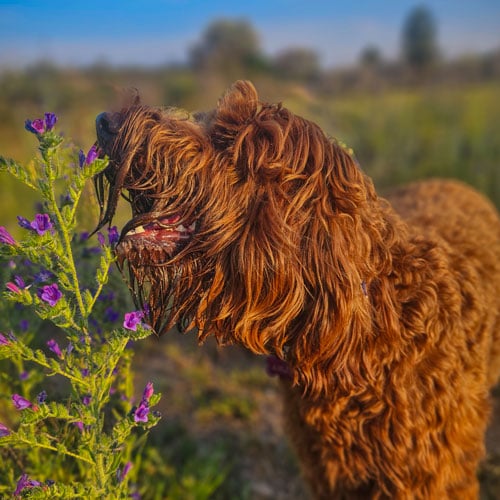
Image Source: www.cobberdogking.com
Guarding Your Green Space from Pet Nibblers
Dogs love to explore with their mouths. For many dogs, a garden full of plants is a fun playground. But this can be a problem. Some plants are very harmful if eaten. Your dog might eat them because they are bored. Or maybe they like the taste or feel. Young puppies often chew to learn about their world. Older dogs might do it if their stomach hurts. Or they just want your attention. Knowing why your dog eats plants helps you stop them.
Why Dogs Like to Nibble Plants
Dogs eat plants for many reasons. It is not always about being bad. Here are some common reasons:
- Boredom: A dog with nothing to do might find plants interesting. Chewing plants gives them something to do.
- Play: Some dogs see plants as toys. They like to play with the leaves and stems.
- Taste and Feel: Plants have different tastes and textures. Some dogs like how they feel when they chew them.
- Puppy Play: Young dogs explore with their mouths. They chew everything to learn about it. This includes your plants.
- Stomach Issues: Some dogs eat grass when their stomach feels bad. They might think other plants will help too.
- Missing Nutrients: A dog’s diet might lack something. They might try to get it from plants.
- Attention: If your dog eats plants and you run over, they learn this gets your notice. Even if it is a negative notice, it is still attention.
Knowing Your Plants: Safe or Harmful?
It is very important to know which plants are safe and which are not. Many common garden and house plants can hurt your dog. Some can cause only a mild stomach upset. Others can be very dangerous. They might even cause death.
Toxic plants dogs avoid should be high on your list. These are plants you must keep your dog away from. If your dog eats one of these, call your vet right away.
Here are some common plants that are bad for dogs:
- Lilies: All parts of lilies are very toxic. Even a small bite can cause kidney failure.
- Sago Palm: This plant is very poisonous. All parts are bad, especially the seeds. It can cause liver failure.
- Azaleas and Rhododendrons: These beautiful shrubs are very toxic. They can cause heart problems.
- Tulips and Daffodils: The bulbs of these flowers are most dangerous. They can cause severe stomach upset.
- Oleander: This plant is extremely toxic. Even small amounts can cause heart issues and death.
- Rhubarb: The leaves of this plant are toxic. They can cause kidney problems.
- Tomato Plants: The green parts of the plant are toxic. The ripe fruit is usually fine.
- Aloe Vera: While good for humans, it can cause diarrhea and vomiting in dogs.
- Marijuana: This plant is toxic to dogs. It can cause heart rate changes and confusion.
- Autumn Crocus: This plant is very dangerous. It can cause organ damage.
Safe plants for dogs are ones you can have in your garden without worry. These are great choices if you want to make a pet friendly garden ideas area.
Here are some good choices:
- Sunflowers: These big, happy flowers are safe.
- Roses: The flowers and leaves are safe. Watch out for thorns, though!
- Snapdragons: These pretty flowers are safe.
- Herbs: Many herbs like basil, rosemary, thyme, and parsley are safe.
- Many Vegetables: Carrots, green beans, peas, and lettuce are good.
- Fruit Trees: Apples (without seeds), bananas, and blueberries are safe.
- African Violets: These small houseplants are fine.
- Spider Plants: A common houseplant that is safe.
- Boston Ferns: These popular ferns are safe for dogs.
| Category | Common Toxic Plants for Dogs | Common Safe Plants for Dogs |
|---|---|---|
| Flowers | Lilies, Azaleas, Oleander, Tulips, Daffodils, Hyacinths | Sunflowers, Roses, Snapdragons, African Violets, Petunias |
| Shrubs/Trees | Sago Palm, Rhododendron, Yew, Foxglove, Japanese Cherry | Maple (some types), Elderberry, Magnolia, Elm, Sycamore |
| Vines | Ivy (many types), Wisteria, Morning Glory | Grape vines (fruit only), Honeysuckle |
| Houseplants | Pothos, Philodendron, Dieffenbachia, Peace Lily, Aloe Vera | Spider Plant, Boston Fern, Areca Palm, Money Tree (Pachira) |
| Vegetables | Rhubarb leaves, Tomato leaves/stems (green parts) | Carrots, Green Beans, Lettuce, Spinach, Sweet Potatoes, Zucchini |
| Herbs | Periwinkle, Comfrey | Basil, Rosemary, Thyme, Parsley, Mint, Dill, Cilantro |
Always check before you buy a new plant. You can look up plants on the ASPCA website or talk to your vet.
Active Steps to Keep Dogs Away
Once you know why your dog eats plants and which plants are risky, it is time for action. There are many ways to stop your dog. You can make plants less appealing. You can build barriers. Or you can teach your dog new behaviors.
Making Plants Less Appealing
Dogs do not like certain smells or tastes. You can use this to your advantage. This is where dog deterrent for plants comes in.
- Bitter Sprays: A common and effective tool is a bitter spray for dogs plants. These sprays taste very bad to dogs. They are safe but make the plant taste awful. You can buy these at pet stores. You can also make your own by mixing apple cider vinegar with water. Spray a little on the leaves. Your dog will take one bite and then stop. Reapply after rain or watering.
- Tip: Test a small, hidden part of the plant first. Make sure the spray does not hurt the plant.
- Dog Repellent Spray Plants: Besides bitter taste, some smells also keep dogs away. You can find commercial dog repellent spray plants that use scents dogs dislike. These often have strong smells like citrus, mint, or essential oils.
- Caution: Always check that the spray is safe for dogs and plants. Some essential oils can be toxic if your dog eats them. Do not use very strong oils directly on plants your dog might still chew.
- Natural Dog Deterrents for Plants: Many things you have at home can work.
- Citrus Peels: Dogs do not like the smell of oranges, lemons, or grapefruit. Scatter fresh peels around your plants. Change them often.
- Cayenne Pepper/Chili Powder: A light sprinkle of these spices can stop chewing. The spicy taste is unpleasant.
- Warning: These can irritate your dog’s nose or mouth. Use them with care. Do not use too much.
- Vinegar: A spray of white vinegar mixed with water can also work. The strong smell usually keeps dogs away.
- Coffee Grounds: Dogs often dislike the smell of coffee. Sprinkle used coffee grounds around plants. This also helps your garden soil.
- Pinecones or Rocks: Placing sharp or bumpy items around the base of plants can make the area less fun to walk on or chew near.
Building Physical Barriers
Sometimes, sprays and smells are not enough. Physical barriers offer a strong defense. This is part of dog proofing garden or your home.
- Fencing: A simple fence around your garden beds can work wonders.
- Height: Make sure the fence is tall enough so your dog cannot jump over it.
- Depth: If your dog digs, bury the bottom of the fence a few inches into the ground.
- Materials: You can use wire mesh, decorative picket fences, or even chicken wire.
- Raised Garden Beds: Plants in raised beds are harder for dogs to reach. The height puts them out of easy reach.
- Design: Choose a height your dog cannot easily jump into.
- Placement: Place raised beds away from walls or fences that your dog could use to climb.
- Netting or Cages: For individual plants or small groups, use netting or wire cages. This creates a direct barrier around the plant itself.
- Protection: This is good for young plants or very precious ones.
- Indoor Strategies to Stop Dog Chewing Houseplants:
- High Shelves: Place houseplants on high shelves or hanging baskets. Make sure they are out of reach.
- Pet Gates: Use baby gates to block off rooms with many houseplants.
- Closed Doors: Keep dogs out of rooms where you have plants.
- Terrariums or Plant Stands: Put smaller plants inside glass terrariums or on tall, sturdy plant stands.
- Furniture Placement: Arrange furniture so plants are not easy to get to. Do not put plants near low tables or chairs your dog can jump on.
Teaching Your Dog New Habits
Training is a powerful tool. It teaches your dog what is okay and what is not. This helps with training dog to ignore plants.
- “Leave It” Command: This command is very useful.
- How to Teach: Start with a treat on the floor. When your dog goes for it, cover it with your hand and say “Leave it.” When they back away, give them a different treat. Practice this often.
- Apply to Plants: When your dog goes near a plant, say “Leave it.” If they listen, praise them and give them a safe toy or treat.
- Positive Reinforcement: Reward good behavior. When your dog walks past a plant without touching it, give them praise or a small treat. They will learn that ignoring plants gets them good things.
- Redirection: If you see your dog looking at a plant, quickly give them a safe chew toy or a game to play. This moves their focus away from the plant.
- Always Ready: Have a favorite toy or bone ready. Offer it before they even get to the plant.
- More Exercise: A tired dog is a good dog. If your dog gets enough walks and playtime, they will be less likely to look for trouble.
- Burn Energy: Long walks, runs, or playing fetch can help burn off energy.
- Mental Stimulation: Dogs need to use their brains. Puzzle toys, training games, or even learning new tricks can keep their minds busy.
- Brain Games: Hide treats around the house for your dog to find. Use food puzzle toys that make them work for their food.
- Crate Training: A crate can be a safe place for your dog when you cannot watch them. This keeps them from getting into plants.
- Make it Positive: The crate should be a comfy den, not a punishment.
Creating a Dog’s Dream Garden
Instead of just stopping your dog, you can also make your garden a fun place for them. This includes great pet friendly garden ideas. Give your dog safe ways to enjoy the outdoors.
- Designated Digging Area: Many dogs love to dig. Give them a special spot where digging is allowed. Fill a sandbox or a corner of the yard with loose soil or sand. Bury toys or treats there to encourage them to dig in that spot.
- Train Them: When they dig in the wrong spot, calmly move them to the digging pit. Praise them when they dig there.
- Safe Play Zones: Create areas where your dog can run and play freely without fear of stepping on plants. Use soft ground cover like grass or wood chips.
- Fenced Zones: If your yard is big enough, fence off a part just for your dog.
- Dog Paths: Dogs often make their own paths. You can lay down gravel or stepping stones where they naturally walk. This keeps them off your garden beds.
- Chew-Safe Plants: Plant safe plants for dogs in areas they can easily reach. These are often herbs like parsley or basil. Even if they take a nibble, it will not hurt them.
- Shady Spots: Dogs need cool places to rest outside. Plant trees or build structures that offer shade.
- Water Access: Always have fresh water available outside for your dog.
- Sensory Garden for Dogs: Use plants with interesting smells or textures that are safe for dogs.
- Catnip for Dogs: There are “dog-friendly” herbs like dognip or certain types of mint that dogs enjoy.
- Tall Grasses: Some dogs like to walk through tall, non-toxic grasses.
By thinking about your dog’s needs, you can design a garden that works for everyone.
When All Else Fails: Other Options
Sometimes, you need more help. If your dog keeps eating plants, consider these steps:
- Increase Supervision: The best way to stop bad behavior is to be there to prevent it. Watch your dog closely when they are in the garden. Use a leash if needed.
- Professional Dog Trainer: If you are having a hard time with training, a professional trainer can help. They can give you special tips for your dog’s needs.
- Veterinary Check-up: If your dog keeps eating plants, especially if they seem unwell, talk to your vet. They can check if there is a health reason for the behavior.
- Emergency Plan: Know what to do if your dog eats a toxic plant.
- Get Details: Note what plant was eaten and how much.
- Call Vet: Call your veterinarian or an animal poison control center right away.
- Do Not Wait: Do not try to make your dog throw up unless your vet tells you to. Some toxic plants can cause more harm if vomited.
A Deeper Look at Deterrents
Let’s talk more about some of the deterrents. They are key in a dog deterrent for plants strategy.
- How Bitter Sprays Work: A bitter spray for dogs plants usually contains denatonium benzoate. This is one of the bitterest substances known. Humans cannot taste it much, but dogs hate it. It is not harmful, just very unpleasant. It teaches the dog that chewing plants is not rewarding.
- Consistency is Key: You need to spray it often. Especially after rain or watering. Your dog needs to link the bad taste to the plant every time.
- Making Your Own Dog Repellent Spray Plants:
- Citrus Spray: Mix equal parts lemon juice or orange juice with water. Put it in a spray bottle. Spray on leaves.
- Vinegar Spray: Mix one part white vinegar with two parts water. Spray lightly.
- Pepper Spray (Careful Use): Mix a tiny pinch of cayenne pepper with water. Spray lightly on plants. Be very careful with this. It can sting if it gets in their eyes or nose.
- Using Natural Dog Deterrents for Plants Safely:
- Strong Smells: Dogs have a much stronger sense of smell than humans. Scents like citrus, vinegar, or certain spices can be very off-putting for them.
- Texture Deterrents: Besides smells, textures can deter dogs. Place spiky pinecones, rough gravel, or even chicken wire flat on the soil around plants. This makes the area uncomfortable to walk on or lie in. Dogs will learn to avoid it.
Common Mistakes to Avoid
When trying to keep your dog from eating plants, some common errors can make things harder:
- Punishing After the Fact: If you find a chewed plant and punish your dog hours later, they will not understand why. Punishment works best when it happens right as they are doing the bad thing.
- Inconsistency: If you stop your dog sometimes but not other times, they get confused. Be consistent every time you see them near plants.
- Not Enough Alternatives: If you tell your dog “no” to plants, you must give them something else they can chew or do. Always offer a safe toy or game.
- Not Addressing the Root Cause: Is your dog bored? Lonely? Does he need more exercise? Fixing the underlying reason can solve the plant-eating problem for good.
- Giving Up Too Soon: Changing dog behavior takes time. Be patient. Keep trying different methods.
Long-Term Solutions
For lasting success, combine many of these methods.
- Remove Dangerous Plants: First, get rid of toxic plants dogs avoid or put them where your dog can never reach them. This is the safest first step.
- Use Deterrents Regularly: Spray bitter spray for dogs plants or other dog repellent spray plants often. Make sure they always associate plants with a bad taste.
- Build Barriers: Use fences or raised beds for dog proofing garden areas. Inside, keep stop dog chewing houseplants by putting them high up or behind gates.
- Train Consistently: Use the “Leave It” command and positive rewards. This training dog to ignore plants makes your dog choose to avoid plants.
- Provide Safe Fun: Offer plenty of safe toys, chew bones, and a special digging spot. Create a pet friendly garden ideas zone. Make it more fun to play with toys than to chew plants.
- Supervise: Watch your dog, especially at first. This helps you step in quickly if needed.
By doing these things, you will create a safe space for your dog. Your plants will also stay safe and beautiful. It takes time and effort. But a happy, healthy dog and a lovely garden are worth it.
Final Thoughts on Plant Protection
Protecting your garden and your pet is possible. It needs a mix of clever tricks, barriers, and smart training. Start by learning which plants are safe and which are not. Then, use sprays or natural deterrents to make plants less inviting. Build fences or use high shelves to keep plants out of reach. Most importantly, teach your dog what to chew and where to play. Give them lots of safe options. Be patient and keep trying. Soon, you will have a dog that loves your garden without eating it. Your plants will thrive, and your dog will be safe.
Frequently Asked Questions (FAQ)
Q1: Do bitter sprays really work for all dogs?
A1: Bitter sprays work for most dogs. They make plants taste very bad. Some dogs might ignore the taste if they are very determined. But for many, one bad taste is enough to stop them.
Q2: Are all natural dog deterrents safe for dogs and plants?
A2: Most natural deterrents like citrus peels or coffee grounds are safe. Be careful with things like cayenne pepper. It can irritate your dog’s nose or mouth. Always research a natural deterrent before using it. Check if it might harm your specific plant.
Q3: What if my dog ate a toxic plant? What should I do?
A3: If you think your dog ate a toxic plant, act fast. First, try to figure out what plant it was and how much they ate. Then, call your vet right away. Or call a pet poison control center. Do not wait for symptoms. Do not try to make your dog throw up unless your vet tells you to.
Q4: Can puppies learn to ignore plants, or is it just a phase?
A4: Puppies often chew plants as they explore. This is common. But it is important to teach them early. It is not just a phase they will outgrow on their own. Training dog to ignore plants from a young age helps them learn good habits for life. Use the “Leave It” command and offer safe chew toys.
Q5: How often do I need to reapply dog repellent spray plants?
A5: You need to reapply dog repellent spray plants often. If it rains, or you water your plants, the spray will wash off. You should reapply every few days or after any moisture. You might need to spray more often at first. As your dog learns, you can spray less.
Q6: What if my dog eats plants even after I try everything?
A6: If your dog still eats plants after trying many methods, do not give up. First, make sure you have removed all truly toxic plants. Then, consider getting help from a professional dog trainer. They can offer special guidance. Also, talk to your vet to rule out any health issues.