
Your dog suddenly won’t pee on the pad, or maybe they stopped using pee pads a while ago and now you’re finding accidents. There are many reasons why your dog might be peeing indoors instead of pad training as they used to. The main culprits often fall into three groups: medical issues, behavioral problems, or changes related to age. Pinpointing the exact cause is the first step to helping your dog get back on track.
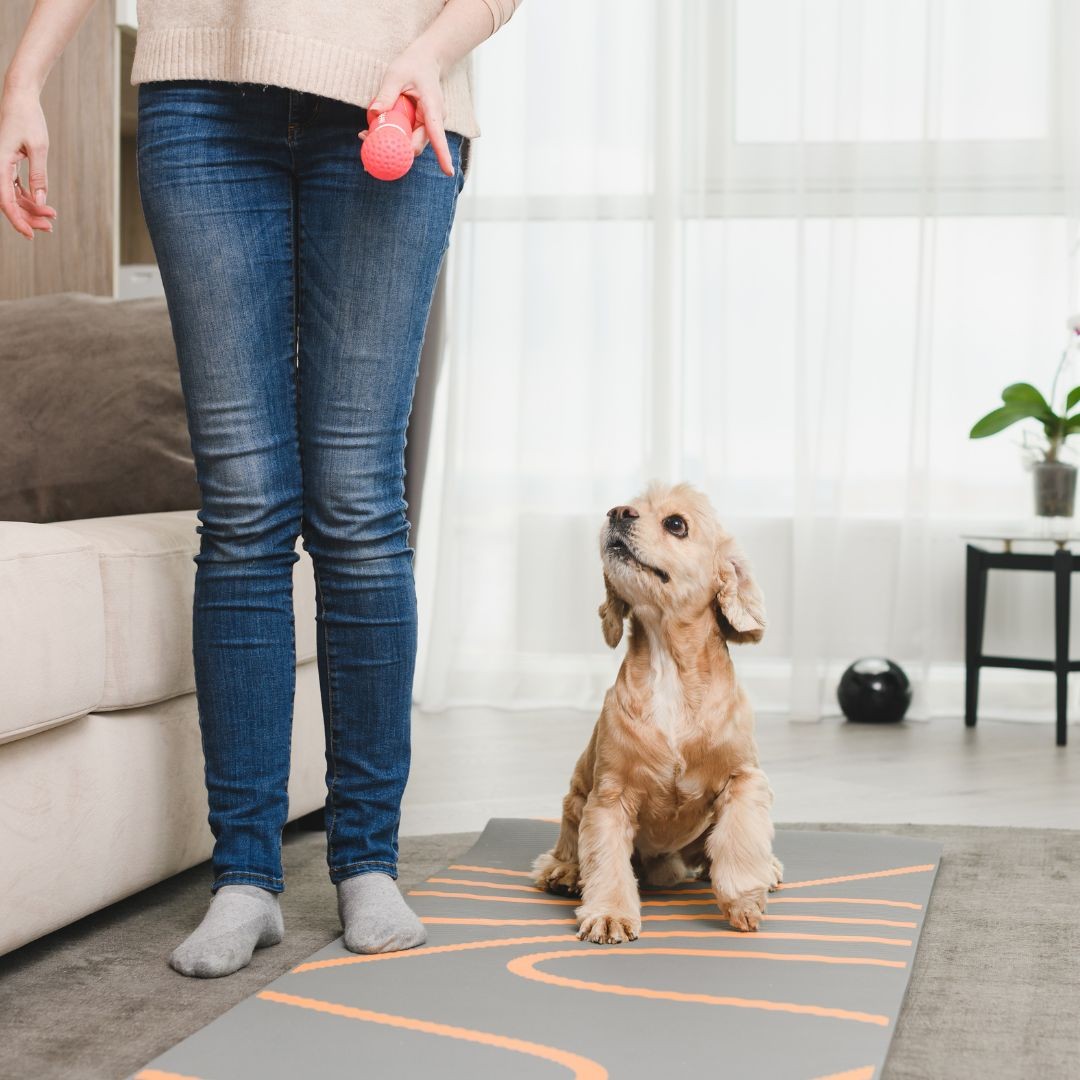
Image Source: cdn05.zipify.com
Grasping Why Your Dog Stops
It can be upsetting when your normally reliable dog pees outside pee pad boundaries or refuses to pee on pad materials they used before. This sudden change isn’t usually about spite. Dogs don’t act out of spite. They act based on their needs, feelings, or physical state. If your dog stopped using pee pads, something has changed for them. Figuring out that change is key.
Puppies often use pee pads while learning where to go. Older dogs or dogs with health issues might use them regularly. A change in this routine, whether it’s your dog suddenly won’t pee on pad material or they are completely avoiding it, signals a problem. It’s like when a baby who was sleeping through the night suddenly starts waking up again. Something is wrong.
Interpreting Possible Medical Reasons
One of the most important things to check when your dog refuses to pee on pad material or has accidents is their health. Many medical reasons dog not using pad trained areas exist. Sometimes, your dog isn’t choosing not to use the pad. They might not be able to control their bladder or they feel pain when peeing. A vet visit is vital to rule out health problems.
Here are some common medical issues:
Bladder Infections (Urinary Tract Infections – UTIs)
UTIs are very common. They make peeing painful or uncomfortable.
Your dog might need to pee more often.
They might strain to pee.
They might pee small amounts.
They might lick their private parts a lot.
The urge to pee can be sudden and strong. This means they might not make it to the pad in time. Or they might link the pad to the pain they feel when peeing.
Bladder Stones
Small stones can form in the bladder.
These stones can cause pain.
They can block the flow of urine.
Symptoms are like UTIs: straining, frequent peeing, accidents.
Kidney Problems
Kidney disease can make dogs drink more.
Drinking more means peeing more.
They might not hold their pee as well.
This can lead to accidents away from the pad.
Diabetes
Diabetes also causes increased thirst and peeing.
Like kidney problems, this extra peeing can overwhelm a dog’s ability to hold it.
Arthritis or Joint Pain
This is especially important for senior dog pee pad problems.
Getting to the pad might be hard for an older dog.
They might feel pain when moving.
They might find it hard to get into the right position to pee.
If the pad is in a spot that is hard to reach or slippery, it makes the problem worse.
Other Pain
Pain anywhere in the body can cause accidents.
Your dog might not want to go to the pad spot if it hurts to get there.
Or pain might make them stressed, leading to accidents.
Hormonal Issues
Conditions like Cushing’s disease can cause increased thirst and urination.
Cognitive Dysfunction (Doggy Dementia)
This is another cause of senior dog pee pad problems.
Older dogs can get confused.
They might forget their training.
They might not remember where the pad is.
They might not realize they need to pee until it’s too late.
Gastrointestinal Issues
Though less direct, stomach upset or diarrhea can also lead to accidents.
The dog might not have enough warning to get to the pad.
Action Step: If your dog suddenly won’t pee on pad material or starts having accidents, see your vet right away. Describe the changes clearly. The vet can do tests to check for these health issues. Ruling out medical reasons dog not using pad training is the first and most important step.
Deciphering Behavioral Changes
If the vet says your dog is healthy, the problem is likely behavioral. This is where dog regression house training can happen. Your dog knew how to use the pad, but now seems to have forgotten or chooses not to. Behavioral issues pee pad training can be tricky to figure out. Think about what has changed in your home or your dog’s life.
Here are common behavioral reasons:
Stress and Anxiety
Dogs get stressed just like people.
Changes in the home can cause stress.
Examples: A new baby, a new pet, someone moving out, moving to a new home, changes in your work schedule.
Loud noises (like fireworks or storms) can also cause stress.
Stress can make dogs have accidents. It’s a sign they are upset.
Marking Territory
This is more common in unspayed or unneutered dogs.
They pee small amounts on vertical surfaces.
They are marking their space.
Even spayed or neutered dogs might mark if they feel their territory is threatened.
Examples: A new dog visited, they smell another animal outside.
Marking is different from emptying the bladder.
Not Fully Pad Trained
Maybe your dog wasn’t really trained well enough in the first place.
They might have only learned to pee on the pad sometimes.
Or they learned to pee there when they were small puppies.
As they get older and their bladder is bigger, they might want to go outside.
They might still see the pad area as “inside” and want to pee outside.
Negative Association with the Pad
Something bad might have happened while they were on or near the pad.
Example: Getting scared by a loud noise, being punished while on the pad, slipping on the pad.
The dog then links the pad to a bad feeling. They will avoid it.
Seeking Attention
If you give your dog a lot of attention (even negative attention like yelling) when they pee off the pad, they might learn this works.
They might do it to get you to notice them.
This is less common but possible if the dog isn’t getting enough attention otherwise.
Changes in the Pad
Dogs can be picky.
Did you change the type of pad?
Is the pad dirty? Dogs don’t like peeing on a soiled pad.
Is the pad holder different?
Is the pad in a new location?
Lack of Access
Is the pad always available?
Can your dog easily get to it when they need to go?
Is a door closed that wasn’t before?
Is the pad covered by furniture?
Boredom or Lack of Exercise
A bored dog might have accidents.
They might not have enough mental or physical stimulation.
They might use peeing indoors instead of pad training as a way to relieve stress or boredom.
Reinforcement of Outdoor Peeing
If you’ve started taking your dog outside more and praising them for peeing there, they might be confused.
They might think they should only pee outside now.
This is often part of the goal (moving from pads to outside), but it needs to be managed carefully.
If they suddenly stop using pads but aren’t fully outdoor trained, you get accidents inside.
Action Step: If health is ruled out, look at the behavioral picture. When did the problem start? What changed around that time? Think about all the possible reasons listed above.
Fathoming Age-Related Pad Problems
Senior dog pee pad problems deserve special attention. As dogs age, their bodies and minds change.
Physical Decline
Arthritis and joint pain make movement hard (as mentioned earlier).
Muscle weakness can make holding pee harder.
Vision or hearing loss can make it harder for them to find the pad or signal they need to go.
Cognitive Decline (Doggy Dementia)
Memory loss and confusion are common in older dogs.
They might forget their training.
They might get “stuck” in corners or seem lost inside their own home.
They might not remember why they are near the pad or what to do there.
Increased Need to Pee
Older dogs can have weaker bladders.
Medical issues like kidney disease or diabetes are more common in seniors and cause more peeing.
Action Step: If you have a senior dog peeing indoors instead of pad use, talk to your vet about age-related changes. There are medications and strategies to help manage cognitive issues and physical pain. Be patient with your older dog; they aren’t doing it on purpose.
How to Get Dog to Use Pee Pad Again
Getting your dog back on track requires patience, consistency, and often going back to basics. Once you’ve addressed any medical or behavioral root causes, you can start retraining.
Go Back to Puppy Training Basics
Treat your dog like a new puppy learning to use the pad.
Restrict their access in the home. Use a crate, playpen, or keep them on a leash near you.
Take them to the pad very often:
– First thing in the morning.
– Last thing at night.
– After waking from a nap.
– After playing.
– After eating or drinking.
– Every 30 minutes to an hour initially.
Supervise Closely
Watch your dog for signs they need to go: sniffing around, circling, whining, heading towards the door or their old accident spots.
If you see these signs, quickly pick them up (if they are small enough) or guide them gently to the pad.
Praise and Reward IMMEDIATELY
When your dog pees on the pad, praise them enthusiastically RIGHT AS THEY ARE FINISHING or immediately after.
Give them a high-value treat they love.
This instant reward tells them exactly what you want.
Clean Accidents Thoroughly
Use an enzymatic cleaner specifically designed for pet messes.
These cleaners break down the urine proteins.
If you don’t use one, your dog can still smell the old spot, even if you can’t. The smell tells them “this is a pee spot.”
Cleaning well helps prevent future accidents in the same place.
Make the Pad Area Appealing
Make sure the pad is in a quiet, accessible spot.
Put the pad on a non-slip surface or use a pad holder.
Ensure the pad is clean. Change it often. Dogs prefer a clean spot.
Consider Different Pad Types
Maybe your dog now dislikes the texture or smell of the pads you use.
Try a different brand or material.
Some dogs prefer reusable pads, others disposable.
Confine When You Can’t Supervise
If you can’t watch your dog, they should be in a crate or small, safe area with the pad.
This prevents accidents in other parts of the house.
The crate should be just big enough for them to stand, turn around, and lie down comfortably. It should NOT have space for them to pee in one corner and sleep in another.
If They Pee Off The Pad
Interrupt them gently if you catch them in the act (a short noise like “oops” or a clap).
Do NOT yell, scold, or rub their nose in it. This teaches them to fear you or hide their accidents.
Immediately take them to the pad. If they finish there, praise them.
Clean the accident area thoroughly.
Transitioning if Needed
If the goal is to move to peeing outside, place the pad closer and closer to the door over time.
Eventually, put the pad right outside the door.
Then, remove the pad and transition fully to outdoor potty breaks.
This transition must be slow and steady.
Manage Anxiety or Stress
If stress is the cause, work on reducing it.
Provide a safe space (crate, bed).
Use calming aids (diffusers, supplements – talk to your vet).
Increase exercise and mental stimulation.
Desensitize them to triggers if possible (work with a professional).
For Marking Behavior
Ensure the dog is spayed or neutered.
Clean marked spots very well with enzymatic cleaner.
Block access to frequently marked spots if possible.
Watch the dog closely in areas where they might mark.
Interrupt marking behavior gently and redirect them outside or to the pad.
Addressing Senior Issues
For physical pain: Use ramps or steps if the pad is elevated. Put the pad on a soft, non-slip surface. Discuss pain management with your vet.
For cognitive issues: Stick to a strict schedule for pad breaks. Keep the pad location consistent and easy to find. Use bright pads or put a distinct mat near the pad to help them see it. Medication might help manage confusion. Increase nighttime pad access or use doggy diapers if needed.
Troubleshooting Common Scenarios
Dog Peeling Outside Pee Pad But Close By
This often means they recognize the general area is for peeing, but miss the target.
The pad might be too small. Try a larger pad or put several pads together.
The pad holder might have a lip that makes them uncomfortable.
They might be aiming for the edge. Put the pad against a wall or inside a holder with raised edges.
They might step off the pad while peeing. Use a larger area of pads.
Dog Refuses to Pee On Pad Entirely
They might have a strong negative association. Try moving the pad to a completely new location.
Try a different type or brand of pad.
They might strongly prefer going outside now. Focus more on outdoor training and phase out the pads quickly, or accept that pads may no longer be a viable option and commit to outdoor potty breaks only.
Medical issues must be ruled out again if they suddenly stop using it.
Dog Regression House Training After Moving
Moving is stressful for dogs. They need time to adjust.
Go back to basics: strict supervision, frequent pad trips, positive reinforcement.
Ensure the pad is in a low-traffic, consistent spot in the new home.
Creating a Solid Routine
Consistency is key for how to get dog to use pee pad again. Dogs thrive on routine.
Set specific times for pad breaks (e.g., every 2 hours).
Feed your dog at the same times each day. This helps predict when they will need to poop or pee.
Take them to the pad after every nap, meal, and play session.
Use a specific phrase like “Go potty” when you take them to the pad. Use this phrase only for potty breaks.
The Role of Patience and Positive Reinforcement
Getting upset or punishing your dog for accidents will likely make things worse. It can create fear or anxiety, leading to more accidents or hiding their accidents.
Focus on rewarding the behavior you WANT (peeing on the pad).
Celebrate successes! Make a big deal out of it when they use the pad correctly.
Remember that dog regression house training takes time to fix. Be patient with your dog and yourself. It might take weeks or even months to fully resolve the issue.
When to Seek Professional Help
If you’ve ruled out medical issues and tried retraining basics without success, consider professional help.
A certified professional dog trainer or a certified applied animal behaviorist can help.
They can assess your dog’s specific situation and help you develop a tailored plan for behavioral issues pee pad training.
They can help identify subtle stress signals or fear responses you might be missing.
For complex cases involving anxiety, fear, or aggression alongside house-soiling, a veterinary behaviorist might be the best option.
Prevention: Keeping Your Dog Using the Pad
Once you’ve gotten your dog back to using the pad, here’s how to try and keep it that way:
Maintain consistency in routine.
Keep the pad clean and in a reliable spot.
Avoid negative associations with the pad area.
Address any new stresses or changes in the home proactively.
Continue regular vet check-ups, especially for senior dogs, to catch potential medical issues early.
Ensure your dog is getting enough exercise and mental stimulation to reduce stress and boredom.
Table: Potential Causes and Solutions Summary
| Cause Type | Specific Issue | Possible Signs | First Step | Behavioral/Training Solutions |
|---|---|---|---|---|
| Medical | UTI, Stones, Kidney, Diabetes | Frequent peeing, straining, accidents | See Vet | (Requires vet treatment) |
| Arthritis, Pain | Difficulty moving, slow, pain signals | See Vet | Adjust pad location, ramps, pain management (vet prescribed) | |
| Cognitive Dysfunction (Dementia) | Confusion, memory loss, getting lost | See Vet | Routine, easy-to-find pad, specific signals, maybe medication | |
| Behavioral | Stress/Anxiety | Hiding, trembling, changes in eating/sleeping | Identify stressor | Reduce stress, safe space, calming aids, increased exercise |
| Marking Territory | Small amounts, vertical surfaces, intact dog | Spay/Neuter (if applicable) | Thorough cleaning, block access, interrupt & redirect | |
| Incomplete Training | Accidents always a problem, inconsistent use | Back to basics | Strict supervision, frequent trips, positive reinforcement | |
| Negative Association | Avoids pad area, looks scared near pad | Identify negative event | Move pad, change pad type, positive association building | |
| Attention Seeking | Accidents happen when you are present and ignore them | Increase attention when not having accidents | Ignore accidents, redirect to positive interaction | |
| Pad Issues (dirty, changed) | Hesitation near pad, sniffing/turning away | Change pad, try different type | Keep pads clean, consistent type/location | |
| Lack of Access | Accidents happen when you are not home/door closed | Ensure constant access | Check barriers, leave doors open, multiple pad locations | |
| Boredom/Lack of Exercise | Destructive behavior, restlessness | Increase activity | More walks, play, training, puzzle toys | |
| Reinforced Outdoor Peeing | Stops using pads but not fully outdoor trained | Slow transition | Phase pads out gradually, heavily reward outdoor peeing | |
| Age Related | Physical Decline | Stiffness, slowness, difficulty standing | See Vet | Adjust pad location, ramps, soft surface, pain management (vet) |
| Cognitive Decline | Confusion, forgetting routine, getting lost | See Vet | Strict routine, easy-to-find pad, medication (vet prescribed) | |
| Increased Need to Pee | Accidents more frequent, larger volume | See Vet | More frequent pad trips, nighttime pad access, maybe diapers |
Frequently Asked Questions (FAQ)
Q: Can my dog suddenly forget pee pad training?
A: Yes, this is called dog regression house training. It usually happens because of an underlying reason like a medical problem, stress, fear, or confusion (especially in older dogs). They don’t truly forget but are unable or unwilling to perform the behavior they learned.
Q: Should I punish my dog for peeing off the pad?
A: No. Punishing your dog after an accident is not effective and can actually harm your relationship. It teaches them to fear you or to hide their accidents, making the problem harder to fix. If you catch them in the act, gently interrupt and guide them to the pad.
Q: How long does it take to reteach a dog to use pee pads?
A: The time varies greatly depending on the cause of the problem, the dog’s age, their past training history, and how consistent you are. It could take a few days or several weeks or months. Be patient and celebrate small successes.
Q: My dog only pees right next to the pad. What does that mean?
A: Your dog is likely having trouble with aiming or the pad size/location. Try using larger pads, putting several pads together, using a pad holder with raised edges, or placing the pad against a wall to give them a target.
Q: Can a senior dog learn to use pee pads?
A: Yes, older dogs can definitely learn or relearn pad training. However, you need to consider potential age-related issues like mobility problems or cognitive decline and adjust your methods accordingly. Patience, consistency, and making the pad easy to find and access are crucial for senior dog pee pad problems.
Q: Should I use attractant spray on the pads?
A: Attractant sprays can sometimes help encourage a dog to use the pad initially. However, relying too heavily on them might not fix the underlying reason your dog stopped using the pad. Focus more on routine, supervision, and positive reinforcement.
Q: Is using pee pads bad for dogs in the long run?
A: Pee pads can be a useful tool for puppies, dogs in apartments, or dogs with specific needs (like seniors or those with health issues). However, ideally, dogs should be trained to eliminate outside for their well-being and opportunities for exercise and mental stimulation. If your dog is physically capable, working towards outdoor potty training is a good goal.
Final Thoughts
Seeing your dog pee indoors instead of pad trained areas is frustrating. But remember, your dog isn’t being naughty. There’s a reason behind it. Start by checking their health with a vet. Then, look closely at their behavior and environment. Go back to basics with training, be patient, and use positive methods. With the right approach and perhaps professional help, you can help your dog regain their good habits.