
Many dog owners wonder, “Why won’t my dog lay with me?” This is a common question, and the answer is rarely simple. Your dog might not want to lay right next to you for many reasons, ranging from comfort preferences and past experiences to underlying health issues or behavioral concerns like anxiety. It’s not usually a sign they don’t love you, but rather a communication about their current needs, feelings, or physical state. Deciphering these signals is key to building a stronger bond with your canine companion.
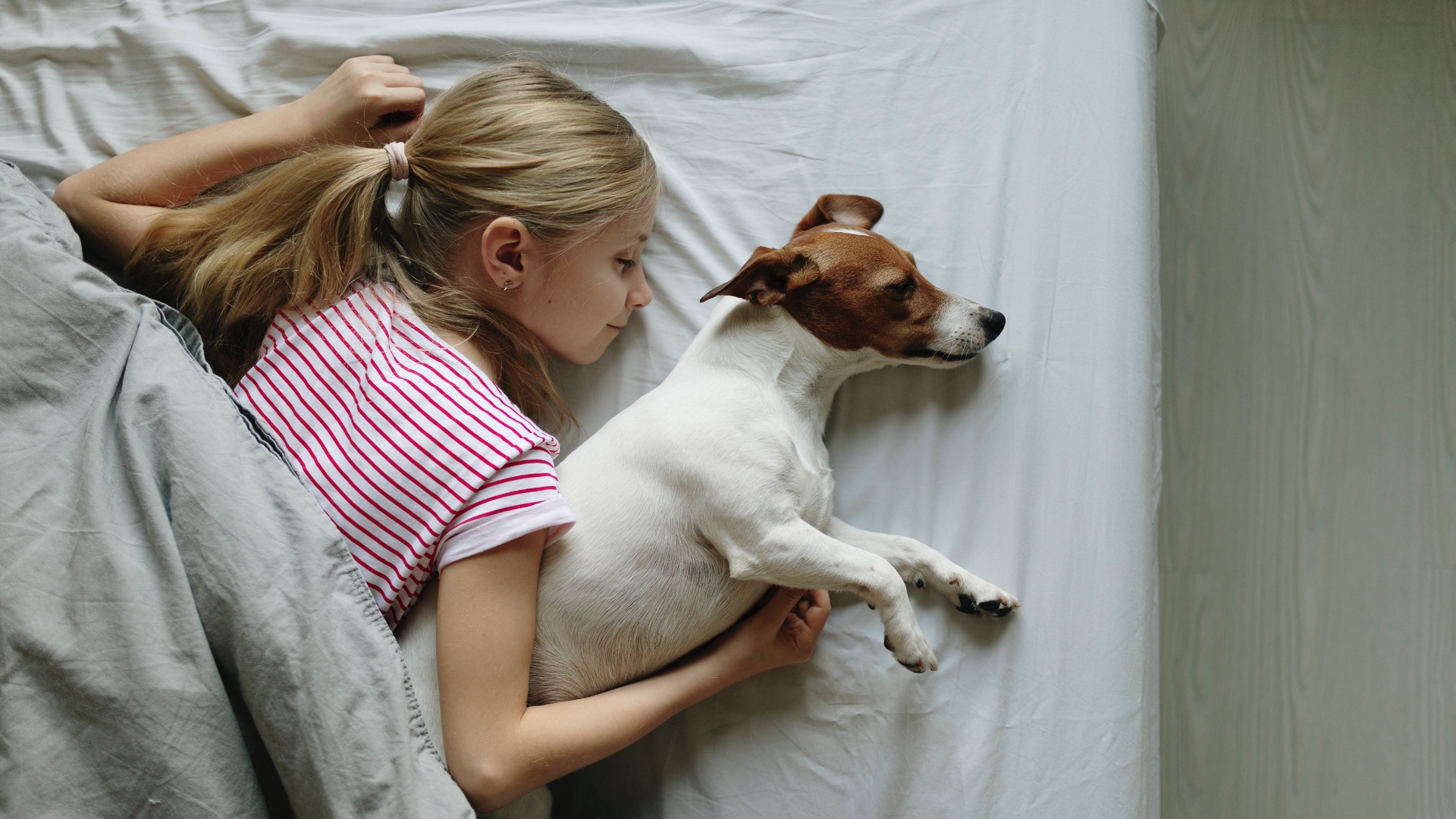
Image Source: www.alldogsdream.com
Deciphering Why Your Dog Keeps Their Distance
When your dog chooses not to cuddle up beside you, it can feel a little disappointing. After all, many of us get dogs hoping for that close connection. But a dog’s decision about where to settle down is influenced by many things. It’s helpful to look at the possibilities before jumping to conclusions. This section explores the most common reasons your dog might prefer their own space.
Physical Comfort Matters
Imagine trying to get comfortable when you’re too hot, too cold, in pain, or itchy. Dogs feel these things too. Physical comfort is a huge factor in where and how they choose to rest. Your lap or the spot right next to you might not be the most comfortable place for them right now.
Temperature Control
Dogs regulate their body temperature differently than people. They can overheat easily, especially certain breeds or those with thick fur.
* Too Hot: Your body gives off heat. Lying directly against you, especially under blankets, can make a dog too warm. They might prefer the cool tile floor or their own bed where they can stretch out.
* Too Cold: While less common as a reason to avoid you (you’re a heat source), if they are trying to cool down after exercise, they will avoid warm spots.
Pain or Discomfort
One of the most important things to rule out is dog physical discomfort. If your dog suddenly stops wanting to lay with you, or seems restless when they do, they could be in pain.
* Arthritis: Older dogs often develop joint pain. Lying in one position, especially on a hard surface or awkwardly against you, can be painful. They might prefer a soft, supportive bed.
* Injuries: Muscle strains, sprains, or even minor injuries can make lying close uncomfortable.
* Skin Issues: Allergies, hot spots, or parasites can cause itching and irritation, making a dog restless and unwilling to settle in one spot or be touched directly on a sore area.
* Digestive Problems: An upset stomach or gas can make it hard for a dog to get comfortable.
* Sensitivity to Touch: Some dogs are sensitive about being touched in certain places. If lying close means unavoidable contact on a sensitive spot, they will avoid it.
Lack of Support
Your couch or bed might feel comfy to you, but it might not offer the right support for your dog’s joints or body shape. Some dogs prefer a firm, flat surface or their own orthopedic dog bed.
Overheating
Dogs cool down by panting and radiating heat, especially from their paws. Lying squeezed next to a warm body restricts their ability to cool off.
- Signs of Overheating: Excessive panting, seeking cool surfaces, lethargy.
Action Step: Consider the temperature of the room and your body. Offer your dog a variety of comfortable sleeping locations, including cooler spots and supportive beds. Gently check your dog for any signs of pain or tenderness when touched. If you suspect discomfort, a vet visit is crucial.
Emotional State: Anxiety and Fear
Canine anxiety symptoms can significantly impact a dog’s behavior, including their willingness to relax and lay close to you. Anxious dogs are often restless, hyper-aware of their surroundings, and may not feel safe enough to be vulnerable in a cuddled position.
General Anxiety
Some dogs have a generally anxious disposition. They might pace, pant, or tremble. Settling down next to you requires them to let their guard down, which can be hard for an anxious dog. They might feel trapped or unable to escape quickly if something startles them.
Separation Anxiety
While seemingly counter-intuitive, dogs with separation anxiety might struggle to settle even when you are home. They can be restless, anticipating your departure, or feel stressed if they are too close, perhaps triggering past negative associations with being left alone. More often, however, separation anxiety manifests when you leave, not when you’re present. But underlying general anxiety can still play a role in close contact avoidance.
Fear or Trauma
If your dog has had a negative experience while lying down or being close to a person (e.g., being startled, hurt, or punished), they might develop a fear of close contact. This is a form of dog behavior problems rooted in trauma. They might associate lying next to you with feeling trapped or unsafe.
- Signs of Fear/Anxiety Preventing Closeness:
- Pacing
- Excessive panting or drooling when you invite them close
- Trembling
- Yawning or lip licking (stress signals)
- Avoiding eye contact
- Moving away when you pat the spot next to you
- Low tail or tucked tail
- Showing the whites of their eyes (whale eye)
- Stiff body posture
Action Step: Recognize these dog anxiety signs. Do not force your dog to lay with you. This can make fear and anxiety worse. Instead, focus on building building dog trust through positive interactions. Create a safe space for them where they feel secure. If anxiety is significant, consider consulting a certified professional dog trainer or a veterinary behaviorist.
Preference and Personality
Just like people, dogs have different personalities and preferences. Some dogs are natural snugglers, while others prefer their independence. It’s not a reflection of your bond; it’s just who they are.
Independent Nature
Some breeds or individual dogs are simply more independent. They might enjoy being in the same room as you, but prefer to rest a few feet away rather than directly touching. This doesn’t mean they don’t enjoy your company; they just prefer dog prefers own space.
Breed Traits
Certain breeds were developed for tasks that required independence (e.g., herding, guarding) and may naturally be less inclined to be physically clingy. Sighthounds, for example, often enjoy soft spots but might not always seek direct contact. Working breeds might be content just being near you while they “rest” actively by observing.
Past Experiences (Not Necessarily Trauma)
Maybe your dog grew up in a situation where close physical contact wasn’t common, or perhaps they lived with someone who didn’t encourage cuddling. They might just not have learned that laying close is a positive thing.
Action Step: Respect your dog’s preferences. If they like being in the same room but not on your lap, that’s okay. Offer them comfortable spots nearby. Don’t take it personally. Your dog shows affection in many other ways!
Environmental Factors
The environment plays a big role in where a dog feels comfortable resting.
Noise and Activity Levels
If the area where you are sitting is noisy or has a lot of foot traffic, your dog might choose a quieter, more secluded spot to truly relax. They might be near you, but not with you.
Surface and Comfort
As mentioned under physical comfort, the actual spot matters. Is it too hard? Too soft? Does it smell weird? Is there enough room?
Feeling Trapped
Dogs are den animals, but they also like to feel they can easily escape if needed. Lying in a tight spot next to you on a couch might make them feel trapped, especially if someone else is there too, or if they are feeling anxious. They might prefer an open spot on the floor or their bed where they have a clear exit path.
Action Step: Look at the environment from your dog’s perspective. Is the area calm? Are there comfortable resting options available close by? Ensure their preferred spots are easily accessible.
Changes in Routine or Life
Sudden changes in dog behavior, including changes in their resting habits, can often be linked to recent life events.
* Moving to a new home: A new environment can cause stress.
* New pet or person in the house: This changes social dynamics and can cause insecurity or jealousy.
* Change in your schedule: If you’re suddenly home more or less, it impacts their routine.
* Travel or boarding: Being away from home can be stressful.
These changes can increase anxiety or make a dog feel less secure, leading them to seek familiar, safe spots (like their own bed) rather than venturing onto new or less predictable ground (like your lap or squeezed beside you).
Action Step: Be patient with your dog during times of change. Maintain routine where possible. Provide extra reassurance and positive reinforcement for calm behavior in the home.
Training and Past Associations
How you’ve interacted with your dog around resting spots can also influence their choices.
Negative Associations
If your dog was ever corrected, scolded, or moved roughly when they tried to lie near you or on furniture, they might associate that spot (or lying close to you in general) with negativity. Even if it was long ago, the association can linger.
Lack of Positive Reinforcement for Closeness
Have you ever actively encouraged or rewarded your dog for lying near you? Sometimes dogs don’t do it simply because they haven’t learned that it’s a desired behavior that earns them praise or treats. Training dog closeness is possible!
Accidental Reinforcement of Distance
If your dog gets attention (even negative attention like pushing them away) only when they jump on you uninvited, they might learn that getting close is a way to get any interaction, even if it’s not the snuggle you want. But if they learn that keeping a slight distance is ignored, they might stick to that.
Action Step: Evaluate your past interactions. Have you inadvertently made lying close a negative experience? Focus on positive reinforcement. Reward your dog with gentle praise or a tiny treat when they choose to lay calmly near you, even if not touching. Never punish a dog for choosing where to rest.
Grasping Dog Sleeping Locations
Where a dog chooses to sleep tells you a lot about their comfort level, sense of security, and relationship with their environment and pack (you!).
Dogs choose dog sleeping locations based on several factors:
1. Safety: They might pick a spot with a view of the room or entrance, or a cozy corner where they feel protected.
2. Comfort: Surface (soft, hard), temperature (warm, cool), and support matter.
3. Proximity: They might want to be near their social group (you), but the definition of “near” varies. Some want to touch, others just want to be in the same room.
4. Habit: Dogs are creatures of habit. If they’ve always slept in their crate or on a specific rug, that’s their established safe zone.
If your dog consistently chooses their own bed, a cool tile spot, or a corner of the room, it might simply be their preferred location based on these factors, not a rejection of you. It could be the most comfortable or secure spot for them.
Action Step: Observe where your dog does choose to sleep. Is it always the same spot? What are the characteristics of that spot (temperature, surface, location relative to exits)? This can give you clues about their needs. Make their chosen spot as comfortable as possible.
Revealing Deeper Issues: When It’s More Than Just Preference
While often it’s about comfort or preference, sometimes a refusal to lay with you, especially if it’s a changes in dog behavior, can signal something more serious.
Medical Problems
Any sudden change in behavior, including avoiding physical contact or seeming restless when lying down, warrants a vet visit. As discussed, pain is a primary reason for this. Underlying illnesses, neurological issues, or even just feeling unwell can make a dog less social or comfortable being touched.
Increased Anxiety
A sudden onset or worsening of canine anxiety symptoms can manifest as avoidance of close contact. This could be triggered by an event you might not even realize affected them.
Lack of Socialization/Bonding
If your dog hasn’t had much positive interaction with people, or if your bond is still developing, they might not have the level of trust needed to fully relax and be vulnerable by lying close to you. Strengthening bond with dog is a process.
Action Step: If the change is sudden or accompanied by other symptoms (lethargy, loss of appetite, limping, excessive panting, trembling), call your vet immediately. If you suspect anxiety or a weak bond, focus on positive interactions and consider professional help from a trainer or behaviorist.
Strengthening Bond with Dog: Building Closeness (Without Forcing It)
You can work on building a closer relationship and encouraging your dog to want to be near you, but the key is positive reinforcement and patience. Forcing closeness is counterproductive and can damage trust.
Focus on Positive Interactions
- Gentle Petting: When your dog is calm and near you, offer gentle, positive-reinforcement based petting (if they enjoy it). Pay attention to where they like to be touched.
- Quiet Time Together: Simply spend quiet time in the same room. Read a book, watch TV, or work on your laptop while they rest nearby. Don’t demand interaction, just share the space peacefully.
- Hand Feeding: Feeding your dog some of their meal from your hand can be a powerful way to build trust and positive association with your presence.
- Training Together: Engage in fun, positive-reinforcement training sessions. Success builds confidence and strengthens your partnership.
Create Inviting Spaces Near You
- Comfortable Bed: Place a soft, comfortable dog bed near your favorite spot on the couch or chair.
- Soft Blanket: Put a blanket your dog likes on the floor near you.
- Your Scent: Place an old t-shirt or blanket with your scent on it in their preferred resting spot.
Training Dog Closeness (Using Positive Methods)
You can train your dog to be comfortable settling near you using positive reinforcement.
* Rewarding Proximity: When your dog voluntarily lies down near you (even a few feet away), quietly drop a small, tasty treat near them. Don’t make a big fuss. The goal is to reward the act of settling calmly nearby.
* Shaping “Settle”: You can teach a “settle” cue on a mat or bed near you.
* Start with the mat close by. Reward your dog for just being on the mat.
* Gradually reward them for lying down on the mat.
* Once they reliably settle on the mat, move it closer to your seating area.
* Reward them for settling on the mat when it’s right next to you.
* This gives them a clear, comfortable spot next to you that is associated with positive things.
* Duration: Once they settle, reward them for staying there for increasing lengths of time.
Table: Positive Reinforcement for Closeness
| Strategy | How to Do It | What it Reinforces |
|---|---|---|
| Quiet Treats | Drop a small treat when dog settles near you. | Calmness and proximity to you. |
| Comfortable Spot | Place a comfy bed or blanket next to your seat. | Choosing a designated rest area near you. |
| Hand Feeding | Feed small portions of meals from your hand. | Positive association with your presence. |
| Shared Quiet Time | Simply exist peacefully in the same room. | Your presence is calm and non-threatening. |
| Reward “Settle” | Use treats/praise to teach dog to lie down on a mat near you. | Lying down calmly in a specific spot nearby. |
Respect Their Choice
This is the most crucial point. If your dog is restless, gets up, or moves away, do not hold them, pull them back, or scold them. This will immediately create a negative association. Allow them to move to a spot where they feel comfortable. Your goal is to make lying next to you their choice, not your command.
Interpreting Specific Scenarios
Let’s look at a few specific situations:
- My dog used to lay with me all the time, but stopped: This is a changes in dog behavior scenario that strongly suggests an underlying issue. Rule out dog physical discomfort first with a vet visit. Then consider if there have been any changes in the home or your routine causing increased canine anxiety symptoms.
- My dog lays near me, just not touching: This is very common! They want to be part of the “pack” group but prefer their own temperature control, space, or feel more secure slightly apart. This is perfectly normal and shows a good level of trust and bond – they are comfortable being vulnerable (sleeping) in your presence. They just dog prefers own space while still being with you.
- My dog only lays with certain people, not me: This could indicate the dog feels more secure or comfortable with that person, potentially due to past experiences, training methods used, or that person’s energy level or predictability. Focus on building dog trust and a consistent, positive relationship.
- My dog lays with me sometimes, but not always: This is also very normal. Their decision likely depends on their comfort level at that moment, the temperature, how tired they are, and what else is happening in the environment.
Frequently Asked Questions
Is it bad that my dog doesn’t want to cuddle?
No, it is not bad. It does not mean your dog doesn’t love you. It simply means they have different comfort needs, preferences, or perhaps some underlying physical or emotional reasons for choosing to rest elsewhere. Many dogs show affection in ways other than physical closeness.
How can I get my dog to be more cuddly?
You cannot force a dog to be cuddly. You can, however, build a stronger bond through positive interactions, create comfortable spaces near you, and positively reinforce calm behavior near you. Focus on making lying near you a pleasant, low-pressure experience, not a requirement.
Could my dog not laying with me be a sign of a health problem?
Yes, especially if it’s a recent change in behavior. Pain, discomfort, or feeling unwell can make a dog avoid being touched or lying in certain positions. If you notice other symptoms or the behavior changes suddenly, consult your veterinarian.
Does my dog prefer someone else if they lay with them and not me?
Not necessarily. They might feel slightly more comfortable or secure with that person due to subtle differences in interaction, routine, or even that person’s body temperature or scent. Focus on your own positive relationship with your dog rather than comparing.
Should I let my dog on the furniture if I want them to lay with me?
If you are comfortable with it, allowing your dog on furniture can be a way to encourage closeness. However, if they prefer their own bed or the floor, that’s fine too. The goal is comfort and security, whether it’s on the couch or a dog bed next to the couch. Consistency with rules about furniture is important, whatever you decide.
How long does it take to build trust with a dog who is hesitant to lay close?
Building trust takes time and patience. For some dogs, it might be weeks or months, especially if they have a history of negative experiences or significant anxiety. Focus on small, positive interactions daily and celebrate tiny steps, like them resting calmly in the same room as you. There is no set timeline.
My dog pants and seems restless when they are near me. Why?
This could be a sign of dog anxiety signs. They might be feeling stressed or overwhelmed by the proximity, perhaps feeling trapped or anticipating something negative. Do not force them to stay. Allow them to move. Focus on reducing overall anxiety and creating a sense of safety around you.
Is it possible my dog is just too hot?
Yes, absolutely. Many dogs, especially those with thick coats or older dogs, can overheat easily. Your body heat adds to this. Offering cool, comfortable spots like tile or a cooling mat can be very appealing to them.
Conclusion: Honoring Your Dog’s Needs
It’s completely understandable to want your furry friend to snuggle up with you. That close physical connection is a wonderful part of the human-animal bond for many. However, if your dog chooses not to, it’s essential to avoid taking it personally and instead interpret dog behavior as their way of communicating needs related to comfort, security, or well-being.
By ruling out dog physical discomfort, recognizing canine anxiety symptoms, respecting their natural dog prefers own space inclination, and focusing on building dog trust through positive reinforcement and creating inviting dog sleeping locations near you, you can strengthening bond with dog whether they are right by your side or simply enjoying your company from a few feet away. Observing changes in dog behavior is key, and seeking professional advice when needed ensures you address any underlying dog behavior problems or health issues. Your dog’s comfort and trust are the true measures of a strong relationship.