
Solve Why Won’t My Dog Kiss Me But Kisses Others Mystery
It can feel hurtful when your dog licks and greets other people with enthusiasm but seems to hold back from you. This mystery often stems from a mix of factors. Your dog’s past experiences, how you interact, and even your own feelings can play a part. It is not usually a sign your dog dislikes you. Instead, it often means your dog shows affection differently, or that there are small things you can change to help them feel safer and more loving towards you. Dogs have unique ways of showing love, and sometimes we just need to learn their language better.
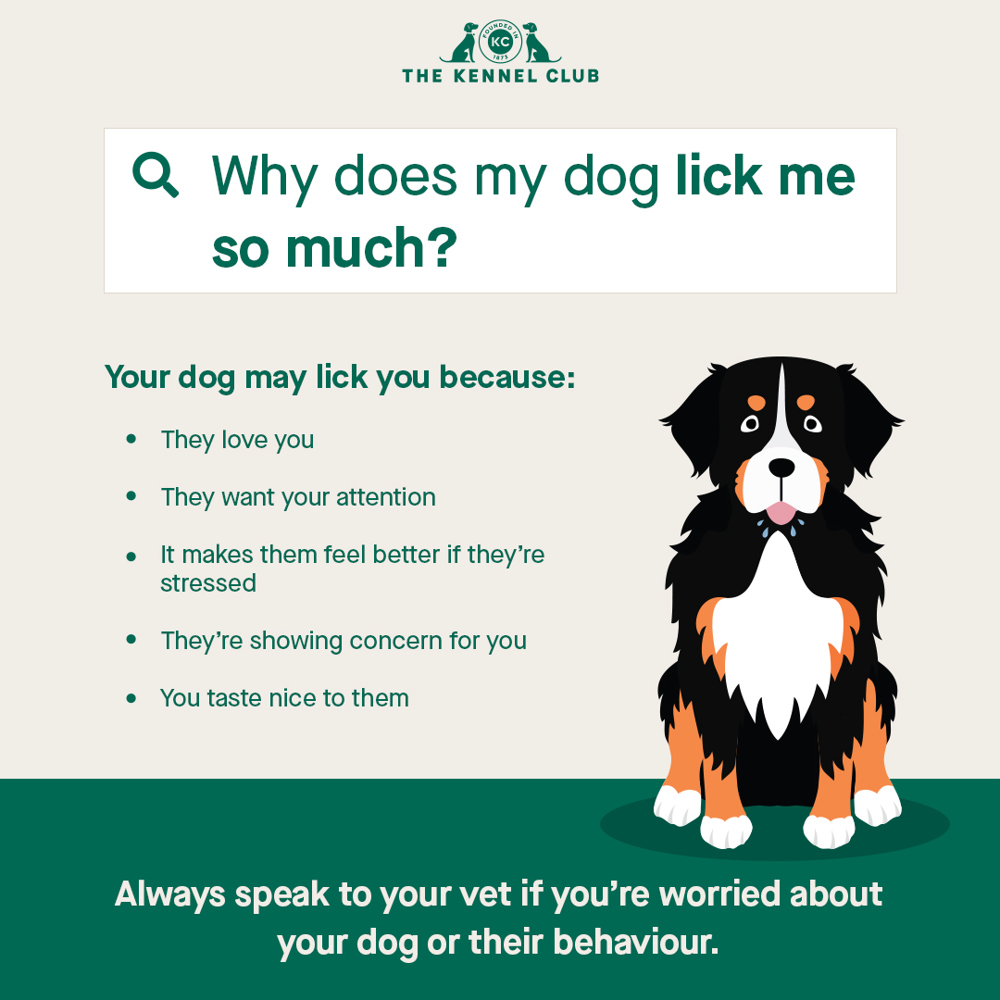
Image Source: www.thekennelclub.org.uk
Deciphering Your Dog’s Affection
Dogs are complex creatures. They show their love in many ways. A “kiss” from a dog is usually a lick. But a dog’s love is not only about licks. It is about many small actions. Learning these helps us see their love.
How Dogs “Kiss”
For dogs, licking is a common way to show affection. It is like how wolves would lick their pack members. This behavior starts when they are puppies. Their mothers lick them to clean and comfort them. As adults, dogs may lick you as a greeting. They might do it to ask for food or attention. They may also do it to show they see you as part of their family.
The meaning behind dog licking behavior depends on the context. A quick lick on your face might be a happy hello. A long, slow lick could be a sign of calm comfort. Some dogs may not lick you at all. This does not mean they do not love you. It just means they express themselves in other ways.
Different Ways Dogs Show Love
Dogs have many dog affection cues. Licking is just one. Here are other key ways dogs show love:
- Wagging Tail: A loose, high wag often means joy.
- Lean on You: When your dog leans against you, it shows they feel safe. It is a sign of trust and closeness.
- Following You: If your dog follows you from room to room, they want to be near you. They like your company.
- Eye Contact: Soft, relaxed eye contact means they feel connected. It shows they trust you. A hard stare means something else.
- Bringing Toys: They might bring you a toy. This means they want to play with you. It is a way to share joy.
- Sleeping Near You: Choosing to nap next to you or in your room shows they feel secure. It is a sign of deep bonding.
- Greeting You: A happy greeting when you come home is a clear sign of love. This might be jumping, tail wags, or happy noises.
- Asking for Pats: Nudging your hand or head-butting you gently means they want attention. They want your touch.
- A “Sigh”: A deep sigh when they are next to you means they are content. They feel relaxed and happy with you.
It is important to remember that dog shows affection differently. Not every dog will lick your face. Some dogs are more reserved. Some dogs are more physical. Your dog might show love in many of these ways. Look for all these signs. They paint a fuller picture of your dog’s feelings.
Grasping Dog Body Language Signs of Affection
Paying close attention to your dog’s body language is key. A happy dog has a relaxed body. Their ears might be soft. Their tail might be wagging loosely. They might look at you with soft eyes. If your dog comes to you and nudges your hand, that is a clear sign. If they lie down near you, it means comfort. These are all positive dog body language signs of affection. Learn to read these signs. They tell you a lot about your dog’s feelings for you.
Why Some Dogs Prefer Others
It can be puzzling when your dog greets visitors with licks. Then they give you only a polite sniff. There are several reasons why a dog prefers other people in certain situations. It rarely means they love you less.
Past Experiences and Trauma
Some dogs come from difficult pasts. They may have been abused or neglected. This can lead to canine bonding issues. They might be wary of people who are close to them. A new person might seem less threatening. This is because there is no history of bad events with that new person. The dog may feel safer expressing affection to someone they do not know well. This is a coping mechanism.
Owner’s Energy and Interaction Style
Dogs pick up on our emotions. If you are an anxious dog owner interaction can change. Your dog might sense your stress. They might feel your worry about their affection. This can make them hesitant. Dogs prefer calm, confident energy. If you are always trying to get them to “kiss” you, they might feel pressured. This can make them pull back.
New people often act very calm around dogs. They might not have any expectations. They just offer a friendly pat. This relaxed way of acting can make a dog feel more at ease. They might then feel free to give kisses.
Novelty and Excitement
New people bring new smells and energy. This can be exciting for a dog. They might greet visitors with more enthusiasm because of this novelty. This is common. Think about how children get excited by new toys. For dogs, a new person is like a new experience.
Different Ways of Greeting
How you greet your dog matters. Do you jump up and down? Do you hug them tightly? Some dogs do not like these actions. They might see them as too much. Visitors might greet your dog in a gentler way. They might let the dog come to them. This can make the dog feel more comfortable. They might then feel safe enough to offer licks.
Specific Reasons Dog Doesn’t Lick Owner
Beyond general preference, there are specific reasons dog doesn’t lick owner.
- Your Scent: Dogs smell everything. Your scent is always with them. It is familiar. A visitor’s scent is new. This newness might make them want to lick more. They want to “taste” and learn about the new person.
- Your Reaction to Licking: How do you react when your dog licks you? Do you pull away? Do you push them? Do you get too excited? Any of these reactions can teach your dog not to lick you. If you pull away, they learn that licking is not wanted. If you get too excited, they might stop doing it. They might get overwhelmed.
- Personal Space: Some dogs just do not like close face contact. They may not enjoy being licked or licking. This is a personal preference for the dog.
- Breed Traits: Some breeds are less prone to licking. Beagles might lick more. Basenjis might lick less. It can be part of their nature.
- Health or Pain: Less common, but pain can change behavior. If a dog is in pain, they might be less likely to lick. They might be trying to protect a sore spot. But this would likely come with other signs of pain.
| Reason for Preference | What it Means for Your Dog | How to Think About It |
|---|---|---|
| Past Trauma | Fear of close bonds | Not about you, but their past. |
| Owner’s Energy | Feels your stress | You are their comfort, so be calm. |
| Novelty/Excitement | Likes new things | Natural dog behavior, not a slight. |
| Different Greeting | Prefers gentle approach | Learn their preferred interaction. |
| Your Scent | Already knows your smell | No need to “investigate” you by licking. |
| Your Reaction | Learned not to lick you | Your actions shape their behavior. |
| Personal Space | Not all dogs like licking | Respect their individual nature. |
Rebuilding Connection and Trust
The good news is that you can always work on improving dog-owner relationship. You can strengthen your bond. You can encourage your dog to show more affection towards you. This is about building dog trust. It takes time and patience.
Create Positive Associations
Make every interaction with you a good one.
* Treats: Give your dog yummy treats when they are near you. Give them when they are calm.
* Praise: Use a soft, happy voice. Tell them they are a good dog.
* Gentle Pets: Pet them in places they like. This might be behind the ears or on their chest. Watch their body language. See if they lean into your touch.
* Calm Presence: Be a calm, steady presence for your dog. They should feel safe and happy when you are around.
Respect Their Space
This is very important. Do not force hugs or kisses. Let your dog come to you.
* No Forced Affection: Do not hold them down to cuddle. Do not try to kiss their face if they pull away.
* Let Them Approach: Sit on the floor. Let them come to you. Offer an open hand for them to sniff.
* Observe Comfort: Watch for dog body language signs of affection or stress. If they turn their head away, lick their lips, or yawn, they might be stressed. Give them space.
Play and Exercise
Playing together is a great way to bond. It is fun for both of you.
* Shared Activities: Fetch, tug-of-war, or walks are great. These build happy memories.
* Regular Playtime: Set aside time each day to play. This shows your dog you care about them. It also gives them needed exercise.
* Training Games: Make training fun. Use positive rewards. This builds trust and communication.
Consistent Routine
Dogs love routine. It makes them feel safe and secure.
* Predictable Schedule: Feed your dog at the same time each day. Walk them at the same time. This creates a sense of order.
* Reliable Care: Your dog knows they can count on you. This builds confidence and trust.
* Security: A consistent routine lowers anxiety. An anxious dog owner interaction can be tough. But a consistent routine helps your dog relax. This makes them more open to bonding.
Gentle Handling
Always be gentle with your dog.
* Soft Touches: Use slow, soft strokes. Avoid quick, sudden movements.
* Avoid Startling: Do not sneak up on your dog. Always let them know you are there.
* Safe Environment: Make sure your home is a calm, safe place for your dog.
Talk to Your Dog
Your voice is a powerful tool.
* Calm, Happy Voice: Use a soft, gentle, and happy tone. Dogs respond well to this.
* Conversational Tone: Talk to your dog. Tell them about your day. They may not understand the words. But they will understand your loving tone.
* Verbal Praise: Use specific praise words like “good dog” or “yes!”
Read Their Signals
Learn to read your dog’s signals. This will help you know when they are happy or stressed.
* Study Body Language: Pay attention to their ears, tail, eyes, and mouth.
* Recognize Discomfort: If they yawn, lick their lips, or look away, they might be uncomfortable. Stop what you are doing. Give them space.
* Spot Affection: Look for soft eyes, a relaxed body, and gentle leans. These are true dog affection cues. Respond to these in a positive way.
Addressing Specific Issues
Sometimes, there are deeper issues that need to be solved.
If Your Dog Was Abused
If your dog came from a bad past, patience is key.
* Go Slow: Do not rush them. Let them set the pace for your relationship.
* Professional Help: Consider working with a certified dog trainer. They can guide you. They can help your dog overcome fears.
* Safety First: Make sure your dog feels completely safe with you. Avoid anything that might remind them of their past. This is crucial for building dog trust.
If You Have High Anxiety
Your dog is very sensitive to your mood. If you are often anxious, your dog can feel it.
* Work on Yourself: Try to manage your own stress. This might mean exercise, meditation, or talking to someone.
* Calm Energy: Try to be calm and relaxed when you are around your dog. This helps them feel safe. It makes them more likely to bond. Anxious dog owner interaction can create distance. A calm presence can bring closeness.
If Your Dog Seems Afraid of You
This is a serious concern. It needs careful thought.
* Review Interactions: Think about how you act around your dog. Have you ever scared them? Have you used harsh words or punishments?
* Seek Help: Get help from a professional dog behaviorist. They can help figure out why your dog is afraid. They can create a plan to fix it. This is vital for improving dog-owner relationship.
Remember, every dog is an individual. What works for one dog might not work for another. The goal is a trusting, loving bond. It may not always include slobbery kisses. Your dog shows affection differently. Find out how they do. Cherish those moments.
Ways Dogs Show Love to Humans
| Dog Action | What it Looks Like | What it Means for You |
|---|---|---|
| Licking | Gentle licks on face, hands, or feet | Greeting, comfort, social bonding (“you’re part of my pack”). |
| Leaning/Nudging | Pressing their body against your legs or hand | Seeking comfort, wanting closeness, feeling secure. |
| Following You | Walking behind you from room to room, sitting near you | Wants to be near you, enjoys your company, feels safe with you. |
| Soft Eye Contact | Looking at you with relaxed, soft eyes (not staring) | Trust, affection, connection, a sign of deep bonding. |
| Bringing Toys | Carrying a toy to you and dropping it at your feet | Wants to play with you, sharing their joy, seeking interaction. |
| Happy Greetings | Wagging tail, jumping up (sometimes), happy vocalizations | Excited to see you, missed you, happy you’re home. |
| Sleeping Near You | Choosing to nap on your bed, couch, or floor nearby | Feels safe and secure in your presence, deep trust. |
| Soliciting Pats | Nudging your hand with their nose or head, pawing | Asking for attention, wants to be petted, enjoys your touch. |
| Showing Belly | Rolling onto their back, exposing their belly | Extreme trust, vulnerability, wants belly rubs. |
| A “Sigh” | A deep, relaxed sigh when next to you | Contentment, feeling relaxed and happy in your presence. |
This table covers many dog affection cues. Use it to help you read your dog better.
Frequently Asked Questions (FAQ)
Why does my dog lick my visitors but not me?
Your dog might lick visitors due to novelty. New people bring new smells and energy. This can excite a dog. Visitors also often greet dogs in a very calm, non-demanding way. They might not have the same expectations as you do. Your dog already knows your smell. They know your presence. They might just show affection differently to you. This is common.
Is it bad if my dog doesn’t lick me?
No, it is not bad. It does not mean your dog loves you less. Licking is only one of many ways a dog shows affection. Many dogs are not big lickers. They might show their love through leaning, following you, soft eye contact, or bringing you toys. Focus on all the ways your dog shows you they care.
How long does it take to build trust with a dog?
Building trust with a dog takes time. There is no set timeline. It depends on the dog’s past. It also depends on your efforts. For some dogs, trust builds quickly. For others, especially those with trauma, it can take months or even years. Consistency, patience, and positive interactions are key. Keep working on building dog trust every day.
Can I teach my dog to “kiss” me?
You can teach your dog to lick your hand on cue. Use positive reinforcement. Put a treat on your hand. Say “kiss.” When your dog licks the treat, say “yes!” and give them the treat. Repeat this many times. Your dog will learn to connect the word “kiss” with licking your hand. Do not force face licking. This is best if the dog offers it freely.
Should I be worried if my dog licks other people too much?
Usually, no. Excessive licking can be a sign of excitement or even mild anxiety in some dogs. It is often harmless. If it becomes a problem, you can teach your dog to greet people calmly. Ask your visitors to ignore the licking until the dog calms down. Then, they can give attention. This teaches your dog that calm greetings get rewards. If the licking seems very obsessive, speak to a trainer or vet.
In Summary
It can be hard when your dog showers others with licks but not you. Remember, dogs are unique. They show their love in many ways. Focus on the many dog affection cues your dog already gives you. Work on building dog trust through patience. Be consistent with calm, positive interactions. Soon, you will not need to solve why won’t my dog kiss me but kisses others mystery. You will see all the different ways your beloved dog shows you their deep love.