
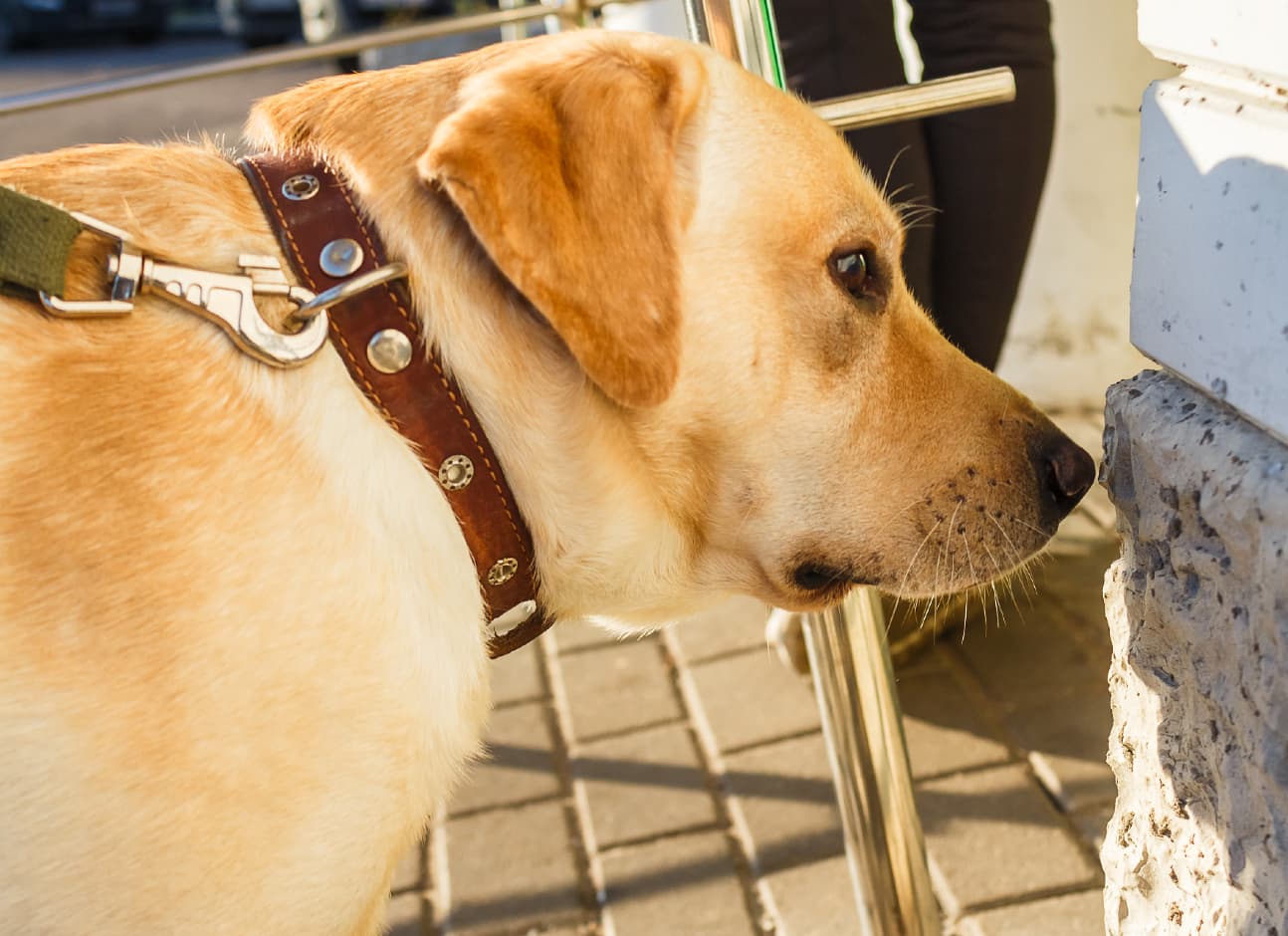
Image Source: modernvet.com
Uncovering Why Is My Dog Sniffing Me So Much: Top Reasons
Why is my dog sniffing me so much? Your dog sniffs you a lot because it is how they gather information about the world and about you. Dogs “see” with their noses. They use scent to learn about where you have been, what you have done, and even how you feel. This sniffing is a core part of how dogs communicate and connect. It tells them many things.
The Power of the Dog Nose: A Marvel of Nature
Dogs live in a world of smells. Their sense of smell is much stronger than ours. It is their main way to gather details. A dog’s nose is truly amazing.
The Amazing Dog Nose: More Than Just Sniffing
Dogs have up to 300 million scent receptors in their noses. Humans have about 6 million. This big difference helps dogs smell things we cannot even imagine. Their noses work in a special way. When a dog breathes, air goes into two paths. One path is for breathing. The other path is just for smelling. This means they can keep smelling even while they breathe.
They also have a special organ. It is called the vomeronasal organ. It is also known as Jacobson’s organ. This organ is in the roof of their mouth. It helps them detect pheromones. Pheromones are special chemical signals. They give out information about other animals. This includes health, mood, and if they are ready to mate. This organ is key for dog scent communication. It lets dogs pick up very hidden messages.
Scent as a Language: How Dogs “Read” the World
For dogs, smell is like reading a book. Every person, animal, and object has its own unique smell. These smells change over time. They tell a story. When your dog sniffs you, they are reading your scent story. They are gathering facts. They learn about your day. They learn about your health. They learn about your feelings. This is why dog sniffing behavior explained always starts with their powerful nose.
Imagine trying to understand the world only by touch. That is a bit like how dogs use smell. They use it for greetings. They use it for hunting. They use it to find things. They use it to know who is around. It is their primary sense for everything.
Primary Reasons for Your Dog’s Sniffing Habits
Your dog sniffs you for many reasons. Most of these reasons are normal and healthy. They show your dog cares about you. They want to know what is going on.
Greetings and Gathering New Information
This is one of the most common reasons. When you come home, your dog runs to you. They often sniff you from head to toe. They want to know where you have been. They want to know who you met.
- Your Journey’s Scent Trail: You carry smells from outside. You might have walked past other dogs. You might have touched different people. You might have been near certain foods. Your dog smells all of these. They learn about your day. They learn where you went.
- Meeting New “Friends”: If you pet another dog, your dog will know. They will smell that other dog’s scent on you. This helps them know about your interactions. It is like you telling them, “I met a new dog!” This is a classic example of dog sniffing behavior explained.
- Checking Your Status: Are you tired? Are you happy? Did you just eat? All these things change your scent. Your dog picks up on these small changes. This is part of why a dog constantly sniffing owner is normal. They are just catching up.
Deciphering Your Emotions and Health
Dogs can pick up on subtle changes in your body chemistry. These changes release different smells. This means they can tell how you feel. They can even sense if you are ill.
- Smelling Your Feelings: When you feel happy, stressed, or scared, your body releases certain hormones. These hormones have smells. Dogs can detect these. If you are anxious, your dog might sniff you more. They might be trying to understand your new smell. This is part of dog smelling changes in owner.
- Detecting Illness or Sickness: Your dog’s nose is so good. They can sometimes sense changes that mean you are sick. This is why is my dog checking my health is a real question. Dogs trained to detect diseases like cancer or diabetes can smell specific chemicals. These chemicals are released by the body when it is sick. Even untrained dogs might notice subtle changes in your scent. If your dog suddenly starts sniffing a specific part of your body a lot, it might be worth paying attention.
- Noticing Hormonal Shifts: Dogs can often detect big hormonal changes. This includes pregnancy in women. They can smell the new hormones. This can lead to increased sniffing. They are trying to figure out what is different.
Investigating Unique Body Scents
This is often the most awkward reason for us humans. Your dog might sniff your private areas. This behavior is natural for dogs. It is how they get a lot of information.
- The Power of Apocrine Glands: Humans have sweat glands. Some are called apocrine glands. These glands are mostly in areas like armpits and the groin. They release special scents. These scents are unique to each person. They can tell a dog a lot about you.
- Pheromones and Information: These glands release pheromones. These are chemical signals. For dogs, sniffing these areas is like a handshake for humans. It is a way to get a lot of personal information quickly. It tells them about your mood, your health, and your unique identity. So, why do dogs sniff crotch is simply because those areas hold a wealth of scent information for them. It is not rude to them. It is normal.
Reinforcing Bonds and Affection
Sometimes, sniffing is a sign of love and comfort. Your dog is checking in on you.
- A Comforting Check-in: Sniffing can be a way for your dog to make sure you are okay. It is a loving check-in. They might sniff you gently. This can be followed by leaning on you. It can also be followed by licking.
- Dog Sniffs Me Then Licks: If your dog sniffs you and then licks you, it is often a sign of affection. They are showing you they care. The sniffing first helps them get more information. Then, the licking reinforces the bond. It is a display of love and loyalty. Licking also helps them “taste” your scent more deeply.
Seeking Attention or Reassurance
Your dog might sniff you to get your attention. They might want something.
- “Pay Attention to Me!”: If your dog wants to play, food, or a walk, they might sniff you first. It is their way of saying, “Hey, I’m here! Let’s do something!”
- Looking for Comfort: If your dog feels worried, they might sniff you. They are looking for reassurance. They want to know you are there for them. Your scent can be a source of comfort for them.
Environmental Cues You Carry
You pick up many scents from your environment. Your dog wants to know about these.
- The Outside World on You: If you walk through a park, you bring park smells home. If you visit a friend with a cat, you bring cat smells home. Your dog sniffs these smells. They learn about your recent adventures. It is like they are asking, “What new and exciting smells did you bring back for me today?”
Interpreting Dog Sniffing Body Language
Sniffing is not just about the nose. Your dog’s whole body tells a story. Watching their dog sniffing body language can give you more clues.
- Relaxed Sniffing: If your dog is calm and their tail is wagging gently, their sniffing is likely curious. They are just gathering info. Their ears might be relaxed. Their body posture will be loose.
- Focused Sniffing: If your dog is sniffing hard, with their body very still, they are likely focused. They might have found a very interesting scent. Their tail might be low or slightly up. Their ears might be forward.
- Anxious Sniffing: If your dog sniffs nervously, with their tail tucked or body low, they might be worried. They could be checking for threats. Or they might be trying to understand a new or scary scent. Their body might be tense. They might avoid eye contact.
- Playful Sniffing: Sometimes, sniffing can lead to play. Your dog might sniff, then do a play bow. This means they want to engage with you. Their body will be bouncy. Their tail will wag widely.
This table shows some common body language cues with sniffing:
| Sniffing Behavior | Body Language Cues | Possible Meaning |
|---|---|---|
| Gentle Sniffing | Relaxed tail, loose body | Curiosity, greeting, affection |
| Intense Sniffing | Still body, focused eyes | Deep investigation, strong interest |
| Quick Sniffs | Bouncy, playful posture | Seeking attention, inviting play |
| Nervous Sniffing | Tail tucked, low posture | Anxiety, seeking reassurance |
| Sniff then Lick | Relaxed, soft eyes | Affection, bonding, comfort |
When Sniffing Becomes Excessive: When to Pay Closer Attention
Most excessive dog sniffing is normal. But sometimes, it can signal a problem. This is when your dog’s sniffing changes a lot or becomes very obsessive.
A Change in Normal Behavior
If your dog suddenly starts sniffing you much more than usual, something might be different.
- New Obsession: Are they sniffing a specific spot on your body for a long time? Do they ignore other things they used to care about? This could be a sign.
- Paired with Other Signs: Is the sniffing joined by other odd behaviors? This could include whining, restlessness, loss of appetite, or hiding. These combined signs can mean a problem.
Possible Underlying Issues
While rare, very obsessive sniffing can point to health or behavior problems.
- Medical Issues in Your Dog: Sometimes, a dog that sniffs you constantly might have an underlying medical issue of their own. They might be in pain. They might be sick. They might be trying to cope. The sniffing could be a self-soothing behavior. Or they might be trying to communicate their own discomfort.
- Stress or Anxiety in Your Dog: Dogs who are stressed or anxious might show new habits. Excessive sniffing can be one of them. They might be trying to gain control of their environment. They might be trying to calm themselves down. This is part of excessive dog sniffing.
- Behavioral Problems: Some dogs develop obsessive habits. This can include sniffing. This is less common. It often happens if a dog is bored or lacks enough mental stimulation.
When to See Your Vet
If you notice a sudden, big change in your dog’s sniffing habits, talk to your vet.
- Sudden Onset: The sniffing started all at once.
- No Obvious Reason: You cannot figure out why the sniffing changed.
- Other Symptoms: Your dog also shows other worrying signs. These could be limping, sickness, or changes in how they eat.
- Persistent Behavior: The sniffing goes on for many days. It does not get better.
Your vet can check your dog. They can rule out any health problems. They can also help you understand if it is a behavior issue.
Living with a Sniffy Dog: Tips for Owners
Your dog’s nose is their superpower. Here are some ways to live well with their natural sniffing behavior.
Respect Their Nose
Let your dog sniff. It is natural for them. Do not pull them away from interesting smells too fast. Let them take their time. This allows them to process their world.
- On Walks: Allow sniff breaks. Do not rush them. Letting them sniff makes walks more fun for them. It tires them out mentally.
- At Home: Let them sniff your clothes. Let them sniff new items you bring in. This helps them stay informed.
Provide Mental Enrichment
Give your dog fun ways to use their nose. This helps them use their natural urges in good ways.
- Scent Games: Hide treats around the house. Let them sniff them out.
- Puzzle Toys: Toys that make your dog work for food. They often involve sniffing.
- Snuffle Mats: Mats with many fabric strips. You hide treats inside. Your dog has to sniff to find them.
- Nose Work Classes: These classes teach your dog to find specific scents. It is a great mental workout.
Do Not Punish Sniffing
Never scold or punish your dog for sniffing. It is their most basic instinct. Punishing them can confuse them. It can also harm your bond. They are not being rude. They are just being a dog.
Give Them Attention When Needed
If your dog is sniffing you for attention, give it to them! A quick pat, a kind word, or a short play can meet their need. This shows them you understand their signals.
Concluding Thoughts: The Unseen World of Scent
Your dog sniffing you often is a sign of a healthy, curious companion. Their powerful nose helps them gather information. It helps them communicate. It helps them bond with you. From basic greetings to sensing your feelings and health, your dog’s nose is always working.
By appreciating their amazing sense of smell, you can better understand your furry friend. You can also make sure their world is full of rich, interesting scents. This allows them to thrive. So, next time your dog gives you a good sniff, know that they are just saying, “Hello, tell me your story!”
Frequently Asked Questions (FAQ)
Q1: Is it bad if my dog sniffs my private areas a lot?
A1: No, it is not bad. It is a very normal dog behavior. Dogs use their noses to gather a lot of information. Private areas have many scent glands. These glands give off unique smells. These smells tell dogs about your identity, health, and even mood. It is their way of getting to know you better. It is like a human handshake for them.
Q2: Can my dog really tell if I am sick just by sniffing me?
A2: Yes, they can. Dogs have an incredible sense of smell. They can detect very small changes in your body chemistry. These changes can happen when you are sick. These changes create different smells. Dogs trained to detect diseases are taught to find these specific smells. Even untrained dogs might notice subtle changes. If your dog suddenly focuses on sniffing a specific part of your body, it might be worth noting.
Q3: Why does my dog sniff me then lick me?
A3: When your dog sniffs you then licks you, it is often a sign of affection. The sniffing helps them gather information about you first. Then, the licking reinforces your bond. It is a way for them to show love and comfort. Licking also allows them to “taste” your unique scent more deeply. It is a very positive interaction.
Q4: My dog never used to sniff me this much, but now they do. Should I be worried?
A4: A sudden big change in behavior can sometimes mean something. If your dog starts sniffing you a lot more than usual, look for other signs. Is the sniffing new and very obsessive? Are they also acting sick or stressed? If so, it is a good idea to talk to your vet. They can check your dog for any health issues. They can also give advice on behavior changes. Most times, it is normal, but it is always best to check if you are worried.
Q5: How can I help my dog use their amazing sense of smell?
A5: You can help your dog use their nose in fun ways. This makes them happy and mentally tired. Let them sniff on walks. Do not rush them. Play scent games at home. Hide treats and let them find them. Use puzzle toys or snuffle mats. These toys make them use their nose to get food. You can also look into nose work classes. These classes teach your dog to find specific scents.