
Okay, let’s find out why your dog is panting so heavily.
When your dog pants heavily, it can mean many things. Most often, panting is how dogs cool themselves down, especially after playing or being in warm weather. But sometimes, heavy panting can show that your dog is hot, scared, in pain, or even has a health problem like trouble breathing or heart issues.
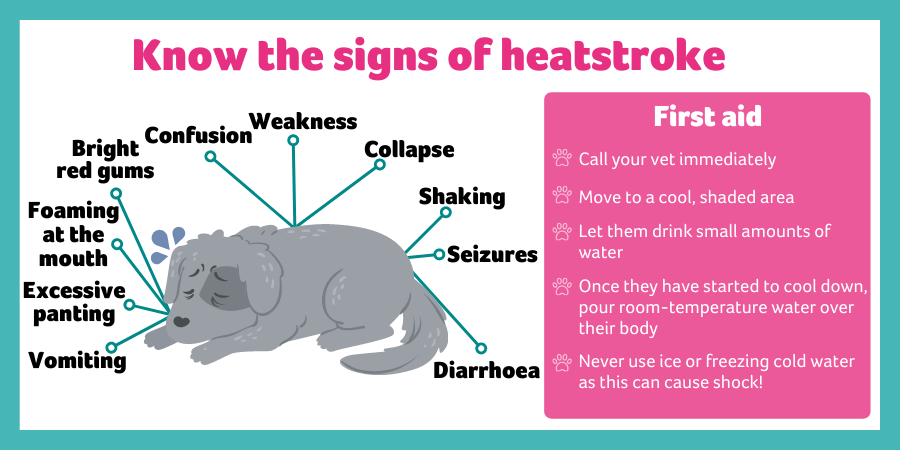
Image Source: www.pdsa.org.uk
The Basics of Dog Panting
Panting is normal for dogs. It’s how they manage their body heat because they don’t sweat much through their skin like people do. They only sweat a little through their paw pads.
Think of panting as a dog’s air conditioner. When a dog pants, they quickly breathe air in and out over their tongue, mouth, and the lining of their lungs. As air passes over these moist surfaces, water turns into vapor and takes heat with it. This cools the dog down.
Besides cooling off, dogs might pant heavily for other normal reasons:
- After Exercise: Just like you breathe hard after running, dogs pant after playing fetch, running, or a long walk. Their body worked hard and needs to cool down and get more oxygen.
- When Excited: Dogs sometimes pant when they are very happy or excited, like when you come home, or they are about to get a treat or go for a walk. It’s part of their body reacting to strong feelings.
- Being Warm: Simply being in a warm room or lying in the sun can make a dog pant to stay cool.
These kinds of panting usually stop once the dog cools down, rests, or the exciting thing is over. The panting should settle back to normal.
When Panting is More Than Normal
Sometimes, heavy panting is a sign that something isn’t right. It might be too much heat, feeling scared, being in pain, or a health problem inside their body. Knowing the difference is important for your dog’s health.
Too Much Heat
Heat is a big reason dogs pant a lot. They can get hot very quickly, especially if they are in warm places, exercising in heat, or are breeds with short noses (like Pugs or Bulldogs).
Recognizing dog overheating symptoms
If your dog is getting too hot, you will likely see heavy panting first. But there are other signs too. It’s important to spot these early.
Common dog overheating symptoms include:
- Very Fast, Heavy Panting: Much harder and faster than normal panting.
- Bright Red or Dark Pink Gums/Tongue: This shows blood rushing to the surface to cool down.
- Thick, Sticky Saliva: The dog might drool a lot, and the spit looks thick.
- Acting Tired or Weak: They might look floppy, tired, or unsteady on their feet.
- Trouble Walking: They might stumble or seem dizzy.
- Vomiting or Diarrhea: Upset tummy can happen.
If you see these signs, you need to act fast to cool your dog down. Get them to a cooler place right away.
Spotting signs of heatstroke in dogs
Heatstroke is a very serious medical problem. It happens when a dog’s body gets dangerously hot (usually over 105°F or 40.5°C) and can’t cool down on its own. It’s more serious than just being hot. Signs of heatstroke in dogs are an emergency!
Signs of heatstroke are more severe and need quick vet help:
- Extreme, Uncontrolled Panting: The panting is very, very heavy and doesn’t slow down.
- Gums Turn Pale or Bluish: Instead of red, the gums might look very pale or even have a blue tint. This is very bad.
- Collapsing or Seizing: The dog might fall over, not be able to stand, or have fits.
- Mentally Not There: They might seem confused, not respond to you, or even pass out.
- Body Feels Very Hot to Touch: Their skin can feel burning hot.
- Vomiting Blood or Bloody Diarrhea: Very serious signs of internal problems.
If you see any signs of heatstroke in dogs, you need to call a vet right away and start cooling your dog down carefully while you get to the vet. Use cool (not ice-cold) water on their body, especially belly, groin, and armpits. Do NOT use ice, as it can make things worse. Offer small amounts of cool water to drink if they are able.
Feeling Scared or Worried
Dogs can feel worried or scared, just like people. This can cause them to pant a lot, even when they aren’t hot or haven’t exercised. This is called dog anxiety panting.
What dog anxiety panting looks like
Dog anxiety panting often happens when a dog feels stressed. It’s not just about being hot.
Here are signs that heavy panting might be from anxiety:
- Panting When Not Hot or Tired: It happens in a cool room or when the dog has been resting.
- Panting Comes With Other Stress Signs: Licking lips, yawning a lot (when not tired), showing the whites of their eyes, tucked tail, trying to hide, shaking or trembling.
- Panting While Being Restless: Often, an anxious dog can’t settle down. They pace, shift positions a lot, lie down then stand up right away. This is the classic
dog panting and restlessbehavior. - Happens During Trigger Events: Panting might start when you leave the house (separation anxiety), during storms or fireworks (noise phobia), or around new people or places.
If you notice dog anxiety panting, try to figure out what is scaring your dog. Helping them feel safe and calm is key. This might mean comforting them (sometimes, sometimes not – depending on the dog and the advice of a trainer), giving them a safe space, using calming tools (like diffusers or vests), or working with a trainer or vet on behavior plans.
Hurts Somewhere
Pain is another hidden reason for heavy panting. Dogs can’t tell us “ouch,” so we have to look for other signs of pain in dogs. Panting is one important sign.
How pain shows up
If your dog is panting heavily and there’s no clear reason like heat, exercise, or stress, consider if they might be in pain. Panting from pain might happen because the dog’s body is reacting to the hurt, or they are stressed because they don’t feel well.
Other signs of pain in dogs you might see along with panting:
- Changes in How They Walk or Move: Limping, being slow to get up or lie down, not wanting to jump or go up stairs.
- Not Wanting to Be Touched: Especially in a certain spot. They might pull away, growl, or snap if you go near a sore area.
- Less Active: Not wanting to play or go for walks.
- Changes in Eating or Drinking: Eating less or not at all.
- Changes in Sleeping: Sleeping more or less than usual.
- Being Quiet or Hiding: Acting withdrawn.
- Restlessness: Like anxiety panting, pain can also make a dog
panting and restlessbecause they can’t find a comfortable spot. - Licking or Chewing a Certain Spot: Trying to soothe the painful area.
- Changes in Face: Eyes might look different, eyebrows might be raised, or they might hold their mouth tight.
If you suspect your dog is panting heavily because of pain, it’s important to see a vet. They can figure out where the pain is coming from and help manage it.
Trouble Breathing
Problems with a dog’s lungs, throat, or airways can make them pant heavily because they are trying hard to get enough air. This is especially common in breeds with flat faces (like Bulldogs, Pugs, Boxers).
Different kinds of breathing problems
Breathing problems can range from mild to very serious. They can happen in the upper airway (nose, throat) or the lower airway (lungs).
Heavy panting can be a sign of dog respiratory problems symptoms. Some examples include:
- Laryngeal Paralysis: The voice box doesn’t open wide enough when the dog breathes in, making it hard to get air. This often causes noisy breathing and heavy panting, especially when warm or exercising.
- Tracheal Collapse: The windpipe gets weak and can flatten, making it hard for air to pass. Common in small breeds, causing a honking cough and heavy panting.
- Pneumonia: Infection in the lungs.
- Fluid in the Lungs or Chest: Can happen from heart problems or other issues, making it hard for the lungs to work.
- Allergies or Asthma: Can make airways smaller.
- Objects Stuck in Airway: Something caught in the throat or windpipe.
Other dog respiratory problems symptoms
Besides heavy panting, look for these dog respiratory problems symptoms:
- Noisy Breathing: Wheezing, rattling, or a high-pitched sound when breathing in (stridor).
- Coughing: Can be dry, wet, or sound like gagging.
- Gagging or Retching: Trying to cough something up.
- Fast Breathing Rate (Even when resting): Taking many breaths per minute, even without panting.
- Blue or Purple Gums/Tongue: This is an emergency! It means they aren’t getting enough oxygen. Call a vet immediately.
- Standing with Elbows Out: Dogs sometimes stand like this to try and open up their chest more to breathe better.
- Not Wanting to Lie Down: May prefer to sit or stand to breathe more easily.
Any time your dog seems to be struggling to breathe or their gums look blue, get to a vet right away.
Problems with the Heart
Heart disease can also cause heavy panting, especially as it gets worse. When the heart doesn’t pump blood well, the body doesn’t get enough oxygen, and fluid can build up in the lungs (like with respiratory problems).
How heart issues affect breathing/panting
If a dog has heart disease, the heart might struggle to pump blood around the body. This can mean:
- Not enough oxygen-rich blood reaches the muscles and organs.
- Fluid starts to back up, often into the lungs.
Both of these make it hard for the dog to breathe normally. They might pant heavily to try and get more oxygen or because the fluid in their lungs feels like they are drowning a little. Panting from heart issues often gets worse when the dog is exercising or excited.
Other dog heart disease symptoms
Heavy panting, especially after mild effort or even at rest, can be one of the first dog heart disease symptoms you notice.
Look for these other dog heart disease symptoms:
- Coughing: Often sounds like a dry cough, especially after exercise or excitement, or at night.
- Getting Tired Quickly: Not able to exercise as long as they used to. Getting tired on walks they used to do easily.
- Less Interested in Play: Don’t have the energy.
- Weight Loss: Losing weight even if eating normally.
- Swollen Belly: Fluid can build up in the belly area.
- Fainting or Collapsing: If the brain isn’t getting enough oxygen.
- Restlessness at Night: Often linked with coughing or difficulty breathing when lying down (can be similar to
dog panting at night).
If you see these signs, especially along with heavy panting, have your dog checked by a vet. Heart disease can often be managed with medicine, which can improve their quality of life and reduce symptoms like heavy panting and coughing.
Other Health Issues
Besides the main reasons, a few other health problems can cause heavy panting:
- Cushing’s Disease: This is a problem where the body makes too much of a certain hormone (cortisol). Dogs with Cushing’s often have a pot belly, thin skin, drink and pee a lot, and pant heavily more than normal.
- Bloat (GDV): This is a life-threatening emergency where the stomach fills with gas and can twist. Heavy panting can be a sign, but it comes with a swollen belly, retching (trying to vomit but nothing comes up), restlessness (
dog panting and restless), and pain. This is an emergency! Get to a vet immediately. - Certain Medications: Some medicines, like certain steroids (e.g., Prednisone), can cause increased panting as a side effect. If your dog is on new medication and starts panting heavily, ask your vet if it could be related.
- Fever: If a dog has a fever, their body temperature is higher than normal, which can make them pant more to try and cool down.
- Anemia: Not enough red blood cells to carry oxygen. The dog pants more to try and get enough oxygen.
- Neurological Issues: Problems with the brain or nerves can sometimes affect breathing patterns or cause anxiety leading to panting.
These are less common causes of excessive panting in dogs but are still possibilities your vet might consider.
Panting Indoors or At Night
Sometimes, heavy panting seems to happen for no reason, especially when your dog is inside the house or when it’s time to sleep. Why is my dog panting indoors or dog panting at night?
Panting indoors could still be due to heat if the house is warm, or if the dog is in a sunny spot, or if they just exercised inside.
But if your dog panting indoors seems unusual, especially if the house is cool, it points more towards one of the non-heat reasons:
- Anxiety: They might be worried about something happening inside, or it could be general anxiety that shows up when they are supposed to be relaxing.
- Pain: Pain can be more noticeable when a dog is quiet and not distracted by activity. Lying down might put pressure on a sore spot.
- Respiratory or Heart Problems: Similar to pain, breathing or heart issues might be more obvious when the dog is resting or trying to sleep. Fluid in the lungs from heart problems can make it hard to breathe when lying down flat.
- Medication Side Effects: Some meds cause panting around the clock.
- Cushing’s Disease: This condition often causes increased panting no matter the temperature or time of day.
If your dog panting at night is keeping them (and you) awake, it’s often a sign that something needs checking. It could be pain (can’t get comfy), anxiety (noise outside, separation stress), or breathing/heart issues (worse when lying down). These situations definitely warrant a chat with your vet.
Putting the Pieces Together: The Causes of Excessive Panting in Dogs
So, looking at all this, the causes of excessive panting in dogs are varied. We can group them:
- Normal Body Function: Cooling down, exercise, excitement. (Usually stops when the reason is gone).
- Heat-Related Problems: Overheating or the dangerous
signs of heatstroke in dogs. (Needs fast action to cool). - Emotional Distress:
Dog anxiety panting, often seen withdog panting and restlessbehavior. (Needs calming and managing anxiety). - Pain:
Signs of pain in dogscan include panting. (Needs vet to find and treat pain). - Breathing Issues:
Dog respiratory problems symptomsmaking it hard to get air. (Needs vet check for airways/lungs). - Heart Problems:
Dog heart disease symptomsaffecting oxygen and causing fluid build-up. (Needs vet for diagnosis and management). - Other Illnesses or Medicines: Cushing’s, fever, anemia, certain drugs. (Needs vet to figure out the underlying cause).
The key is to watch your dog closely. When do they pant heavily? What else is happening? Are there other signs like restlessness, coughing, or hiding pain?
When to See the Vet
If you are ever worried about your dog’s panting, it’s best to call your vet. They are the best ones to figure out what’s going on.
You should see the vet right away (emergency vet if needed) if:
- Panting starts suddenly and is very heavy, especially if it’s not hot or they haven’t exercised.
- Panting is happening with
signs of heatstroke in dogs(collapsing, bluish gums, confusion, extreme hot body). - Panting comes with extreme
dog panting and restlessbehavior that won’t stop, especially with a swollen belly (could be bloat). - Your dog’s gums or tongue look blue, purple, or very pale.
- Panting is happening with severe
dog respiratory problems symptomslike struggling to breathe, loud noises when breathing, or constant coughing. - Your dog collapses or faints.
You should schedule a regular vet visit soon if:
- Heavy panting seems new or is getting worse.
- Your dog is panting heavily indoors or
dog panting at nightoften. - Panting is happening along with other
signs of pain in dogsordog heart disease symptomsor other new signs (coughing, getting tired easily, weight change, drinking/peeing more). - Panting seems related to anxiety, and you can’t manage it on your own.
- Your dog is a flat-faced breed and seems to struggle breathing often, even in mild temperatures.
Don’t wait and hope it gets better if you see concerning signs. It’s always better to be safe and have your vet check things out.
Keeping Your Dog Comfortable
While you’re figuring out why your dog is panting heavily, or after you’ve seen the vet, here are some ways to help them feel better:
- Keep them Cool: Always make sure they have access to fresh, cool water. On warm days, provide shade. Use fans or air conditioning indoors. Avoid walks or heavy play during the hottest parts of the day. Consider cooling mats or vests.
- Manage Exercise: Adjust exercise based on the weather and your dog’s health. Short walks in cooler times of the day might be better than long runs in the heat.
- Help with Anxiety: Identify what makes your dog anxious. Create a safe space for them. Use calming music, diffusers, or toys. Talk to your vet or a trainer about behavioral help or medicine for severe anxiety.
- Pain Management: If your vet finds pain, follow their plan for medicine or other treatments to help your dog feel more comfortable.
- Follow Vet Advice: For respiratory, heart, or other health issues, stick to the vet’s treatment plan. This often includes medicine that can greatly improve your dog’s breathing and reduce panting.
- Maintain a Healthy Weight: Being overweight makes it harder for dogs to cool down and puts more stress on their heart and lungs.
Frequently Asked Questions (FAQ)
Here are some common questions people ask about their dog’s panting.
Q: Is it normal for my dog to pant really hard after playing fetch?
A: Yes, this is usually normal. Playing is exercise, and dogs pant heavily to cool down after being active. The panting should slow down as they rest.
Q: My dog is panting heavily in the house, but it’s not hot. Why?
A: If it’s not hot, panting indoors could mean they are feeling anxious, are in pain, or have an underlying health problem like breathing issues or heart disease. Watch for other signs like restlessness, licking lips, coughing, or getting tired easily.
Q: Why does my dog pant so much at night?
A: Panting at night can be due to feeling too warm indoors, but it often points to anxiety, pain that is more noticeable at rest, or breathing/heart problems that make it hard to lie down and breathe well.
Q: How can I tell if my dog is panting because they are scared?
A: Panting from fear or anxiety usually happens during stressful events (storms, being left alone) and comes with other signs like shaking, hiding, yawning a lot, licking lips, or being restless and unable to settle down (dog panting and restless).
Q: What are the main signs of heatstroke in dogs I should watch for?
A: Very serious signs of heatstroke in dogs include extreme, uncontrollable panting, gums that are pale or blue, collapsing, seizures, not responding to you, and a body that feels burning hot. This needs emergency vet care.
Q: Can panting mean my dog is in pain?
A: Yes, panting can be one of the signs of pain in dogs. If panting is unusual and happens with other signs like limping, not wanting to be touched, changes in behavior, or restlessness, pain could be the cause.
Q: My dog has a cough and pants a lot. What could that mean?
A: A cough and heavy panting together can be signs of dog respiratory problems symptoms (like kennel cough, pneumonia, or airway issues) or dog heart disease symptoms (fluid buildup in the lungs). A vet needs to check this out.
Q: Are some dog breeds more likely to pant heavily?
A: Yes. Breeds with flat faces (like Bulldogs, Pugs, Boston Terriers) often pant more heavily because their airways are smaller. Older dogs and overweight dogs may also pant more easily.
Q: Can giving my dog medicine make them pant?
A: Yes, some medications, especially steroid drugs like Prednisone, can cause increased panting as a side effect. If your dog started a new medicine and is panting more, ask your vet if it’s expected.
Wrap Up
Seeing your dog pant heavily can be worrying. Most times, it’s just their normal way of cooling down or catching their breath. But it’s really important to know the other causes of excessive panting in dogs and when it might mean something serious like dog overheating symptoms, signs of heatstroke in dogs, dog anxiety panting, signs of pain in dogs, dog respiratory problems symptoms, or dog heart disease symptoms.
Pay attention to when the panting happens (hot day, at night, indoors, after exercise), what it looks like (how fast, how deep), and if there are any other signs like restlessness (dog panting and restless), coughing, weakness, or changes in behavior.
If you are ever unsure or worried, the best thing you can do for your furry friend is to call your vet. They can help you figure out why your dog is panting heavily and make sure they get the care they need to stay healthy and happy.