
If your dog’s head feels hot, it often means their body temperature is higher than normal. This could be a sign of a fever, heatstroke, or other health issues. Sometimes, a hot head is just from lying in the sun or exercising. However, it’s key to know the difference. Normal dog temperature dog ranges from 100 to 102.5 degrees Fahrenheit (37.8 to 39.2 degrees Celsius). If your dog feels hot to touch, especially their head or ears, and acts unwell, it’s time to pay close attention.
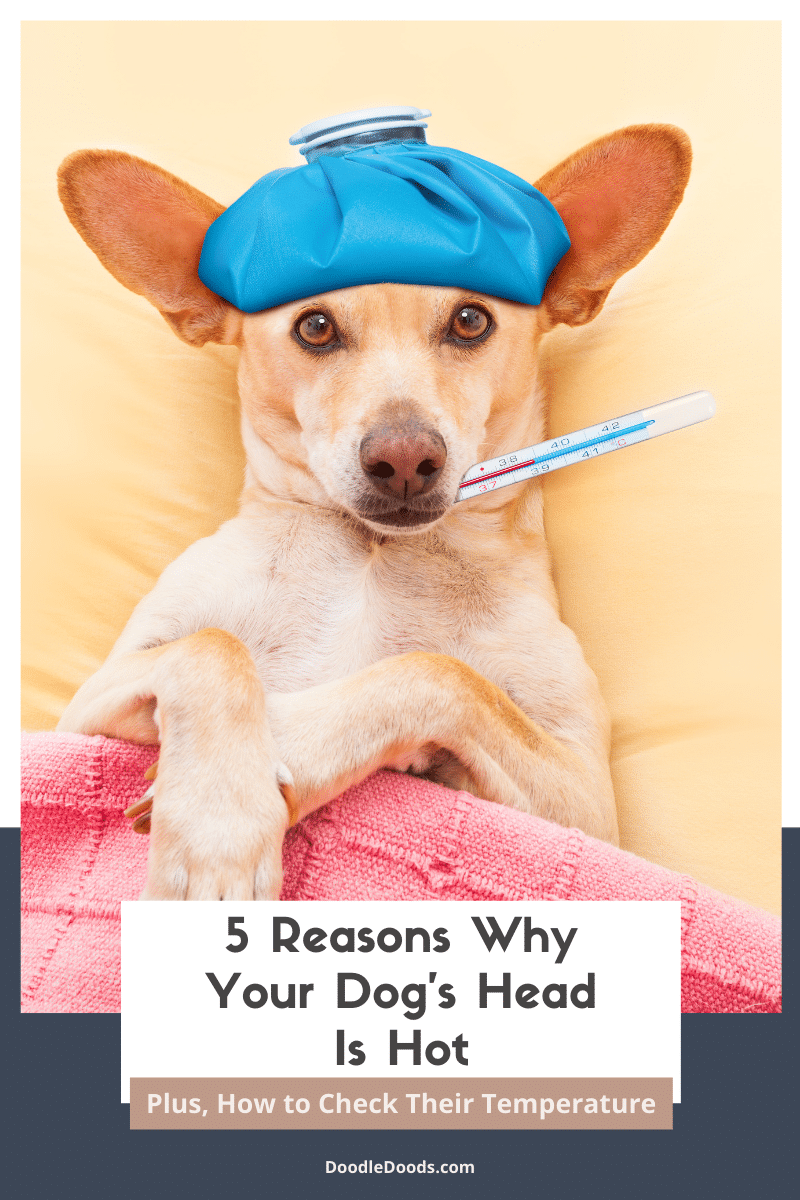
Image Source: doodledoods.com
Deciphering Your Dog’s Body Heat: When to Be Concerned
A dog’s body temperature is important. It tells us much about their health. A hot head can be one of the first signs of trouble. This is especially true if your dog hot ears. Their ears often feel warmer than the rest of their body. This is because they have many blood vessels. But if the ears feel very hot, and your dog also shows other signs, it might be a worry.
What Is a Normal Temperature?
Knowing your dog’s normal temperature is the first step. As mentioned, it’s usually between 100 and 102.5°F (37.8 and 39.2°C). A temperature above 103°F (39.4°C) is usually a fever. A temperature over 106°F (41.1°C) is an emergency. It can lead to serious organ damage.
How to Check Your Dog’s Temperature Safely
You can check your dog’s temperature at home. Use a digital rectal thermometer made for pets. You can get these at pet stores or drugstores.
Here are the steps:
* Get a pet-safe digital thermometer.
* Put some pet-safe lube, like petroleum jelly, on the tip.
* Have someone gently hold your dog still.
* Lift your dog’s tail. Gently put the thermometer into their rectum. Go in about one inch.
* Hold it there until it beeps. This takes about 30 to 60 seconds.
* Read the temperature. Write it down. This helps you track it.
* Clean the thermometer well after use.
When a Hot Head Is Not a Big Deal
Sometimes, a hot head is normal. It does not mean your dog is sick.
* After Exercise: If your dog just played hard, their body temperature will rise. This is like when humans get hot after running. Their head might feel warm.
* Warm Environment: If your dog was lying in the sun, under a blanket, or in a warm room, they might feel hot. This is normal.
* Excitement: Strong feelings like excitement can also make a dog feel warm.
* Sleeping: Dogs can feel warm when they are sleeping deeply. This is because their body is resting.
If your dog feels hot but is acting normal, give them a quiet, cool place to rest. Offer fresh water. If they cool down and act fine, there’s likely no problem.
Key Dog Fever Symptoms
If your dog’s head is hot, look for other dog fever symptoms. These signs tell you if the heat means something more serious.
* Lethargy: Your dog might be very tired. They might not want to play. They may not want to move much. This is often called lethargic dog warm head. They may seem weak or slow.
* Loss of Appetite: They might not want to eat their food. They may turn away from treats.
* Shivering: Dogs can shiver even when they have a fever. This is their body’s way of trying to get warmer.
* Panting: They might pant more than usual. This is a way for dogs to cool down. If they pant a lot without exercise, it’s a warning sign.
* Vomiting or Diarrhea: These can be signs of infection or other issues causing a fever.
* Runny Nose or Eyes: They might have discharge from their nose or eyes. This can be clear or colored.
* Coughing or Sneezing: Like humans, dogs can cough or sneeze if they have a respiratory illness.
* Warm Ears or Nose: Along with a hot head, their ears and nose might feel very warm and dry.
* Change in Behavior: They might hide, seem grumpy, or not want to be touched.
If you see these dog fever symptoms with a hot head, it’s time to act.
Dog Hot Ears: A Common Sign
Many people notice their dog hot ears first. This is a common way to feel for fever. But remember, ears can feel warm for normal reasons too. Always check for other signs. If the ears are very hot, red, or swollen, it could also mean an ear infection.
Signs of an Ear Infection:
* Shaking their head a lot.
* Scratching their ears.
* Redness inside the ear.
* Bad smell from the ear.
* Discharge from the ear.
* Pain when you touch their ears.
An ear infection can cause local heat in the ears. It can also cause a general fever.
Reasons for a Hot Dog Head: Beyond Normal Heat
A hot head is a key symptom. It tells us that something is making your dog’s body temperature rise. Let’s look at the main causes of dog fever and other reasons why a dog might feel hot.
1. Fever: The Body’s Response to Trouble
A fever is a sign that your dog’s body is fighting something. It’s a natural defense. The body raises its temperature to kill off germs.
Common Causes of Dog Fever:
* Infections: This is the most common reason for fever. Infections can be caused by:
* Bacteria: Like bacterial skin infections, urinary tract infections (UTIs), or kennel cough.
* Viruses: Such as canine distemper, parvovirus, or influenza.
* Fungi: Less common, but fungal infections can cause fever.
* Parasites: Internal parasites like heartworm or external ones like ticks (causing Lyme disease or other tick-borne diseases).
* Inflammation: This happens when body tissues get damaged or irritated. It can be due to:
* Injury: If your dog has a wound or an abscess, the body will react with inflammation.
* Arthritis: Severe inflammation in joints can sometimes cause a low-grade fever.
* Pancreatitis: Inflammation of the pancreas can cause fever and severe stomach upset.
* Vaccinations: It is normal for a dog to have a low-grade fever after a vaccine. This usually lasts only a day or two. It shows their immune system is building protection.
* Certain Medications: Some drugs can cause a fever as a side effect. Always tell your vet about any medicines your dog is taking.
* Toxins: Eating something poisonous can cause a fever.
* Cancer: Some types of cancer can cause a fever.
* Autoimmune Diseases: These are conditions where the body’s immune system attacks its own healthy tissues. This can cause inflammation and fever.
Knowing these causes of dog fever helps you tell your vet what might be going on.
2. Heatstroke: A Dangerous Condition
Heatstroke is very serious. It is not a fever in the usual sense. It happens when a dog’s body gets too hot from outside heat. Their body cannot cool itself down fast enough. This can happen quickly in hot cars or during too much exercise in hot weather. It is a true emergency.
Dog Heatstroke Signs:
* Excessive Panting: This is often the first sign. Your dog will pant very heavily. Their breathing might seem noisy or strained.
* Drooling: They might drool a lot. Their saliva can be thick.
* Red Gums: Their gums might look bright red or very pale.
* Vomiting and Diarrhea: These can be severe. There might be blood in the vomit or stool.
* Weakness or Collapse: Your dog might stumble, fall, or not be able to stand up.
* Seizures: In severe cases, they might have fits.
* Mental Changes: They might seem confused or unresponsive.
* High Body Temperature: Their body temperature will be very high, often above 105°F (40.5°C).
Difference Between Fever and Heatstroke:
* Fever: Body temperature goes up from an internal cause (like infection).
* Heatstroke: Body temperature goes up from an external cause (like hot weather or being trapped in a hot place).
Heatstroke needs immediate cooling and vet care. It can kill a dog very fast.
3. Local Issues: Heat in One Spot
Sometimes, the heat is not all over the body. It’s just in one spot, like the head.
* Ear Infection: As mentioned, dog hot ears can mean an infection there. The ear itself will feel warm due to inflammation.
* Dental Problems: An abscess or infection in the teeth or gums can make that side of the face feel warm. Your dog might drool, have bad breath, or struggle to eat.
* Injury or Swelling: If your dog bumps their head, the area might swell and feel warm. This is due to inflammation.
* Allergic Reaction: Some allergic reactions can cause swelling of the face and head, making it feel hot.
These local issues can also lead to a general fever if the infection or inflammation spreads.
4. Other Health Conditions
Some less common conditions can cause a dog to feel hot.
* Autoimmune diseases: Conditions where the body attacks itself can cause fever.
* Certain cancers: Some cancers can cause a persistent fever.
* Organ issues: Problems with the liver or kidneys can sometimes affect body temperature.
These are more complex reasons. A vet visit is crucial to find out the exact cause.
When to Worry About Your Dog’s Temperature
It’s natural to worry when your dog feels hot. But how hot is too hot? And when do you need to see a vet?
Critical Temperature Readings
Use a thermometer to know for sure.
* 103°F (39.4°C) or higher: This is a fever. Watch your dog closely. Look for other symptoms.
* Above 104°F (40°C): Call your vet right away. This temperature is concerning.
* Above 105°F (40.5°C): This is an emergency. Get your dog to the vet immediately. This level of heat can harm organs.
* Above 106°F (41.1°C): This is a critical emergency. Rush to the nearest animal emergency clinic. Organ damage can happen very fast at this temperature.
| Temperature (Fahrenheit) | Temperature (Celsius) | What It Means | Action |
|---|---|---|---|
| 100 – 102.5°F | 37.8 – 39.2°C | Normal | No action needed if dog acts normal. |
| 102.6 – 103°F | 39.3 – 39.4°C | Slightly elevated (mild fever) | Watch dog closely. Offer water. |
| 103.1 – 104°F | 39.5 – 40°C | Moderate fever | Call your vet for advice. Look for other symptoms. |
| 104.1 – 105°F | 40.1 – 40.5°C | High fever / Early heatstroke | Urgent vet visit. Start gentle cooling at home. |
| 105.1°F and above | 40.6°C and above | Dangerous fever / Severe heatstroke (emergency) | Emergency vet visit immediately. Continue cooling on the way to vet. |
Accompanying Severe Symptoms
A hot head or fever combined with any of these signs means an urgent vet visit:
* Extreme Lethargy: Your dog won’t get up or respond to you.
* Repeated Vomiting or Diarrhea: Especially if there’s blood.
* Difficulty Breathing: Labored breathing, gasping, or choking.
* Seizures or Collapse: Your dog loses control of their body or passes out.
* Pain: Crying out when touched, limping, or guarding a body part.
* Pale or Bluish Gums: This can mean low oxygen or shock.
* Inability to Drink or Keep Water Down: Dehydration is a major concern.
* Signs of Trauma: If your dog has been hit by a car, fallen, or had another injury.
Special Cases: Puppies, Older Dogs, and Sick Dogs
These dogs are more at risk from a fever or heat.
* Puppies: Young puppies have weak immune systems. A fever in a puppy can get serious fast. They also dehydrate quickly.
* Older Dogs: Senior dogs might have other health problems. A fever can make these worse. Their bodies might not fight off illness as well.
* Dogs with Existing Conditions: If your dog has heart disease, kidney disease, diabetes, or other chronic illnesses, a fever is a bigger concern. Their body is already stressed.
* Brachycephalic Breeds: Dogs with flat faces, like Bulldogs, Pugs, and Boxers, have trouble breathing. They are very prone to heatstroke. Even mild heat can be dangerous for them.
* Overweight Dogs: Extra weight makes it harder for dogs to cool down. They are also more likely to suffer from heatstroke.
If your dog falls into any of these groups and has a hot head or fever, call your vet sooner rather than later.
What to Do if Dog Has a Fever: First Aid at Home
If your dog has a hot head or fever, stay calm. There are things you can do at home to help them before seeing the vet. This is what to do if dog has a fever.
1. Check Their Temperature
Use a rectal thermometer to confirm a fever. This gives you a clear number. It helps you tell the vet exactly what’s going on.
2. Gentle Cooling Methods
If your dog has a fever, try to cool them down slowly. Do not use ice-cold water or ice packs. This can cause shock.
* Move to a Cool Area: Take your dog to the coolest spot in your home. This could be a tiled floor or a room with air conditioning.
* Damp Cloths: Wet cloths with cool (not cold) water. Gently wipe their paws, ears, and groin area. These spots have many blood vessels. Cooling them helps cool the whole body.
* Fan: Use a fan to blow cool air on your dog. This helps evaporate the water from their fur, which cools them.
* Cool Water Bath (Mild Fever Only): For a mild fever, a short bath in cool water might help. Do not use cold water. Stop if your dog starts to shiver a lot.
Important: If you suspect heatstroke, cool them immediately. Use cool water and get them to a vet. Do not wait. Heatstroke is an extreme emergency.
3. Offer Small Amounts of Water
A fever can cause dehydration. Make sure your dog has fresh, cool water available.
* Offer small amounts often.
* You can add a tiny bit of low-sodium chicken broth to the water. This might encourage them to drink.
* Do not force them to drink. If they are vomiting, forcing water can make it worse.
4. Monitor Their Condition
Keep a close eye on your dog.
* Check their temperature every 20-30 minutes if it’s high.
* Watch for any changes in their behavior. Are they getting worse? Better?
* Note if they are eating, drinking, or going to the bathroom.
* Keep a record of all their symptoms. This information is very helpful for your vet.
5. Do NOT Give Human Medications
Never give your dog human fever medicines like Tylenol (acetaminophen), Advil (ibuprofen), or Aleve (naproxen). These drugs are very toxic to dogs. They can cause severe organ damage or death. Always get vet advice before giving any medicine to your dog.
6. When to Call the Vet
You should call your vet if:
* Your dog’s temperature is 103°F (39.4°C) or higher and stays high.
* Your dog has a fever with other dog infection symptoms like vomiting, diarrhea, severe lethargy, or trouble breathing.
* Your dog is a puppy, an older dog, or has other health issues.
* You suspect heatstroke. This is an emergency.
* Your dog’s condition gets worse despite home care.
Even if you can’t get an exact temperature, if your dog feeling hot to touch and acting sick, a vet visit is best.
Dog Infection Symptoms: A Closer Look
Since infection is the most common cause of fever, it’s good to know more about dog infection symptoms. These can vary depending on where the infection is.
General Infection Signs
- Fever (as discussed)
- Lethargy and weakness
- Loss of appetite
- Weight loss (if long-term)
- Swollen lymph nodes (glands in neck, armpits, groin)
Specific Infection Signs
1. Respiratory Infections (e.g., Kennel Cough, Flu):
* Coughing (dry or wet)
* Sneezing
* Runny nose (clear or colored discharge)
* Watery or discharge from eyes
* Difficulty breathing
* Loss of voice (hoarse bark)
2. Urinary Tract Infections (UTIs):
* Frequent urination
* Straining to urinate
* Crying out during urination
* Bloody or cloudy urine
* Licking their private parts often
* Having accidents inside
3. Skin Infections (e.g., Pyoderma, Abscesses):
* Redness, swelling, or heat on the skin
* Pus or discharge from wounds
* Bad smell from the skin
* Itching and scratching
* Hair loss in patches
4. Gastrointestinal Infections (e.g., Parvovirus, Bacterial Infections):
* Vomiting
* Diarrhea (can be bloody or watery)
* Abdominal pain (dog might hunch, cry when touched)
* Loss of appetite
* Dehydration
5. Ear Infections:
* Dog hot ears
* Head shaking
* Scratching at ears
* Redness, swelling, or discharge from ears
* Bad smell from ears
* Pain when touching ears
6. Tick-Borne Diseases (e.g., Lyme Disease, Anaplasmosis):
* Lameness or shifting lameness (limping that moves from leg to leg)
* Joint pain and swelling
* Lethargy
* Loss of appetite
* Swollen lymph nodes
* Fever
If you see a combination of a hot head/fever and any of these dog infection symptoms, it’s time to see your vet. Early treatment can prevent more serious problems.
Veterinary Care and Recovery
When your dog is sick, the vet is your best friend. They can find out why your dog has a hot head or fever.
What the Vet Will Do
When you take your dog to the vet for a fever:
* Physical Exam: The vet will check your dog from head to tail. They will feel for pain, check lymph nodes, listen to heart and lungs.
* Temperature Check: They will take your dog’s temperature for a precise reading.
* Questions: The vet will ask about your dog’s symptoms, recent activities, eating habits, and anything unusual. Be ready to share all details.
* Diagnostic Tests:
* Blood Work: A blood test can show signs of infection, inflammation, or organ problems. They might check white blood cell count (high count often means infection).
* Urinalysis: A urine test can check for urinary tract infections.
* X-rays: If they suspect pneumonia, a foreign object, or internal injury, X-rays might be needed.
* Other Tests: Fecal tests for parasites, specific tests for viral diseases, or cultures for bacteria might be done.
Treatment from the Vet
Treatment depends on the cause of the fever.
* For Bacterial Infections: Antibiotics are often prescribed.
* For Viral Infections: Supportive care is given. This means helping your dog feel better while their body fights the virus. This could include fluids, anti-nausea meds, or pain relief.
* For Inflammation: Anti-inflammatory drugs might be used.
* For Heatstroke: Aggressive cooling methods (IV fluids, cool water baths, cooling pads), oxygen therapy, and close monitoring are done. This is an emergency.
* Fluid Therapy: IV fluids are often given. This helps fight dehydration and supports organ function.
* Fever Reducers: In some cases, the vet might give a fever-reducing medicine that is safe for dogs. This is never human medicine.
Recovery at Home
After a vet visit, follow all instructions carefully.
* Give all medicines: Finish the full course of antibiotics, even if your dog feels better.
* Keep them comfortable: Make sure they have a quiet, cool, and comfortable place to rest.
* Offer food and water: Give them bland food if their stomach is upset. Keep water available.
* Monitor: Watch for any changes in their condition. Call the vet if things get worse or new symptoms appear.
* Limit Activity: Keep them calm and limit exercise until they are fully recovered.
Prevention of Future Hot Heads
While you can’t prevent all fevers, you can take steps to keep your dog healthy.
* Regular Vet Check-ups: Annual visits help catch problems early.
* Vaccinations: Keep your dog’s shots up to date. This protects them from many serious diseases.
* Parasite Control: Use flea, tick, and heartworm prevention as recommended by your vet.
* Safe Environment: Keep harmful substances out of reach. Prevent injuries.
* Heat Safety:
* Never leave your dog in a parked car, even on mild days.
* Provide plenty of fresh water, especially when outside.
* Exercise your dog in the cooler parts of the day (early morning or late evening).
* Provide shade when outdoors.
* Know your dog’s limits. Some dogs are more prone to overheating.
By being watchful and taking quick action, you can help your dog feel better fast. Your dog counts on you to keep them safe and healthy.
Frequently Asked Questions (FAQ)
Q: Can I use a human thermometer on my dog?
A: You can use a digital rectal thermometer for humans on your dog. Make sure it’s kept separate from the ones you use for people. Ear thermometers made for humans do not work well for dogs. Always use lubricant and be gentle.
Q: How long does a dog fever usually last?
A: The length of a fever depends on its cause. A mild fever from a vaccine might last a day. A fever from a serious infection could last several days. If your dog’s fever lasts more than 24-48 hours, or gets worse, see your vet.
Q: Why does my dog’s nose feel dry and warm? Does that mean fever?
A: A dry, warm nose is not a reliable sign of fever. A dog’s nose can be warm and dry for many normal reasons. Always check their temperature rectally for an accurate reading.
Q: My dog has a fever but is still eating. Is that a good sign?
A: Yes, if your dog still has an appetite and is eating, it’s generally a better sign than if they refuse food. It means they still have some energy. However, if the fever is high or they have other symptoms, a vet visit is still needed.
Q: Is it okay to put rubbing alcohol on my dog’s paw pads to cool them down?
A: No, do not use rubbing alcohol. It can be absorbed through the skin and be toxic to dogs. Stick to cool water and fans for cooling.
Q: Can stress cause a dog’s temperature to rise?
A: Yes, severe stress or excitement can cause a temporary, mild increase in a dog’s body temperature. This is usually not a full fever and will go down once the dog calms down.
Q: My dog just got vaccinated and has a warm head. What should I do?
A: A mild fever and warm head are common after vaccines. It usually lasts 24-48 hours. Provide a quiet, comfortable place to rest. If the fever is high (over 103°F) or lasts longer, or if your dog seems very sick, call your vet.
Q: How can I tell if my dog has an internal infection?
A: Internal dog infection symptoms often include a fever, lethargy, loss of appetite, vomiting, diarrhea, and pain. The specific signs depend on where the infection is. Blood tests and other vet exams are usually needed to find an internal infection.