
Image Source: pettownsendvet.com
Why Is My Dog Chewing His Tail? Your Questions Answered
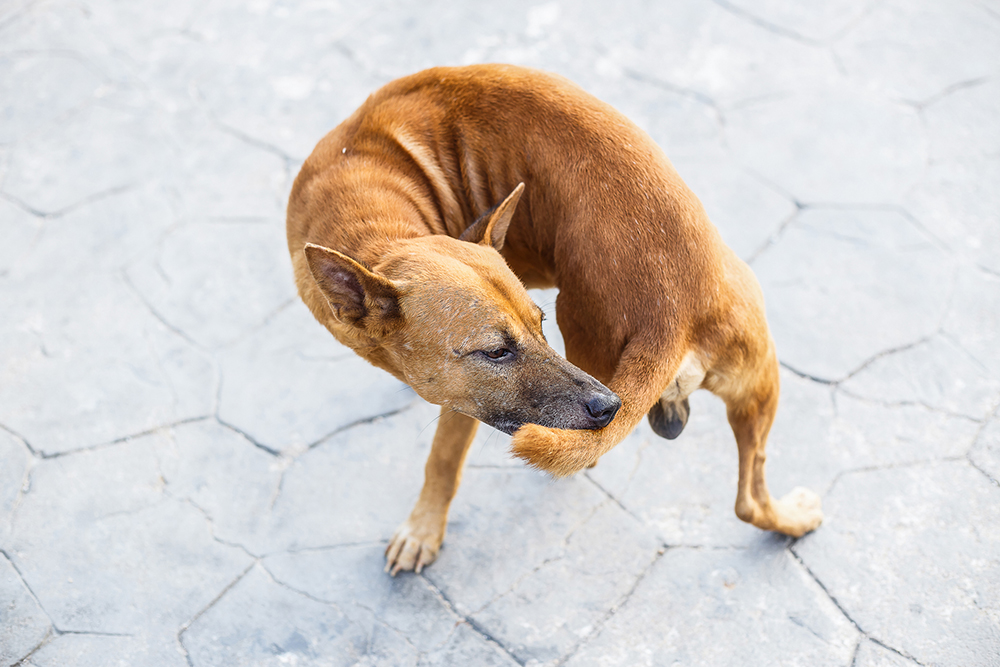
Why is your dog chewing his tail? It often means something is bothering him, like itching, pain, or feeling worried. Common dog tail biting causes include tiny bugs like fleas, skin problems, hurts, or stress. It is a sign that something needs your attention. This post will help you figure out why your dog does this and what you can do.
Finding Out Why Your Dog Chews His Tail
Seeing your dog chew his tail can be upsetting. You might wonder if he is in pain or just has a bad habit. It is important to find the real reason. There are many things that can make a dog chew or lick their tail area. We will look at both health reasons and feeling reasons.
Dogs use their mouths to explore and feel things. They also use them to try and fix problems on their body, like an itch or a pain. Chewing and licking are normal dog actions. But doing it a lot or only in one spot, like the tail, is not normal. It means something is wrong.
Dog tail licking behavior often happens before chewing starts. The licking can make the skin wet and sore. This makes the dog lick and chew even more. It can quickly become a cycle that hurts the dog.
Figuring out the cause needs you to be a detective. Look closely at the tail and how your dog is acting. Think about what has changed lately in your dog’s life or body.
Medical Issues Making Your Dog Chew
Many times, tail chewing starts because of a health problem. The dog feels uncomfortable or itchy in that area. Chewing is their way of trying to make it feel better. Let’s look at common health reasons.
Tiny Bugs on the Skin (Parasites)
Little bugs living on your dog’s skin are a very common reason for itching and chewing.
Fleas are the biggest culprit. Even just one or two fleas can make a dog very itchy, especially near the tail base. This is why dog fleas chewing tail is a common problem.
- Fleas: Fleas love warm spots, like the base of the tail. Their bites are super itchy. Dogs will bite, lick, and chew the area trying to get rid of the fleas or stop the itch. You might see tiny black dots (flea dirt) on your dog’s skin or bedding. This is flea poop. If you put it on a wet paper towel, it will turn reddish-brown.
- Mites: Tiny bugs you often can’t see. Some mites cause problems like sarcoptic mange (scabies) or demodectic mange. These can cause extreme itching and hair loss anywhere on the body, including the tail area.
- Ticks: Ticks attach to the skin to feed. While less common than fleas for causing tail chewing, a tick bite near the tail can be itchy or sore, leading your dog to chew at the spot.
Checking for these bugs is the first step. Part the fur near the tail base and look closely at the skin.
Skin Troubles (Allergies and More)
Skin problems, called dermatology issues, are another big reason for a dog to chew their tail. The skin gets itchy or sore.
- Allergies: Just like people, dogs can be allergic to things.
- Flea Allergy Dermatitis (FAD): This is an allergy to flea saliva. Even a single flea bite can cause extreme itching all over the body, but often worst at the tail base and back legs. This makes dog allergies tail base a very common cause of chewing.
- Environmental Allergies: Allergies to pollen, dust mites, mold, or grass. These often cause itching in many places, including paws, ears, belly, and the tail area. Itching from environmental allergies can make your itching dog tail.
- Food Allergies: Allergies to certain ingredients in their food (like chicken, beef, dairy, or wheat). These can also cause widespread itching, including the tail.
- Infections: Skin infections can make the tail area very sore and itchy.
- Bacterial Infections: Often happen because the skin is already irritated (from allergies or chewing). Bacteria get into the broken skin and cause infection. This can lead to red, wet, painful spots.
- Yeast Infections: Yeast can grow on the skin, especially in warm, moist areas. They cause itching, redness, and sometimes a bad smell.
- Hot Spots: These are fast-growing, red, wet, sore skin infections. They often appear suddenly. Chewing, licking, or scratching can start a hot spot. A hot spot on dog tail is very painful and itchy, making the dog chew even more.
- Other Skin Issues: Less common skin problems can also cause itching or discomfort leading to chewing.
When checking for skin problems, look for redness, swelling, bumps, pimples, scabs, hair loss, or a bad smell near the tail.
Owies and Hurts (Injuries)
Sometimes, the chewing is because the tail actually hurts.
- Cuts, Scrapes, or Bruises: Your dog might have hurt his tail without you knowing. He could have bumped it, gotten it caught, or scraped it on something. The pain or soreness makes him chew. Dog tail injury chewing happens right around where the injury is.
- Broken Tail: A break in the tail bone is very painful. Dogs might try to chew the painful spot.
- Nerve Damage: Sometimes, nerve problems can cause strange feelings in the tail, like tingling or pain. The dog might chew to try and stop the feeling.
- Pinched Nerve: A nerve problem in the back might cause pain that feels like it is coming from the tail. The dog reacts by chewing the tail.
Check the tail gently all along its length. Look for swelling, bends, or spots that seem extra sensitive when you touch them. If your dog cries out or tries to bite when you touch his tail, it likely hurts.
Other Health Problems
A few other health issues can sometimes cause tail chewing.
- Anal Gland Issues: Dogs have two small glands near their anus, right at the base of the tail. These glands can get full, infected, or blocked. This causes pain and itching very close to the tail. Dogs will lick and chew at their rear end and the base of their tail to try and relieve the pressure or itch. This is a common cause of itching dog tail near the very end of the back.
- Worms: Some types of worms can cause itching around the rear end, leading to tail base chewing.
- Tumors or Growths: Rarely, a lump or growth on the tail or near the tail base could be painful or itchy, causing the dog to chew the spot.
These medical causes cover a wide range. It is clear that many physical problems can lead a dog to chew his tail.
Feelings and Habits Making Your Dog Chew
Sometimes, a dog chews their tail not because of a health problem, but because of how they feel or what they do. These are called behavioral reasons.
Feeling Worried or Scared (Anxiety)
Just like people bite their nails when stressed, dogs can chew or lick parts of their body when they are anxious or stressed.
- Separation Anxiety: Dogs who get very upset when left alone might chew their tail. This happens when you are gone or when they think you are leaving. Dog anxiety tail biting is a way for them to try and calm themselves down. Other signs of separation anxiety include pacing, barking, destroying things near exits, or having accidents inside.
- Fear or Phobias: Loud noises (like thunder or fireworks), new people, new places, or other animals can cause fear. Some dogs cope by licking or chewing.
- Big Changes: Moving to a new home, a new baby or pet, a change in your schedule, or a family member leaving can stress a dog. This stress can show up as tail chewing.
If dog anxiety tail biting is the cause, the chewing often gets worse during or after stressful events.
Too Much Energy or Boredom
Dogs need things to do. They need to use their bodies and their brains.
- Lack of Exercise: If a dog does not get enough walks or playtime, they have too much energy built up. This energy needs a way out. Chewing can be a way to release that energy.
- Lack of Mental Work: Dogs also need to think. Puzzle toys, training, or learning new tricks give their brains a workout. Without this, they can get bored. Boredom can lead to chewing on anything, including themselves.
A bored or high-energy dog might start with simple dog tail licking behavior out of idleness, which can then turn into chewing and a bigger problem.
Doing It Too Much (Compulsive Behavior)
Sometimes, tail chewing starts for a reason (like an itch), but then it becomes a habit the dog cannot stop. Or it can start because of stress and become a fixed action.
- Compulsive Disorder: This is similar to Obsessive-Compulsive Disorder (OCD) in people. The dog does an action over and over again, even if there is no clear reason anymore. Dog obsessive tail chewing is a type of compulsive disorder. It can be very hard for the dog to stop.
- Learned Behavior: If a dog chewed his tail once and got attention for it (even negative attention, like “Stop that!”), he might learn that chewing gets a reaction from you. This is less common as a primary cause for obsessive chewing, but attention can sometimes reinforce the behavior.
Dog obsessive tail chewing is usually intense and hard to interrupt. The dog seems focused only on the tail.
Comparing Reasons: Medical vs. Behavioral
It can be tricky to tell if the reason is medical or behavioral. Here are some simple ways they often differ:
| Feature | More Likely Medical Cause | More Likely Behavioral Cause |
|---|---|---|
| Starts When? | Often sudden or gets worse over time. | Can be linked to stressful events or boredom. |
| Look at Tail | Skin is red, sore, bald, scabby. Maybe bugs. | Skin might look normal at first, then gets sore from chewing. |
| Other Signs | Other itching, shaking head, tummy upset. | Pacing, whining, destruction, clinginess. |
| Focus | Chews specific itchy/sore spot. | Might chew anywhere on tail, seems less focused on a single spot (unless it’s become sore). |
| Can You Stop It? | Dog might stop chewing if you distract them, but goes right back due to pain/itch. | Can often be stopped by distraction, but dog might start again when left alone or bored. |
| Gets Worse When? | Allergies flare up, more fleas appear. | Dog is stressed, left alone, or bored. |
Remember, a medical issue can lead to a behavioral one. For example, itching from fleas can start the chewing. If the itching stops but the dog keeps chewing, it might have become dog obsessive tail chewing.
What to Do When Your Dog Chews His Tail
Seeing this happen needs action. It is not something to just ignore.
Look Closely First
Gently check your dog’s tail and the area around it.
* Look at the skin. Is it red? Swollen? Are there bumps, scabs, or wet spots (hot spots on dog tail)? Is there hair loss?
* Part the fur deeply, especially near the base. Look for tiny bugs moving or black flea dirt.
* Feel the tail gently all the way to the tip. Does any part seem bent or swollen? Does your dog react when you touch a certain spot?
* Check the area right around the anus. Does it look red or swollen? Is there any discharge?
While you are looking, think about:
* Has your dog seemed itchier overall?
* Has anything stressful happened lately?
* Has their food changed?
* Are you giving them enough exercise and things to do?
* Are you up-to-date on flea and tick medicine?
When to Go to the Animal Doctor
In most cases, a vet visit dog tail chewing is the best next step. Trying to guess the cause yourself can waste time and let the problem get worse.
Go to the vet soon if:
* You see bugs like fleas.
* The skin looks red, infected, or there are hot spots on dog tail.
* Your dog acts like the tail is very painful when you touch it.
* The chewing started suddenly and is very bad.
* The chewing has been going on for a while and is not getting better.
* Your dog is hurting himself by chewing (making the area raw or bleeding).
* You think it might be anxiety or a compulsive habit, as these need expert help too.
The vet is the best person to figure out if it is a health problem or a behavior problem, or a mix of both.
What the Doctor Might Do
When you have a vet visit dog tail chewing, the vet will do a few things.
- Ask Questions: They will ask you many questions about when the chewing started, how often it happens, if anything makes it better or worse, what you feed your dog, what parasite control you use, and if there have been any changes at home. Be ready to tell them everything you have seen.
- Physical Exam: They will look your dog over from nose to tail. They will pay close attention to the tail and the skin around it. They will check for bugs, skin issues, signs of injury (dog tail injury chewing), and problems with the anal glands.
- Skin Tests: The vet might take a small scraping of skin or pluck some hairs to look under a microscope. This helps them find mites or signs of infection. They might also use a special light or tape to check for other skin problems.
- Allergy Tests: If they suspect allergies (dog allergies tail base), they might suggest tests to find out what your dog is allergic to. This could be blood tests or skin tests.
- Blood Tests: Sometimes blood tests are needed to check for other health issues.
- X-rays: If they think there might be a bone injury (dog tail injury chewing), they might take an x-ray of the tail or back.
- Trial Treatments: In some cases, the vet might try treating for a common problem first, like fleas or a simple skin infection, to see if it helps.
Finding the exact reason can take time. Be patient with your vet and follow their advice.
Helping Your Dog Get Better
How your dog gets better depends on why he is chewing.
- For Parasites: You need good, ongoing flea and tick control. The vet can give you the best products. If mites are found, special dips or medicines are needed. Treating the home for fleas is also important.
- For Skin Problems:
- Allergies: Treatment depends on the type. It might include special diets (for food allergies), allergy shots or drops (for environmental allergies), medicines to stop itching, special shampoos, or skin creams. Managing dog allergies tail base is often a long-term job.
- Infections/Hot Spots: These are usually treated with cleaning the area, antibiotic or antifungal medicines (given by mouth or put on the skin), and sometimes shaving the fur around the spot. Preventing the dog from licking/chewing is key, often with a cone (Elizabethan collar). Treating hot spots on dog tail needs fast action.
- For Injuries: Treatment depends on the injury (dog tail injury chewing). It might need rest, pain medicine, bandages, or in rare cases, surgery. Preventing chewing on the injury is very important so it can heal.
- For Anal Gland Issues: The vet can empty the glands. If infected, antibiotics might be needed. High-fiber food or other methods can help prevent future problems.
- For Anxiety/Stress: This needs a plan that helps your dog feel safer and happier. It can include:
- More exercise and mental games.
- Changing routines to be less stressful.
- Creating a safe space for the dog.
- Training using positive methods.
- In some cases, anti-anxiety medicine from the vet or help from a certified animal behaviorist. Managing dog anxiety tail biting often needs several approaches working together.
- For Boredom/Too Much Energy: Increase walks, playtime, and mental toys. Consider dog sports or training classes.
- For Compulsive Chewing: This is the hardest to treat. It often needs a mix of behavior changes, medicines, and help from a behavior expert. Stopping dog obsessive tail chewing needs patience and professional guidance.
Important: While your dog is getting better, you might need to stop him from chewing the area. A cone (Elizabethan collar), special bandage, or bitter spray can help. This lets the skin heal and breaks the habit. Always use these tools under vet guidance.
Helping Prevent Tail Chewing Later On
Once you know the reason and treat it, you want to help stop it from happening again.
- Keep Up with Parasite Control: Use good, vet-approved flea and tick products all the time, not just in summer. This is key to preventing dog fleas chewing tail.
- Manage Allergies: If your dog has allergies, follow your vet’s plan. This might mean special food, medicine, or avoiding things your dog is allergic to. Managing dog allergies tail base is ongoing.
- Provide Enough Exercise and Mental Fun: Make sure your dog gets daily walks, playtime, and toys that make him think. This helps prevent boredom and too much energy that can lead to chewing.
- Reduce Stress: Identify things that stress your dog and try to help him cope. This might involve training, creating a safe space, or talking to your vet about ways to lower anxiety. Helping with dog anxiety tail biting means addressing the root fear.
- Check Your Dog Regularly: Look over your dog often, especially his tail and skin. Catching problems like redness, bumps, or tiny bugs early can stop chewing from starting.
- Good Grooming: Keep your dog’s fur clean and brushed. This helps you spot problems and can prevent matting, which can irritate the skin.
- Healthy Diet: Feed your dog good quality food. Healthy skin starts from the inside.
Stopping itching dog tail and other discomforts before they start is the best way to prevent tail chewing.
Common Questions About Tail Chewing
Here are answers to questions people often ask about why dogs chew their tails.
Is it normal for dogs to chase or play with their tail?
Some dogs, especially puppies, chase their tail as a form of play. This is usually quick and fun. Chewing is different. It is focused, often makes the tail sore, and does not look like happy play. If playful chasing turns into painful chewing, it is a problem.
Can tail chewing be a bad habit?
Yes. It might start because of an itch or pain, but if the dog does it for a long time, it can become a habit that is hard to stop, even if the first reason is gone. This can turn into dog obsessive tail chewing.
My dog just started chewing his tail. What is the first thing I should check for?
Check for fleas first! They are a very common cause of sudden itching and chewing near the tail base. Part the fur and look for bugs or flea dirt.
What if my dog is hurting his tail by chewing?
You need to stop him from chewing right away to prevent more harm. Put a cone (Elizabethan collar) on him if you have one, and call your vet to get an appointment soon. This is important, especially if you see bleeding or raw skin.
Does my dog know he is hurting himself?
Dogs chew because they feel uncomfortable or anxious. They are trying to make a feeling stop. They might not understand they are making the problem worse or causing pain by chewing. It is up to us to help them.
Can diet help with tail chewing?
Yes, sometimes. If the chewing is due to food allergies, changing to a special diet can help a lot. A good quality diet also supports healthy skin and fur, which can help prevent some skin problems.
Should I punish my dog for chewing his tail?
No. Punishing your dog for tail chewing is not helpful and can make things worse. The chewing is a sign of a problem (pain, itch, fear, etc.). Punishment will not fix the root cause and can make your dog more anxious or afraid. Focus on finding and treating the reason why they are chewing.
Chewing the tail is a sign that your dog needs help. By looking closely, thinking about their feelings, and getting help from your vet, you can figure out the reason and get your dog feeling better. Do not wait to get help, especially if you see redness, soreness, or lots of chewing. Your vet is your best friend in solving this puzzle.