
Why Is My Dog Biting Its Tail? A Complete Guide.
Dogs bite their tails for many reasons. This can be a sign of pain, stress, or even boredom. These dog tail chewing causes often stem from health issues, fear, or simply needing more to do. Learning why dogs chew their tails helps you help your pet feel better and live a happier life. It’s a common problem, but one we can fix by looking at the true cause.
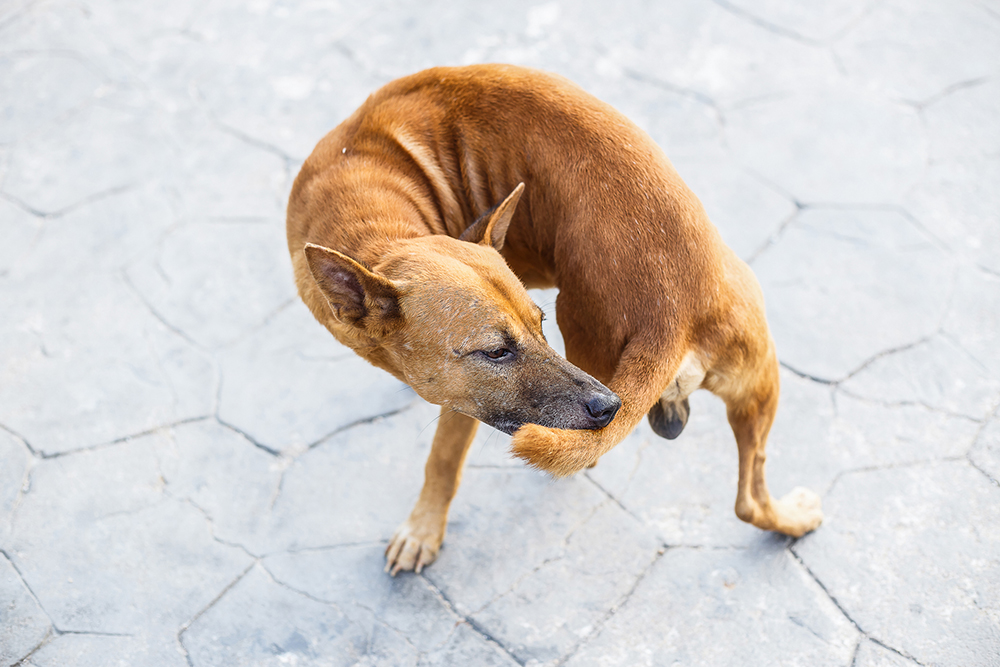
Image Source: pettownsendvet.com
Uncovering the Reasons Your Dog Bites Its Tail
When a dog bites its tail, it’s often trying to tell us something. It’s not just a bad habit. It usually points to an issue that needs our help. These issues can be about their body, their feelings, or even their home. We need to look closely at all of these parts to find the real reason.
Health Issues Behind Tail Biting
Many times, a dog bites its tail because something hurts or makes it itchy. This is its way of dealing with pain or discomfort. It’s like how we might scratch an itch. But for dogs, it can lead to worse problems if not stopped.
Itchy Skin and Irritation
Skin problems are a big reason dogs bite their tails. The skin on their tail or near it can get very itchy. This itchiness makes them chew, lick, and bite to feel better. This can quickly cause dog tail skin irritation. The skin might look red, raw, or even have hair loss.
Pesky Parasites: Fleas, Ticks, and Mites
One of the most common reasons for itching is small bugs. If your dog has fleas biting tail, it will be very itchy. Fleas live on your dog’s skin and bite it. This causes a strong itch, especially around the tail and hind legs. You might see small black dots (flea dirt) on your dog’s fur. Ticks can also attach and cause itching. Mites are tiny bugs that can cause skin diseases like mange. All these bugs make your dog uncomfortable and chew their tail.
- What to look for:
- Small black specs on skin or bedding.
- Red bumps.
- Constant scratching.
- Hair loss around the tail area.
Allergic Reactions
Just like people, dogs can have allergies. Dog allergies tail biting is a common issue. These allergies can be from things they eat, things in the air, or even things they touch.
- Food Allergies: Some dogs are allergic to certain ingredients in their food, like chicken, beef, or grains. This can make their skin itchy all over, including the tail area.
- Environmental Allergies: Pollen, dust mites, and molds can cause allergies. These often lead to itchy skin, paws, and tails.
- Contact Allergies: Your dog might react to things it touches. This could be certain cleaners, fabrics, or even plants.
When a dog has allergies, its skin gets inflamed and itchy. This leads to them biting and licking their tail a lot.
Anal Gland Problems
This might sound strange, but issues with anal glands can make a dog bite its tail. Anal glands are two small sacs near a dog’s bottom. They have a strong-smelling liquid. Normally, these glands empty when your dog poops. But sometimes they get full, blocked, or even infected. This causes a lot of discomfort.
When this happens, your dog will feel itchy and painful around its bottom. This makes them scoot on the floor or dog licking base of tail a lot. This can quickly turn into tail biting because the tail is so close to the problem area. Anal gland problems dog tail behaviors are often a sign to call the vet.
- Signs of anal gland trouble:
- Scooting their bottom on the ground.
- Licking or biting their bottom area.
- Strong, fishy smell.
- Swelling near the tail base.
Infections and Injuries
If a dog bites its tail a lot, it can break the skin. This open skin can then get infected by bacteria or fungi. This makes the itch and pain even worse, leading to more biting. An injury to the tail itself can also cause biting. This could be a cut, a sprain, or even a broken tail bone. If the tail hurts, your dog might bite it to try and ease the pain, or simply because it doesn’t feel right. Nerve damage in the tail can also cause strange feelings that make a dog chew.
- Signs of infection or injury:
- Red, swollen skin.
- Pus or discharge.
- Strong smell from the tail.
- Limping or not moving the tail normally.
- Crying out when the tail is touched.
Neurological Issues
In some rare cases, tail biting can be a sign of a problem with the brain or nerves. A dog might have strange feelings in its tail that make it bite. This can be a sign of a nerve issue or even a type of seizure. This often leads to compulsive tail chewing dog behavior. If the biting seems out of control and nothing else fits, a vet might look at nerve problems.
| Medical Cause | Key Symptoms | What to Look For |
|---|---|---|
| Parasites (Fleas/Ticks) | Intense itching, red spots, hair loss, flea dirt | Small black specs, visible bugs, constant scratching |
| Allergies | Itchy skin, redness, hair loss, skin infections | Chewing paws/body, skin rashes, chronic ear problems |
| Anal Gland Problems | Scooting, licking base of tail, strong smell, pain | Dragging bottom on ground, biting tail base, smelly glands |
| Infections/Injuries | Redness, swelling, pus, pain, limping tail | Open wounds, discharge, favoring tail, crying |
| Neurological Issues | Repetitive, uncontrollable biting, no clear cause | Odd movements, dazed look, biting even when distracted |
Mind Matters: Behavioral Causes
Sometimes, there’s no health problem making a dog bite its tail. Instead, the biting comes from their feelings or their daily life. These are called behavioral causes. It’s often how they cope with stress or boredom.
Anxiety and Stress
Dogs can get stressed just like people. When a dog feels anxious, it might use biting its tail as a way to cope. This is a common form of dog anxiety biting tail. Things that can cause stress include:
- Separation Anxiety: Your dog gets very stressed when left alone.
- Loud Noises: Thunderstorms, fireworks, or loud construction.
- Changes: Moving to a new home, a new family member, or a change in routine.
- Fear: Being scared of certain people, objects, or other animals.
Biting the tail can be a “displacement behavior.” This means the dog does something to let out its stress. It’s like how some people tap their foot or bite their nails when nervous. If the stress is ongoing, this can become a compulsive tail chewing dog issue. The dog learns that biting its tail helps it feel better, even for a short time.
- Signs of anxiety:
- Pacing.
- Whining.
- Hiding.
- Excessive licking or chewing.
- Trembling.
- Changes in eating or sleeping.
Boredom and Lack of Stimulation
Dogs are smart animals. They need things to do. If they don’t get enough exercise, playtime, or mental challenges, they can get bored. When a dog is bored, it might find its own fun. This can include biting its tail. Dog boredom tail biting is very common in dogs left alone for long hours or those who don’t get enough walks or games. The tail becomes an easy target for something to chew on. It’s a way to pass the time and get some energy out.
- Signs of boredom:
- Destructive chewing of furniture or shoes.
- Excessive barking.
- Digging.
- Looking uninterested in toys or people.
Attention-Seeking Behavior
Dogs are very smart and learn quickly. They learn what actions get a reaction from us. If your dog bites its tail and you rush over to check on it, give it toys, or talk to it, it learns this behavior gets your attention. Even if you scold them, that’s still attention. Over time, the dog might bite its tail just to get you to notice it. This is especially true if they don’t get much positive attention otherwise.
Learned Behavior and Compulsion
Sometimes, a dog starts biting its tail for a medical reason, like fleas or allergies. Once the medical problem is fixed, the dog might keep biting its tail. It has become a habit. This is a “learned behavior.” The dog has linked tail biting with feeling better or getting attention. If this behavior becomes very strong and hard to stop, it can turn into a compulsive tail chewing dog issue. This is like Obsessive-Compulsive Disorder (OCD) in people. The dog feels a strong need to do the action, even if it harms itself. These cases often need help from a vet behaviorist.
The World Around Them: Environmental Triggers
A dog’s home and daily life can also play a part in tail biting. The world around them affects their health and happiness.
Poor Living Conditions
The place your dog lives needs to be clean and safe. Dirty bedding can cause skin irritation. Harsh cleaning products used on floors can bother paws and bodies. A small living space without enough room to play or rest can also cause stress and boredom. These things can lead to your dog biting its tail. Making sure their living space is clean and comfortable helps prevent many problems.
Diet and Nutrition
What your dog eats affects its whole body, including its skin and coat. A poor diet, one that lacks the right vitamins and nutrients, can lead to dry, itchy skin. This dry skin is more likely to get irritated, which can make your dog chew its tail. Sometimes, the problem isn’t just a poor diet, but a specific food allergy (as mentioned before). A high-quality, balanced diet is key for healthy skin and a happy dog.
When to Seek Professional Help
It is important to know when to call the vet. If your dog is biting its tail, it’s always best to get it checked. Even if you think it’s just boredom, it’s good to rule out health issues first.
Call your vet right away if you see any of these signs:
- Bleeding: The tail is bleeding from the biting.
- Raw skin: The skin is red, open, or looks infected.
- Constant biting: Your dog is biting almost all the time.
- Changes in behavior: Your dog seems more stressed, fearful, or withdrawn.
- Pain: Your dog cries or acts aggressive when you touch its tail.
- No improvement: The biting continues even after trying simple changes like more walks.
What a vet will do:
Your vet will do a full check-up. They will look at your dog’s tail and skin very closely. They might:
- Physical Exam: Check for fleas, ticks, cuts, and swelling.
- Skin Tests: Take a small scraping of skin to look for mites or infections.
- Blood Tests: Check for allergies or other health problems.
- Anal Gland Check: See if these glands are full or infected.
- Diet Review: Ask about your dog’s food to see if an allergy is possible.
- Talk About Behavior: Ask about your dog’s daily life, stress levels, and routine.
They will help you find the cause and make a plan to stop the biting.
Stopping the Nibbling: Prevention and Care
Once you know why your dog is biting its tail, you can start to help them. The treatment depends on the cause.
Medical Solutions
If a health issue is causing the biting, your vet will give you a plan.
- For Parasites: Your vet will give you medicine to kill fleas, ticks, or mites. This might be a pill, a spot-on treatment, or a special collar.
- For Allergies: This can be harder. Your vet might suggest a new diet or special medicine. They might also give anti-itch medicine or shampoos to ease the skin.
- For Anal Glands: The vet can empty the glands. For dogs with repeated problems, they might need a special diet or more fiber.
- For Infections/Injuries: The vet will clean the wound and might give antibiotics or anti-fungal medicine. Pain relief might also be needed.
- For Neurological Issues: This needs special care, often with certain medicines to help control the nerves.
While healing, your dog might need to wear an e-collar (cone). This stops them from biting the tail and lets it heal.
Behavioral Interventions
If the biting is due to stress or boredom, you need to change your dog’s routine and environment.
- Increase Exercise: Make sure your dog gets enough walks and playtime every day. A tired dog is a happy dog.
- Mental Stimulation: Dogs need to use their brains. Give them puzzle toys, chew toys, or try short training sessions. Hide treats for them to find. This keeps their mind busy.
- Reduce Anxiety: Find what makes your dog stressed and try to fix it. This could mean:
- Giving them a safe, quiet space.
- Using calming products like diffusers or wraps.
- Working with a dog trainer or behaviorist.
- Playing soft music.
- Avoid Scolding: Never scold your dog for biting its tail. This can make them more stressed or anxious, making the problem worse. Instead, try to redirect their attention with a toy or a game.
- Consistent Routine: Dogs like a predictable routine. Try to feed, walk, and play with them at the same times each day.
Environmental Adjustments
Make sure your dog’s home is a good place for them.
- Clean Living Space: Keep their bedding clean. Use pet-safe cleaning products in your home.
- High-Quality Food: Feed your dog a well-balanced diet that meets all their needs. Talk to your vet about the best food for your dog.
- Regular Grooming: Brush your dog often. This helps keep their coat healthy and lets you check for skin problems early.
Long-Term Strategies for a Happy Dog
Stopping tail biting is often a process. It takes time and effort.
- Consistency is Key: Stick to the new routine and treatments.
- Patience: Your dog won’t stop biting its tail overnight. Be patient and keep working at it.
- Regular Vet Check-ups: Keep up with your vet visits, especially if the problem was medical.
- Observe Your Dog: Pay attention to when and why your dog bites its tail. This can help you find triggers and prevent future issues.
- Positive Reinforcement: Reward your dog for good behavior, like chewing on toys instead of its tail.
By taking these steps, you can help your dog stop biting its tail. You can help them live a healthier, happier life.
Frequently Asked Questions
Q1: How can I stop my dog from biting its tail?
A1: First, see your vet to rule out any health problems like fleas, allergies, or anal gland issues. If it’s behavioral, increase exercise, provide mental stimulation with puzzle toys, and reduce stress. Never scold them.
Q2: Is tail biting harmful to dogs?
A2: Yes, it can be harmful. Constant biting can break the skin, leading to open wounds, infections, and even nerve damage. It also causes pain and distress for your dog.
Q3: Can diet cause tail biting?
A3: Yes, a poor diet can lead to dry, itchy skin, which can make a dog bite its tail. Food allergies are also a common cause of skin irritation that leads to tail biting.
Q4: What does it mean if my dog keeps licking its tail?
A4: Licking the tail a lot often means the dog is itchy or uncomfortable in that area. This can be due to fleas, allergies, skin irritation, or anal gland problems. It can also be a sign of anxiety or boredom.
Q5: How long does it take for a dog to stop biting its tail?
A5: It depends on the cause. If it’s a simple medical issue like fleas, relief can be quick once treated. If it’s a chronic allergy or a deep-seated behavioral problem like anxiety or compulsion, it can take weeks or even months of consistent effort and vet care.