
Dogs bark at other dogs for many reasons. These include feeling scared, wanting to play, feeling worried, or trying to protect their space. You can often help your dog stop barking at other dogs. It takes time and careful training. Yes, you can teach your dog new ways to act around other dogs. Dog trainers and animal behavior experts are great helpers. They can guide you through the process.
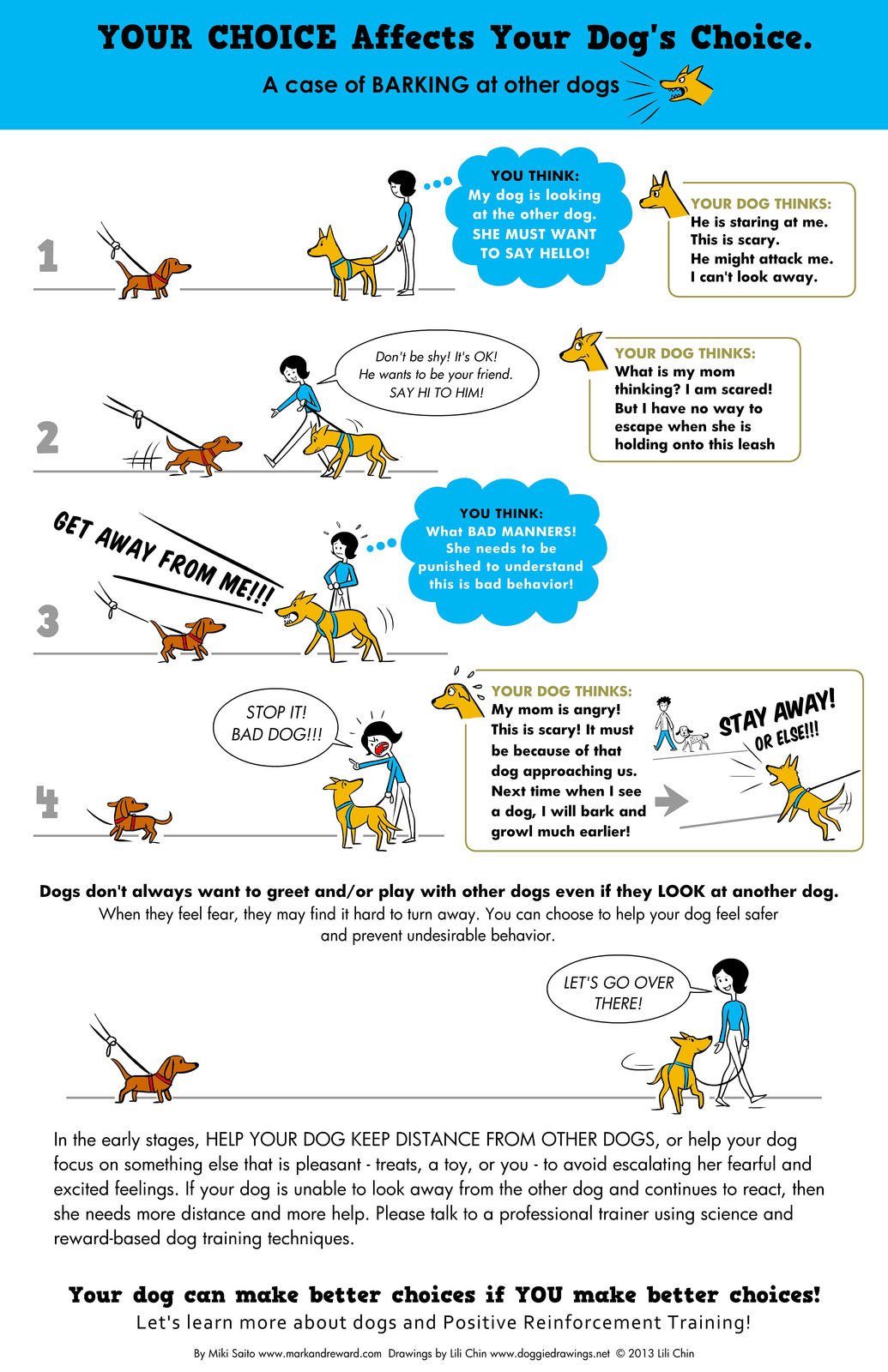
Image Source: walkandwagchapelhill.com
Grasping Why Dogs Bark at Other Dogs
Dogs use barking to talk. It is how they tell us, and other dogs, what they feel. When your dog barks at other dogs, it is sending a message. This message can be clear or mixed. Learning why your dog barks is the first step. It helps you find the right way to help them.
Many things can make a dog bark at another dog. It is not always a sign of being mean. Often, it comes from strong feelings. These feelings can be good, like being very excited. Or they can be bad, like feeling very scared. Let’s look at common reasons why your dog barks.
Core Reasons for Dog Barking at Other Dogs
Your dog’s barks are clues. They tell you about your dog’s feelings. Knowing these feelings helps you help your dog.
Fear-Based Dog Barking
Dogs can feel scared. When a dog is scared, it might bark. This is a way to say, “Stay away!” or “I am afraid!” A dog may bark due to fear if it had a bad experience. Maybe another dog scared them once. This can make them worry about all other dogs.
Signs of fear barking can be clear. Your dog might tuck its tail. It might pull back its ears. The dog may try to hide behind you. Or it might try to move away. This kind of barking is often the start of dog reactivity. Reactivity means a dog has a strong, often unwanted, reaction to something. Fear makes dogs react strongly. They bark because they wish the other dog would go away. They want to feel safe again.
Anxiety Barking at Other Dogs
Anxiety is different from fear. Fear is about a direct threat. Anxiety is about feeling worried or stressed. Your dog might feel anxious around other dogs. This can happen even when no real threat is there. Anxiety barking might come from not being sure. It might stem from general nervousness. Some dogs get worried when their owner is not focused on them. This worry can make them bark.
A dog with anxiety might pace. It might pant a lot. It might lick its lips often. These are signs of stress. Then, when another dog shows up, the stress gets worse. The dog barks. It is trying to cope with its worried feelings. This is a form of anxiety barking at other dogs. They bark because they feel upset inside.
Over-Arousal Dog Barking
Not all barking comes from bad feelings. Sometimes, dogs get too excited. They bark because they are “over-aroused.” This means their feelings are too strong. They cannot control them well. This can happen with good excitement. Your dog might love to play. It sees another dog and gets too hyped. Then, it barks very loudly.
This is over-arousal dog barking. The dog is not trying to be mean. It is just too full of energy and feelings. It cannot calm down. This can look like bad behavior. But it is just a dog that cannot handle its own excitement. It happens when dogs do not know how to stay calm when excited. They need help learning to control their feelings.
Territorial Barking or Resource Guarding
Dogs can be protective. They might bark to protect their space. This space could be your home or yard. It could also be the walking path near your house. They might see another dog as entering their area. Then they bark to say, “This is mine! Go away!”
Dogs can also protect things. This is called resource guarding. They might protect their toys, food, or even you. If another dog comes too close to what your dog values, it might bark. This type of barking tells the other dog to keep its distance.
Attention-Seeking or Frustration Barking
Your dog might bark to get something. Maybe it wants to play with the other dog. It might want to go say hello. But it cannot. It is on a leash. This makes your dog upset. It gets frustrated. Then it barks loudly. It is like a child yelling, “I want that!”
This barking is about wanting. The dog feels blocked. It cannot get what it wants. So, it barks. This can happen when dogs are not taught good leash manners. They expect to greet every dog. When they cannot, they get mad.
Canine Socialization Issues
Dogs learn how to act from a young age. This is called socialization. It means meeting new things, people, and other dogs. If a dog does not meet enough dogs when it is young, it can have problems. It might not know how to act politely. This leads to canine socialization issues.
A dog with poor socialization might feel awkward. It might not know how to read other dogs’ signals. This can make them fearful or unsure. They might bark because they do not know what else to do. Or they might bark because they are worried about new dogs. They never learned proper “dog manners.”
Spotting the Signs of Reactivity
Sometimes, barking is more than just talking. It can be a sign of dog reactivity. This means your dog has a strong, often unwanted, reaction to other dogs. It can be barking, pulling, or even lunging. Knowing these signs helps you understand your dog better.
Beyond Just Barking: Other Clues
Barking is just one sign. Look at your dog’s whole body. Its body language tells a story.
Dog Lunging and Barking
Many reactive dogs do more than bark. They might also lunge and bark. This means your dog pulls very hard on the leash. It might jump forward. It tries to get closer to the other dog. This looks very aggressive. But it is often a sign of fear or great frustration. They are trying to make the other dog go away. Or they are trying to get to the other dog. This behavior is a key sign of leash aggression in dogs.
Leash aggression is often not true aggression. It is frustration or fear made worse by the leash. The dog feels trapped. It cannot run away. So, it acts big and noisy. It hopes the other dog will leave it alone.
Body Language Tells
Your dog’s body speaks volumes. Look at these signs:
| What Your Dog Does | What It Often Means |
|---|---|
| Stiff body, direct stare | Feeling threatened, unsure, tense |
| Tail tucked, leaning away | Scared, wants to flee |
| Lip licking, yawning | Stressed, trying to cope, nervous |
| Ears back, lowered head | Scared or feels small, submissive |
| Loose body, wagging tail | Happy, wants to play, friendly |
| Pulled back lips, growl | Warning, feeling aggressive |
| Pacing, whining | Anxious, frustrated |
Watch for these signs. They tell you how your dog truly feels. A stiff body with a direct stare can mean trouble. A loose body with a wagging tail usually means joy.
Strategies for Calming Barking on Walks
Stopping your dog from barking at other dogs takes effort. But it can be done. This part talks about how to stop dog barking on walks. It also covers dog training for barking at dogs and managing dog-on-dog reactivity.
Steps Before Training Starts
Before you start any training, do these key things. They set your dog up for success.
Visiting the Vet First
Always start with a trip to the vet. Your dog might be barking due to pain. Or it could have a health issue. A vet can check this. Pain makes dogs react badly. They might snap or bark if they hurt. Ruling out health problems is very important. It makes sure training can really help.
Understanding Your Dog’s Space
Every dog has a “safe space.” This is the distance at which they can see another dog and stay calm. We call this their “threshold.” Find your dog’s threshold. Start far away from other dogs. Your dog should see another dog but not react. This is your starting point. Stay under this threshold during training. If your dog reacts, you are too close. Move farther away next time.
Right Tools for the Walk
Good walking gear helps a lot.
* Front-clip harnesses: These make it harder for your dog to pull hard. They also redirect your dog’s body.
* Head halters: These give you more control over your dog’s head. If your dog looks at you, it cannot stare at the other dog.
* Avoid retractable leashes: These give too much slack. They can make sudden jerks. They also teach your dog to pull. A short, fixed leash (4-6 feet) is best. It keeps your dog close.
Using the right tools makes walks safer. They help you guide your dog better.
Training Techniques to Help
Once you have the basics down, you can start training. These methods focus on changing your dog’s feelings.
Desensitization and Counter-Conditioning
These are big words for simple ideas. They are key to dog training for barking at dogs.
* Desensitization: This means making your dog used to something. You do this slowly. You show them the other dog from a safe distance. This distance is where your dog stays calm. Slowly, over many days, you get a bit closer. You do this tiny bit by tiny bit. You never get so close that your dog barks.
* Counter-conditioning: This means changing your dog’s feelings. You want your dog to feel good about other dogs. You do this by giving treats. When your dog sees another dog (from a safe distance), give a high-value treat. High-value means something super tasty. Your dog learns: “Other dog means yummy food!” Over time, the other dog becomes a good thing.
Imagine you are doing this:
1. Walk with your dog. Keep a lookout for other dogs.
2. When you see another dog, stop. Find your dog’s calm distance.
3. As soon as your dog sees the other dog, give a treat. Give many treats, one after another.
4. Stop treats when the other dog is gone.
5. Repeat this many times. Your dog will start to look at you for a treat when it sees another dog. This is a big win!
Focus and Engagement Exercises
Teach your dog to focus on you. This is very helpful on walks.
* “Look at me” command: Teach this at home first. Hold a treat near your nose. Say “Look at me!” When your dog looks, give the treat. Practice many times.
* On walks: When you see another dog far away, ask your dog to “Look at me!” Reward them with a treat if they do. This helps your dog ignore the other dog. It helps them focus on you.
* Reward calm behavior: Give treats often when your dog is calm near other dogs. Even if they just glance at another dog and look away, reward that. You are telling them, “Being calm is good!”
Redirection and Interruption
Sometimes, you need to act fast. Your dog might be about to bark.
* U-turns: If you see your dog getting tense, turn around. Walk the other way. This breaks their focus. It avoids a full reaction.
* Find a barrier: If possible, walk behind a car or a bush. This puts something between your dog and the other dog. It gives your dog a break from seeing the trigger.
* “Find it” game: Toss a few treats on the ground. Say “Find it!” This makes your dog look down. It also uses their nose. It gives them something else to do. It takes their mind off the other dog.
Positive Reinforcement is Key
Always use positive ways to train. This means giving rewards for good choices. Never punish your dog for barking. Yelling or pulling the leash hard makes things worse. It can make your dog more scared. It can break trust. It does not teach your dog what to do instead. Praise and treats are much more powerful. They build a strong bond. They show your dog what you want them to do.
Managing Dog-on-Dog Reactivity Daily
Managing dog-on-dog reactivity is an ongoing job. It is not just about training. It is about how you live and walk with your dog every day.
Smart Walking Routes
Change your walking habits.
* Avoid busy times: Walk early in the morning or late at night. Fewer dogs will be out.
* Pick quiet paths: Find parks or streets that are less crowded.
* Use space: If you see a dog, cross the street. Or turn and walk the other way. Give your dog plenty of room. This helps them stay under their threshold.
Create a Safe Space at Home
Your dog needs a place to feel safe. This might be a crate. It might be a dog bed in a quiet room. Teach your dog this is their calm zone. If they feel stressed, they can go there. This helps them relax. A calm home life helps them be calmer on walks.
Stay Calm Yourself
Dogs feel your feelings. If you get stressed when you see another dog, your dog will too. Try to breathe deeply. Stay relaxed. Speak in a calm, happy voice. Your calm helps your dog stay calm. Think of yourself as your dog’s calm leader.
Build Confidence
Help your dog feel brave.
* Trick training: Teach your dog fun tricks. This builds their faith in themselves. It also strengthens your bond.
* Obedience classes: If your dog is reactive, private classes are best. A good trainer can help you both in a quiet setting. Group classes can be too much at first.
* Play games: Play fetch or tug with your dog. This is fun. It also helps them burn energy. A tired dog is often a calmer dog.
When to Ask for Expert Help
Sometimes, you need an expert. It is okay to ask for help. In fact, it is a smart choice. If your dog’s barking is very strong, or you feel stuck, reach out.
A certified professional dog trainer (CPDT) or a certified applied animal behaviorist (CAAB) can help. They are experts in dog training for barking at dogs. They can look at your dog’s specific case. They can see why your dog barks. Then, they can create a plan just for you and your dog. They can teach you how to use the training methods correctly. They can guide you through the process. Do not feel bad about asking for help. It shows you care a lot about your dog.
Early Steps to Prevent Future Barking Issues
The best way to fix a problem is to stop it before it starts. This is especially true for canine socialization issues and barking.
Puppy Socialization Done Right
If you have a puppy, start early.
* Many good experiences: Let your puppy meet many kinds of people. Let them hear many sounds. Let them see many new places.
* Meet calm dogs: This is key for socialization. Let your puppy meet adult dogs that are calm and friendly. Make sure these meetings are short and positive. Your puppy learns how to act from good role models.
* Puppy classes: Join a good puppy class. These classes are safe places for puppies to learn. They meet other puppies. They learn basic manners.
Good puppyhood experiences help build a confident adult dog. They teach a dog that the world is a good place.
Consistent Training from Day One
Start basic training early. Teach your dog simple commands.
* Sit, stay, come: These commands build a strong bond. They also give your dog something to do when excited.
* Leash manners: Teach your dog to walk nicely on a leash. A dog that pulls less is easier to manage around other dogs. Teach them that walking beside you is rewarding.
* Polite greetings: Teach your dog that not every dog needs a greeting. They should look to you for guidance. This helps them stay calm.
Concluding Thoughts
Helping your dog stop barking at other dogs takes time. It takes patience. It takes being consistent. Remember that your dog is trying to tell you something. They are not trying to be bad. They just need your help to feel safer or calmer.
Celebrate the small wins. Maybe your dog did not bark at a dog that was far away today. That is a big step! Every good choice your dog makes, and every moment they stay calm, is progress. With steady work, kindness, and maybe some expert help, you can make walks more peaceful. Your dog can learn to be calmer around other dogs. This will make life better for both of you.
Common Questions About Dogs Barking at Other Dogs
Is my dog being mean when it barks?
Most times, no. Your dog is usually not trying to be mean. Barking often comes from feelings like fear, worry, too much excitement, or wanting to play. They are trying to deal with a strong feeling. They are not trying to hurt another dog.
Can all dogs learn to stop barking at other dogs?
Most dogs can learn to get much better. They can bark less. They can learn to be calmer. But some dogs may always need you to manage them. A full “cure” where they never react might not be possible for every dog. But huge improvements are very likely.
How long does it take to stop the barking?
It takes time. For some dogs, you might see changes in a few weeks. For others, it can take many months. It depends on how long the barking has been happening. It also depends on how strong your dog’s feelings are. Being consistent with training every day is the key. Do not give up.
Should I punish my dog for barking?
No, you should not punish your dog for barking. Punishing your dog can make them more scared. It can make their fear or anxiety worse. It can also break your trust. Instead, use positive methods. Reward your dog for being calm. Teach them what you want them to do instead of barking.
What if my dog only barks at certain breeds?
If your dog only barks at specific breeds, it could be a past bad experience. Maybe they were scared by a dog of that breed once. Or, it could be the way certain breeds look or sound. Treat this like general reactivity. Focus on positive training and staying calm. Use the same methods to help your dog feel better about those specific dogs.