
Is your dog acting drunk all of a sudden? This can be very scary. It means your dog is showing signs like dog wobbly legs, dog loss of balance, or dog staggering suddenly. This strange way of walking is often called canine ataxia. Many things can cause it. Some are minor. Others are very serious. These can include problems like vestibular disease in dogs, getting into toxins (which show as poisoning symptoms dog), serious issues like stroke in dogs signs, or low blood sugar, known as hypoglycemia dog symptoms. It always means you should call your vet right away. Your dog needs quick help to find out what is wrong.
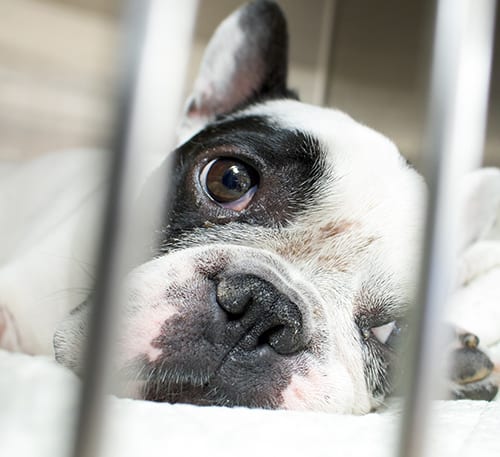
Image Source: sevneurology.com
Reason 1: Vestibular Disease in Dogs
One common cause for a dog acting drunk is a problem with their balance system. This system is called the vestibular system. It helps your dog know where their body is in space. It uses parts of the inner ear and brain. When this system goes wrong, dogs can suddenly seem very drunk. This is called vestibular disease in dogs.
What is Vestibular Disease?
Think of your dog’s inner ear. It has small canals filled with fluid. These canals tell the brain about head movement. They help keep balance. When these canals or the brain part that handles them get mixed up, your dog loses balance. They get dog wobbly legs. They might even fall over.
Main Signs of Vestibular Disease
- Head Tilt: Your dog’s head might be held sideways. One ear points down. This is a very common sign.
- Circling: Your dog might walk in circles. They usually circle towards the side of the head tilt.
Dog Wobbly LegsandDog Loss of Balance: Your dog will look like they are drunk. Their legs might spread wide. They might trip and fall.- Rapid Eye Movement (Nystagmus): Their eyes might dart back and forth. They do this quickly. It looks like their eyes are shaking.
- Nausea and Vomiting: Some dogs feel sick to their stomach. They might throw up. This is because the balance system is close to the part of the brain that controls sickness.
Dog Staggering Suddenly: This is a very clear sign. Your dog might lean or fall to one side.
Types of Vestibular Disease
- Idiopathic Vestibular Syndrome (Old Dog Vestibular Disease): This is the most common type. It often affects older dogs. “Idiopathic” means we don’t know the cause. It comes on very suddenly. It looks very scary. But most dogs get better within a few days to weeks. The signs slowly go away. Some dogs might keep a slight head tilt.
- Inner Ear Infection (Otitis Interna): An infection in the inner ear can hurt the balance system. This often happens if an outer ear infection goes too deep. Signs might include ear pain. There might be a bad smell from the ear. Your dog might scratch their ear a lot.
- Brain Problems: Less often, a brain tumor or stroke can cause vestibular signs. These are more serious. They might also show other
dog neurological symptoms. - Drug Side Effects: Some medicines can cause balance issues. Ask your vet if your dog is on any such medicine.
- Trauma: A head injury can damage the inner ear or brain. This can lead to vestibular problems.
What Your Vet Will Do
Your vet will do a full check-up. They will look in your dog’s ears. They will check their eyes. They will test their reflexes. They might suggest blood tests. They might also suggest imaging like an MRI. This helps find the exact cause. If it’s idiopathic vestibular syndrome, rest and anti-nausea medicine often help. If it’s an infection, your dog will need antibiotics. Catching it early is important.
Reason 2: Toxin Exposure or Poisoning
Dogs are curious. They often eat things they should not. Many everyday items are harmful to dogs. If your dog eats something toxic, it can affect their brain and nerves. This can make them act drunk. This is a very serious cause for dog staggering suddenly.
How Toxins Cause Drunken Behavior
Poisons can harm the nervous system. This includes the brain and spinal cord. When these are hurt, your dog loses control of their body. They might get dog wobbly legs. They might become confused. Their walk becomes unsteady. This is part of poisoning symptoms dog.
Common Toxins That Affect Balance
Many things around your home can be dangerous.
- Human Medicines: Pain relievers like ibuprofen, antidepressants, and cold medicines are very risky. Even small amounts can be deadly.
- Rat and Snail Baits: These are made to kill pests. They are very toxic to dogs. They can cause internal bleeding or nerve damage.
- Chocolate: A well-known poison. Dark chocolate is the worst. It affects the heart and nervous system.
- Marijuana/Cannabis: If dogs eat marijuana, they often become very drowsy. They might
stagger suddenly. They can drool a lot. Their eyes might look distant. - Alcohol: Any drinks or foods with alcohol can cause drunkenness. Dogs are much smaller than people. A little bit of alcohol can have a big effect.
- Certain Plants: Some plants are toxic if eaten. Examples include Sago Palm, Lilies, and Azaleas. They can cause many problems.
- Antifreeze: This liquid is deadly. It tastes sweet to dogs. It causes severe kidney damage. It also affects the brain.
Poisoning Symptoms Dog That Look Like Drunkenness
Dog Staggering SuddenlyorDog Wobbly Legs: This is often the first sign.- Vomiting and Diarrhea: Your dog might get sick to their stomach.
- Drooling: Excessive drooling can happen.
- Lethargy or Hyperactivity: Your dog might be very sleepy. Or they might be restless and jumpy.
- Tremors or Seizures: Shaking or fits can happen.
Dog Disorientation Causes: Your dog might look confused. They might walk into walls.- Changes in Breathing or Heart Rate: Breathing might be fast or slow. Heart rate might change.
What to Do If You Suspect Poisoning
This is an emergency. Act fast.
- Stay Calm: Panic does not help.
- Call Your Vet Right Away: Do not wait. Tell them what your dog ate. Tell them how much. Bring the package if you can.
- Do Not Induce Vomiting Unless Told To: Sometimes, making your dog throw up can cause more harm. It depends on the toxin.
- Do Not Give Home Remedies: Only follow vet advice.
- Bring Evidence: If possible, bring a sample of what your dog ate. Or bring the product package.
Your vet might try to make your dog throw up safely. They might give activated charcoal. This helps stop the body from taking in the poison. Your dog might need fluids or other medicines. Quick action can save your dog’s life.
Reason 3: Neurological Issues
The brain and spinal cord control everything. They are part of the nervous system. If something goes wrong with them, your dog can act very drunk. This can cause severe dog neurological symptoms.
Canine Ataxia from Brain or Spinal Problems
Canine ataxia means a lack of coordination. It is not normal weakness. It means the dog cannot control their movements well. It often looks like drunkenness. This can be caused by problems in:
- Cerebellum: This part of the brain controls fine motor skills and coordination. Damage here causes severe ataxia.
- Spinal Cord: If the spinal cord is hurt, signals from the brain cannot reach the legs well. This leads to weakness and unsteadiness.
- Brainstem: This part connects the brain to the spinal cord. It controls balance and vital functions. Damage here can cause severe balance issues.
Specific Neurological Problems
-
Stroke in Dogs Signs: Just like people, dogs can have strokes. A stroke happens when blood flow to part of the brain stops. This can be from a clot or bleeding.- Signs of a Dog Stroke: These appear very suddenly.
- Sudden
dog loss of balance. Dog staggering suddenly.- Head tilt.
- Circling.
- Weakness on one side of the body.
- Changes in eyesight or blindness.
Dog disorientation causes(confusion).- Some dogs might have seizures.
- Sudden
- Strokes can be mild or severe. Some dogs recover fully. Others have lasting effects. Vet care is needed right away.
- Signs of a Dog Stroke: These appear very suddenly.
-
Brain Tumors: A growth in the brain can press on vital parts. This can cause
dog neurological symptomsthat get worse over time.- Signs of a Brain Tumor:
- Progressive
canine ataxia(getting worse over weeks or months). - Seizures (new onset seizures in an older dog are a big red flag).
- Changes in behavior or personality.
- Head pressing (pushing their head against a wall).
- Weakness or paralysis on one side.
- Trouble eating or drinking.
- Progressive
- Treatment might include surgery, radiation, or medicine.
- Signs of a Brain Tumor:
-
Encephalitis or Meningitis (Brain and Spinal Cord Inflammation): This means the brain or its coverings are inflamed. It can be caused by infections (bacteria, viruses, fungi) or by the immune system attacking itself.
- Signs: Fever, severe neck pain, sensitivity to touch,
dog neurological symptomslike seizures, weakness,dog loss of balance, and mental changes. - This is a serious condition. It needs fast diagnosis and treatment.
- Signs: Fever, severe neck pain, sensitivity to touch,
-
Spinal Cord Diseases: Problems with the spinal cord itself can lead to
dog wobbly legsanddog staggering suddenly.- Examples:
- Intervertebral Disc Disease (IVDD): Discs between the bones of the spine bulge or burst. They press on the spinal cord. This causes pain, weakness, and loss of coordination in the legs. It can be mild or cause paralysis.
- Degenerative Myelopathy (DM): This is a slow, progressive disease. It affects the spinal cord in older dogs. It causes weakness and loss of coordination in the hind legs. It starts subtly and gets worse. It is not painful.
- Signs:
Dog wobbly legs(especially hind legs), dragging paws, trouble jumping or using stairs, pain (with IVDD).
- Examples:
What to Do
If your dog shows dog neurological symptoms, call your vet. They might suggest tests like MRI or CT scans. These scans show the brain and spinal cord clearly. Early diagnosis gives the best chance for treatment.
Reason 4: Metabolic Problems
Metabolic problems mean something is wrong with how the body uses energy or processes waste. When the body’s chemistry is off, it can affect the brain. This makes your dog act drunk.
Hypoglycemia Dog Symptoms (Low Blood Sugar)
This is a common metabolic cause. Blood sugar (glucose) is the main fuel for the brain. If blood sugar drops too low, the brain does not work right.
* Causes of Hypoglycemia:
* Puppies: Young puppies, especially small breeds, can get low blood sugar if they don’t eat enough.
* Diabetic Dogs: If a diabetic dog gets too much insulin or misses a meal, their sugar can drop.
* Over-Exercising: Some dogs can get low sugar if they work too hard without enough food.
* Serious Diseases: Tumors or liver disease can also cause low blood sugar.
* Hypoglycemia Dog Symptoms:
* Weakness and lethargy.
* Shaking or trembling.
* Dog disorientation causes (confusion, staring blankly).
* Dog wobbly legs or dog staggering suddenly.
* Collapse.
* Seizures.
* In severe cases, coma.
What to Do for Hypoglycemia
If you suspect low blood sugar, act fast.
* Give a Sugar Source: If your dog is awake and can swallow, rub a little corn syrup, honey, or maple syrup on their gums. Just a small amount. Do not try to force them to eat if they are not fully alert. They could choke.
* Call Your Vet Immediately: Even if they seem to get better, you need to find out why their sugar dropped. Your vet will check their blood sugar. They will find the root cause.
Organ Failure (Liver or Kidney Disease)
When organs like the liver or kidneys do not work right, toxins build up in the body. These toxins can travel to the brain. This can make your dog seem drunk or confused.
- Liver Disease: The liver cleans the blood. It removes harmful substances. If the liver fails, toxins build up. One toxin is ammonia. High ammonia levels can cause a condition called hepatic encephalopathy.
- Symptoms of Liver Disease:
Dog disorientation causes, confusion,dog wobbly legs, circling, staring, drooling, vomiting, diarrhea, jaundice (yellow skin/eyes), increased thirst.
- Symptoms of Liver Disease:
- Kidney Disease: Kidneys filter waste from the blood. If they fail, waste products like urea build up. This can also affect the brain.
- Symptoms of Kidney Disease: Increased thirst and urination, vomiting, loss of appetite, weakness, bad breath, and in severe cases, confusion or
dog staggering suddenly.
- Symptoms of Kidney Disease: Increased thirst and urination, vomiting, loss of appetite, weakness, bad breath, and in severe cases, confusion or
Other Metabolic Issues
- Electrolyte Imbalances: Too much or too little of certain salts (like sodium, potassium) can affect nerve function. This can lead to weakness and
canine ataxia. - Thyroid Problems: An underactive thyroid gland (hypothyroidism) can sometimes cause weakness and mental dullness.
When to See the Vet
If you see these signs, especially with other symptoms like vomiting or strange thirst, it’s time to see the vet. Blood tests can help find these metabolic issues. Treatment focuses on managing the organ failure or correcting the imbalance.
Reason 5: Injury or Orthopedic Issues
Sometimes, a dog acting drunk is not a brain problem at all. It can be due to pain or injury. If your dog has a painful leg or back, they might not put weight on it. This makes them stagger suddenly. They might appear off-balance.
How Pain Causes Drunken Gait
When a dog is in pain, they try to avoid using the sore body part. They shift their weight. This makes their walk uneven. They might look like they have dog wobbly legs. They might limp or drag a paw. This is especially true if the injury affects their spine or a major joint.
Common Injuries and Orthopedic Problems
- Arthritis: This is common in older dogs. Joints get stiff and painful. Your dog might be slow to get up. They might be reluctant to move. They can have
dog wobbly legs, especially in the morning or cold weather. - Spinal Injuries (e.g., IVDD): As mentioned, disc problems can press on the spinal cord. This causes pain and weakness. It can lead to
canine ataxiain the hind legs. Your dog might yelp in pain if you touch their back. They might refuse to move their back legs. - Sprains or Strains: Your dog might have pulled a muscle or twisted a joint. This causes sudden pain and lameness. They might limp heavily or refuse to use a leg.
- Broken Bones: A fracture will cause severe pain. Your dog will not put weight on the limb. This makes them very unbalanced.
- Paw Injuries: A cut paw, a thorn, or a broken nail can make your dog limp. They might lift their paw. This can make them seem off-balance as they try to walk on three legs.
Signs of Injury Beyond Drunken Behavior
- Limping: Clear favoring of one leg.
- Yelping or Crying: Especially when touched or trying to move.
- Swelling: A joint or limb might look bigger.
- Reluctance to Move: Your dog might not want to walk, jump, or use stairs.
- Holding a Paw Up: Not putting weight on a leg.
- Muscle Tremors: Shaking from pain or weakness.
What to Do
If you suspect an injury, be careful. Do not try to move your dog too much. Call your vet. They will do a physical exam. They might take X-rays to check for broken bones or joint issues. Pain medicine can help. In some cases, surgery might be needed.
Deciphering the Symptoms: When to Call the Vet Immediately
It’s very important to know when to seek vet help. If your dog is acting drunk, it is almost always a reason for a vet visit. Some signs mean it’s an emergency.
- Sudden Onset: If the
dog staggering suddenlyappeared out of nowhere. - Getting Worse Fast: If your dog’s condition is quickly getting worse.
- Other Severe Symptoms: If you also see:
- Seizures
- Loss of consciousness
- Severe vomiting or diarrhea
- Trouble breathing
- Blue gums
- Non-stop drooling
- Signs of severe pain
- Your dog cannot stand up at all.
- Suspected Poisoning: If you think your dog ate something toxic.
Gathering Information for Your Vet:
When you call or go to the vet, be ready to tell them:
- When it started: Exact time or day.
- How it started: Was it sudden? Did it get worse over time?
- Other symptoms: List everything else you have noticed.
- What your dog has eaten: Any new foods? Did they get into anything?
- Medicines: Is your dog on any drugs?
- Past health: Any other health issues?
Grasping the Prognosis: What to Expect
The outlook for your dog depends on what caused the drunken behavior.
- Idiopathic Vestibular Syndrome: The prognosis is usually good. Most dogs get better in a few weeks. They might have a slight head tilt left.
- Ear Infections: Good prognosis with proper antibiotics.
- Poisoning: Depends on the poison and how quickly help was given. Early action gives a better chance.
- Stroke: Varies a lot. Some dogs recover well. Others have lasting issues.
- Brain Tumors: Prognosis varies. Some can be treated. Many are serious.
- Hypoglycemia: Good prognosis if caught early and managed.
- Organ Failure: Depends on the severity of the organ damage. Often requires ongoing care.
- Injuries: Most injuries heal with rest or treatment. Serious spinal cord issues might need surgery.
Preventing Future Episodes
While not all causes can be prevented, you can take steps to reduce risk:
- Pet-Proof Your Home: Keep all medicines, toxic foods, and chemicals locked away. Use child-proof locks.
- Regular Vet Check-ups: These can catch problems early.
- Vaccinations: Keep your dog up-to-date on shots. This prevents some infections.
- Proper Diet: Feed a balanced diet. This helps prevent metabolic issues like hypoglycemia.
- Safe Exercise: Do not over-exercise your dog. Warm them up slowly.
- Ear Care: Clean ears regularly to prevent infections.
Watching your dog act drunk is scary. But knowing the possible causes can help you act fast. A quick trip to the vet is always the best choice. Your vet can find the problem and start the right treatment. This gives your dog the best chance to feel better soon.
Frequently Asked Questions (FAQ)
Q1: Can stress make my dog act drunk?
A1: Stress itself usually does not make a dog act drunk or wobbly. Extreme fear or panic might make a dog seem disoriented or shaky. But true canine ataxia or dog loss of balance is usually a medical problem. It’s not just stress. If your dog is suddenly unsteady, see a vet.
Q2: Is a dog acting drunk always serious?
A2: It is almost always a serious sign. While some causes, like idiopathic vestibular syndrome, often get better, you cannot tell the cause on your own. It could be something life-threatening like poisoning or a stroke. Always get vet help quickly.
Q3: Can motion sickness make a dog act drunk?
A3: Motion sickness can make a dog nauseous and vomit. They might drool a lot. They might seem dizzy or out of sorts. But it usually does not cause the severe dog wobbly legs or dog staggering suddenly seen with canine ataxia. If your dog is unsteady outside a moving vehicle, it’s not likely motion sickness.
Q4: How can I tell if my dog had a stroke?
A4: Stroke in dogs signs come on very fast. Look for sudden dog loss of balance, circling, head tilt, or weakness on one side. Their eyes might dart. They might seem confused. These signs often appear out of nowhere. A vet visit is needed right away.
Q5: What should I do first if my dog is acting drunk?
A5: First, make sure your dog is safe. Prevent them from falling or hurting themselves. Then, call your vet right away. Tell them what you see. Be ready to take your dog in for an urgent check-up. Do not wait to see if it gets better on its own.