
Does your dog stop dead in their tracks when you try to go for a walk? Do they pull the other way, dig in their heels, or even try to hide when the leash comes out? If your dog refuses to walk, or your dog suddenly won’t walk, you’re not alone. There are many reasons why dogs might not want to walk. This includes feeling pain, being scared of things outside, feeling anxious, being too old or young, or simply not knowing how to walk on a leash yet. Getting your dog moving again takes patience and figuring out the root cause.
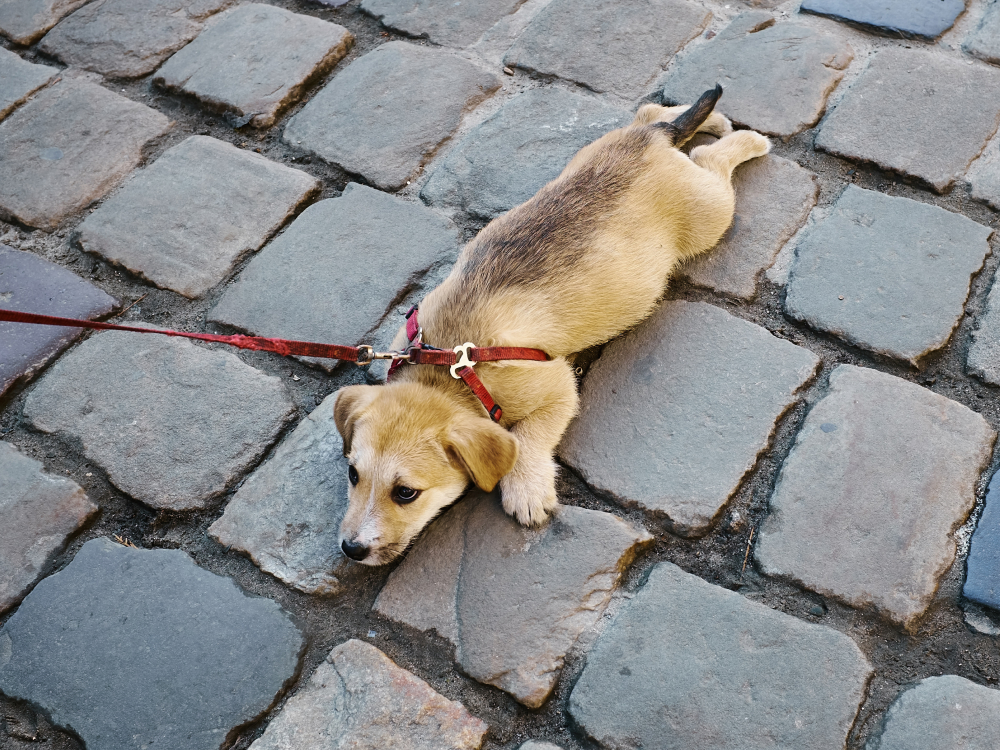
Image Source: images.ctfassets.net
Reasons Your Dog Stops Walking
Dogs cannot tell us with words why they don’t want to walk. We have to watch their actions. We must think about what might be bothering them. Many things can make a dog avoid walks.
Deciphering Physical Issues
One big reason a dog might refuse to walk is that they hurt. If your dog is in pain walking, they will not want to move. Pain is a strong reason to stop.
h5 Signs of Pain or Discomfort
Look for these signs. They tell you your dog might hurt.
* Limping
* Moving slower than usual
* Stiffness, especially after resting
* Crying out or whimpering
* Licking a specific body part a lot
* Not wanting to be touched
* Lagging far behind on walks
* Trying to end the walk quickly
h5 Common Pain Causes
Pain can come from many places.
* Joint Problems: Like arthritis. This is common in older dogs. A senior dog doesn’t want to walk often because their joints ache.
* Paw Injuries: Rocks, thorns, glass can cut paws. Hot pavement or ice and salt can burn or hurt paw pads. Check their paws.
* Muscle or Back Pain: Just like people, dogs can pull a muscle. They can have back issues.
* Feeling Sick: If your dog feels unwell, they won’t want to exercise. A cold, an upset stomach, or something else might be the cause.
* Injuries: They might have hurt themselves in the yard or house.
If you think your dog is in pain walking, see your vet right away. A vet can find the exact problem. They can give medicine to help your dog feel better. Do not force a dog who seems to be hurting to walk.
Interpreting Emotional Reasons
Fear and worry are huge reasons a dog avoids walks. A dog afraid to walk outside is not being stubborn. They are truly scared. This fear is real for them.
h5 Fear of the Outside World
Some dogs find the world outside scary.
* Loud Noises: Trucks, sirens, motorcycles, construction sounds.
* Strange Objects: Trash cans, statues, flags blowing, noisy machinery.
* Other Beings: People they don’t know, other dogs, bicycles, skateboards.
* Certain Surfaces: Grates, slippery sidewalks, uneven ground.
* Bad Past Experiences: Maybe they were scared by something loud on a walk. Maybe another dog growled at them. These bad memories can stay.
If your dog is scared of going outside, they might show signs.
* Tucked tail
* Ears back
* Yawning or lip licking when not tired or hungry
* Shaking or trembling
* Freezing in place
* Trying to run back home
* Pacing or panting
* Hiding behind your legs
h5 Anxiety About Walking
Some dogs feel worried in general or about leaving home.
* Separation Anxiety: If your dog hates being alone, they might feel anxious even before you leave the house. The walk might make them feel closer to you leaving them.
* General Anxiety: Some dogs are just more nervous by nature. New places or events stress them.
* Lack of Socializing: A puppy won’t walk on leash well if they haven’t seen much of the world. Not meeting different people, dogs, and seeing new sights when young makes things scarier later.
Solving fear and anxiety takes time and patience. You need to help your dog feel safe.
h5 Helping a Fearful Dog
- Start Slow: Don’t force them far. Just go to the door. Give a treat. Go back inside.
- Small Steps: Go just outside the door. Give a treat. Go back. Build up slowly. Walk just a few feet.
- Positive Feelings: Pair scary things (like sounds or sights) with good things (like yummy treats). This is called counter-conditioning.
- Happy Training: Use treats and praise a lot. Make going outside a good thing.
- Safe Space: Find quiet times and places for walks at first. Avoid busy streets.
- Confidence Building: Teach them simple tricks. Use puzzle toys. This builds their belief in themselves.
- Pro Help: If fear is big, a certified behaviorist or trainer can help a lot. They know special ways to help scared dogs.
Grasping Behavioral Issues
Sometimes, dogs just don’t want to go. This isn’t pain or fear. It might be about what they have learned.
h5 Lack of Training or Routine
- No Leash Practice: A puppy won’t walk on leash if they don’t know how. The leash might feel strange. They might not know what you want them to do.
- Inconsistent Walks: If walks happen at random times, or sometimes don’t happen, the dog might not see them as a regular fun thing.
- Pulling Works: If pulling back or stopping makes you turn around, the dog learns this works. A dog refuses to walk because they learned stopping ends the walk.
h5 Preference and Stubbornness
- Comfy Homebody: Some dogs just like being home or in their yard best. Why go out when the sofa is right here?
- Weather Hater: Some dogs hate rain. Some hate cold or heat. If the weather is bad, they might dig in their heels.
- Knows What They Want: Some breeds or individual dogs are just more strong-willed. They might want to go left, and you want to go right.
h5 Attention Seeking
- Stopping or being difficult gets your full attention. If you pet them or talk to them a lot when they stop, they might do it more.
h5 Solving Behavioral Problems
- Make it Fun: Bring super good treats. Play a quick game before leaving. Use a happy voice.
- Train Leash Manners: Teach your puppy or dog what the leash means. Use treats to reward walking next to you. Stop moving if they pull, and start again when the leash is loose.
- Be Consistent: Try to walk at the same time each day. This helps them know what to expect.
- Be Patient and Firm: Don’t get mad. Wait them out if they stop (if you know it’s not pain or fear). When they take a step, praise them a lot.
- Don’t Reward Stopping: Don’t go home the second they stop unless it’s for a planned short training session. Don’t give attention for bad behavior. Reward the good steps forward.
- High-Value Rewards: Use treats they love for walks. This makes the walk more exciting than staying home.
Figuring Out Environmental Factors
Sometimes the problem is not the dog, but the walk itself.
h5 The Walking Conditions
- Weather Extremes: Too hot, too cold, heavy rain, or snow can be very uncomfortable.
- Ground Surface: Hot pavement burns paws. Ice is slippery. Rough paths hurt paws.
- Too Busy/Noisy: Some routes are just overwhelming for a sensitive dog.
h5 What’s On the Route
- Scary Things: That loud bus stop, the barking dog in a yard, the scary-looking statue.
- Too Many Smells/Marking Spots: For some dogs, the walk is just a rush to sniff every spot. Moving on is hard.
h5 Adjusting for the Environment
- Timing: Walk in the early morning or late evening in summer. Walk midday in winter. Avoid rush hour noise.
- Gear: Get paw booties for hot or cold ground. Use a doggy raincoat or sweater if needed.
- Route Choice: Pick quieter streets. Walk in a park or trail if possible. Vary your route to avoid specific scary spots sometimes.
- Allow Sniffing: Walks are your dog’s chance to smell the world. Build in sniff time. This is part of their mental exercise.
Fathoming Age-Related Changes
As dogs get older, their needs change. A senior dog doesn’t want to walk as much or as far as they used to. This is normal aging.
h5 Signs of Aging Affecting Walks
- Slowing down
- Sleeping more
- Less interest in playing
- Stiffness
- Trouble seeing or hearing
- Panting more easily
- Wanting shorter walks
h5 How to Help a Senior Dog
- Shorter, Slower Walks: Don’t expect them to go as far or fast. Maybe two short walks are better than one long one.
- More Potty Breaks: Older dogs might need to pee more often. Be patient.
- Comfortable Gear: Use a harness instead of a collar if it pulls their neck. Make sure their leash is light.
- Keep Moving (Gently): Gentle walks still help their joints and muscles. It keeps their mind active too. Don’t stop walks completely unless the vet says so.
- Vet Check-ups: Older dogs should see the vet more often. They can check for arthritis, heart issues, or other problems that make walking hard. Medicine or supplements might help.
- Warmth/Cold: Older dogs feel temperature more. Use a coat in winter. Avoid heat in summer.
When Refusal is Sudden
If your dog suddenly won’t walk, and this is new behavior, pay close attention. This often means something is wrong right now.
h5 Causes of Sudden Refusal
- Acute Pain: They might have just hurt their paw, twisted something, or feel a sudden sharp pain. This is a very common cause for a dog suddenly won’t walk.
- Sudden Fear: A really loud noise, a fall, or a scary event right outside your door could cause this.
- Quick Illness: They might feel suddenly nauseous, dizzy, or weak.
h5 What to Do with Sudden Refusal
- Stop Trying: Don’t force them.
- Check Them Over: Gently feel their legs, paws, back. Look for cuts or swelling on paws.
- Watch Other Signs: Are they panting? Shaking? Crying? Do they seem dizzy?
- Call the Vet: A sudden change like this, especially if there are other signs of pain or illness, needs vet attention quickly. It’s better to check and be safe.
Solutions and Advice for Reluctant Walkers
Once you have an idea why your dog doesn’t want to walk, you can try different solutions. Often, it’s a mix of things.
h4 Steps to Get Your Dog Walking Happily
Here is a plan to follow.
h5 Rule Out Health Problems First
- Always start here, especially if the refusal is new or you see signs of pain. A vet check is key. Don’s assume it’s just behavior.
h5 Make the Leash a Good Thing
- Don’t just bring out the leash for walks.
- Pick up the leash. Give a treat. Put the leash down. Do this randomly.
- Attach the leash inside the house for short times. Give treats and play. Take it off.
- This helps a puppy won’t walk on leash learn the leash is okay. It helps older dogs too.
h5 Build Positive Associations with Going Outside
- Open the door. Give a treat. Close the door. Repeat.
- Step outside for just a second. Treat. Go back in.
- Slowly increase time outside the door. Never force them out.
- Praise and treat for any step towards the door or outside.
h5 Use High-Value Treats and Praise
- Find out what treats your dog goes crazy for (like small pieces of cheese, hot dogs, chicken).
- Save these only for walks or walk training.
- Give treats the moment they show interest in going out, take a step forward, or walk nicely.
- Use lots of happy talk and praise.
h5 Implement Desensitization and Counter-Conditioning (for Fear)
- Identify what scares them (cars, noises, etc.).
- Expose them to the scary thing from a distance where they are not scared.
- Give them yummy treats while they see or hear the scary thing.
- The goal is for them to think “Yay, car noise means treats!” instead of “Oh no, scary noise!”
- Slowly get closer over many sessions as they get more comfortable. Never rush. If they act scared, you are too close. Move farther away.
h5 Adjust the Walk Experience
- Change your route. Find quieter streets or trails.
- Walk at different times of day.
- Go only as far as your dog is happy. Even five minutes is okay at first.
- Let them sniff! Sniffing is good for dogs. Build sniff breaks into the walk.
- Carry them past a scary spot if they are small enough. Then walk the rest of the way.
h5 Consider Different Gear
- A comfortable harness might be better than a collar if they pull back or gag.
- A front-clip harness can help reduce pulling forward.
- Make sure gear fits well and doesn’t pinch or rub.
h5 Make it Predictable
- Try to walk around the same time each day. Dogs like routine.
h5 Ignore Unwanted Behavior (Carefully)
- If you are sure it’s not pain or fear, and your dog is just being stubborn or wanting attention by stopping, sometimes standing still and waiting is best.
- Don’t pull or yell. Just wait. The second they take one step forward, praise and reward.
- This takes major patience. Only do this if you are certain it’s not fear or pain. Forcing a scared or hurt dog makes things worse.
h4 Table of Potential Causes and Solutions
| Why Dog Won’t Walk? | Likely Signs | What to Do |
|---|---|---|
| Pain/Illness | Limping, slow, stiff, whining, licking, sudden. | VET VISIT FIRST! Follow vet advice (meds, rest, therapy). |
| Fear/Anxiety | Tail tucked, shaking, freezing, pulling back, hiding. | Desensitize, counter-condition, positive reinforcement, start slow, pro help. |
| Lack of Training | Pulling, stopping, biting leash, doesn’t know what to do. | Leash training with positive reinforcement, make leash fun. |
| Bad Weather/Environment | Refuses in rain/heat, acts scared of noises/sights. | Change walk time/route, use protective gear, gradual exposure to triggers. |
| Stubbornness/Preference | Digging heels, pulling back but seems okay otherwise. | Make walks super rewarding (treats, praise), be patient, outwait stops (if safe). |
| Age (senior dog doesn’t want to walk) | Slow, tired easily, stiff, less interest. | Shorter/slower walks, more breaks, comfort gear, regular vet checks for pain. |
| Sudden Refusal (dog suddenly won’t walk) | New, abrupt stop, possibly signs of pain/fear. | Stop immediately, check for injury, VET VISIT urgently. |
When to Ask for Expert Help
Sometimes, figuring this out and fixing it alone is too hard. This is okay. Dog professionals can offer a lot of help.
h4 Types of Professional Help
- Veterinarian: Always the first stop for sudden changes or signs of pain. They deal with health issues.
- Certified Professional Dog Trainer (CPDT-KA or CPDT-KSA): Good for basic leash training, teaching good manners, and making walks fun through positive methods.
- Certified Applied Animal Behaviorist (CAAB or ACAAB) or Veterinary Behaviorist (DACVB): These are experts in animal behavior problems like severe fear, anxiety, or aggression. They can create detailed plans for complex issues.
h5 Signs You Need Professional Help
- The refusal is sudden and the vet finds no clear cause.
- Your dog shows strong fear or panic outside (shaking they cannot stop, trying to escape).
- The behavior is getting worse, not better.
- You feel unsafe walking your dog because of their behavior.
- Your dog is showing aggression (growling, biting) when asked to walk.
- You feel stuck and don’t know what else to try.
Don’t wait too long to ask for help. The sooner you get expert advice, the sooner you and your dog can enjoy walks together.
Making Walks Enjoyable for Both of You
Walks should be fun! They are great for your dog’s body and mind. They also help you bond.
h4 Tips for Better Walks
- Keep it Positive: Use treats, praise, and toys. Never punish on walks.
- Be Patient: Change takes time. Celebrate small wins (one step, reaching the corner).
- Be Predictable: Try to have a routine.
- Learn Your Dog’s Signals: Pay attention to their body language. Learn what makes them happy or scared.
- Sniff Time is Key: Allow plenty of time for sniffing. It’s how dogs see the world. Think of it as reading their “pmail”.
- Interactive Walks: Play simple games on the walk. Hide a treat for them to find. Do a quick training cue.
- End on a Good Note: Always try to finish the walk while things are positive. If your dog stops, and you can’t get them to move forward happily, go back inside cheerfully when they finally take a step back towards home.
h5 What Not to Do
- Never Force: Do not drag or pull a dog who is refusing to move. This can hurt them or make them more scared.
- Don’t Get Angry: Getting frustrated or mad will not help and can damage your bond.
- Don’t Punish: Don’t scold or use harsh methods if your dog refuses. This won’t fix the root cause and can create more fear.
Summary: Why Walks Stop and How to Start Again
Seeing your dog refuse to walk can be frustrating. It’s a key part of their life and yours. But remember, there’s always a reason. It could be pain (senior dog doesn’t want to walk, dog in pain walking). It could be fear (dog afraid to walk outside, dog scared of going outside, anxiety about walking dog). It could be they haven’t learned yet (puppy won’t walk on leash). Or it could be simple things like weather or a bad day.
Your job is to be a detective. Watch your dog. Think about what changed. What happens right before they stop? Where do they stop?
Start by checking for pain. This is vital, especially if your dog suddenly won’t walk or is a senior dog. See the vet.
Then, think about feelings. Is your dog afraid or worried? Use slow steps, treats, and positive experiences to build confidence outside.
Consider training. Does your dog understand what you want? Use treats and praise to teach them leash manners.
Adjust the walk itself. Change the time, route, or use different gear.
Be patient above all else. Fixing a fear or changing a learned behavior takes time. Celebrate small steps forward.
If you feel overwhelmed, or the problem is severe, ask for help from a professional trainer or behaviorist. They have the tools to help you and your dog enjoy walks together again. Walks are important for a happy, healthy dog, but they must feel safe and comfortable doing them.
Frequently Asked Questions (FAQ)
h4 Why Does My Puppy Not Want to Walk on a Leash?
Puppies need to learn about leashes and walking. The leash might feel strange or scary at first. They also need time to see the world and not be scared (socializing). Start slow. Put the leash on inside for short times with play and treats. Then go just outside the door. Use lots of small treats and praise for any step forward. Make it fun! Don’t drag them. If your puppy won’t walk on leash, be patient.
h4 My Senior Dog Suddenly Doesn’t Want to Walk. Is This Normal?
A sudden change in a senior dog’s behavior, like refusing to walk, is often a sign of pain or illness. While senior dogs slow down, a sudden stop isn’t just normal aging. It could mean new arthritis pain, an injury, or feeling unwell. You should see your vet right away to find out why your senior dog doesn’t want to walk suddenly.
h4 My Dog Hides When I Get the Leash. Why?
If your dog is hiding from walks, it usually means they link the leash or going outside with something bad. This is likely fear or anxiety (dog afraid to walk outside, anxiety about walking dog). Maybe something scary happened on a walk. Maybe they feel unsafe outside. Start by making the leash a good thing (see steps above). Then work on making going outside feel safe and happy, using treats and very slow steps.
h4 How Can I Tell if My Dog is Scared or Just Stubborn?
This can be tricky. Look closely at their body language. A scared dog might have a tucked tail, wide eyes, panting, shaking, or try to pull away strongly or freeze completely (dog afraid to walk outside, dog scared of going outside). A stubborn dog might just stand there, look away, or pull towards home without other fear signs. If you’re unsure, it’s safer to assume fear or pain and use gentle methods. Forcing a scared dog makes the fear worse.
h4 My Dog Was Fine, But Now He Refuses to Walk at a Certain Spot. What Happened?
This is very common! Your dog likely had a bad experience at that specific spot. Maybe a loud truck went by, another dog scared them, or they heard a sudden noise. Now they link that spot with fear. This is a fear-based refusal (dog afraid to walk outside at that spot). To fix this, avoid the spot for a bit. Then, slowly work on getting closer, staying far enough away that your dog isn’t scared, and giving treats whenever you are near the “scary” spot. Get closer only when they are relaxed.
h4 Can Anxiety About Walking Dog Be Treated?
Yes, anxiety about walking dog can definitely be treated, but it takes time and effort. It involves helping your dog feel less anxious about the triggers outside. This often means using desensitization (slowly getting used to the trigger) and counter-conditioning (changing their feeling about the trigger from bad to good using treats). A professional behaviorist or trainer is often needed for moderate to severe anxiety.
h4 What if My Dog Only Walks a Short Way and Then Stops?
This could be several things. It might be pain or getting tired easily (common for a senior dog doesn’t want to walk far or a dog in pain walking). It could be that they reached a point where they feel scared (dog afraid to walk outside past a certain point). Or they might have learned that stopping eventually leads back home (reasons dog avoids walks). First, rule out pain with a vet. Then, try making the walk super fun with treats. If fear seems likely, identify what is at that point that scares them and work on that specifically with treats and slow steps.
h4 My Dog Suddenly Won’t Walk After it Rained/Snowed. Why?
Dogs can be sensitive to weather! Hot pavement hurts paws. Cold and ice are uncomfortable or scary. Rain might feel unpleasant or make new, scary sounds. If your dog suddenly won’t walk after a change in weather, they are likely uncomfortable or afraid of the new conditions. Try going out at different times or on different surfaces. Consider paw protection like booties or a warm coat.
h4 Is it Okay if My Dog Doesn’t Walk Every Day?
Daily walks are great for most dogs, helping with exercise, mental stimulation, and potty breaks. However, if your dog has health issues, is very old, or has severe fear that is being worked on slowly, skipping a walk or doing very short outings might be necessary on some days. The goal is for walks to be a positive thing. If forcing a walk makes things worse, sometimes other forms of exercise (indoor games, puzzle toys, yard time) might be better temporarily while you work on the walking issue. But for a healthy dog, aiming for regular walks is important.