
Does your older dog seem to pant more than before? You might wonder why. A dog panting a lot, especially an older one, can mean different things. Sometimes it’s just normal, like after playing or when it’s warm. But heavy breathing in old dogs can also be a sign of something else. It could be simple things like feeling stressed or warm. Or it could be a sign of senior dog health issues and panting that need a vet’s help. This article will help you figure out why your older dog pants a lot and what you can do about it.
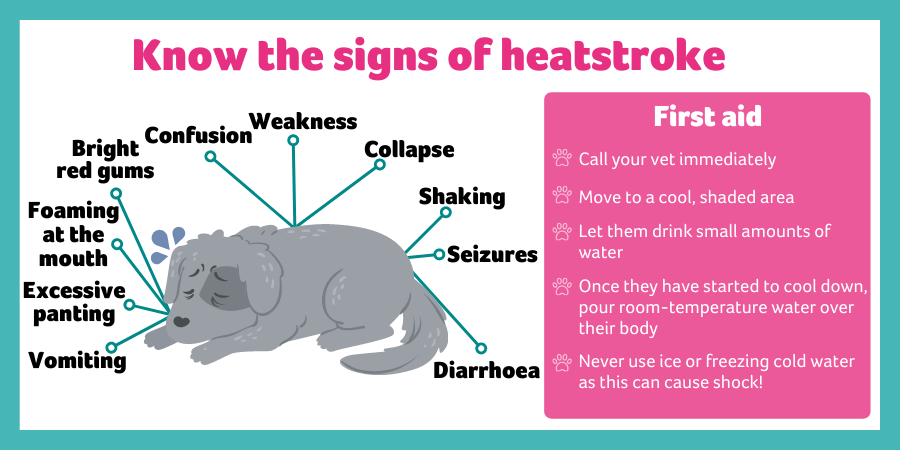
Image Source: www.pdsa.org.uk
Deciphering Normal Panting vs. Too Much Panting
Panting is how dogs cool down. They don’t sweat much like people do. Panting helps them let heat out of their bodies. A bit of panting after running or on a warm day is totally normal. It’s a natural way they control their body heat.
But sometimes, older dogs pant too much. This is often called excessive panting in senior dogs. It might happen when they haven’t done much exercise. It might happen when it’s not very warm. This kind of panting is a sign something might not be right. It’s important to know the difference between normal panting and panting that is a worry.
How do you tell the difference?
* Normal panting: Happens after exercise, when excited, or in warm weather. It should slow down once they rest or cool off. The breathing is usually steady.
* Excessive panting: Happens often, even when the dog is resting. It might seem very strong or fast. It might come with other signs like restlessness, weakness, or changes in how they act. This heavy breathing in old dogs is a red flag.
Common Causes of Excessive Panting in Senior Dogs
Many things can make an older dog pant more than usual. Some are easy to fix, while others need a vet visit. Let’s look at the main reasons.
Warm Weather and Heat Exhaustion
This is a common reason for any dog to pant, but older dogs are more likely to have trouble with heat. Their bodies don’t handle heat changes as well as when they were younger. Heat exhaustion in older dogs can happen if they get too hot. This is serious and needs quick help.
Signs of heat problems include:
* Lots of heavy panting.
* Very red gums or tongue.
* Thick drool.
* Acting tired or weak.
* Trouble walking.
* Sometimes, throwing up or having loose poop.
If you think your dog is too hot, move them to a cool place right away. Give them a little cool water. You can wet their paws, ears, and belly with cool (not cold) water. Get to a vet fast if they don’t get better quickly or seem very sick.
Pain Indicators in Senior Dogs
Older dogs can have aches and pains just like older people. They can’t tell us they hurt. Pain can make them pant more. This is one of the important pain indicators in senior dogs. The panting might be their way of showing they are uncomfortable.
What kind of pain?
* Joint pain: Arthritis is common in old dogs. It makes joints hurt and stiff. Walking or getting up might be hard.
* Muscle pain: Like when we pull a muscle.
* Other hidden pain: Pain from teeth, belly aches, or even just old age stiffness.
Other signs of pain might be:
* Moving slowly or not wanting to move.
* Having trouble getting up or lying down.
* Limping.
* Licking a certain spot a lot.
* Changes in how they act, like being grumpy or not wanting to be touched.
* Shaking.
If your dog seems to hurt, panting could be a sign. Talk to your vet about pain relief options for older dogs.
Anxiety in Older Dogs Panting
Yes, older dogs can feel worried or stressed too. Changes in their life, new noises, or even just feeling less sure about things can make them anxious. Anxiety in older dogs panting is common.
Why does anxiety cause panting? Stress makes their body work harder. Their heart beats faster, and they breathe faster. This often shows up as panting.
What might make an older dog anxious?
* Hearing loud noises (thunder, fireworks).
* Being left alone (separation worry).
* Changes at home (new people, new pets, moving).
* Feeling less able to see or hear, which makes them feel less safe.
* Pain, which can also make them anxious.
Other signs of anxiety might include:
* Shaking.
* Pacing.
* Not wanting to eat.
* Hiding.
* Following you everywhere.
* Yawning a lot (when not tired).
* Licking their lips a lot.
If you think worry is making your older dog pant, try to find out what is scaring them. Make their space safe and calm. Talk to your vet about ways to help with anxiety.
Heart Problems in Older Dogs Symptoms
The heart can get weaker as dogs get older. This is a big reason for senior dog health issues and panting. Heart problems can make it hard for the body to get enough oxygen. The dog’s body tries to get more air by panting harder. Heart problems in older dogs symptoms often include heavy breathing.
Types of heart problems:
* Valve problems: The parts inside the heart that control blood flow don’t work right.
* Heart muscle problems: The heart can’t pump blood strongly.
* Fluid around the heart or in the lungs: This makes it hard to breathe.
Other signs of heart problems might be:
* Coughing, especially at night or when resting.
* Getting tired very easily.
* Not wanting to exercise.
* Restlessness, especially at night.
* Weight loss.
* Belly looking swollen.
* Gums or tongue looking blue or gray (this is an emergency!).
If you see these signs, or if your older dog is panting a lot without a clear reason, it’s very important to see a vet. They can listen to the heart and lungs and maybe do tests like X-rays or heart scans.
Breathing Problems
Just like heart problems, issues with the lungs or airways can cause heavy breathing in old dogs. If the lungs aren’t working well, the dog has to work harder to get air, leading to panting.
What breathing problems?
* Lung infections: Like pneumonia.
* Lung disease: Problems that make lung tissue thick or hard.
* Airway collapse: Some breeds, especially small ones, can have weak airways that collapse, making breathing hard.
* Fluid in the lungs: Often linked to heart failure.
* Growths in the lungs or airways: These can block air flow.
Signs of breathing problems:
* Panting a lot at rest.
* Breathing seems hard or noisy.
* Coughing.
* Gums or tongue looking blue or gray.
* Sticking their neck out and head up to breathe.
* Not wanting to move.
Any signs of trouble breathing need a vet visit right away.
Cushing’s Disease Symptoms in Dogs
Cushing’s disease is a condition where the body makes too much of a hormone called cortisol. This happens because of a problem with the adrenal glands or the brain. It is one of the specific senior dog health issues and panting causes that vets look for. Cushing’s disease symptoms in dogs often include increased panting.
Why does Cushing’s cause panting? The high levels of cortisol can affect the muscles, making them weaker, including the muscles used for breathing. It also makes dogs feel hotter than they are, so they pant to cool down.
Other signs of Cushing’s disease:
* Drinking a lot more water.
* Peeing a lot more.
* Having a very big appetite.
* Hair loss, often on the body.
* Thin skin.
* A pot belly look.
* Muscle weakness.
* Getting skin problems often.
If you see these signs, your vet can do tests to see if it’s Cushing’s disease. There are ways to manage this condition with medicine.
Laryngeal Paralysis
This is a condition more common in older, large-breed dogs. It happens when the nerves that control the voice box (larynx) don’t work right. The voice box doesn’t open wide enough when the dog breathes in. This blocks air flow.
Signs of laryngeal paralysis:
* Breathing that sounds loud and raspy, especially when breathing in.
* Coughing or gagging when eating or drinking.
* Less barking or a change in their bark sound.
* Getting tired easily.
* Panting a lot, especially when warm or stressed.
* Gums or tongue looking blue (severe air block).
This problem needs a vet to diagnose. Sometimes surgery can help open the airway.
Anemia
Anemia means the dog does not have enough red blood cells. Red blood cells carry oxygen in the blood. If there are not enough, the body doesn’t get enough oxygen. The dog’s body tries to make up for this by breathing faster and harder, leading to panting.
Signs of anemia:
* Panting more.
* Acting tired or weak.
* Gums looking pale pink or even white.
* Not wanting to eat.
* Weight loss.
Anemia is usually a sign of another health problem, like bleeding somewhere or a disease that breaks down red blood cells. A vet can check for anemia with a simple blood test and find the cause.
Medications
Sometimes, medicine can cause panting as a side effect. For example, some medicines used to treat pain or swelling, like prednisone (a type of steroid), can make dogs pant more and drink/pee more.
If your older dog recently started a new medicine and is panting a lot, ask your vet if the medicine could be the reason. Don’t stop giving the medicine without talking to your vet first.
Being Overweight
Carrying too much weight makes it harder for your dog’s body to work. It puts more stress on the heart and lungs. Overweight dogs often pant more, especially in warm weather or after even light exercise. Helping your older dog lose weight, if needed, can improve their breathing and overall health.
Symptoms Associated with Older Dog Panting
Panting itself is a symptom, but it often comes with other signs. Paying attention to these other symptoms associated with older dog panting can help you and your vet figure out what’s going on.
Here are some signs to watch for along with heavy breathing in old dogs:
- Restlessness: Can’t get comfortable, keeps changing spots.
- Trouble settling down: Stays panting and moving even when trying to rest.
- Coughing: Especially a dry cough or one that sounds like gagging.
- Weakness or tiredness: Gets tired very fast, doesn’t want to walk or play.
- Changes in behavior: Acting more clingy, hiding, being less friendly, or seeming confused.
- Changes in eating or drinking: Eating less or a lot more, drinking a lot more water.
- Changes in peeing: Peeing a lot more, having accidents inside.
- Weight change: Losing weight without trying, or gaining weight with a pot belly.
- Changes in gums/tongue color: Pale, white, blue, or purple gums/tongue are serious.
- Shaking or trembling.
- Swollen belly.
- Collapsing or fainting.
If you see these symptoms along with excessive panting in senior dogs, it’s time to call the vet.
When Excessive Dog Panting Is Serious
It’s not always easy to know when to worry. When excessive dog panting is serious often depends on how bad the panting is, how long it lasts, and if other bad signs are there.
Call your vet right away or go to an emergency clinic if:
- The panting starts suddenly and is very strong.
- Your dog’s gums or tongue look blue, purple, or very pale/white. This means they aren’t getting enough oxygen.
- Your dog is struggling to breathe, sticking their neck out, or their chest moves a lot when they breathe.
- Your dog collapses or faints.
- You think your dog is suffering from heat stroke (very hot, very heavy panting, red gums, weak).
- The panting is happening with lots of coughing or gagging.
- Your dog seems to be in severe pain.
- Your dog is very weak and can’t stand up.
Call your vet to make an appointment soon if:
- Your older dog is panting more than usual often, even at rest, but seems okay otherwise.
- The panting is happening along with other symptoms like drinking/peeing more, weight changes, or behavior changes.
- The panting seems linked to pain signs (stiffness, limping).
- You are just worried about the amount of panting your dog is doing.
It is always better to be safe than sorry. If something feels wrong with your older dog, calling the vet is the right thing to do.
Finding the Reason: What Your Vet Will Do
When you take your older dog to the vet because of heavy breathing, the vet will try to find the cause. They will ask you lots of questions.
Things the vet will ask about:
* When did the panting start?
* How often does it happen?
* What is your dog doing when they pant? (Resting, after walks, when excited?)
* Is it better or worse at certain times (day or night)?
* Do you see any other signs (coughing, drinking more, tired)?
* What food does your dog eat?
* What medicines do they take?
* Has anything new happened at home?
The vet will also do a full physical check-up. They will:
* Listen to your dog’s heart and lungs carefully.
* Feel their belly.
* Check their gums and tongue color.
* Look at their eyes, ears, and mouth.
* Feel their joints and muscles.
* Check their weight.
Based on what they find, the vet might suggest tests. These tests help find the exact problem.
Common tests might include:
* Blood tests: These check for things like anemia, infection, kidney problems, liver problems, and can help check for Cushing’s disease.
* Urine test: Checks kidney function and can also be part of checking for Cushing’s.
* X-rays: Pictures of the chest and belly. These can show the size of the heart, fluid in the lungs, or problems in the lungs or belly.
* Echocardiogram: A special scan of the heart to see how it is working. This is often needed if the vet thinks there’s a heart problem.
* Blood pressure check: High blood pressure can sometimes cause symptoms.
* Tests for specific diseases: Like more detailed tests for Cushing’s disease.
Getting a clear answer from the vet is the first step to helping your older dog feel better.
Solutions and Ways to Help Your Older Dog
Once the vet finds out why your older dog is panting a lot, they can suggest the best way to help. The solution depends on the cause.
Managing Heat and Keeping Cool
If heat is the main issue, focus on keeping your dog cool.
* Make sure they always have fresh, cool water.
* Give them a cool place to rest inside, maybe with a fan.
* Only walk them in the early morning or late evening when it’s cooler.
* Never leave them in a car, even with windows open!
* Use cooling mats or wet towels on warm days.
* Avoid hard exercise when it’s hot.
Treating Pain
If pain is causing the panting, the vet can give medicine to help.
* Pain relievers: Special medicines just for dogs can ease joint or muscle pain. Do NOT give human pain medicine like Advil or Tylenol – they are dangerous for dogs.
* Anti-inflammatory drugs: These help reduce swelling and pain in joints.
* Joint supplements: Products with glucosamine and chondroitin can help support joint health over time.
* Other treatments: Physical therapy, massage, or acupuncture might also help dogs with chronic pain.
Helping with Anxiety
If anxiety is the cause, there are ways to make your dog feel safer.
* Try to avoid things that make them scared.
* Create a safe, quiet space for them.
* Use calming products like diffusers that release dog appeasing pheromones.
* Give them calming toys or things to chew on.
* Keep their daily routine steady.
* Talk to your vet about anti-anxiety medicine or working with a dog behavior expert.
Treating Heart Problems
Heart problems need medical care.
* Medicines: The vet will likely give medicines to help the heart pump better, remove extra fluid from the lungs (diuretics), or help blood flow.
* Diet changes: Sometimes, a special diet is recommended.
* Less exercise: You might need to limit how much your dog runs or plays.
Managing heart disease means regular vet visits and giving medicines exactly as the vet says.
Treating Breathing Problems
Helping breathing problems depends on what they are.
* Medicines: For infections, airway swelling, or fluid in the lungs.
* Surgery: For issues like laryngeal paralysis.
* Oxygen: In serious cases, oxygen might be needed at the vet clinic.
Managing Cushing’s Disease
Cushing’s disease is usually treated with medicine.
* Medicine: The vet will give medicine to control how much cortisol the body makes.
* Regular checks: Dogs on this medicine need regular blood tests to make sure the dose is right.
This is often a lifelong condition that needs careful management.
Helping with Anemia
Treating anemia means finding and fixing the reason why the dog doesn’t have enough red blood cells.
* Treating the cause: This might mean treating an infection, stopping bleeding, or managing a disease that is destroying red blood cells.
* Supplements: Sometimes, iron or vitamin supplements can help.
* Blood transfusion: In very serious cases, a blood transfusion might be needed right away.
Adjusting Medications
If a medicine is causing panting, the vet might:
* Lower the dose if possible.
* Switch to a different medicine.
* Suggest ways to manage the side effect.
Never change your dog’s medicine yourself. Always talk to the vet.
Weight Management
If your dog is overweight, helping them lose weight will ease stress on their body.
* Special diet: Your vet can suggest a weight-loss food.
* Controlled portions: Measure their food carefully. Don’t give too many treats.
* Gentle exercise: Start with short, slow walks and slowly do a little more as they can handle it. Always watch for tiredness or too much panting.
Making Life Comfortable for an Older Dog
Even if your older dog’s panting is due to normal aging or a condition that can’t be cured, you can still help them be more comfortable.
- Create a calm home: Loud noises and sudden changes can be stressful.
- Soft, comfy beds: Older dogs can be stiff. A soft bed helps their joints.
- Easy access: Use ramps if stairs are hard. Make sure food and water bowls are easy to reach.
- Regular vet check-ups: Even when healthy, regular visits help catch problems early. For dogs with health issues, follow the vet’s schedule closely.
- Gentle exercise: Keep them moving, but don’t push too hard. Short, slow walks are great.
- Keep them clean and groomed: This helps prevent skin problems and keeps them comfortable.
- Watch them closely: You know your dog best. Notice small changes in how they act or breathe.
Sometimes, increased panting is just a part of getting old, like feeling the heat more or being a bit stiff. But it’s important to rule out bigger health problems first.
Preventing Excessive Panting in Some Cases
You can’t stop aging, but you can take steps to keep your older dog as healthy as possible and maybe prevent some causes of heavy panting.
- Keep a healthy weight: This reduces stress on the heart, lungs, and joints.
- Regular exercise: Gentle, regular walks keep muscles strong and support heart health.
- Good diet: Feed a high-quality food that is right for their age and size.
- Regular vet care: Yearly or twice-yearly check-ups can find health problems early before they become severe and cause heavy panting.
- Dental care: Healthy teeth and gums prevent infections that can affect other parts of the body.
- Protect from heat: Always provide shade, water, and avoid hot surfaces in warm weather.
- Manage known conditions: If your dog has a disease like heart disease or Cushing’s, follow the vet’s treatment plan carefully to manage symptoms.
By taking good care of your older dog, you help them live a happier, more comfortable life. Pay attention to their breathing and any other signs that might mean they need help.
Frequently Asked Questions About Older Dog Panting
h4: Is it normal for older dogs to pant more often?
Older dogs might pant a bit more because they get tired more easily, are more sensitive to heat, or have mild aches. However, a big increase in panting, especially at rest, is not just a normal part of aging and should be checked by a vet.
h4: My older dog pants heavily at night. Why?
Panting heavily at night can be a sign of several things. It could be pain, anxiety (like being restless), or breathing/heart problems that seem worse when lying down. It’s a common symptom linked to heart problems in older dogs symptoms. See your vet to figure out the cause.
h4: Can arthritis cause panting in older dogs?
Yes, arthritis and other painful conditions can make older dogs pant more. Pain indicators in senior dogs often include increased panting, restlessness, or changes in movement.
h4: How can I tell if my older dog’s panting is from heat vs. a medical problem?
Panting from heat usually stops once the dog cools down. Medical panting often continues even when the dog is cool and resting, and it might come with other symptoms like coughing, weakness, or changes in gums color. If you’re unsure, or if the panting is very strong, assume it could be serious and seek vet help. Heat exhaustion in older dogs is also a medical emergency.
h4: My older dog pants a lot after taking medicine. Is this okay?
Some medicines, like steroids (prednisone), can cause increased panting, drinking, and peeing. If this is a known side effect of a medicine your vet prescribed, it might be okay, but always confirm with your vet. Never just accept new panting without checking.
h4: What are some signs that excessive dog panting is serious?
Signs that excessive dog panting is serious include gums/tongue looking blue or pale, struggling to breathe, collapsing, severe weakness, sudden strong panting without reason, or signs of severe pain or distress. These mean you need to see a vet right away.
h4: Can anxiety in older dogs cause lots of panting?
Yes, anxiety and stress are common reasons for increased panting in dogs of any age, including seniors. Anxiety in older dogs panting might happen during stressful events or sometimes just because they feel insecure or uncomfortable.
h4: My older dog has a pot belly and pants a lot. What could this mean?
A pot belly combined with increased panting, drinking, and peeing are common Cushing’s disease symptoms in dogs. This condition is more common in older dogs and requires a vet diagnosis and treatment.
Conclusion
Seeing your older dog pant heavily can be worrying. While sometimes it’s just normal cooling down, heavy breathing in old dogs is often a sign that something needs attention. Whether it’s pain indicators in senior dogs, heart problems in older dogs symptoms, Cushing’s disease symptoms in dogs, anxiety in older dogs panting, heat exhaustion in older dogs, or other senior dog health issues and panting, finding the cause is key to helping your furry friend.
Don’t wait if you are concerned. Pay close attention to the symptoms associated with older dog panting. Knowing when excessive dog panting is serious is important for getting help quickly. A trip to the vet is the best way to understand why your older dog is panting and get them the help they need to feel better and enjoy their golden years comfortably. Your vet is your best partner in keeping your senior dog healthy.