
Decoding Canine Talk: Why Does My Dog Talk Back To Me?
Dogs talk back to you for many reasons. They are trying to tell you something important. This is a big part of why dogs respond vocally to humans. It is how they share their needs, feelings, and wants. They might be asking for food, playtime, or attention. They might also be telling you they are scared, happy, or even annoyed. These dog vocalizations towards owner are not random sounds. They are a way your dog tries to connect with you. Think of it as their way of having a chat or making a point.
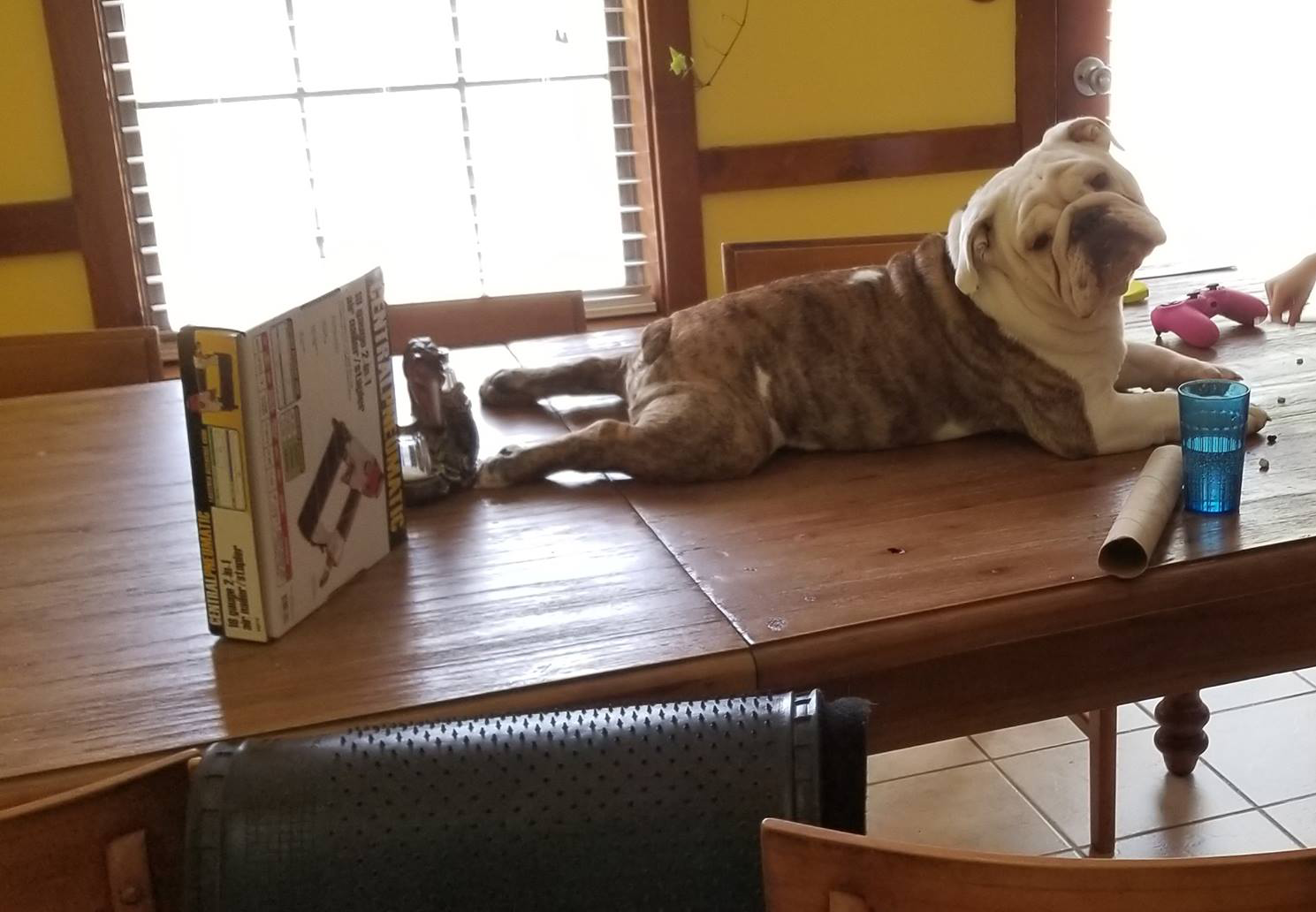
Image Source: www.paws2purrfection.com
The Rich Tapestry of Canine Sounds
Dogs use many sounds. These sounds help them talk to us and to other dogs. A dog’s voice is full of messages. Learning what these sounds mean helps you understand your dog better.
What Dogs Say with Their Voices
Dogs have a wide range of sounds. These sounds include barks, growls, whimpers, howls, yips, sighs, and groans. Each sound has a special meaning. For example, a quick yip might mean surprise. A long howl can mean loneliness.
These dog vocalizations towards owner are their main way to get your notice. They might use a soft whine when they want a treat. A loud bark might mean someone is at the door. Your dog chooses sounds based on what they want to tell you. They also learn what sounds work best to get your attention.
Interpreting Dog Vocal Cues: Beyond Just Noise
Vocal cues from your dog are not simple. They are part of a bigger message. A sound alone might not tell the whole story. You must look at the whole picture. This means looking at your dog’s body language. It also means thinking about the situation.
For example, a bark can mean many things. A playful bark sounds happy and comes with a wagging tail. A warning bark sounds deeper. It often comes with a stiff body and ears pulled back. Both are barks, but their meaning is very different. This is why interpreting dog vocal cues needs careful watching. You need to see the whole dog, not just hear their voice.
Why Dogs Respond Vocally to Humans: A Deep Dive
Dogs respond with their voices for many core reasons. These reasons come from their instincts. They also come from what they learn from living with us.
- Survival: Dogs, like their wild relatives, use sounds to alert others. They bark to warn of danger. This helped them survive in the wild. Even in your home, they might bark to tell you about a new person or sound.
- Attention-Seeking: Dogs love your attention. They learn that certain sounds make you look at them. A whine might get you to pet them. A bark might get you to throw a ball. They use sounds to get what they want from you.
- Expression of Emotion: Dogs feel many emotions. They show these feelings with their voices. A happy dog might make excited barks. A scared dog might whimper. A frustrated dog might groan or whine. These sounds are a way for dogs to show how they feel inside. This is how dogs express emotions vocally.
- Learned Behavior: Dogs are smart. They learn what works. If a dog barks to go outside and you let them out, they learn that barking works. They will use that bark again. This is why dog vocal responses become patterns. They are trying to get a certain result from you.
Dog Communicating Through Barks: The Main Melody
Barks are perhaps the most common sound dogs make. They are also the most varied. A bark can mean many things. It depends on the dog, the situation, and the type of bark.
Different Types of Barks and Their Meanings
- Short, Sharp Barks: These often mean “Hello!” or “Look at this!” Your dog might make one or two sharp barks when you come home. Or they might do it when they see something new.
- Long, Drawn-Out Barks: These can mean “I’m lonely” or “I want something!” If your dog barks like this when alone, it might be separation anxiety. If they bark like this at you, they might be telling you they want something.
- Rapid, High-Pitched Barks: These sounds often show excitement. Your dog might make these barks when it’s playtime. Or when you pick up their leash for a walk. This shows joy and eagerness.
- Low, Guttural Barks: These barks are warnings. They mean “Stay away” or “I am not happy.” Your dog might make this sound if they feel threatened. Or if someone comes too close to their food. This bark says “I am serious.”
These different barks are part of dog communication patterns. They help dogs tell us many different things.
When Barks Become “Talking Back”
Sometimes, a dog’s bark seems like a direct answer to you. You might say, “Time for bed,” and your dog gives a sharp bark. Or you tell them “No,” and they bark again. This can feel like your dog is “talking back” or “arguing.”
When your dog barks back at your commands or questions, they are still communicating. They might be:
* Protesting: They do not want to do what you asked.
* Confused: They do not understand what you want.
* Seeking attention: They know barking gets your notice.
* Excited: They are too worked up to calm down.
This behavior is not true arguing in the human sense. Dogs do not have debates. Instead, they are strongly stating their feelings or needs. It is still a form of communication.
Decoding Canine “Conversations”: More Than One-Way Talk
It might seem like your dog is just making noise. But often, it’s part of a conversation. Dogs listen to us, and then they respond.
How Dogs Talk to Their Owners: The Dialogue
Dogs are good at picking up on our cues. They hear our tone of voice. They watch our body language. They even learn some of our words. When you talk to your dog, they take it all in. Then, they respond in their own way. This often includes their vocalizations.
Your dog’s barks, whimpers, or howls are their part of the dialogue. For example, you might ask, “Want to go for a walk?” Your dog might answer with excited yips and a wagging tail. This is their way of saying, “Yes, please!” This shows how dogs talk to their owners. It is a back-and-forth exchange, even if one side uses barks. These are simple dog communication patterns.
Reasons for Dog Vocal Responses: What Drives Their Voice
Dogs do not just bark for no reason. There is always a reason behind their vocal responses. Some common reasons include:
- Reinforcement: If a sound worked before, your dog will use it again. If barking for food made you give them food, they will keep barking for food. This is a very strong reason.
- Anticipation: Dogs learn routines. They might vocalize when they know something good is coming. For example, if you grab the leash, they might bark with excitement. They know a walk is next.
- Frustration: When dogs cannot get what they want, they can get frustrated. They might whine or bark loudly. This is their way of saying, “I am upset!” or “Let me get that!”
- Over-excitement: Some dogs get very excited. They might bark and jump when new people come over. This is not bad behavior. It is just too much energy coming out.
- Anxiety or Fear: Dogs use sounds to show distress. A dog with separation anxiety might howl when left alone. A scared dog might whimper or growl at a strange sound. These vocalizations signal they feel unsafe or uneasy.
Knowing these reasons helps you better interpret their “talking back.” It is rarely about being stubborn. It is about their needs and feelings.
Dog Expressing Emotions Vocally: The Heart of the Matter
Dogs use their voices to show how they feel. Just like people use words and tone, dogs use different sounds. These sounds help us know if they are happy, sad, scared, or annoyed. This is a big part of how dogs talk to their owners.
Joyful Sounds: Yips, Whimpers, and Happy Barks
When a dog is happy, their sounds are often light and high-pitched.
* Excited Yips: These are quick, sharp sounds. Dogs make them when they are very excited. Think of when you come home after a long day. Or when you pick up their favorite toy.
* Soft Whimpers: Sometimes, a happy dog will whimper softly. This can be a sound of pure joy. It might happen when they cuddle with you. Or when they get gentle pets.
* Playful Barks: These barks are often fast and energetic. They come with a loose body and a wagging tail. Your dog is inviting you to play. Or they are showing their happiness during a game.
These joyful sounds are clear signs of a happy dog. They are part of how dogs express emotions vocally.
Sounds of Distress: Whines, Howls, and Sad Barks
When a dog is not feeling good, their sounds can be lower or more drawn out.
* Whines: A whine can mean many things. It might be a small plea for attention. Or it can be a sign of pain or discomfort. A high-pitched, steady whine often means they need help.
* Howls: Dogs often howl when they feel lonely. This can happen with separation anxiety. They are trying to call out to you or their pack. Howls can also be a response to sirens or other high-pitched noises.
* Sad Barks: A sad bark might be infrequent. It can sound mournful. It might come with a lowered head or tail. This bark can mean they are missing someone. Or they are feeling down.
These sounds tell us our dog might need comfort or help. They are important dog vocalizations towards owner.
Frustration and Protest: When My Dog Argues with Me
The feeling that “my dog argues with me” is common. It happens when your dog uses their voice to disagree. Or to show they are upset.
* The “No” Bark: You tell your dog “no,” and they bark back. This is not a human argument. It means your dog is frustrated. They might not understand why they cannot do something. Or they might strongly want to do it.
* The Demanding Whine: Your dog whines loudly for food. You ignore them. They whine louder. This is a clear protest. They are saying, “I want it now!” They are trying to make you give in.
* Groans and Sighs of Discontent: Sometimes, a dog will groan or sigh when asked to do something they do not want to do. Like moving from a comfy spot. These are softer protests. They show mild annoyance or resignation.
Remember, when my dog argues with me, it’s not a fight. It’s a strong display of their feelings. They are using their voice to try to change your mind. Or to get what they want. It is a very direct form of dog communication patterns.
Reading the Whole Message: Beyond Just the Sound
To truly know what your dog is saying, you cannot just listen. You need to see the whole picture. Dog communication is a mix of sounds, body movements, and where they are.
The Role of Body Language in Vocal Cues
Dog vocalizations rarely happen alone. Your dog’s body tells a big part of the story.
* Tail Wags: A fast, loose tail wag usually means happiness. If it goes with excited barks, it is a happy dog. A stiff, low tail with a growl means fear or warning.
* Ear Position: Ears forward often mean interest or alertness. Ears back and flat can mean fear or submission.
* Posture: A dog with a play bow (front low, rear high) and barks wants to play. A stiff, upright dog with a deep bark is giving a warning.
* Eye Contact: Direct, hard eye contact with a growl is a warning. Soft, blinking eyes with a whimper can mean they want comfort.
These body signals work with the sounds. They give the full message. Learning to interpret dog vocal cues means reading their whole body.
Context is Key: Where and When Do They “Talk”?
The situation also changes the meaning of a dog’s sound.
* Barking at the Door: This usually means “Someone is here!” It is an alert bark.
* Barking at a Toy: This is a play bark. It means “Let’s play!”
* Whining at Dinner Time: This means “I am hungry!”
* Whining at the Vet: This means “I am scared or in pain!”
The same sound can have different meanings based on where and when it happens. Always look at the whole situation. This helps you figure out the exact reasons for dog vocal responses.
Guiding the Canine Voice: Training and Management
It is good to understand why your dog talks. But what do you do if they talk too much? Or if their talking is a problem? You can guide their voice. You can teach them better ways to communicate.
Encouraging Good Communication
You can teach your dog to use their voice in helpful ways.
* Positive Reinforcement: When your dog makes a good sound, reward them. For example, if they bark once to alert you to a stranger, say “Good guard!” This teaches them what is okay.
* Respond Calmly: When your dog vocalizes, respond calmly. Do not yell. Yelling can make them bark more. It can also make them scared.
* Teach a “Quiet” Command: This is very helpful. When your dog barks, let them bark a few times. Then, say “Quiet!” Put a treat near their nose. When they stop barking to sniff the treat, praise them and give it. Repeat this often. Soon, “Quiet!” will mean “Stop barking.”
These methods help how dogs talk to their owners. They teach them to use their voice appropriately.
What to Do When Vocalizations Become Too Much
Sometimes, dog vocalizations towards owner can be too much. If your dog barks constantly, it can be a problem. First, try to find out why.
* Is it for attention? If so, ignore the barking. Wait for a moment of quiet. Then, reward the quietness. Do not give in to barking for attention.
* Are they bored? A bored dog often barks a lot. Give your dog more toys, puzzles, or walks. A tired dog is often a quiet dog.
* Are they anxious or fearful? If your dog barks due to fear or anxiety, you need deeper help. Talk to a vet or a dog behavior expert. They can help find the cause and create a plan.
* Identify the Root Cause: Is it separation anxiety? Fear of strangers? Pain? Once you know why, you can better help your dog.
* Provide Enrichment: Mental and physical exercise can reduce unwanted barking. This includes walks, playtime, and puzzle toys.
* Consistent Training: Use the “Quiet” command often. Be patient. Everyone in the home needs to use the same rules. Consistency is key.
* Professional Help: If you are struggling, get help. A certified dog trainer or a veterinary behaviorist can offer tailored advice.
Remember, barking is a natural part of a dog’s life. But too much barking can be a sign something is wrong. Or that your dog needs more training. Help them find better ways to express their emotions vocally.
Common Dog Vocalizations and What They Might Mean
Here is a table to help you interpret different dog sounds. This table connects the sound with its likely meaning and body language. This helps you better grasp dog communication patterns.
| Vocalization | Common Meanings | Associated Body Language |
|---|---|---|
| Short, Sharp Bark | Attention, greeting, “What’s that?” | Ears up, tail wag, quick head tilt, looking at owner or object |
| Repetitive Barking (mid-pitch) | Play invitation, excitement, alerting to known things | Play bow, loose body, wagging tail, often jumping |
| Low Growl | Warning, discomfort, “Stay away” | Stiff body, direct stare, tense mouth, often hackles raised |
| Whine/Whimper | Need, anxiety, pain, attention, begging | Pacing, looking at owner, pawing, lowered head, licking lips |
| Howl | Loneliness, calling out, siren imitation, excitement | Head tilted up, mouth open, often still, sometimes pacing |
| Yip | Excitement, pain, sudden surprise | Quick movement, jumping, startled posture, sometimes limping |
| Sigh | Contentment, resignation, boredom | Lying down, relaxed body, often after an activity or interaction |
| Groan | Comfort, mild discomfort (less urgent), stretching | Lying down, stretching, often during sleep or when relaxing |
Frequently Asked Questions (FAQ)
Why does my dog bark at me when I talk to them?
Your dog barks at you when you talk because they are responding to your voice. They see it as a form of communication. They might be excited, trying to get your attention, or simply joining in the “conversation.” It’s their way of saying, “I hear you!” or “What are we doing?” This is a key reason why dogs respond vocally to humans.
Is my dog really arguing with me?
No, your dog is not truly “arguing” with you in the human sense. When it feels like “my dog argues with me,” they are strongly expressing a feeling. They might be frustrated, protesting a command, or trying to get their way. They are using their voice to communicate their wants or dislikes. They do not understand arguing like people do.
How can I tell if my dog’s barks are happy or sad?
Look at their body language and the context. Happy barks are often high-pitched, fast, and paired with a loose, wagging tail and a relaxed body. Sad or anxious barks might be lower, slower, or whiny. They often come with a lowered head, tucked tail, or signs of stress like yawning or lip-licking. This helps with interpreting dog vocal cues.
Can dogs truly “talk” to humans?
Yes, dogs “talk” to humans through their vocalizations, body language, and actions. They communicate their needs, feelings, and intentions. While they do not use human words, their barks, growls, whimpers, and other sounds are very clear messages when you learn to read them. This is how dogs talk to their owners.
Should I talk back to my dog?
Yes, talking back to your dog is good! It helps build your bond. It also teaches them about human language and tone. Use a calm, clear voice. Praise them when they respond well. This makes dog communication patterns stronger and clearer.
What if my dog barks too much?
If your dog barks too much, try to find out why. Are they bored, anxious, seeking attention, or alerting to things? Once you know the reason, you can address it. Provide more exercise and mental games. Teach a “quiet” command. If the barking is severe or due to fear, talk to your vet or a professional dog trainer. They can help reduce excessive dog vocalizations towards owner.