
Understanding Why Does My Dog Sniff Me: A Deep Dive
Why does my dog sniff me so much? What does dog sniffing mean? Can dogs smell illness on people? When your furry friend greets you by pressing their nose into your leg, hand, or even higher up, they are doing more than just saying hello. They are using their strongest sense, their sense of smell, to gather a wealth of information about you. This is a key part of their dog sniffing behavior and a fundamental way they navigate and understand their world, including you. They use sniffing as a primary method of dog communication methods and information gathering, often learning about your day, your mood, and sometimes even changes in your health, like if you’re stressed or potentially ill, through subtle scent changes.
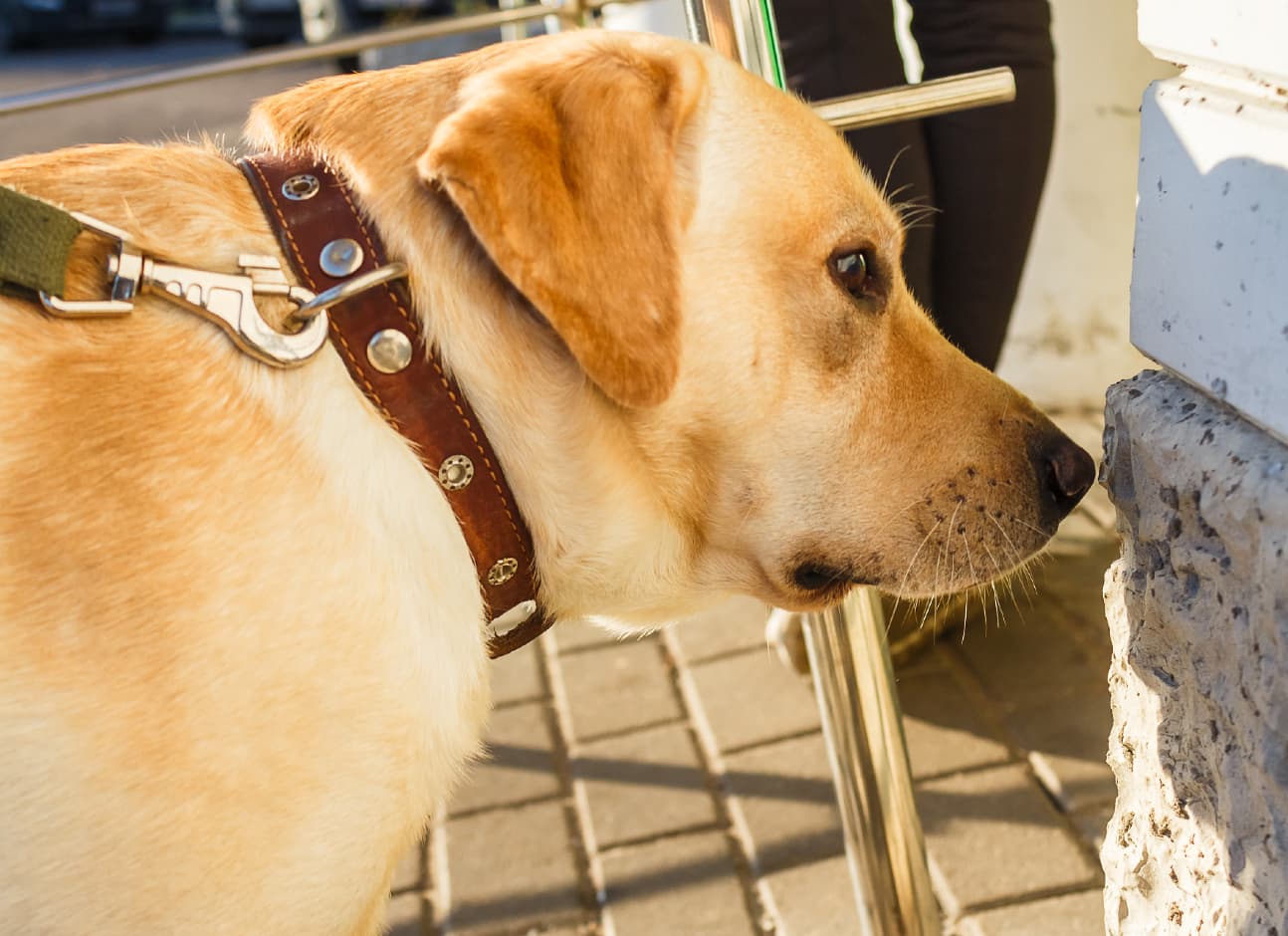
Image Source: modernvet.com
The Dog’s Amazing Sniffer
To grasp why dogs sniff us so intently, we must first appreciate the power of their nose. A dog’s sense of smell is truly amazing. It is many times better than a human’s. Think of it like this: we might notice if someone is baking cookies in the house, but a dog could tell you every single ingredient in those cookies, where they came from, and maybe even who touched them.
Deciphering Dog Nose Function
How does a dog’s nose work so well? Several things make it special:
- More Scent Detectors: Dogs have millions more scent receptors inside their noses than humans do. While we have about 6 million, dogs can have up to 300 million, depending on the breed. More receptors mean they can pick up more smells.
- Different Air Flow: Dogs have two separate air paths in their nose. One is for breathing, and the other is just for smelling. When they breathe out, the air goes out the sides of their nose slits. This lets new air and smells come in through the front. It also helps them keep sniffing the ground or object without just blowing the scent away.
- The Special Scent Organ: Dogs have a unique organ called the vomeronasal organ, or Jacobson’s organ. It’s in the roof of their mouth, just behind their front teeth, and connects to their nasal cavity. This organ is really good at detecting certain chemical signals, like pheromones. Pheromones are like chemical messages that animals release. They carry information about things like mood, reproductive status, or even fear. When a dog sniffs intensely and maybe flicks their tongue or makes a funny face (called the Flehmen response), they might be using this special organ to analyze a scent more deeply.
This incredible equipment makes the dog sense of smell their main tool for understanding the world around them.
Interpreting What Sniffing Means
When a dog sniffs you, they are essentially “reading” you with their nose. Scents tell them stories. They gather information that we humans get through seeing, hearing, and talking.
Information Dogs Get By Sniffing You
What exactly do they learn when they sniff you?
- Who You Are: They confirm your identity. Even after being apart for a short time, a sniff helps them reconnect with your unique scent profile.
- Where You’ve Been: Your clothes and skin pick up scents from your environment. Did you visit another place with dogs? Did you stop at a bakery? Did you work out? Your dog can often smell these things.
- Who You’ve Been With: If you’ve been around other animals or people, especially those the dog doesn’t know, your dog can smell their lingering scents on you. This tells them about your interactions.
- Your Current Mood: Your body releases subtle scent changes based on your emotional state. Stress, fear, happiness – these can all have tiny scent signatures that your dog’s powerful nose might detect.
- Your Health Status: As mentioned earlier,
can dogs smell illness? Yes, sometimes. Changes in your body chemistry due to illness, pregnancy, or even blood sugar levels can release specific smells. Dogs trained for medical alert work are proof of this amazing ability. They aren’t diagnosing in a human way, but they are reacting to scent changes associated with certain conditions. - Your Hormonal State: Like mood, hormonal changes can also create detectable scents. This is particularly relevant for
why dogs sniff crotch, as we will discuss.
So, what does dog sniffing mean? It means they are actively processing information about you. It’s their way of saying, “Tell me everything!”
Why Dogs Sniff Different Parts of You
Dogs don’t just sniff randomly. Different areas of your body carry different scent information, making certain spots particularly interesting to them.
Sniffing Hands and Clothes
This is a common greeting. When you extend your hand, it’s easy for them to reach and sniff. Your hands touch many things throughout the day, picking up diverse scents. Sniffing your hand is like reading the headline news of your day. Your clothes also hold scents from places you’ve been and people you’ve met. Sniffing your clothes gives them more details. This is part of their dog greeting rituals and helps them update their knowledge about you.
Sniffing Legs and Feet
Your lower body, especially your shoes and feet, come into direct contact with the ground and many surfaces outside your home. These areas collect a rich mixture of environmental scents. Sniffing your legs and feet can tell your dog about the paths you’ve walked and the places you’ve visited. Feet also have many sweat glands, adding to the unique personal scent profile.
Fathoming Why Dogs Sniff Crotch Areas
This is perhaps the most talked-about and sometimes awkward sniffing behavior for humans. But for dogs, sniffing the groin area is completely normal and highly informative. why dogs sniff crotch boils down to the concentration of scent glands in this region.
- Apocrine Glands: Humans have apocrine sweat glands in areas like the armpits and groin. These glands produce sweat that is different from the sweat that cools us down. This sweat contains compounds that bacteria on the skin break down, creating unique body odor. These glands are also linked to pheromone production.
- Rich Scent Information: The groin area provides a concentrated source of individual scent, including pheromones and hormonal information. For dogs, this area is like a personal ID card and health summary combined.
- Canine Greeting Ritual: For dogs meeting each other, sniffing the rear end (where anal glands release scent) is a standard and polite greeting ritual. They gather information about the other dog’s identity, sex, mood, and reproductive status. Sniffing a human’s groin area is, in a way, the closest equivalent to this ritual in the human anatomy accessible to them.
It’s important to remember that dogs don’t sniff this area because they are being rude in a human sense. They are simply using their biological tools to gather the most potent scent information available as part of their natural dog greeting rituals. It’s a completely instinctual and necessary part of their understanding dog behavior.
Grasping Can Dogs Smell Illness
Let’s circle back to can dogs smell illness. While we touched on it, it’s worth a deeper look. Dogs’ ability to detect subtle scent changes associated with health conditions is remarkable. They don’t smell the illness itself, but rather the tiny amounts of volatile organic compounds (VOCs) or other chemical markers that the body produces when something is not right.
Examples of what dogs have been shown to detect:
- Changes in Blood Sugar: Dogs trained as diabetic alert dogs can detect the scent changes in a person’s breath or sweat when their blood sugar is dropping too low or rising too high.
- Certain Cancers: Research has shown dogs can be trained to detect the scent associated with some cancers (like certain types of skin, bladder, lung, or prostate cancer) in breath, urine, or skin samples.
- Migraines: Some dogs seem to sense an impending migraine attack in their owner, possibly by detecting subtle scent changes before the human experiences symptoms.
- Stress Hormones: Dogs can smell cortisol, a stress hormone, in human sweat or breath. This is why your dog might become more attentive or try to comfort you when you’re feeling stressed.
- Pregnancy: Some anecdotal evidence suggests dogs might detect the hormonal changes associated with pregnancy, leading to changes in their behavior, including increased sniffing or protectiveness.
While your pet dog sniffing you doesn’t mean they are diagnosing you, a sudden, persistent focus on sniffing a particular spot on your body that wasn’t there before could potentially be a sign that they detect a change. If you notice this, especially if accompanied by other symptoms, it’s always wise to consult a doctor.
Beyond Sniffing You: The Broader World of Dog Sniffing Behavior
While this post focuses on why dogs sniff humans, it’s helpful to see it within the larger context of general dog sniffing behavior. Sniffing is not just about getting info from people; it’s how dogs interact with their entire environment.
Sniffing the Ground and Air
When you’re on a walk, your dog’s nose is glued to the ground or lifted to the breeze. They are reading the scent landscape.
* Ground Sniffing: Tells them who has walked there (people, other dogs, animals), what they were doing, and when they were there. It’s like reading a local newspaper full of headlines and gossip.
* Air Sniffing: Helps them detect scents carried on the wind, like the presence of an animal far away or the smell of rain coming.
Sniffing Other Dogs
This is a crucial part of dog greeting rituals in the canine world. As mentioned, sniffing the rear (specifically the anal glands) provides detailed information about the other dog’s identity, health, diet, mood, sex, and reproductive status. It’s a polite way for dogs to get acquainted and decide how to proceed with the interaction. Sniffing each other’s faces or sides also provides information but the rear end is the primary information hub.
Dog Scent Marking
Sniffing also plays a role in dog scent marking. Dogs don’t just urinate or defecate to empty their bladder or bowels. They often do it to leave a scent message. Urine and feces contain unique scent profiles. Dogs will sniff an area, decide if they need to leave their own message, and then mark over it. This is a way of communicating their presence and claiming territory or resources. They are adding their “post” to the “social media feed” of scents in the environment.
Comprehending Dog Behavior Through Sniffing
Much of what we see as typical dog behavior is driven by their nose. Why does a dog follow a trail relentlessly? Why do they get excited when they smell a specific person or animal? Why do they dig in a spot? Why do they roll in something smelly? These actions are often direct results of their powerful sense of smell guiding their actions and informing their decisions. Understanding their reliance on scent is key to truly understanding dog behavior.
Interpreting Your Dog’s Sniffing Habits
Most of the time, your dog sniffing you is perfectly normal and healthy behavior. It’s their way of engaging with you and the world. However, sometimes, you might want to pay closer attention.
When Sniffing is Normal
- When you first arrive home.
- When you have met someone new or been somewhere different.
- During a greeting.
- When you’re relaxing together.
- If they seem curious about something you’ve touched or eaten.
These are usually quick, information-gathering sniffs.
When Sniffing Might Need Attention
- Excessive or Obsessive Sniffing: If your dog sniffs you constantly, to the point where it seems anxious, repetitive, or interferes with other activities. This could be a sign of underlying anxiety or a compulsive behavior.
- Focused Sniffing on One Spot: As discussed with
can dogs smell illness, if your dog suddenly starts focusing intently on sniffing a specific area of your body that they didn’t before, and this behavior persists, it might be worth noting. - Sniffing with Other Stress Signs: If the sniffing is combined with licking lips, yawning, tail tucked, or a stiff body, it might indicate they are feeling anxious or stressed.
- Sudden Change in Behavior: Any sudden, unexplained change in how your dog interacts with you, including sniffing habits, could warrant a check-up with the vet.
Managing Excessive Sniffing
If your dog’s sniffing feels overwhelming or inappropriate (like jumping on guests to sniff their crotch), you can help manage it:
- Teach Polite Greetings: Train your dog to sit or stay calmly when people arrive instead of jumping or excessively sniffing. Reward calm behavior.
- Redirect: If they are sniffing inappropriately, gently redirect them to a toy or ask them to perform a simple command like “sit.”
- Provide Alternative Sniffing Opportunities: Make sure your dog gets plenty of opportunities to satisfy their natural need to sniff in appropriate places.
- Go for “sniff walks” where you let them take their time exploring scents.
- Engage in scent games like hiding treats or toys for them to find.
- Use puzzle toys that require them to sniff out hidden food.
- Address Underlying Anxiety: If the excessive sniffing seems linked to anxiety (e.g., separation anxiety, general nervousness), work with a positive reinforcement trainer or a veterinary behaviorist to address the root cause.
Remember, sniffing is a natural and vital part of being a dog. We shouldn’t try to stop it completely, but we can help them understand how to do it politely in our human world.
Conclusion
So, the next time your dog approaches you nose-first, take a moment to appreciate the incredible complexity of what’s happening. They aren’t just being cute; they are actively gathering data, reinforcing their bond with you, and understanding your place in their scent-driven universe. Their sniff is a question, a greeting, and an information download all in one. It’s a fundamental part of their dog sniffing behavior and a beautiful reminder of the unique way dogs experience the world, primarily through the lens of their powerful and amazing nose. By acknowledging and respecting their need to sniff, you gain a deeper understanding dog behavior and strengthen the connection you share with your canine companion.
Frequently Asked Questions (FAQ)
Q: Is it bad if my dog sniffs people’s crotches?
A: For your dog, it’s normal dog sniffing behavior. They are just getting information from a scent-rich area, similar to how they greet other dogs. For humans, it can be awkward. You can train your dog to do a different greeting, like sitting for a pet, to help them interact more politely with people who aren’t comfortable with this type of sniffing.
Q: Why does my dog sniff my breath?
A: Your breath carries scents from what you’ve eaten or drunk, and also reflects your internal body chemistry. Dogs are curious about these smells and can learn things from them. It’s another way they gather information using their dog nose function.
Q: My dog sniffs me constantly. Is this normal?
A: Some sniffing is very normal. If it is constant, obsessive, or seems linked to anxiety, it might not be. Make sure they have other chances to sniff and explore, like on walks. If you are worried, talk to your vet or a dog trainer.
Q: Can I stop my dog from sniffing?
A: No, and you shouldn’t try to stop sniffing completely. It’s a basic need and how they understand the world. You can teach them polite ways to sniff, like not jumping on people, or redirect their sniffing to appropriate places like the ground or toys.
Q: Does sniffing use up a dog’s energy?
A: Yes! Sniffing is mentally stimulating and physically tiring for dogs. A walk where a dog gets to sniff a lot can be just as tiring as a fast run, sometimes more so because of the mental effort. Allowing them to sniff is important for their well-being and fulfilling their natural dog sniffing behavior.
Q: Why does my dog sniff certain guests more than others?
A: Guests carry different scents! They might have been around other pets, eaten different foods, or have different personal scents. Your dog is sniffing to learn about this new person and where they’ve been. It’s part of their dog greeting rituals.