
Why does my dog scoot his butt? Your dog scoots his butt mainly because his rear end feels itchy or sore. This often points to issues with his anal glands, or it could be due to parasites, allergies, or hygiene problems. Can I help my dog scooting? Yes, you can help your dog by checking for common problems. You should also see a vet if the scooting continues or if your dog shows other signs of pain. This common dog behavior, also known as dog butt dragging symptoms, is often a sign your pet needs some help.
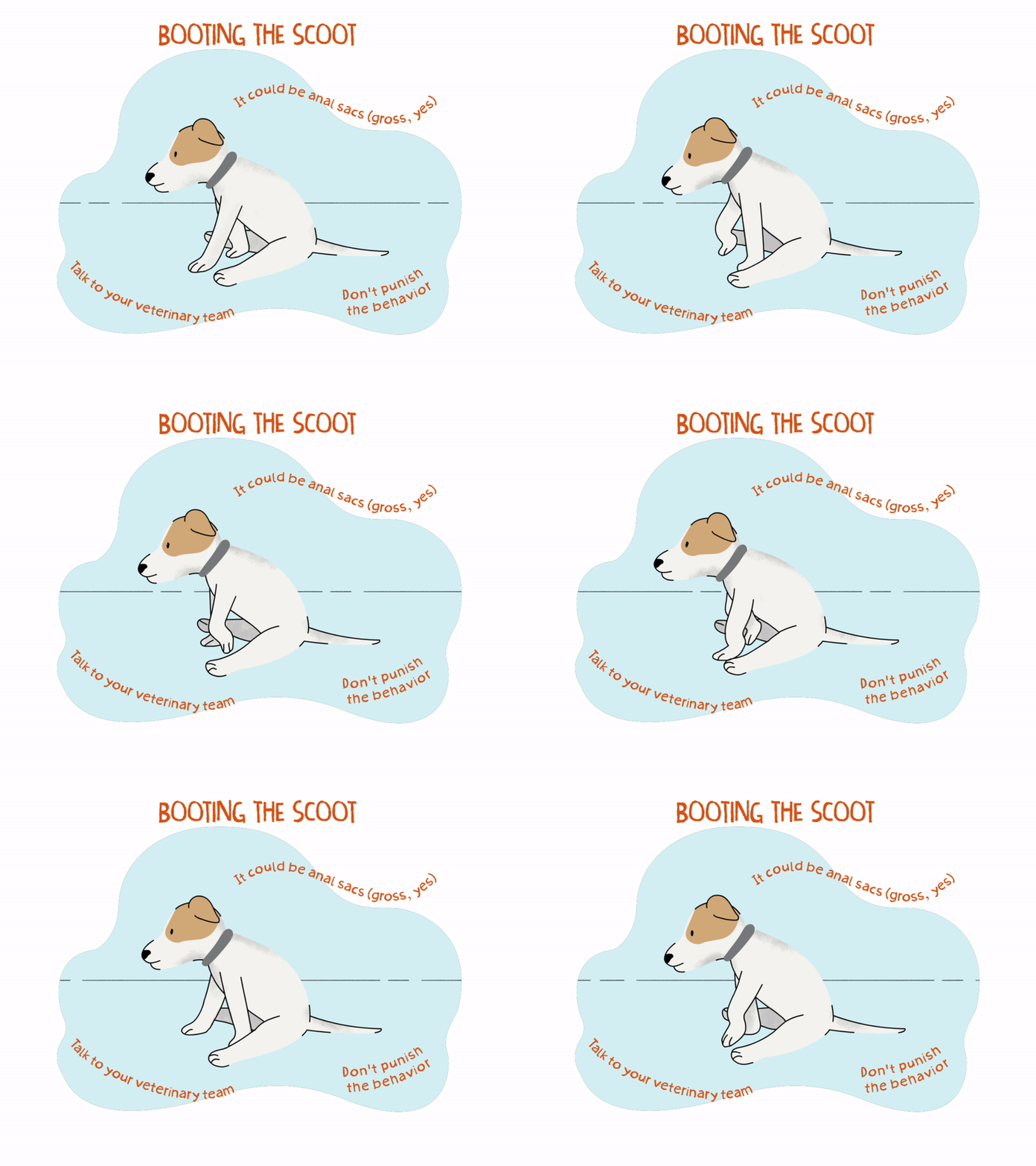
Image Source: www.banfield.com
Decoding Your Dog’s Scooting Habits: What’s Happening Back There?
Dogs scoot their rear ends across the floor for many reasons. It is their way of scratching an itch or trying to relieve discomfort. Think of it like scratching your back on a doorframe. But for dogs, this act often points to a problem that needs your care. From tiny glands to tiny pests, many things can make your dog scoot. Grasping these reasons helps you give your dog the best care. It lets you know when to help them at home and when to call the vet.
Main Reasons Your Dog Scoots His Butt
Many things can make your dog scoot. It is important to know these dog scooting causes to find the right help for your pet. Let us look at the most common reasons.
Anal Gland Issues
Anal glands are two small sacs inside your dog’s bottom. They sit on either side of the anus. These glands make a strong-smelling liquid. Dogs usually release this liquid when they poop. It acts as a scent marker. It helps them mark their territory. But sometimes, these glands do not work right. This can cause big problems and lead to scooting.
Structure and Purpose of Anal Glands
Imagine two tiny scent pockets. They are about the size of a pea or grape. Their job is to release a unique smell. This smell tells other dogs who your dog is. It is like a dog’s personal ID card. When dogs poop, the pressure helps empty these glands. The liquid comes out with the stool. This helps dogs leave their mark.
Anal Gland Impaction
Sometimes, the liquid in the glands gets too thick. Or the opening gets blocked. This means the glands cannot empty on their own. This is called dog anal gland impaction. It is very painful for your dog. The glands swell up. They press on the nerves. Your dog feels a constant urge to relieve this pressure. This leads to scooting. They drag their bottom on the ground. They hope to push the liquid out. This is a very common reason for dog scooting causes.
Infection or Abscess
If impacted glands are not fixed, bacteria can grow inside. This causes an infection. An infection makes the glands even more swollen and painful. If the infection gets worse, it can turn into an abscess. An abscess is a pocket of pus. It can burst, leaving an open, sore wound. An abscess is very serious. Your dog will be in much pain. They might be unwilling to sit. They may also lick their rear end a lot. This needs urgent vet care.
Tumors in Anal Glands
In some cases, lumps or growths can form in the anal glands. These are called tumors. Some tumors are benign, meaning not harmful. Others can be cancerous. Tumors can block the glands. They can also cause pain and discomfort. This can lead to scooting. If a vet finds a tumor, they will talk about the best treatment. This might be surgery.
Signs of Anal Gland Trouble
How do you know if your dog’s scooting is due to anal gland problems? Look for these signs:
* Scooting: Dragging their bottom across the floor.
* Licking or Chewing: Constant licking or biting at their rear end.
* Foul Smell: A very bad, fishy smell from their bottom.
* Pain: Yelping when you touch their rear. Not wanting to sit.
* Swelling: You might see swelling or redness around the anus.
* Difficulty Pooping: Straining or pain during bowel movements.
* Blood or Pus: Seeing blood or pus near the anus.
These dog butt dragging symptoms often point to anal gland issues.
Parasites
Tiny invaders can also make your dog scoot. These are parasites. They live on or in your dog. They cause intense itching.
Worms
Intestinal worms are a common culprit. Tapeworms, hookworms, and roundworms live inside your dog’s gut. They can irritate the sensitive skin around the anus. Tapeworms are often seen as small, rice-like segments around the anus or in the dog’s stool. These segments can wiggle. This causes itching. Your dog scoots to try to scratch this itch. This is a very common reason for worms in dogs scooting. Regular deworming helps prevent this.
Fleas and Ticks
Fleas and ticks cause itching all over your dog’s body. But they often gather near the base of the tail and around the rear. Their bites cause tiny bumps. These bumps are very itchy. If your dog has fleas, you might see tiny black specks on their skin. This is flea dirt, which is flea poop. Fleas can cause your dog to chew, scratch, and scoot their butt to get relief.
Allergies and Skin Issues
Just like people, dogs can have allergies. These allergies can make their skin itchy all over. The rear end is a common spot for this itching.
Environmental Allergies
Dogs can be allergic to things in their surroundings. This includes pollen, dust mites, or mold. When they come into contact with these things, their skin reacts. This reaction can make their skin red and itchy. The skin around the anus can get very itchy. This leads to dog allergies itching rear. Dogs will scoot or chew to try to stop the itch.
Food Allergies
Some dogs are allergic to certain ingredients in their food. Common culprits include chicken, beef, dairy, wheat, or soy. Food allergies can cause skin problems. They can also cause tummy upsets. The itching can be all over the body. It often includes the rear end. This makes your dog scoot.
Skin Infections
Bacteria or yeast can grow on the skin. This causes skin infections. These infections often happen because of allergies. When a dog scratches a lot, they can break their skin. This lets bacteria or yeast get in. This causes more itching, redness, and pain. An infected dog irritated anus can lead to constant scooting. The skin might look red, bumpy, or have a bad smell.
Grooming and Hygiene
Sometimes, the reason for scooting is simpler. It has to do with how clean or well-groomed your dog is.
Matted Fur
Dogs with long or thick fur can get matted hair around their bottom. Feces can get stuck in these mats. This causes pulling, irritation, and itching. The dog scoots to try and pull the mats off or to clean themselves. Regular grooming is key to prevent this.
Irritation After Pooping
Sometimes, your dog might scoot right after they poop. This can be normal if the stool was loose. It might leave some residue. The scooting helps clean it off. But if it happens often, or if your dog seems in pain, it could be a sign of something more. For example, if the stool was very hard, it could cause minor tears or irritation. This leads to dog scooting after pooping.
Residue or Debris
Small bits of stool or other debris can get stuck in the fur around the anus. This can cause itching and discomfort. Your dog will scoot to try to remove it. A quick wipe can often fix this issue.
Pain or Discomfort
Scooting is not always about itching. It can also be a sign of pain or soreness.
Injury
A small cut, scrape, or injury near the anus can cause discomfort. Your dog might scoot to try and rub the sore spot. Always check for visible injuries if your dog suddenly starts scooting.
Arthritis or Orthopedic Issues
Older dogs with arthritis might scoot. This is not because of an itchy bottom. It is because of pain in their hips or back. Scooting can be a way to shift their weight. It can also be a way to get comfortable. They might find it hard to lift their leg to scratch. Scooting might be easier for them.
Behavioral Reasons
Sometimes, scooting is just a habit. Or it is a way to get your attention.
Attention Seeking
Some dogs learn that scooting gets a reaction from their owners. You might laugh, talk to them, or give them attention. Even negative attention can be a reward for some dogs. They might keep scooting to get you to notice them.
Habit
If your dog has scooted in the past due to an issue that is now gone, they might keep doing it out of habit. It becomes a routine. It is important to rule out all medical reasons first.
Solutions and Home Care for Scooting
Once you know why your dog is scooting, you can start to help them. Some issues you can manage at home. Others need a vet’s help.
Addressing Anal Gland Problems
If anal gland issues are the cause, there are several steps you can take.
Dietary Changes
A good diet can help keep anal glands healthy. Look for foods that promote firm, bulky stools. Fiber helps put pressure on the anal glands when your dog poops. This helps empty them.
* High-fiber diet: Talk to your vet about adding more fiber to your dog’s food. This could be pumpkin puree or specialized dog food.
* Quality food: A balanced diet with good ingredients supports overall health.
Fiber Supplements
If diet alone is not enough, your vet might suggest fiber supplements. These can come in powder or chew form. They add bulk to your dog’s stool. This helps empty the anal glands naturally. Psyllium husk is a common choice. Always ask your vet before adding any supplements.
Professional Anal Gland Expression
If your dog’s anal glands are impacted, a vet or groomer can express them. This means they gently squeeze the glands to empty them. This brings your dog instant relief. It is called dog anal gland expression. Do not try this at home unless a vet shows you how. Doing it wrong can hurt your dog. For severe dog anal gland issues, this is often the fastest way to help.
Parasite Control
Stopping parasites is key.
Deworming
Regular deworming is vital. Your vet can give you medicine to kill worms. This should be part of your dog’s health plan. Follow your vet’s advice on how often to deworm. If you see rice-like segments, suspect tapeworms. These need specific deworming medicine. This quickly solves worms in dogs scooting.
Flea and Tick Prevention
Use year-round flea and tick prevention. There are many options. These include pills, spot-on treatments, or collars. Talk to your vet about the best product for your dog and your area. Keeping fleas off your dog stops their itching.
Managing Allergies
Allergies can be tricky. They need careful management.
Identifying Triggers
Work with your vet to find out what your dog is allergic to. This might involve:
* Elimination diet: For food allergies, your vet might suggest a special diet. You feed your dog a new food with ingredients they have never eaten before. Then you slowly add back old ingredients to see what causes a reaction.
* Allergy testing: Blood tests or skin tests can help find environmental allergens.
Dietary Adjustments
If your dog has food allergies, switching to a special diet is crucial. Hypoallergenic foods avoid common allergens. Your vet can help you pick the right one. This can greatly reduce dog allergies itching rear.
Medication
Your vet might prescribe medicine for severe allergies. This could include:
* Antihistamines: To reduce itching.
* Steroids: For short-term relief of severe inflammation.
* Newer allergy medicines: These medicines target the cause of the itch. They have fewer side effects than steroids.
Proper Hygiene
Good hygiene can prevent many scooting problems.
Regular Grooming
Brush your dog often. For dogs with long hair, trim the fur around their bottom. This stops mats from forming. It keeps the area clean. A professional groomer can do this safely.
Wiping Your Dog’s Bottom
If your dog has loose stools, gently wipe their bottom. Use a pet-friendly wipe or a damp cloth. This removes any leftover residue. This helps prevent dog irritated anus and dog scooting after pooping due to residue.
Veterinary Consultation
Knowing when to take dog to vet for scooting is important. If your dog scoots often, seems in pain, or shows other symptoms, call your vet.
When to Seek Help
- Frequent Scooting: If scooting is not a one-time thing.
- Pain Signs: Yelping, limping, not wanting to sit.
- Redness or Swelling: Visible changes around the anus.
- Foul Smell: A strong, bad smell.
- Licking or Chewing: Constant licking or biting at the rear.
- Blood or Pus: Any discharge.
- Changes in Poop: Diarrhea or straining.
- Lethargy or Fever: Your dog seems unwell.
What the Vet Will Do
Your vet will do a full check-up. This will likely include:
* Physical Exam: They will look at your dog’s rear end. They will also check their overall health.
* Rectal Exam: They will gently feel the anal glands. They will check for impaction, swelling, or tumors. They might express the glands if needed.
* Stool Sample: They might ask for a poop sample. They will check it for worms or other parasites.
* Skin Tests: They might take skin samples to check for infections or mites.
* Allergy Testing: If allergies are suspected, they might suggest tests.
* Treatment Plan: They will give you a plan. This might include medicine, diet changes, or further care.
Prevention is Key
Taking simple steps can help stop your dog from scooting in the first place.
Regular Vet Visits
Yearly check-ups are very important. Your vet can catch problems early. They can also keep your dog on track with deworming and flea control. This helps prevent many common scooting causes.
Balanced Diet
Feed your dog a high-quality, balanced diet. This helps keep their digestive system healthy. It leads to firm, healthy stools. This supports natural anal gland emptying. Talk to your vet about the best food for your dog’s age and breed.
Grooming Schedule
Set up a regular grooming routine. Brush your dog often. Pay close attention to the fur around their rear. For long-haired breeds, regular trims by a groomer can be a big help.
Close Observation
Pay attention to your dog’s habits. Watch their behavior. Notice changes in their poop. If you see them scooting, look closely at their rear end. Catching issues early can prevent them from becoming worse.
Frequently Asked Questions (FAQ)
Can scooting be serious?
Yes, scooting can be serious. While it often means simple itching, it can point to painful anal gland infections, tumors, or severe parasitic issues. If left untreated, these can lead to major health problems. Always have a vet check ongoing scooting.
How often should anal glands be expressed?
There is no set rule. Most dogs empty their anal glands naturally when they poop. If your dog needs them expressed, your vet will tell you how often. Some dogs need it every few weeks. Others only need it a few times a year. It depends on the dog.
What does dog scooting look like?
Dog scooting looks like your dog dragging their rear end across the floor. They usually sit down and push themselves forward with their front legs. They might do this on carpets, grass, or hard floors. Sometimes they just rub their bottom quickly on one spot.
Is scooting normal after a bath?
A little scooting after a bath can be normal. Your dog might be trying to dry off or rub water out of their fur. But if it is constant or seems painful, check their rear end for irritation from shampoo or leftover residue.
Can stress cause scooting?
Stress itself does not directly cause scooting. However, stress can lead to diarrhea. Loose stools can leave residue and irritate the anus. This irritation can then cause scooting. If your dog is stressed, address the stress first. Then check for any physical signs of discomfort.
| Scooting Cause | Key Symptoms | Solutions |
|---|---|---|
| Anal Gland Impaction | Fishy smell, licking rear, pain, swelling, difficulty pooping. | Dietary fiber, vet-expressed glands, professional expression. |
| Worms | Rice-like segments in poop/fur, licking rear, poor coat. | Vet-prescribed deworming medicine. |
| Allergies | Red skin, constant itching, licking paws, ear infections. | Identify and avoid allergens, special diet, vet-prescribed medicine. |
| Matted Fur/Poor Hygiene | Feces stuck in fur, visible mats, bad smell. | Regular grooming, anal area trims, wiping after pooping. |
| Injury/Irritation | Visible cut, redness, yelping when touched. | Clean area, vet check for injury, anti-inflammatory meds. |