
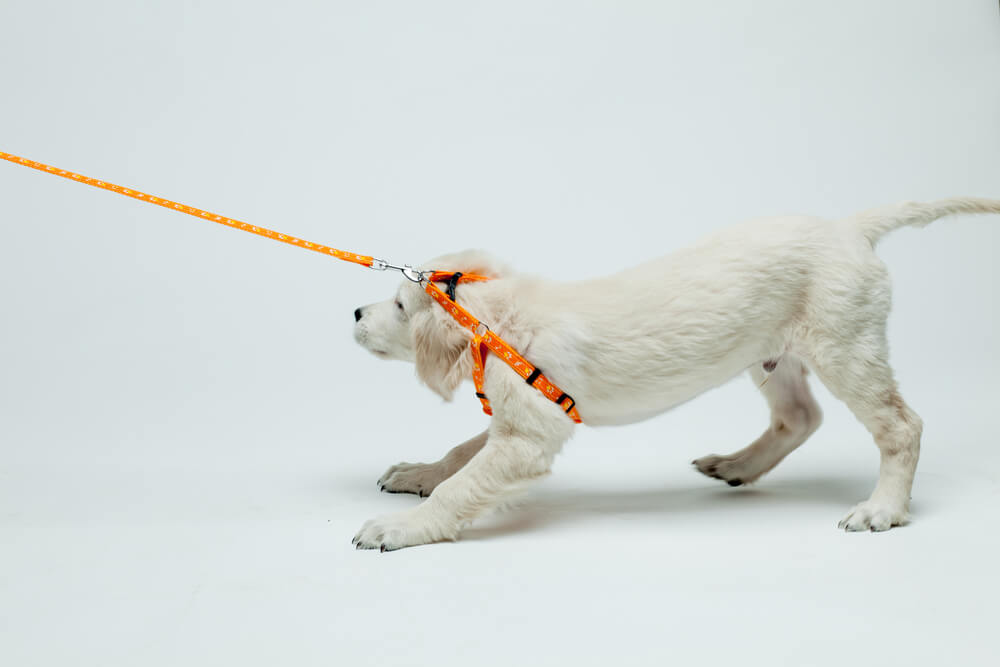
Image Source: blog.myollie.com
What To Do When Why Does My Dog Refuses To Walk
When your dog refuses to walk, it can be puzzling and frustrating. The main reasons a dog might not want to walk often stem from pain, fear, or simply not wanting to go. Dogs cannot tell us directly what is wrong, so we must look for clues. This guide will help you figure out why your dog is stopping and what you can do about it.
Spotting the Cause of Walk Woes
It is key to watch your dog closely. Every dog is different. A sudden change in behavior often means something is wrong.
Physical Discomfort and Ailments
Pain is a top reason a dog will not walk. Dogs are good at hiding pain. But if your dog suddenly stops walking on walks, it might be a sign of injury or sickness.
Injury or Pain Signs
Your dog might have hurt itself. Look for limping, swelling, or tenderness.
- Limping or Favoring a Leg: If your dog limping refusing to walk, it means a leg or paw hurts. Check paws for cuts, thorns, or broken nails. Look at their pads. Are they sore?
- Joint Issues: Older dogs often have joint problems. If your old dog won’t walk outside and shows signs of stiffness, it could be arthritis. Dog joint pain refusing to walk is very common. They feel pain when moving. This can make them slow or stop altogether.
- Muscle Soreness: Just like people, dogs can get sore muscles. Maybe they played too hard yesterday.
- Back or Neck Pain: Pain in the spine can make moving hard. Your dog might cry out or move stiffly.
- Internal Illness: A sick dog will not feel like walking. If your dog lethargic won’t go for walks, along with other signs like vomiting or diarrhea, see a vet right away.
Age-Related Challenges
Older dogs face unique issues. Their bodies simply do not work like they used to.
- Arthritis: This is a big one. Joints get stiff and sore. Walking hurts. They might struggle to get up.
- Weakness: Muscles weaken with age. They tire easily. Long walks become too much.
- Vision or Hearing Loss: Losing senses can make walks scary. They might not see things clearly or hear cars coming. This makes them feel unsafe.
- Cognitive Decline: Some older dogs get confused. They might forget where they are or where they are going. This can make them stop.
Environmental Pain Points
Sometimes, the problem is not your dog but what they walk on.
- Hot Pavement: In summer, roads get very hot. This burns paw pads. If your dog won’t walk in hot weather, check the pavement with your hand. If it’s too hot for you, it’s too hot for them.
- Rough Surfaces: Gravel or sharp rocks can hurt paws.
- Cold or Ice: Very cold ground or ice can also hurt paws. Ice can also be slippery, making them fear falling.
Here’s a quick table to help identify physical causes:
| Symptom | Possible Physical Cause | What to Look For | Action |
|---|---|---|---|
| Limping, favoring a leg | Paw injury, Sprain, Arthritis | Swelling, cuts, thorns, tenderness, stiffness | Check paws, see vet if persistent or severe |
| Slow movement, difficulty rising | Joint pain, Arthritis, Muscle soreness | Stiffness, reluctance to jump, whining when touched | Modify walks, pain meds (vet-prescribed), joint supplements |
| Very tired, no energy | Illness, Heart/Lung issues, Pain | Vomiting, diarrhea, coughing, unusual breathing, fever | Urgent vet visit |
| Stops in heat, lifts paws | Paw pad burns, Overheating | Red paws, panting, seeking shade | Walk in cooler times, use paw protection, carry water |
| Shivering, reluctant to move | Cold intolerance, Frostbite risk | Blue/pale paws, shivering, slow movement | Walk in warmer times, use dog coat, limit time outside |
Emotional and Mental Roadblocks
Sometimes, it is not physical pain but feelings that stop your dog. Fear, anxiety, or bad past events can make them refuse to walk.
Fear and Anxiety Triggers
Dogs can be scared of many things outside.
- Loud Noises: Fire trucks, construction sounds, thunder, or loud bangs can be very scary. A dog scared of walks often shows fear when certain noises happen. They might try to bolt or hide.
- New Places or Objects: A new trash can, a strange looking bush, or even a different type of sidewalk can spook some dogs.
- Other Dogs or People: If your dog had a bad experience with another dog or person, they might fear future encounters.
- Separation Anxiety: Some dogs do not want to leave their home or their person. This is more common when the person is leaving the dog. But it can also happen if they worry about being too far from home.
- Past Trauma: A past scary event on a walk, like being attacked or nearly hit by a car, can make a dog hates walks suddenly. They link the walk to that bad memory.
Lack of Training and Socialization
Puppies and some adult dogs may not know how to walk nicely on a leash.
- Puppy Won’t Walk on Leash: For a puppy won’t walk on leash, it is often about newness. They are not used to the leash or collar. They might feel trapped or uncomfortable. They need gentle training.
- No Leash Training: Some dogs simply were not taught how to walk. They pull, stop, or just flop.
- Too Many Distractions: Outside has many smells, sights, and sounds. A dog easily distracted might just want to sniff every bush. They are not refusing the walk, just doing it their way.
- Poor Socialization: If a dog did not meet many people or dogs when young, they might be scared or overwhelmed by them now.
Behavioral Quirks and Habits
Sometimes, it’s just your dog’s personality.
- Stubbornness: Yes, some dogs are just plain stubborn. A dog stubborn on walks might stop because they want to go a different way. Or they want to sniff for longer. They are testing you.
- Boredom: If the walks are always the same, some dogs get bored. They might not see the point.
- Weather Preferences: Not just hot weather, but cold, rain, or wind can deter some dogs. They might just prefer to stay inside.
- Not Enough Exercise: A dog that does not get enough exercise might be restless. But paradoxically, a dog that is over-exercised might also refuse to walk due to tiredness.
Here’s a table for emotional/mental causes:
| Symptom | Possible Emotional/Mental Cause | What to Look For | Action |
|---|---|---|---|
| Pulls back, tries to hide | Fear, Anxiety | Tail tucked, trembling, panting, wide eyes, trying to bolt | Identify trigger, positive reinforcement, desensitization, vet/trainer |
| Flopping, biting leash | Leash discomfort, Lack of training | Resisting harness/collar, no forward movement | Positive leash training, high-value treats, make it fun |
| Stops, looks at you, sits | Stubbornness, Distraction, Wants to go elsewhere | Looks around, not fearful, trying to pull you a certain way | Stand still, wait, positive reinforcement for moving forward, vary routes |
| Suddenly stops, looks around | Sudden fear, Bad memory, Overwhelmed | Jumps, barks at nothing, tries to turn back | Identify trigger, avoid it, calm reassurance, positive experiences |
| Refuses to leave home | Separation anxiety, Fear of outside | Whining, barking when you get leash, hiding | Gradual exposure, positive association with gear, short trips, trainer |
Devising a Plan for Walk Success
Once you have an idea why your dog is stopping, you can plan how to help. Always talk to your vet first to rule out any health issues.
Medical Approaches and Care
If your vet finds a health problem, follow their advice closely.
Pain Management
For dog joint pain refusing to walk or other aches, your vet might suggest:
- Medication: Painkillers or anti-inflammatory drugs can help.
- Supplements: Glucosamine and chondroitin can help joint health.
- Physical Therapy: Special exercises, massage, or even acupuncture can improve movement.
- Weight Control: Extra weight puts more stress on joints. Keeping your dog at a healthy weight is very important.
Adapting for Older Dogs
If your old dog won’t walk outside due to age:
- Shorter, More Frequent Walks: Instead of one long walk, try a few short ones.
- Gentle Surfaces: Stick to soft grass or smooth paths. Avoid uneven ground.
- Support Harnesses: If they struggle to get up or walk, a harness with handles can help you support them.
- Ramps and Steps: Make it easier to get in and out of the car or up stairs.
- Mental Stimulation: If physical walks are hard, play brain games or give puzzle toys.
Handling Environmental Hazards
Protecting paws from heat or cold is simple.
- Check the Pavement: Use the “5-second rule.” Place your hand on the pavement. If you cannot hold it there for 5 seconds, it is too hot for your dog’s paws.
- Walk at Cooler Times: Go out early in the morning or late in the evening during summer.
- Paw Protection: Dog boots or paw wax can shield paws from heat, cold, or rough surfaces.
- Stay Hydrated: Always carry water for your dog, especially in warm weather. Offer breaks in the shade.
Behavioral Adjustments and Training
If there are no physical issues, then training and changing how you walk can help a lot.
Addressing Fear and Anxiety
Helping a dog scared of walks takes patience and positive reinforcement.
- Identify Triggers: What exactly scares your dog? Is it cars, other dogs, certain sounds? Try to avoid these triggers at first.
- Desensitization and Counter-Conditioning: Slowly expose your dog to their fear trigger from a distance. Pair the trigger with something good, like a treat.
- Example: If loud trucks scare them, stand far away where the truck is just a faint sound. Give treats. Slowly get closer as they get more comfortable.
- Positive Reinforcement: When your dog shows bravery or stays calm, reward them heavily with treats and praise.
- Safe Space: If your dog stops because of fear, do not force them. Let them hide if needed. Give them time. Reassure them calmly.
- Seek Professional Help: A certified dog trainer or behaviorist can offer tailored plans for severe fear.
Effective Leash Training
For a puppy won’t walk on leash or any dog that needs training:
- Start Slow: Begin in a quiet area at home. Let your dog get used to the collar and leash.
- Make It Fun: Link the leash to good things. Put it on, give a treat, take it off. Build up time.
- Lure and Reward: Use a treat to lure your dog forward. When they take a step with the leash loose, reward them.
- Short, Frequent Sessions: Keep training sessions short (5-10 minutes) and positive.
- Loose Leash Walking: Teach them to walk beside you without pulling. Stop when they pull. Move forward when the leash is loose.
- Consistency: Everyone in the house should use the same training methods.
Overcoming Stubbornness
When your dog stubborn on walks or dog hates walks suddenly without physical cause:
- Wait It Out: If they stop and just sit, stand still. Do not pull. Wait for them to take a step. The moment they move, praise and reward.
- Change Direction: Sometimes, a sudden turn can get them moving.
- High-Value Rewards: Use super yummy treats they only get on walks.
- Vary Your Routes: Walk different paths. Explore new areas. New smells and sights can make walks more interesting.
- Play Games: Make walks more engaging. Play “find it” with treats scattered in the grass.
- Check Your Pace: Are you walking too fast or too slow for your dog? Match their natural pace.
- End on a High Note: Always try to finish the walk positively, even if it was short.
General Walk Best Practices
Making walks good experiences is important for all dogs.
- Appropriate Gear:
- Comfortable Harness: A well-fitting harness takes pressure off your dog’s neck. This is better than a collar for walking.
- Right Leash: A 6-foot leash is often good. Avoid retractable leashes as they give less control and can be unsafe.
- Regular Routine: Dogs like routines. Try to walk them around the same time each day.
- Proper Warm-Up: Before long walks, let your dog have a few minutes of casual sniffing and slow walking to warm up their muscles.
- Cool-Down: After a vigorous walk, allow a few minutes of slow walking before going straight inside.
- Be Patient: Helping your dog means being calm and patient. Getting angry or pulling the leash hard will make things worse.
- Observe Your Dog: Pay attention to their body language. Are they happy? Stressed? Tired? Learn their signals.
- Hydration: Always carry water. Offer it often.
- Potty Breaks: Allow plenty of time for sniffing and bathroom breaks. This is a big part of why dogs enjoy walks.
What if my dog suddenly stops walking on walks?
If your dog suddenly stops walking on walks when they usually love them, it’s a red flag. First, check for immediate physical issues:
* Paws: Are they hurt? Is there something stuck?
* Body: Is there a visible injury? Are they favoring a limb?
* Behavior: Are they panting heavily? Shivering? Looking scared?
If you cannot find an obvious cause and they continue to refuse, or show other signs of distress, call your vet right away. It could be a serious health issue.
When to Seek Professional Help
Sometimes, you need more than home remedies.
- Veterinary Consultation: Always the first step if you suspect pain, illness, or age-related problems. A vet can diagnose and suggest treatment.
- Certified Professional Dog Trainer (CPDT): For training issues like a puppy won’t walk on leash or dog stubborn on walks. They can teach you effective methods.
- Certified Dog Behaviorist: For deep-seated fears, anxiety, or aggression related to walks. They address the root cause of the behavior.
Table: Professional Help Guidelines
| Dog Behavior | When to Seek Help | Type of Professional | What They Can Do |
|---|---|---|---|
| Sudden refusal, limping, lethargy | Any time there are physical symptoms or sudden change | Veterinarian | Diagnose illness/injury, prescribe medication, suggest therapies |
| Chronic joint pain, age-related weakness | If pain/weakness affects daily life, quality of life | Veterinarian, Veterinary Physical Therapist | Pain management, mobility aids, tailored exercise plans |
| Extreme fear (e.g., severe panic attacks) | If fear is debilitating, affecting quality of life | Certified Dog Behaviorist, Veterinary Behaviorist | Create behavior modification plans, sometimes with medication |
| Persistent pulling, no leash manners, stubbornness | If training efforts fail, or walk is unenjoyable | Certified Professional Dog Trainer | Teach loose-leash walking, address specific behavioral quirks with positive methods |
Concluding Thoughts on Walk Refusals
Your dog refusing to walk is their way of telling you something is wrong. It is a sign you need to pay close attention. By checking for physical pain, looking at emotional triggers, and using smart training, you can help your dog enjoy walks again. Remember, patience and love are your best tools. Every walk should be a happy time for both you and your furry friend.
Frequently Asked Questions (FAQ)
Q1: My dog suddenly stops and sits down on walks. What does this mean?
A1: This can mean a few things. It could be physical pain, tiredness, fear of something ahead, or stubbornness. First, check their paws and body for injury. If they are just sitting, try to entice them with a treat or change direction. If it happens often and without clear reason, see your vet.
Q2: How can I tell if my old dog is in pain when they refuse to walk?
A2: Look for signs like limping, stiffness, slowness to get up, reluctance to jump, whining, panting more than usual, or licking a specific area. If they are an old dog won’t walk outside and show any of these, it’s very likely they are in pain. A vet visit is crucial.
Q3: My puppy won’t walk on leash, they just flop. What should I do?
A3: This is common for puppies! They are not used to the leash. Make it fun. Start by putting the leash on for short times inside, giving treats. Then, try very short walks in a quiet place. Use a happy voice and lots of treats to lure them forward. Never pull or drag them.
Q4: My dog hates walks suddenly after a loud noise. How can I help them?
A4: Your dog might be scared of walks now because of the noise. Try to find a very quiet route for a while. Slowly, expose them to similar noises from a distance, giving them treats and praise when they stay calm. This helps them learn that the noise is not always bad. If it’s severe, a behaviorist can help.
Q5: Is it okay to force my dog to walk if they are being stubborn?
A5: It is not a good idea to force or drag your dog. This can make them fear walks or resent you. If your dog stubborn on walks, try to wait them out, use high-value treats to lure them, or change directions. If they are truly stubborn, a good trainer can help you teach them to move forward.
Q6: My dog won’t walk in hot weather. Should I still try to make them go?
A6: No, do not force your dog to walk in hot weather if they refuse. Their paws can burn easily, and they can suffer from heatstroke. If your dog won’t walk in hot weather, it means they are uncomfortable or in danger. Walk early morning or late evening, or skip the walk for indoor play instead.