
Does your dog sometimes tap you with their paw? It might feel like a gentle nudge or even a small “punch.” Why do they do this? Dogs use their paws like we use our hands to get attention or ask for things. It’s a normal way dogs try to talk to us. They might want petting, food, playtime, or just want you to notice them. Dog pawing at owner is a common behavior, and dog nudges with paw or a paw placement is their way of communicating.
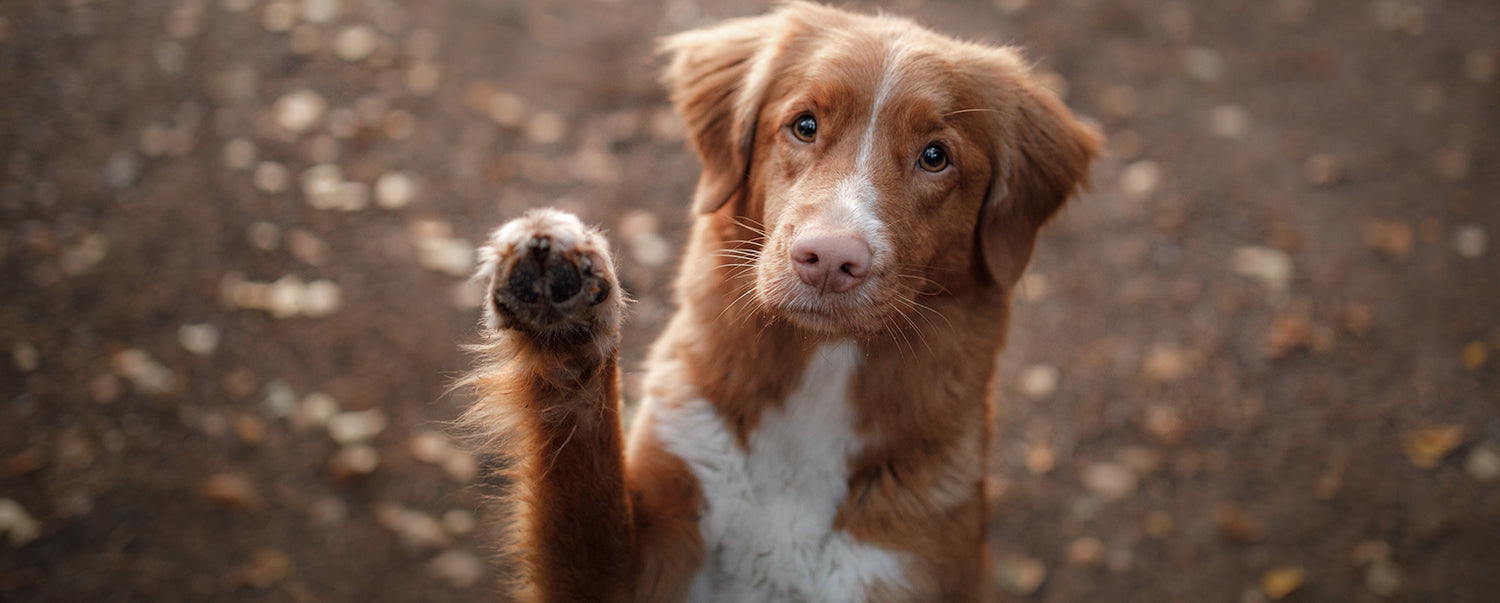
Image Source: www.linkmypet.com
Decoding Dog Paw Talk
Dogs talk in many ways. They use their body, tail, ears, and sounds. But they also use their paws! Why do dogs paw? Their paws are a tool. They use them to interact with the world and with you. A paw tap is a direct way to get your attention. It’s hard to miss a paw touching you. When a dog puts paw on you, they have a reason. Figuring out that reason helps you know what your dog needs or wants. This dog behavior pawing is not random. It’s their language.
My Dog Wants My Attention
This is maybe the most common reason. Dogs love being with you. They want your time and notice. When you are busy, your dog might feel left out.
They see you sitting still, maybe looking at a screen or talking to someone else. What can they do to get you to look at them? A paw tap works really well!
It’s a polite way for them to say, “Hey! I’m here! Notice me!” This is a clear sign of a dog seeking attention paw.
- When you stop petting: You are giving nice scritches. Then you stop. Your dog might lift a paw and place it on your arm. This is their way of asking for more. They are saying, “Please don’t stop! More pets!”
- When you are sitting quietly: You are just relaxing. Your dog walks over. They might tap your leg or arm. They want you to look at them. Maybe they hope you will stand up and do something fun.
- When you are busy: You are working, reading, or on the phone. Your dog might come and tap you. They know you are not looking at them. The paw tap is a simple way to break through your focus. They want your eyes on them.
For many dogs, a paw tap is the first step. If that doesn’t work, they might try nudging, whining, or bringing a toy. But the paw is often the starting point. It’s a gentle request for contact and notice.
Asking for Something Specific
Beyond just wanting general attention, dogs often use their paw to ask for something special. They know you have things they want. They know you are the one who gives these things. So, they use their paw to point or request.
- Food Time: Is it close to their meal time? Are you eating something they want? Dogs quickly learn that putting a paw on you when food is around can sometimes get results. This is often seen as
dog pawing for food. They might tap your leg while you are cooking or eating. They hope you will share. Or they might tap your hand when you hold a treat. They are asking for it. - Play Time: Your dog has energy. They want to run, chase, or chew with you. They might bring you a toy. Then, they might tap you with their paw. This means, “Let’s play! Pick up the toy! Throw it!” It’s an invitation. They use their paw to get your play started.
- Go Outside: Some dogs learn to paw at the door or at you when they need to go potty. A paw tap on your leg near the door can mean, “I need to go out now!” They connect your body to opening the door.
- More of Something Good: If you are scratching their favorite spot, and you stop, they might paw you gently. They want you to keep going. If you are holding a chew or toy they love, they might paw your hand. They want it back or want you to hold it for them.
In these cases, the paw tap is not just “look at me.” It’s “look at me because I want this thing.” The paw is a way to show their desire or need. It’s part of how a dog uses paw to communicate their specific wants.
Trying to Start Playtime
Sometimes, the paw tap is just pure fun! When your dog is feeling happy and playful, they might tap you. This is common in young dogs or dogs with lots of energy.
It might come with other play signals.
* A play bow (front legs down, rear end up).
* A wagging tail, often wagging the whole body.
* Happy barks or grumbles.
* Bringing a toy and dropping it.
* Then, a paw tap.
This tap says, “Let’s have fun! Wrestle with me! Chase me!” It’s a playful nudge to get the game started. It’s different from the needy attention paw. You can usually tell by your dog’s other body signals and their happy face. This kind of dog hitting with paw behavior is usually soft and part of an invitation to play.
Checking on You
Dogs are sensitive to our feelings and state. If you are not acting like normal, your dog might get curious or a little worried.
Maybe you are lying down quietly. Or you are feeling sick. Your dog might come over and gently put a paw on you.
They are checking if you are okay. It’s a soft, caring touch.
This is a sweet moment of connection. They just want to feel you and know you are there and safe.
This gentle dog puts paw on you is a sign of their bond with you. It’s a quiet way to show they care.
Feeling a Bit Unsure
Less often, pawing can be related to feeling a little anxious or unsure. If a dog is feeling insecure, they might seek physical contact to feel safe.
Placing a paw on you can be a way to ground themselves. It’s a self-soothing behavior that involves connecting with their trusted person.
This might happen in new places or when strange things are happening.
It’s not the main reason for pawing, but it’s a possibility, especially if the pawing comes with other signs of stress like yawning, lip licking, or avoiding eye contact.
Why Pawing Becomes a Habit
Dogs repeat behaviors that work for them. It’s simple learning.
If your dog taps you with their paw, and then you pet them, or give them food, or play with them, they learn.
They learn: “Pawing my human gets me good things!”
So, they do it again. And again.
You might not even mean to teach them this. But every time the pawing gets a reward (your attention, an object, an action), the behavior gets stronger.
This is how dog wants attention pawing becomes a go-to move for many dogs. You trained them, even if you didn’t realize it!
This is a key part of dog behavior pawing. It’s not just an instinct; it’s a behavior shaped by their life with you.
How Dogs Use Paws More Broadly
Paws are more than just feet for walking. Dogs use their paws for many tasks:
* Digging: To bury things, find things, or make a cool spot to lie down.
* Holding: To hold a toy or bone while they chew.
* Exploring: To tap and feel new things.
* Pushing: To move objects.
* Communicating with other dogs: A paw on another dog can be an invitation to play or a small dominance signal, but this is less common with humans.
* Communicating with humans: The taps and nudges we are talking about.
So, when your dog paws you, remember they are using a tool they use for many things. It’s a natural action for them. They have just learned how to use this action to get what they want from you. This highlights how a dog uses paw to communicate in different ways.
Reacting to Your Dog’s Pawing
Now you know why your dog might be pawing you. What should you do about it? Your reaction is very important. It teaches your dog what works and what doesn’t.
- If you like the pawing: Maybe you like a gentle paw reminder that your dog is there. If so, you can reward it! When your dog paws nicely, give them the attention they seek. Pet them, talk to them softly. This teaches them that gentle pawing gets positive results. This reinforces
dog puts paw on youas a positive interaction. - If you don’t like the pawing (it’s too much, too hard, or annoying): You need to teach your dog that pawing doesn’t work in that situation. The best way to do this is to ignore it.
- Turn away: Look away from your dog. Don’t make eye contact.
- Stay quiet: Don’t talk to them.
- Stay still: Don’t react with your hands or body.
- Wait: Wait until they stop pawing. The moment the paw comes off you and they are calm, then you can give attention. This teaches them being calm (or sitting) works, pawing doesn’t.
Ignoring can be hard! Your dog might try harder at first. This is called an “extinction burst.” They think, “My usual way isn’t working? I’ll try it louder/faster/harder!” If you give in when they try harder, you teach them that harder pawing works. So, you must be strong and wait for them to stop. This is key to managing dog hitting with paw behavior.
Teaching Other Ways to Ask
Ignoring the unwanted pawing is half the plan. The other half is teaching your dog a better way to ask for things.
A great alternative is teaching your dog to sit quietly to ask for attention or items.
- Step 1: The Sit Command: Make sure your dog knows how to sit when you ask. Practice this often.
- Step 2: Reward Sitting: When your dog wants something (attention, food, toy) and before they start pawing, ask them to sit. The moment their bottom touches the floor, give them the thing they want. Say “Good sit!”
- Step 3: Catching Calm: Start rewarding your dog when they are just sitting or lying down quietly near you. If they are calm, walk over and give them a soft pet or a treat. This teaches them that being calm and quiet gets good things, too.
- Step 4: What to Do When They Paw: If they paw, ignore it (as described above). Wait until they stop pawing. The moment they stop and are still (even for a second), ask them to sit. When they sit, then give them attention or the thing they wanted (if appropriate). This links sitting with getting the reward, and pawing with getting nothing.
This method works well for dog pawing for food or dog wants attention pawing. You are not just stopping a behavior; you are replacing it with a polite one.
Being Steady Helps Your Dog Learn
Dogs learn best when the rules are clear and always the same. If pawing works sometimes (you give in because you’re tired or it’s cute) but not other times (you ignore it), it’s confusing for your dog.
They don’t know what to expect. They will keep trying the pawing, just in case it works this time.
Be steady in how you react. Decide which pawing is okay (like a soft paw for petting on the couch) and which is not (like hard pawing at the dinner table). Then stick to your plan.
Your dog will learn faster if your response is predictable. Consistency is key in managing any dog behavior pawing.
When Pawing Might Be a Problem
For most dogs, occasional pawing is just normal communication. But sometimes, pawing could be a sign of something else.
* Excessive or Compulsive Pawing: If your dog paws at you or other things all the time, and it seems like they can’t stop, it could be a sign of stress or a compulsive behavior. It might be like a human fidgeting constantly.
* Paw Sensitivity or Injury: Is your dog suddenly pawing more, or pawing at one specific spot on their body or the floor? Are they also licking or chewing their paw? Do they limp? Pawing could be a sign that their paw hurts. They might be trying to tell you, “My foot aches!” If you think your dog’s paw might be injured or sore, look at it carefully. Check for cuts, swelling, or redness. If you see something, or they seem in pain, call your vet.
* Pawing with Other Worrisome Signs: If the pawing comes with growling, fearful body language, or signs of strong anxiety (pacing, panting, destructive behavior), it might be part of a bigger issue. Talk to a professional dog trainer or behaviorist.
These cases are less common than the simple attention or asking-for-something pawing. But it’s good to know when to look deeper or get help. Most dog hitting with paw behavior is benign, but always watch for changes or signs of discomfort.
A Look at Different Pawing Touches
Not all paw taps are the same. A soft placement of a paw is different from a hard, hitting action.
* Soft Paw Placement: Your dog gently rests their paw on your leg or hand. This often means, “I’m here,” “Pet me,” or “Are you okay?” It’s usually calm and connected. This is a common dog puts paw on you.
* Quick Tap/Nudge: A faster, maybe slightly firmer tap. This is often a direct request for attention or action. “Hey! Pay attention!” or “Give me that!” This is the classic dog nudges with paw.
* Repeated or Forceful Pawing: Pawing over and over quickly, or hitting with more force. This usually happens when the dog feels ignored or is very eager for something (especially dog pawing for food). It shows more urgency or frustration. This is part of the dog hitting with paw behavior.
By watching how your dog paws, along with their body language and the situation, you can get a better idea of what they are trying to say.
Making Sure Everyone is Happy
Your dog’s pawing is a natural action. It comes from a good place – wanting to connect with you.
By understanding why they do it, you can react in a way that helps both of you.
You can give attention when it’s wanted, teach polite ways to ask for things, and ignore unwanted pawing.
This helps your dog learn how to live politely in our human world. It builds a stronger bond based on clear talk.
Remember, dog pawing at owner is usually their way of starting a conversation. Listen to what they are saying with their paw, and teach them how to talk to you in ways you both like.
Questions People Ask About Dog Pawing
Is it bad that my dog paws me?
No, not usually. Most of the time, pawing is a normal way for dogs to get your attention or ask for something. It’s a part of how a dog uses paw to communicate. Think of it as your dog trying to talk to you. It only becomes “bad” if it’s too much, too hard, or bothers you.
How do I stop my dog from pawing me for food?
The best way to stop dog pawing for food is to never give food when they are pawing. Ignore the pawing completely. Wait until they stop. Then, teach them to sit quietly by you. When they sit and are calm, then give them a small piece of your food (only if appropriate for dogs!) or their own food. Reward the sit, not the paw. This teaches them that sitting gets food, but pawing does not.
My dog puts their paw on my hand when I stop petting. Why?
Your dog is most likely asking for more pets! They enjoy the petting you are giving. When you stop, they use their paw to tell you, “More, please!” This is a very common reason why a dog puts paw on you.
Does pawing mean my dog is trying to be dominant?
In almost all cases, no. Pawing is usually about seeking attention, asking for resources (like food or toys), or wanting physical contact/comfort. It comes from a desire to interact with you, not to control you. The idea that every dog behavior is about “dominance” is old and often wrong. Dog wants attention pawing is about connection and getting needs met, not power struggles.
My dog paws and scratches the floor or their bed before lying down. Is that the same?
No, that’s different. Scratching the floor or bedding before lying down is an old instinct. Dogs in the wild would do this to make a comfortable spot, maybe move leaves or dig a little hollow. It’s a nesting behavior, not a direct communication with you.
My dog taps me with their paw but doesn’t seem to want anything. What does that mean?
Sometimes, a gentle paw placement might be just a quiet check-in. They might just want to feel connected to you. It’s like a silent “I love you” or “I’m here.” It’s a part of dog puts paw on you that shows connection rather than a demand.
Should I push my dog’s paw away when they paw me?
It’s better to ignore the paw rather than push it away. Pushing the paw away is still a reaction. It’s attention, even if it’s negative attention. This can sometimes make the dog try harder. Ignoring (turning away, being still and quiet) is usually more effective at reducing the behavior over time, if that’s your goal. Then, remember to reward the behavior you do want to see.