
Causes: Why Does My Dog Pace At Night and How to Stop It
Why does my dog pace at night? Dogs walk around at night for several reasons. This can be normal behavior sometimes, but it can also point to a problem. Common reasons include needing to go outside, not getting enough exercise during the day, feeling anxious or stressed, being in pain, or having age-related health issues like confusion. It’s important to figure out why your dog is restless at night so you can help them feel better and settle down.
Dogs are part of our families. We love them. We want them to be happy and healthy. When our dogs pace at night, it can worry us. We wonder if something is wrong. Nighttime pacing means your dog is walking back and forth. They might do this in a small area. Or they might walk all over the house. Sometimes they seem unable to settle down. They might whine or seem confused. This behavior can keep you awake too. It’s helpful to know what might cause this. Then you can find ways to help your dog.
There are many potential causes of nighttime pacing in dogs. These causes often fall into a few main groups: behavior, health problems, and old age. Figuring out the exact reason is the first step. Let’s look at why dogs walk around at night.
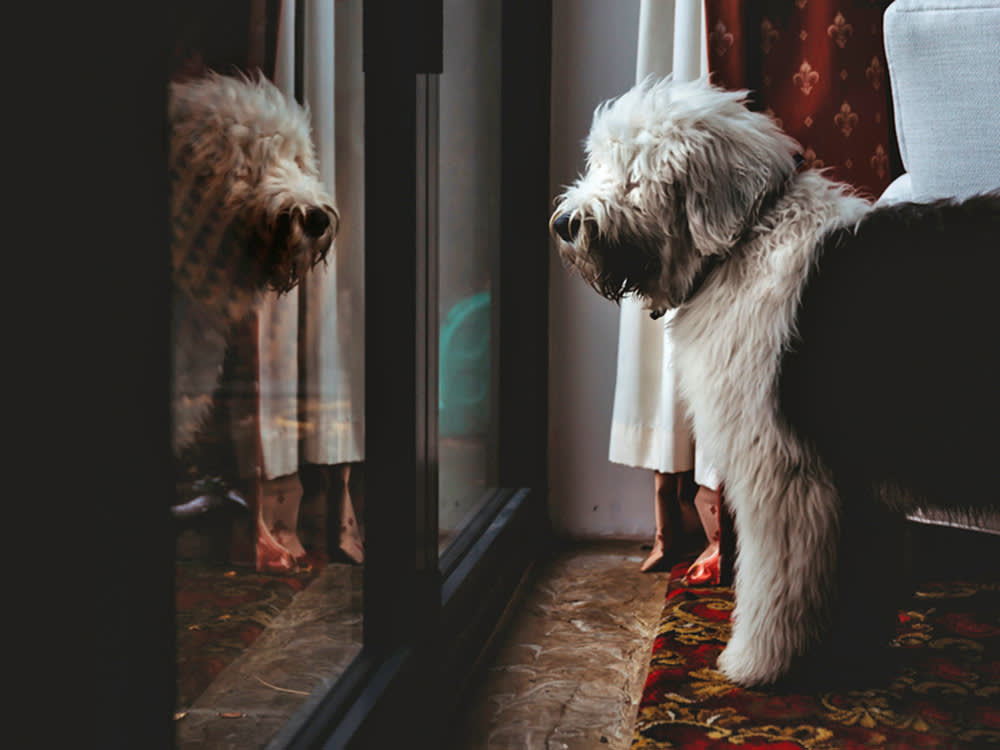
Image Source: images.ctfassets.net
Deciphering Behavioral Reasons
Sometimes, a dog paces at night because of how they feel or act. These are behavioral reasons.
Dog Pacing Anxiety
Anxiety is a common reason for dog pacing anxiety. Dogs can feel worried or scared. This feeling can show up at night. Some dogs have separation anxiety. They feel stressed when they are alone. Even if you are home, they might feel anxious if they can’t be right next to you. Other things can cause anxiety too. Loud noises like storms or fireworks can make dogs pace. Changes in the home, like moving or a new person or pet, can also cause stress.
When a dog feels anxious, they might pace. They might also show other signs. These signs can include:
* Yawning a lot
* Licking their lips
* Shaking or trembling
* Drooling more than usual
* Hiding or trying to run away
* Barking or whining
* Destructive behavior
* Not wanting to eat
A dog pacing anxiety can look like walking in circles. Or they might walk back and forth along a wall. They seem unable to relax. They can’t find a comfortable spot to lie down. They might try to get your attention constantly. This kind of pacing often gets worse when the dog feels left out or scared.
Not Enough Exercise or Mental Fun
Dogs need to use their energy. They need to move their bodies. They also need to use their brains. If a dog doesn’t get enough exercise during the day, they might be restless at night. They have too much energy stored up. Walking, running, and playing fetch help dogs burn energy. Mental fun is important too. Training, puzzle toys, and sniffing games make dogs think. If a dog doesn’t get enough of this, they might feel bored or frustrated. This can lead to a dog unable to settle at night. They might pace because they are bored or still full of energy.
Need to Go Outside
This is a simple reason. But it’s important. Your dog might pace because they need to go to the bathroom. If your dog usually sleeps through the night but starts pacing, needing to pee or poop is a likely cause. This is especially true if the dog is younger, older, or has been drinking more water. They might walk towards the door. They might whine near the door. This kind of pacing usually stops once they are let outside.
Grasping Medical Reasons
Pacing at night can also be a sign of a health problem. Medical reasons for dog pacing are very common, especially as dogs get older. If your dog suddenly starts pacing, it’s a good idea to think about their health.
Dog Pain Symptoms Pacing
Pain is a big reason why dogs might pace. Dogs can’t tell us in words when they hurt. They show us through their behavior. Pain can come from many things. It could be arthritis in their joints. It could be a back problem. It could be pain from an injury. Or it could be pain from an illness affecting their insides.
When a dog is in pain, they might not be able to get comfortable. They might lie down, then get up. Then they walk around. Then they try to lie down again. This cycle can repeat all night. Dog pain symptoms pacing can look like slow, stiff walking. The dog might look uncomfortable. They might lick or chew at the spot that hurts. They might guard the painful area. They might not want to be touched. Pain often gets worse at night when things are quiet and the dog isn’t distracted.
Common sources of pain that cause pacing:
* Arthritis (joint pain)
* Back or neck problems (like a slipped disc)
* Injuries (sprains, muscle pulls)
* Dental pain
* Stomach upset or bloating
* Cancer pain
* Internal organ pain
If you think your dog is in pain, see your vet right away. Pain needs to be managed.
Other Health Issues
Many other medical reasons for dog pacing exist.
* Stomach problems: Nausea or stomach upset can make a dog feel very restless. They might pace, drool, or try to eat grass. Bloating (Gastric Dilatation-Volvulus or GDV) is a life-threatening emergency where the stomach fills with gas and can twist. Pacing is a sign of bloating. If you suspect bloating (dog looks uncomfortable, swollen belly, trying to vomit but nothing comes up), go to an emergency vet immediately.
* Issues with the Brain: Seizures can happen at night and disrupt sleep patterns. Brain tumors or other brain diseases can also cause changes in behavior, including pacing or circling.
* Hormone Problems: Conditions like Cushing’s disease or thyroid problems can affect a dog’s behavior and energy levels. This can lead to restlessness.
* Kidney or Liver Disease: These can make dogs feel unwell and affect their sleep-wake cycle. They might need to drink and pee more, leading to pacing.
* Urinary Tract Infections (UTIs): A UTI can make a dog feel uncomfortable. They might need to pee more often. This can cause them to pace and ask to go out repeatedly at night.
* Loss of Sight or Hearing: Older dogs or dogs with these issues might feel anxious or disoriented at night. Pacing can be a way they try to find their bearings or signal their discomfort.
Interpreting Age-Related Behavior: Senior Dog Pacing at Night
As dogs get older, their bodies and brains change. Senior dog pacing at night is very common. There are several reasons why older dogs pace more.
Canine Cognitive Dysfunction Pacing
This is a big one for older dogs. Canine cognitive dysfunction (CCD) is like Alzheimer’s in people. The dog’s brain doesn’t work as well as it used to. CCD causes confusion, memory loss, and changes in behavior. Dogs with CCD often have disturbed sleep patterns. They might sleep more during the day. Then they are awake and restless at night.
Canine cognitive dysfunction pacing is a key sign of this problem. Dogs with CCD might pace aimlessly. They might get stuck in corners. They might stare at walls. They might forget familiar people or places in the house. They might seem lost or confused. They might not respond to their name. House-training accidents can also happen. This condition is a major cause of a senior dog pacing at night.
Signs of Canine Cognitive Dysfunction:
* Disorientation (getting lost, staring blankly)
* Interactions (less social or more clingy)
* Sleep-wake cycle changes (restless at night, sleeping more in day)
* House-soiling (accidents even if trained)
* Activity levels changes (pacing, less interest in play)
* Nocturnal activity (awake and restless at night)
This is often called the “DISHAA” checklist. If your senior dog shows these signs, especially pacing at night, talk to your vet about CCD.
Increased Pain in Older Age
As mentioned earlier, pain is a major factor. Older dogs are more likely to have conditions that cause pain. Arthritis is very common in senior dogs. Joint pain makes it hard to lie down or get up. This leads to pacing. Other age-related pains can also cause a senior dog pacing at night. Managing pain is key for older dogs.
Changes in Sleep Patterns
Even without CCD, an older dog’s sleep might change. They might not sleep as deeply. They might wake up more easily. This can lead to periods of restlessness and pacing during the night.
Needing to Potty More Often
Older dogs might have less control over their bladder or bowels. Or they might have kidney issues that make them drink and pee more. This means they might need to go outside more often during the night. Pacing can be their way of telling you this.
Dog Restless at Night: Other Potential Reasons
Sometimes, a dog is just generally restless at night. Dog restless at night can be caused by a mix of things or something simple.
- Environmental Factors: The dog’s sleeping area might be uncomfortable. Is it too hot or too cold? Is their bed uncomfortable? Is there a new noise outside that bothers them? Changing their sleeping spot or making it more comfy might help.
- Diet: Sometimes, changing a dog’s food can affect their digestion or energy levels. Feeding them right before bed might make them uncomfortable.
- Side effects of Medicine: Some medications can make dogs restless or change their sleep patterns. If your dog recently started a new medicine, talk to your vet about side effects.
- Lack of Routine: Dogs like routine. Feeding times, walks, and bedtime should be regular. If the schedule changes a lot, it can make a dog feel insecure or unable to settle at night.
How to Figure Out Why Your Dog is Pacing
You’ve seen your dog walking around at night. Now you need to find out why. This is important because the reason tells you how to help them.
Observe Your Dog Closely
Watch your dog when they are pacing.
* When do they start pacing?
* How long do they pace?
* What does the pacing look like? Is it fast or slow? Are they walking in circles? Do they seem lost?
* Do they show other signs? (Whining, licking lips, looking at the door, trying to lie down and getting back up)
* Does anything stop the pacing? (Going outside, you talking to them, turning on lights)
* Has anything changed recently? (Schedule, food, new people/pets, started new medicine)
* How old is your dog?
* When was their last vet visit?
Keeping a log or journal can be helpful. Write down when the pacing happens and what else you notice.
See Your Veterinarian
This is the most important step. If your dog is pacing at night, especially if it’s new behavior or happens often, you must take them to the vet. Tell your vet everything you’ve seen. Share your notes. The vet will give your dog a full check-up. They will look for medical reasons for dog pacing. This might include:
* A physical exam (checking for pain, lumps, listening to heart/lungs)
* Blood tests (to check organs, look for infection)
* Urine test (to check for UTI, kidney problems)
* X-rays (to look at joints, spine, organs)
* Other tests if needed (like MRI or specific hormone tests)
Your vet is the only one who can properly diagnose health problems causing your dog’s pacing. Don’t guess or wait. Catching problems early is best.
How to Stop Dog Pacing At Night: Finding Solutions
Once you know why your dog is pacing, you can start to help them. How to stop dog pacing at night depends totally on the cause.
Solutions for Medical Causes
If the vet finds a medical reason, treating that problem is the key.
* Pain Management: If pain is the cause (like arthritis or injury), your vet will give you pain medicine. This might be pills or injections. They might also suggest supplements like glucosamine. Physical therapy or special diets can also help manage pain. Making your dog more comfortable will help them rest.
* Treating Illness: If your dog has an infection (like a UTI), they will need antibiotics. If they have a hormone issue or organ problem, they will need specific medication or treatment for that condition. Treating the root cause will often stop the pacing.
* Managing CCD: There are special diets and medications for canine cognitive dysfunction. These can help improve brain function and sleep patterns in some dogs. Your vet can suggest things to help your dog feel less confused, especially at night. Creating a predictable routine and simple environment can also help dogs with CCD.
Solutions for Behavioral Causes
If the vet rules out medical issues, the pacing might be behavioral.
- Dealing with Anxiety:
- Identify the trigger: What makes your dog anxious? (Storms, being alone, new things?)
- Create a safe space: Give your dog a cozy bed or crate where they feel safe. Cover the crate if it helps.
- Use calming aids: There are products like calming treats, pheromone diffusers (like Adaptil), thunder shirts, or calming vests. Talk to your vet or a dog trainer about these.
- Behavior Modification: For separation anxiety or noise phobia, you might need help from a professional dog trainer or behaviorist. They can teach you how to help your dog cope. This takes time and patience.
- Medication: In severe cases of anxiety, your vet might prescribe anti-anxiety medication. This is often used along with behavior training.
- More Exercise and Mental Stimulation:
- Increase daytime activity: Make sure your dog gets enough physical exercise. Long walks, runs, or active play are good. The amount needed depends on the breed and age.
- Provide mental challenges: Use puzzle toys for meals. Teach new tricks. Play scent games indoors. This tires their brain as well as their body.
- Schedule evening exercise: A good walk or play session before bedtime can help your dog feel tired and ready to rest.
- Addressing the Need to Potty:
- Later potty break: Take your dog out right before you go to bed. Make sure they have time to empty fully.
- Earlier morning break: Be ready to let them out first thing in the morning.
- Middle-of-the-night break: For older dogs or those with medical needs, you might need to set an alarm for a middle-of-the-night potty break. This can prevent accidents and pacing due to a full bladder.
- Check for UTI: Remember, frequent need to pee could be a UTI. Rule this out with your vet.
Solutions for Age-Related Pacing (Senior Dog Pacing at Night)
Managing senior dog pacing at night often involves a mix of addressing pain, potential CCD, and adjusting routine.
* Pain Management: This is vital for older dogs. Keep them comfortable.
* CCD Treatment: Work with your vet on diet, supplements, and medication for CCD.
* Consistent Routine: Keep feeding times, potty breaks, and walks at the same time each day. This helps confused dogs feel more secure.
* Comfortable Bedding: Provide soft, supportive beds for old joints. Heated beds can be helpful for arthritis.
* Night Lights: A small night light can help dogs with poor vision or confusion navigate the house at night.
* Avoid Major Changes: Try not to rearrange furniture or make big changes to their environment, especially where they sleep.
* Manage Potty Needs: Offer late-night and early-morning potty breaks.
Solutions for Other Restlessness (Dog Unable to Settle at Night)
If your dog is just generally restless, try these simple things:
* Make the sleep area comfy: Is the bed soft? Is it too hot or cold? Is it quiet enough?
* Review diet and feeding times: Don’t feed a large meal right before bed. Make sure their food agrees with them.
* Check medication side effects: Talk to your vet if you think a new medicine is causing restlessness.
* Establish a bedtime routine: A calm routine before bed (last potty break, quiet time, maybe a chew toy) can signal it’s time to sleep.
Summary of Causes and Solutions
Here’s a quick look at the main reasons your dog might pace at night and how to approach them.
| Cause Group | Specific Cause | Potential Signs (Besides Pacing) | How to Approach |
|---|---|---|---|
| Behavioral | Anxiety (Separation, noise, etc.) | Whining, shaking, lip licking, destructive behavior | Identify trigger, safe space, calming aids, training, possibly medication (vet) |
| Not enough exercise/mental fun | High energy, boredom, destructive behavior (sometimes) | Increase daytime exercise, provide puzzle toys/training, evening walk | |
| Need to go potty | Goes towards door, whines near door | Late-night/early-morning potty breaks, rule out UTI | |
| Medical | Pain (Arthritis, back, injury, etc.) | Stiffness, limping, licking sore spot, reluctant to move | See vet for diagnosis and pain management (medication, supplements) |
| Stomach upset/Bloat | Nausea, drooling, swollen belly, trying to vomit | EMERGENCY! See vet immediately (especially for Bloat). | |
| Brain issues (Seizures, tumors) | Strange behavior, loss of control, circling | See vet for diagnosis and treatment | |
| Kidney/Liver/Hormone issues | Increased thirst/pee, weight change, lethargy | See vet for diagnosis and treatment | |
| UTI | Frequent urination, straining, accidents | See vet for diagnosis and antibiotics | |
| Age-Related | Canine Cognitive Dysfunction (CCD) | Confusion, staring, getting stuck, sleep changes, accidents | See vet for diagnosis, medication/diet for CCD, consistent routine, night light |
| (Often overlaps | Increased Pain | Same as Pain above | Manage pain with vet |
| with Medical) | Changes in sleep patterns | Wakes easily, less deep sleep | Manage underlying causes (pain, CCD), consistent routine |
| Need to potty more often | Same as Need to go potty above | More frequent potty breaks (late night, early morning, possible middle-night) | |
| Other | Uncomfortable sleep area | Changes spot often, restless | Make bed comfy, adjust temperature, quiet space |
| Diet issues | Upset stomach, gassy, restless | Adjust feeding time, check food type with vet if needed | |
| Medication side effects | New behavior after starting medicine | Talk to vet about alternative medicine or side effects management | |
| Lack of routine | Unsettled behavior | Establish and stick to a regular schedule |
What Else Can You Do to Help a Dog Unable to Settle at Night?
Beyond treating the specific cause, there are general things you can do to promote better sleep for your dog. This helps a dog unable to settle at night.
- Create a Relaxing Bedtime Routine: Just like with kids, a routine helps signal that it’s time to wind down. This could be a short, calm walk, a gentle massage, or quiet time together on the couch before the final potty break and bed.
- Ensure the Sleeping Area is Ideal: Make sure the dog’s bed is comfortable and supportive. orthopedic beds are great for older dogs or those with pain. Put the bed in a place that isn’t too hot or cold. Ideally, it should be somewhere quiet and dark. Some dogs like to be close to you, others prefer their own space. Find what works for your dog.
- Limit Water Before Bed: For dogs who need to pee frequently at night, you can try limiting water intake for an hour or two before bedtime. Always make sure they have access to water during the day and don’t limit it if it’s hot or they are very active. This is just a small tweak, not a solution for major issues like UTIs or kidney problems which need vet care.
- Provide a Chew Toy: A safe chew toy (like a Nylabone or Kong filled with a little peanut butter) can sometimes help a restless dog settle down in their bed.
- Stay Calm: Your dog can sense your stress. If you get frustrated when they pace, it can make their anxiety or restlessness worse. Try to stay calm and speak in a soothing voice.
Important Note: Never Punish Pacing
Do not punish your dog for pacing. Pacing is a sign that something is wrong or they need something. Punishing them will not fix the problem. It will likely make them more anxious or fearful. This can make the pacing worse. Your goal is to understand why it’s happening and help them.
How to Stop Dog Pacing At Night: Be Patient
Helping a dog who paces at night takes time and patience. Finding the cause can take a while. Treatment or behavior changes might also take time to show results. Work closely with your vet. Follow their advice. Be consistent with any new routines or training. Celebrate small improvements.
If the cause is a long-term condition like CCD or chronic pain, the goal might not be to stop pacing completely. It might be to manage it so your dog is more comfortable and gets better rest.
Frequently Asked Questions About Nighttime Dog Pacing
Does nighttime pacing always mean something is wrong?
Not always, but usually. A dog might pace for a minute if they need to go potty or adjust their bed. But if the pacing lasts a long time, happens every night, or comes with other signs, it usually means there’s an underlying issue that needs attention, often from a vet.
Can young dogs pace at night?
Yes. While common in seniors, young dogs can pace due to separation anxiety, not enough exercise, needing to go potty, or sometimes due to pain from injury or a health problem.
What is the first thing I should do if my dog starts pacing at night?
The very first step, if this is new or unusual behavior, is to take your dog to the vet. You need to rule out medical reasons for dog pacing first. Many health issues can cause pacing and need prompt treatment.
Can dog food cause nighttime pacing?
Sometimes. If a dog has digestive upset from their food, it can make them restless. Feeding a large meal right before bed might also cause discomfort. If you recently changed food and pacing started, talk to your vet about it.
Will ignoring the pacing make it stop?
Ignoring the pacing is generally not recommended. It’s a sign your dog is distressed, uncomfortable, or has a need. While you shouldn’t reward the pacing itself, you need to figure out the cause and address it. Ignoring it won’t fix a medical problem or severe anxiety.
How can I tell if the pacing is due to pain?
Look for other dog pain symptoms pacing. Is your dog stiff? Do they limp? Do they struggle to lie down or get up? Do they react when you touch a certain area? Are they less active during the day? Tell your vet about any signs of pain you see.
Is Canine Cognitive Dysfunction the only reason senior dogs pace at night?
No. While canine cognitive dysfunction pacing is a major cause in older dogs, senior dogs can also pace due to increased pain (like arthritis), needing to go potty more often due to age-related changes, or other medical conditions common in older age.
Conclusion
Seeing your dog pace at night can be upsetting. It’s a sign they are not able to rest peacefully. The good news is that there are many possible reasons, and many of them can be helped. The most important step is to talk to your vet. They can check for medical problems. Once you know the cause, you can work on the right solutions. This might involve managing pain, treating an illness, helping with anxiety, increasing exercise, or adjusting routines, especially for a senior dog pacing at night or a dog unable to settle at night. With patience and the right help, you can often improve your dog’s comfort and help them get the peaceful sleep they need.