
Why does my dog not want to walk? If your dog suddenly refuses walks, or if your senior dog won’t walk anymore, it can be puzzling and worrying. This common problem often points to pain, fear, or just not liking the walk itself. It is important to find out why your dog is acting this way. This guide will help you look at 7 main reasons why your dog might not want to go on walks.
Sometimes, your dog might just stop walking on leash. They might refuse to move on walk at all. This can be very frustrating. But remember, dogs do not act this way to be naughty. They are trying to tell you something. They might feel bad or be scared. Or maybe, they just do not enjoy their walks anymore.
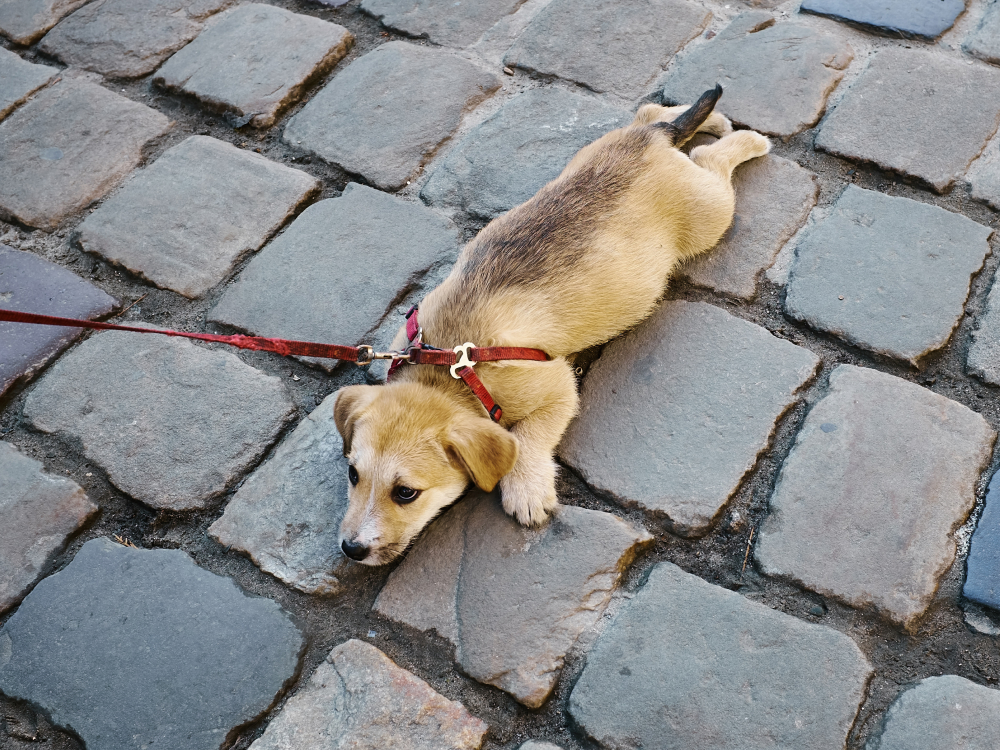
Image Source: images.ctfassets.net
Signs Your Dog Does Not Want to Walk
Before we look at the reasons, let’s think about what you might see.
* Your dog might walk slowly.
* They might stop often.
* They may try to go home.
* Some dogs even sit or lie down.
* You might see your dog pulling back on walks.
* They may try to hide when they see the leash. This is often called dog hiding from leash behavior.
* They might even shake or drool more than usual.
If you see these signs, your dog is sending you a clear message. Let’s look at what that message might be.
Fathoming Why Your Dog Resists Walks
It is a basic need for most dogs to go on walks. Walks help them stay healthy. They help them use their minds. They also let dogs sniff and explore. So, when your dog does not want to walk, it is a big deal. It tells you something is wrong. Let’s look at the main reasons.
1. Pain or Health Problems
This is often the first thing to check. If your dog suddenly refuses walks, pain is a top reason. Dogs cannot tell us they hurt. So, they show it in other ways. Walking can make pain worse. This makes them not want to go out.
A. Joint or Bone Pain:
Older dogs often have joint pain. A senior dog won’t walk anymore often because of arthritis. This makes joints stiff and sore. Imagine your own knees hurting with every step. That is how your dog might feel.
* Arthritis: Common in older dogs. It hurts joints. Cold weather can make it worse.
* Hip or Elbow Dysplasia: This means the joints did not form right. It can cause pain from a young age.
* Luxating Patella: This is a knee cap that slips out of place. It hurts when it moves.
* Spinal Issues: Problems with the back can make walking hard and painful.
If your dog is limping after walk or even during it, it is a big sign of pain. They might favour one leg. They might walk stiffly. Or they might not want to jump or climb stairs.
B. Paw Pain:
Think about walking on rough ground with bare feet. Your dog’s paws are their shoes. Paw pain dog reluctant to walk is very common.
* Cuts or Scrapes: Dogs can step on sharp things. Glass, thorns, or sharp rocks can cut their paws.
* Thorns or Burrs: These can get stuck between their paw pads. They can cause a sharp pain with every step.
* Burns: Hot pavement can burn their paws. In summer, touch the ground with your hand. If it is too hot for you, it is too hot for your dog.
* Cracked Pads: Dry weather or lots of walking can cause paw pads to crack. These cracks hurt a lot.
* Broken Nails: A nail can break too short or pull off. This is very painful.
* Infections: Bacteria or fungi can infect paws. This makes them sore, red, and itchy.
C. Other Medical Issues:
Sometimes, a dog does not feel well all over.
* Injury: Your dog might have hurt itself. Maybe they pulled a muscle. Or they twisted an ankle. You might not see it, but they feel it.
* General Illness: A cold, a stomach ache, or other sickness can make your dog feel weak. They might just want to rest.
* Heart or Lung Problems: These can make breathing hard. Your dog might get tired very fast. They might not have the energy to walk far.
* Dental Pain: While not directly tied to walking, severe tooth pain can make a dog feel unwell all over. They might not want to do anything, even walk.
What to Do:
If you think your dog is in pain, the first step is always to see your vet. They can check your dog. They can find out what is hurting. They might give medicine. Or they might suggest special food or exercises. Do not push your dog to walk if they are in pain. This can make things worse.
2. Fear or Anxiety
Dogs can be scared of many things. This fear can make them not want to leave the safety of home. A scared dog won’t go outside for many reasons. This can be a very hard issue for owners.
A. Scary Noises:
The outside world is full of sounds. Some dogs are very sensitive.
* Traffic: Loud cars, trucks, or buses can be scary.
* Construction: Jackhammers, saws, and other building noises are very loud.
* Storms: Thunder and lightning can make dogs very anxious.
* Fireworks: These are a common fear trigger for many dogs.
* Sirens: Police cars, fire trucks, and ambulances make loud, sudden sounds.
If your dog stops walking on leash when they hear a loud noise, they might be scared. They might pull back on walks to get away from the sound.
B. Scary Sights:
Dogs see the world differently. What looks normal to you might be scary to them.
* Strange People: People wearing hats, carrying umbrellas, or acting oddly can scare some dogs.
* Other Dogs: Some dogs are afraid of other dogs. This can be due to a bad past experience. Or they might not have met enough dogs when they were young.
* New Objects: A new bin, a weird sign, or even a blowing plastic bag can look scary to a dog.
* Unfamiliar Places: If you try a new route, your dog might feel unsure.
C. Past Bad Experiences:
A dog might have had a bad time outside.
* Attacked by Another Dog: If a dog was hurt by another dog on a walk, they might be scared to go out again.
* Loud Bangs or Accidents: A scary event, like a car backfiring loudly or a dropped object nearby, can make them link walks with fear.
* Rough Handling: If someone was harsh with them on a walk, they might hate the idea of walks.
D. Lack of Socialization:
Puppies need to meet many new things. They need to see people, places, and other dogs. If a puppy doesn’t like walks, it could be that they did not get enough positive exposure. This means they were not taught that the world is a good place. They can grow up to be a scared dog won’t go outside.
What to Do:
* Go Slow: Do not force your dog to go. Start with very short walks. Walk just outside your door.
* Positive Reinforcement: Give treats and praise when your dog takes a step outside. Make it a fun game.
* Safe Spaces: Find quiet times and places for walks. Avoid busy streets at first.
* Desensitization: Slowly get your dog used to scary things. Play sounds of traffic softly at home. Give treats.
* Professional Help: A good dog trainer or a vet behaviorist can help with serious fear. They can show you how to help your dog feel safe. If your dog is hiding from leash, this might be a sign they need help with fear.
3. Environmental Factors
The world outside can be uncomfortable. Sometimes, it is just too much for a dog.
A. Weather Conditions:
Dogs do not all like the same weather.
* Too Hot: Dogs can get overheated fast. Their paws can burn on hot ground. A senior dog won’t walk anymore in the summer heat because it is too much for them. Flat-faced breeds like bulldogs and pugs are extra sensitive to heat.
* Too Cold: Small dogs or dogs with thin fur get cold easily. Ice and snow can hurt their paws. Salt on sidewalks can burn them.
* Rain or Snow: Many dogs do not like getting wet. Some just do not enjoy walking in the rain or snow.
* Wind: Strong winds can be unsettling for dogs. They can carry strange smells and sounds.
B. Unpleasant Walking Routes:
The path you choose matters.
* Rough Surfaces: Gravel, sharp stones, or uneven ground can hurt paws. Paw pain dog reluctant to walk is common on bad surfaces.
* Busy Areas: Loud traffic, many people, or lots of other dogs can be too much. It can make a dog feel unsafe.
* Lack of Interesting Smells: Dogs explore with their noses. If a path is boring, they might lose interest.
* Contaminants: Stepping on things like trash, chemicals, or sharp objects can be scary and harmful.
C. Overwhelming Stimuli:
Sometimes, a walk is just too much for a dog’s senses.
* Too Many Dogs: A dog park full of strange dogs can be very stressful.
* Lots of People: A crowded street can make a dog anxious.
* Strange Smells: Certain strong smells, like those from construction sites or industrial areas, can bother a dog.
What to Do:
* Check the Weather: Use apps to check temperature. Touch the pavement with your hand. If it is too hot for you, it is too hot for their paws.
* Choose the Right Time: Walk in the early morning or late evening in summer. Walk in the middle of the day in winter.
* Gear Up: Use boots for hot or cold ground. A rain jacket can help if your dog hates getting wet.
* Vary Routes: Try new, quieter paths. Find grassy areas.
* Listen to Your Dog: If they pull back on walks or refuse to move on walk, it might be the environment. Change it up.
4. Behavioral Issues or Training Gaps
Sometimes, the problem is not pain or fear. It is how your dog has learned about walks. Or what they expect from them.
A. Leash Aversion:
Some dogs do not like the leash itself. If you see your dog hiding from leash, this is a clear sign.
* Negative Association: If the leash only comes out for scary vet trips, or if they were pulled harshly, they might hate it.
* Poor Fit: A collar or harness that pinches or rubs can be painful. This makes walks uncomfortable.
* Excitement Overload: For some puppies, the leash means intense excitement. They might pull so much that they make themselves uncomfortable, or they simply get too worked up to walk nicely. A puppy doesn’t like walks if they are too much for them.
B. Lack of Leash Training:
A dog that stops walking on leash often just has not learned good leash manners.
* Pulling: If a dog pulls too much, it can be hard to enjoy the walk. They might choke themselves or hurt their neck.
* Refusal to Move: Some dogs learn that if they sit down, the walk stops. This can be a way to get attention or to control the walk. They are a dog refusing to move on walk.
* Boredom: If the walks are always the same and boring, a dog might lose interest. They might lag behind or just want to go home.
C. Attention Seeking:
Some dogs learn that if they stop, you pay them attention. You might talk to them, coax them, or give them treats. This can make them stop more often.
D. Dominance or Control:
Less common, but some dogs try to control the walk. They might decide where to go or when to stop. This is often a sign of a lack of clear rules or training.
What to Do:
* Make Leash Positive: Show the leash. Give a treat. Take it off. Repeat. Make the leash a good thing.
* Proper Fit: Make sure the collar or harness fits well. It should not rub or choke. Try different types.
* Basic Leash Training: Teach “heel” and “let’s go.” Reward loose-leash walking. Use positive methods. If your dog pulls back on walks, teach them that pulling gets them nowhere. Stopping until the leash is loose can help.
* Vary Walks: Go to new places. Let your dog sniff more. Add short training games to the walk.
* Be Patient and Firm: If your dog refuses to move on walk, wait them out. Do not pull or drag. When they move even one step, praise them.
* Professional Help: A good trainer can help with leash manners and behavior issues. They can teach you how to make walks fun and controlled.
5. Age-Related Changes
As dogs get older, their bodies change. A senior dog won’t walk anymore is a common concern. These changes can make walks hard or even painful.
A. Arthritis and Joint Stiffness:
This is very common in older dogs. Their joints wear down. This causes pain and stiffness. Walking becomes uncomfortable. They might be slow to get up. They might limp a bit.
B. Decreased Stamina and Energy:
Older dogs just do not have the same energy. Their muscles are weaker. Their hearts and lungs do not work as well. A long walk that was once easy is now very tiring. They might get tired easily and want to rest often.
C. Vision or Hearing Loss:
Older dogs can lose their sight or hearing.
* Vision Loss: A dog that cannot see well might be scared to walk in new places. They might bump into things. They might feel lost. This makes them a scared dog won’t go outside.
* Hearing Loss: If they cannot hear you or traffic, they might feel less safe. They might also miss cues from you.
D. Cognitive Decline (Doggy Dementia):
Like people, dogs can get dementia. This affects their brains.
* Disorientation: They might get confused on walks. They might forget where they are or how to get home.
* Anxiety: They might become more anxious. They might not like changes. This can make them refuse walks.
* Changes in Habits: They might sleep more. They might seem less interested in things they once loved.
E. Obesity:
Older dogs can gain weight. Extra weight puts more stress on their joints. It makes them tired faster. This creates a loop: they walk less, they gain more weight, and then they want to walk even less.
What to Do:
* Shorter, More Frequent Walks: Instead of one long walk, try two or three short ones.
* Slower Pace: Let your senior dog set the speed. Do not rush them.
* Supportive Gear: A sling or harness can help support their weight if they have trouble with hind legs.
* Joint Supplements: Talk to your vet about special foods or supplements for joint health.
* Comfortable Routes: Choose flat, soft paths. Avoid stairs or very uneven ground.
* Be Patient: Your dog is not trying to be difficult. They are just old. Give them love and understanding.
* Regular Vet Check-ups: Regular vet visits are key for older dogs. Your vet can spot problems early and help manage them.
6. Aversion to Specific Gear (Leash, Harness, Collar)
Sometimes, the problem is not the walk itself, but what you put on your dog. If your dog hiding from leash, this might be why.
A. Poor Fit or Discomfort:
* Too Tight: A collar or harness that is too tight can rub or pinch. It can make breathing hard.
* Too Loose: A harness that is too loose can shift and rub. It might also let your dog slip out.
* Rubbing: Some materials or designs can rub against your dog’s skin. This can cause chafing or sores.
* Heavy or Bulky: Some gear is too heavy or big for a small dog.
B. Negative Associations:
* Rough Handling: If the leash was used to pull or yank your dog, they might link it with pain.
* Only for Unpleasant Events: If the leash only comes out for vet visits, baths, or nail trims, your dog might hate it. They learn that the leash means bad things.
* Over-Correction: If you use a choke chain or prong collar wrongly, it can cause pain and fear. This makes the dog dislike the leash.
C. Puppy Discomfort/Novelty:
A puppy doesn’t like walks if they have never worn a leash or harness before. It feels strange and new. They might try to bite it or scratch it off.
What to Do:
* Check the Fit: Make sure the collar or harness fits well. Two fingers should fit under it. No rubbing.
* Try Different Gear: There are many types of collars and harnesses. Try a front-clip harness, a back-clip harness, or a simple flat collar. Some dogs prefer one over another.
* Positive Association: Make the gear a good thing. Put it on for a few seconds. Give a treat. Take it off. Slowly increase the time.
* Never Force It: Do not force your dog into gear they hate. This will only make the aversion worse.
* Teach Good Leash Manners: Work on loose-leash walking. This reduces the chance of pulling and discomfort.
7. Just Not in the Mood or Boredom
Sometimes, the reason is simpler. Your dog might not be feeling it, or the walks are boring.
A. Boredom with Routine:
Dogs love routine. But too much of the same can be boring. If you walk the exact same path every day, your dog might get tired of it. They might stop walking on leash because there is nothing new to see or smell. They might be a dog refusing to move on walk because they just do not care.
B. Lack of Mental Stimulation:
Walks are not just for exercise. They are for mental fun too. Dogs love to sniff. They love to explore. If your walks are always fast-paced, with no time for sniffing, your dog might not get enough mental joy.
C. Not Enough Sleep or Rest:
Just like us, dogs need their rest. If your dog did not sleep well, or is simply tired, they might not want to walk. A puppy doesn’t like walks if they are overtired or overstimulated.
D. Over-Exercised:
Believe it or not, some dogs can get too much exercise. If you push your dog too hard, they might get sore or just burned out. This can lead to them not wanting to walk for a few days. They might even become a dog limping after walk from too much activity.
E. Attention Seeking:
As mentioned earlier, if stopping or being stubborn gets them attention, they might use it. They might get a treat or extra pats if they refuse to move.
What to Do:
* Vary Your Routes: Go to new parks. Walk on different streets. Explore new smells.
* Add Sniffing Time: Let your dog sniff. This is like reading the newspaper for them. It is mentally tiring.
* Add Play: Bring a toy. Play a short game of fetch during the walk.
* Short Training Bursts: Practice “sit,” “stay,” or “come” during the walk. This keeps their mind active.
* Check Energy Levels: Pay attention to how much rest your dog gets. Do not push them if they seem tired.
* Avoid Reinforcing Bad Habits: If your dog stops for attention, pause. Wait until they move on their own, then praise. Do not give in to demands.
* Mental Games at Home: If walks are not possible, play puzzle toys or training games at home. This helps burn energy and keeps their mind busy.
When to Seek Help
It is important to know when to ask for help.
* Sudden Change: If your dog suddenly refuses walks, especially if they loved them before, see your vet.
* Limping or Pain Signs: Any signs of pain need a vet check right away.
* Growing Fear: If your dog becomes more scared, or a scared dog won’t go outside at all, talk to a vet or a certified dog behaviorist.
* No Improvement: If you try things and nothing helps, get expert advice.
A vet can check for health problems. A certified dog trainer or behaviorist can help with fear, anxiety, or training issues.
Table: Quick Look at Reasons Your Dog Avoids Walks
| Reason | Key Signs | What to Look For | What to Do (Brief) |
|---|---|---|---|
| 1. Pain / Health | Dog limping after walk, slow, stiff, avoids steps | Injuries, arthritis, paw pain, illness, senior dog won’t walk anymore | Vet visit first. |
| 2. Fear / Anxiety | Scared dog won’t go outside, hides, pulls back on walks | Loud noises, new sights, bad past, lack of socialization | Go slow, positive rewards, quiet routes, professional help. |
| 3. Environment | Dog stops walking on leash in certain places | Hot/cold weather, rough ground, too many people/dogs | Check weather, change routes, use paw protection. |
| 4. Behavior / Training | Dog refusing to move on walk, pulls, sits, dog hiding from leash | Poor leash training, attention seeking, gear discomfort | Teach good leash manners, positive leash association. |
| 5. Age | Senior dog won’t walk anymore, tires fast | Arthritis, less energy, vision/hearing loss, confusion | Shorter walks, vet support, patience. |
| 6. Gear Aversion | Dog hiding from leash, scratches collar | Poor fit, negative link to collar/harness | Check fit, try new gear, make gear positive. |
| 7. Mood / Boredom | Puppy doesn’t like walks, lags, no interest | Same old route, not enough sniffing, tired, over-exercised | Vary routes, allow sniffing, add play, adjust exercise. |
Frequently Asked Questions (FAQ)
Q1: My puppy doesn’t like walks. Is this normal?
A1: Yes, it can be normal for puppies. The world is big and new. They can feel scared or overwhelmed. They might also be too excited or just need more time to get used to the leash and outside world. Start with very short, happy walks in a quiet place. Use lots of treats.
Q2: My senior dog won’t walk anymore, but seems fine at home. Why?
A2: Senior dogs often hide pain well. They might be okay moving around inside a familiar home. But walking outside puts more stress on their joints and body. Arthritis or general weakness can make them unwilling to go far. Always see your vet to check for underlying health issues.
Q3: My dog suddenly refuses walks. What is the first thing I should do?
A3: The very first thing is to check for pain or injury. Look at their paws. Gently feel their legs and body. If you see any signs of pain, like limping after walk, or if they cry out, call your vet right away.
Q4: My dog pulls back on walks or tries to go home. What does this mean?
A4: This can mean a few things. They might be scared of something ahead. They might be tired or in pain. Or they might just not enjoy the walk. Try changing your route. See if they are reacting to noise or people. Rule out pain first.
Q5: How can I make walks more fun for my dog?
A5: Try new places! Let your dog sniff a lot. This is very stimulating for them. Bring treats and play a short game. Let them choose a direction sometimes (if safe). Vary the length and speed of your walks.
Q6: My dog is hiding from leash. How can I fix this?
A6: This means your dog has a bad feeling about the leash. Make the leash a good thing. Show it, give a treat, then put it away. Do this often. Put it on for a few seconds, give a treat, take it off. Slowly build up. Never force the leash. Make sure their collar or harness fits well and is comfortable.
Q7: My dog stops walking on leash and just sits down. What should I do?
A7: This is a common form of dog refusing to move on walk. First, check for pain or fear. If they seem okay, just wait them out. Do not pull or drag. When they stand up or take even one step, give a calm praise and reward. Be patient. Make sure they know moving forward gets them good things.
Final Thoughts
Seeing your dog not want to walk can be a worry. But by looking at these 7 reasons, you have a good starting point. Remember to be patient and kind. Your dog is trying to tell you something important. With a little effort and maybe some help from your vet or a trainer, you can help your dog enjoy their walks again.