
You might wonder, “Why does my dog not want to sleep with me?” Your dog may not want to sleep with you for many reasons. These include comfort, needing personal space, health issues, or past habits. They might prefer their own bed, find your bed too hot, or feel safer sleeping alone. It’s common for dogs to choose a different spot. This does not mean they love you less.
Let us look closely at why your dog might prefer to sleep alone. We will also share tips to help them sleep well.
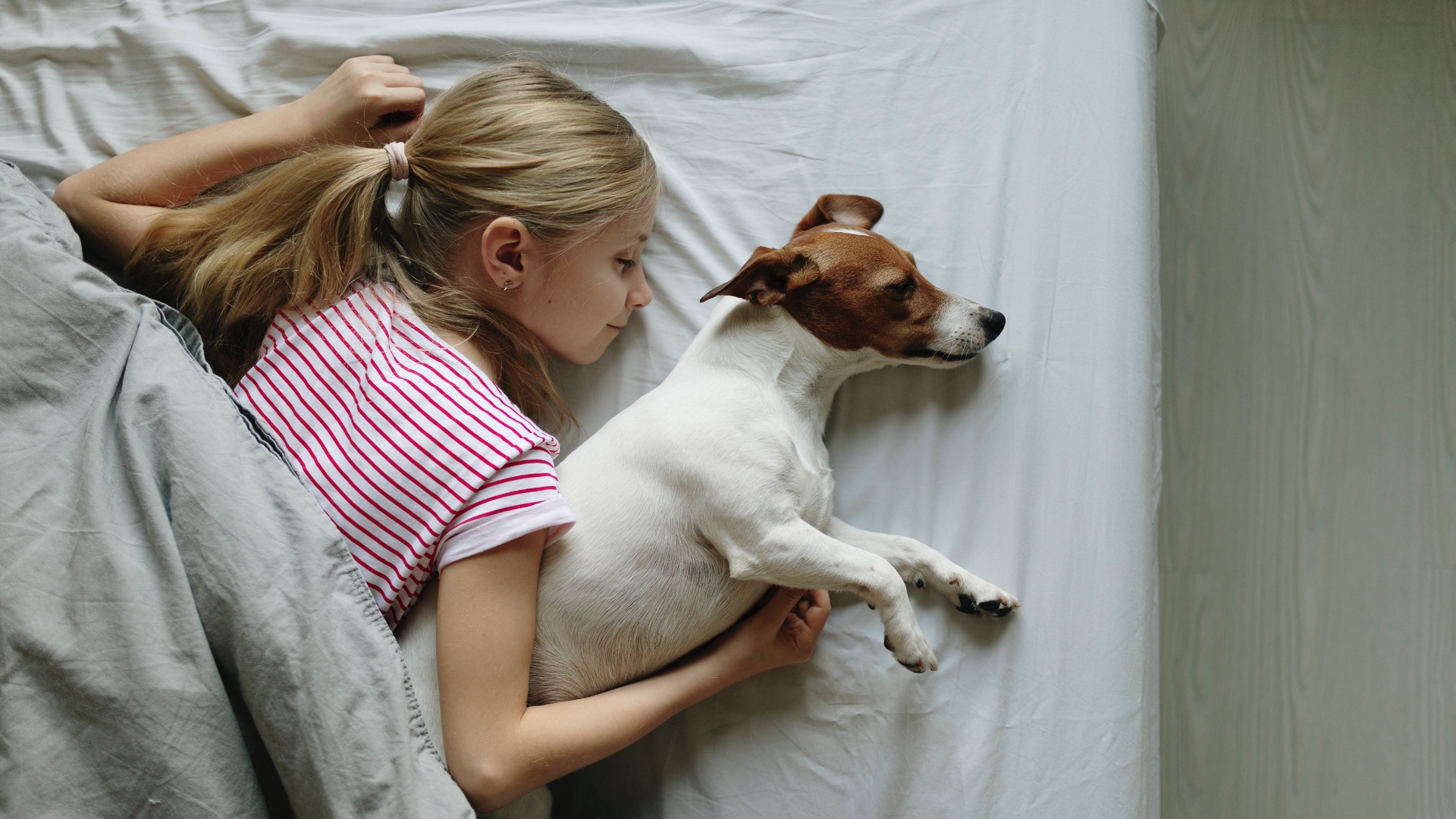
Image Source: www.alldogsdream.com
Scrutinizing Canine Sleeping Habits
Dogs spend a lot of time sleeping. How much they sleep changes with their age and type. Puppies and old dogs sleep the most. Adult dogs sleep a lot too. They sleep for about 12 to 14 hours each day. But not all of this time is deep sleep. Dogs take many naps. This is part of their normal canine sleeping behavior.
Just like people, dogs need good sleep. It helps their bodies heal. It also helps their minds work well. A dog’s sleep cycle is shorter than a human’s. They move quickly between light sleep and deep sleep. This means they often wake up or shift around. This is normal.
Sometimes, a dog will choose to sleep away from you. This can make you sad. But it is often for good reasons that help your dog. It shows they know what they need.
Why Your Dog Might Not Want Your Bed
Many things can make your dog choose to sleep alone. It is rarely about how much they love you. It is more about comfort or feeling safe. Let us look at common reasons.
Comfort and Climate Needs
Think about where your dog sleeps. Is your bed truly the best place for them?
- Too Hot: Dogs have fur. They get hot easily. Your bed can be a warm place. It can trap heat. If your dog gets too hot, they will move. They will look for a cool spot. This is a big reason why a dog prefers own bed. Their own bed might be cooler. It might be on a hard floor.
- Not Enough Space: Dogs like to stretch out. Your bed might feel small to them. They might not have room to move freely. This is even more true for big dogs. A big dog needs a lot of space. Your bed might feel too crowded.
- Different Firmness: Your mattress might be too soft for your dog. Or it might be too hard. Dogs like a bed that fits their body. They want support. A special dog bed is made for their shape. It can give them the right comfort. This is part of finding comfortable dog sleeping solutions.
A Need for Personal Space
Just like people, dogs need their own space. This is true when they sleep.
- Independent Nature: Some dogs are more private. They like to have their own area. They feel safe in their own spot. They do not want to be disturbed. They want to be able to get up and move. This is a key reason why a dog wants personal space.
- Seeking Quiet: Your dog might want a quiet spot. Your room might have sounds. Maybe you move in your sleep. These things can disturb your dog. They might go to a different room. This room might be calmer. It offers a peaceful sleep.
- Bonding Style: Some dogs show love in other ways. They might cuddle during the day. But they like to sleep alone. This is just how they are. It does not mean they do not love you. It is just their style. This can be why a dog won’t cuddle at night.
Health and Age Factors
Health problems can change a dog’s sleep habits. Older dogs often have special needs.
- Pain and Stiffness: An old dog might have joint pain. This is common. Moving on and off your bed can hurt them. Lying on a soft mattress might not feel good. A firm, orthopedic dog bed helps. It supports their joints. This is a common senior dog sleep issue.
- Restlessness: Some dogs cannot get comfy. They might move around a lot. This is called being dog restless at night. It can be a sign of pain. It can also be a sign of other health problems. They might try many spots. They look for one that feels good.
- Increased Bathroom Needs: Older dogs might need to pee more often. They might not want to wake you up. They might choose to sleep closer to a door. This makes it easier for them to go out.
- Breathing Issues: Some dog types have flat faces. These dogs can have trouble breathing. Sleeping next to you can make it harder. They might want more air. They might sleep where the air is better. This can be a sign of dog discomfort.
- Cognitive Decline: Older dogs can get a dog version of dementia. This is called Canine Cognitive Dysfunction. It can make them confused. They might forget where they are. They might wander at night. This can lead to dog avoiding owner bed. They might not even know where they should be.
Let’s summarize how age and health can affect sleep.
| Age/Health Factor | Why Dog Might Not Sleep With You | Common Signs |
|---|---|---|
| Old Age | Joint pain, bladder issues, confusion. | Slow to move, frequent urination, gets lost easily. |
| Arthritis | Pain when climbing, lying down. | Limping, slow movement, whining when moving. |
| Breathing Problems | Hard to breathe on soft beds or near humans. | Heavy breathing, snoring loudly, seeking cooler air. |
| Dementia | Disorientation, night wandering, fear. | Pacing, staring, changes in sleep-wake cycle. |
| Other Pain | Cannot get comfortable anywhere. | Licking a certain spot, whimpering, unusual stillness. |
Behavioral Habits and Training
Dogs learn from what happens. Their past can shape where they sleep.
- Early Habits: If your dog always slept in their own bed, they will likely keep doing it. This is what they know. It is their safe space. This is a learned canine sleeping behavior.
- You Set the Rules: You might have taught your dog to sleep in their own spot. Maybe you did not want them on your bed. Dogs follow rules. They learn fast. If you do not let them on the bed, they will not go there.
- Attention Seeking: Sometimes, a dog wants something. They might come to your bed for a short time. They might jump on you. Then they go back to their own bed. They just wanted to check in. They want to make sure you are there.
- A Need for a “Den”: Dogs are den animals. They like small, safe places. A crate or a cozy dog bed can feel like a den. It makes them feel secure. This is why a dog prefers own bed. It is their private spot.
Environmental Factors
Things around your dog can affect their sleep choices.
- Noise: Your bedroom might have noise. You might snore. Or your partner might snore. Or perhaps there is street noise. Your dog hears everything. Loud sounds can bother them. They might go to a quieter room.
- Light: Is your room too bright? Maybe light comes in from outside. Or maybe you use a night light. Dogs like dark places to sleep. They might move to a darker spot.
- Disturbances: You might toss and turn. Or you get up for the bathroom. This can wake your dog. Other pets might move around. All these things can make your dog restless. They might go somewhere calmer. This can cause dog restless at night.
- Smells: Your bed smells like you. This is comforting to a point. But too many smells can be strong. Some dogs like a neutral scent. They might prefer their own bed. Their bed smells only of them.
Anxiety and Fear
Some dogs have fears or worries. These can affect where they sleep.
- Canine Nighttime Anxiety: Some dogs get anxious at night. They might pace. They might pant. They might whine. This is called canine nighttime anxiety. They might feel more secure in their own space. They might not want to be too close to you. This is true if your presence makes them more stressed. They might feel trapped on your bed.
- Separation Anxiety: This might seem odd. But some dogs with separation anxiety avoid sleeping with you. They might get too stressed if they are too close. They might worry about you leaving them in the morning. They might try to create some distance. This can help them cope.
- Phobias: Loud noises like thunder or fireworks can scare dogs. If these happen often, your dog might hide. They might go to a spot they feel safe in. This spot might be under a bed. It might be in a closet. It might not be your bed. This makes them dog restless at night.
- Past Trauma: A dog that had a bad past might be wary. They might be scared of small spaces. Or they might be scared of being touched while sleeping. They might choose to sleep alone. This gives them a sense of control.
Deciphering the Signs of Discomfort
How can you tell if your dog is not comfy? Watch for these signs.
- Frequent Shifting: Your dog moves a lot. They cannot get settled. They lie down, then stand up. They turn around many times.
- Panting or Restlessness: They might pant heavily. They might pace. They might look worried. This is a clear sign of dog discomfort.
- Leaving the Bed: They get on your bed. They stay for a short time. Then they jump off. They go to another spot. This shows your bed is not working for them. This is dog avoiding owner bed.
- Licking or Chewing: They might lick their joints. They might chew on their paws. This can mean they are in pain.
- Changes in Appetite: They might eat less. Or they might eat more. This can be a sign of stress or pain.
- Aggression or Growling: If they growl when you try to move them, they are in pain. Or they want to be left alone.
- Hiding: They go to a hidden spot. They stay there. This can mean they feel sick or scared.
If you see these signs, act quickly. Talk to your vet first. Rule out health issues.
Making Your Dog’s Sleep Better
If your dog is not sleeping with you, it is okay. But you can make sure they sleep well. Here are some tips.
Create an Appealing Sleep Zone
Make sure your dog has a great place to sleep.
- Choose the Right Bed: Get a dog bed that fits your dog.
- Size: Make sure it is big enough. Your dog should stretch out.
- Material: Some dogs like soft beds. Others like firm ones. For old dogs, an orthopedic bed is best. These beds support joints.
- Temperature: Some beds have cooling gels. Others are warm. Think about your dog’s needs. If they get hot, get a cool bed.
- Location Matters:
- Quiet Spot: Place their bed in a quiet area. It should be away from noise.
- Darkness: Make sure it is dark. Use blackout curtains if needed.
- Safe Place: Make it feel like a den. A crate with a soft bed inside can work. Cover it with a blanket.
- Cleanliness: Wash their bed often. A clean bed smells nice. It is free of dirt. This makes it more inviting.
Addressing Health Concerns
If you think your dog has pain, see your vet.
- Regular Vet Visits: Take your dog to the vet often. This helps catch problems early.
- Pain Management: Your vet might give medicine for pain. This can help old dogs with arthritis.
- Diet and Exercise: A healthy weight helps joints. Regular walks help keep them strong.
- Special Needs: If your dog has dementia, the vet can help. There are medicines. There are ways to make their life easier. These things can help with senior dog sleep issues.
Training and Routine
Dogs love a good routine. It makes them feel safe.
- Consistent Bedtime: Take your dog out for a potty break just before bed. Do it every night. This sets a routine.
- Calm Before Sleep: Do not play rough before bed. Have quiet time. Give them a calming chew toy. Or a gentle brush.
- Positive Reinforcement: Make their bed a happy place. Give treats when they go to their bed. Praise them.
- Teaching “Place”: Teach your dog to go to their bed on command. This helps them know their sleeping spot. This makes it a comfortable dog sleeping solution.
Respecting Their Space
Sometimes, the best thing to do is let them be.
- Do Not Force It: Do not make your dog sleep with you. If they want their own bed, let them.
- Observe Their Choices: Watch where they like to sleep. Make that spot comfy.
- Show Love in Other Ways: Cuddle them during the day. Play with them. Give them treats. Show them you love them. This can be why a dog won’t cuddle at night. They cuddle at other times.
- Their Personal Space: It is vital for their well-being. A dog that feels safe and respected is a happy dog. This is about respecting their dog wants personal space.
When to Seek Professional Help
If your dog’s sleep habits change a lot, get help.
- Sudden Change: If your dog suddenly stops sleeping with you, it could be a sign of trouble.
- Extreme Restlessness: If your dog paces all night, or seems anxious. This is dog restless at night.
- New Behaviors: If they start growling, hiding, or acting confused. These are signs of dog discomfort.
- Ongoing Anxiety: If you see signs of canine nighttime anxiety. This might need a trainer or a vet.
- Vet Visit: Always talk to your vet first. Rule out any health issues. Your vet might suggest tests. They might prescribe medicine.
- Behaviorist: If health is not the cause, a dog behaviorist can help. They can look at your dog’s actions. They can help you change problem behaviors.
Final Thoughts on Your Dog’s Sleep
It is natural to want your dog close. It is nice to feel them next to you. But your dog might have good reasons for sleeping elsewhere. It is often about their comfort. It is about their well-being.
Your dog is not mad at you. They still love you very much. They are just trying to get good sleep. By giving them a great sleep spot, you show them you care. You give them a gift. You give them a happy, peaceful night. This helps them be a healthy and joyful dog. And that is what truly matters.
Frequently Asked Questions (FAQ)
h4 Is it bad if my dog does not sleep with me?
No, it is not bad. Many dogs prefer to sleep alone. They might be too hot. Or they might need more space. They could also have a cozy bed they love. It does not mean they love you less. It means they know what makes them comfy.
h4 How do I know if my dog is uncomfortable sleeping?
Watch for signs. Your dog might move around a lot. They might pant. They might lick their joints. They might change sleeping spots often. They might seem worried or restless. These are all signs of dog discomfort. If you see these, talk to your vet.
h4 Should I let my dog sleep in its own bed?
Yes, if that is what they want. Let them choose their sleeping spot. If they like their own bed, make it as nice as possible. Give them a comfy, quiet, and dark place. This is a good comfortable dog sleeping solution.
h4 Why does my dog sleep on the floor instead of a bed?
Your dog might sleep on the floor to cool down. The floor is often much cooler than a bed. Or they might like the firmness. Some dogs also like to stretch out fully. They might not have enough space on a soft bed. This often means a dog prefers own bed or spot.
h4 Can anxiety make my dog not want to sleep with me?
Yes, canine nighttime anxiety can make a dog sleep alone. They might feel trapped on your bed. They might feel more secure in their own space. This space could be a crate or a corner of a room. They might need a calm place to deal with their worries.
h4 Is it normal for an old dog to change sleeping habits?
Yes, it is common for senior dog sleep issues to come up. Old dogs can have pain. They might have arthritis. They might need to go to the bathroom more. They can also get confused. All these things can make them change where they sleep. Always check with your vet for older dogs.
h4 My dog won’t cuddle with me at night. What does it mean?
It means your dog might prefer their dog wants personal space when sleeping. Many dogs love cuddles during the day. But at night, they want room to stretch. They want to move freely. It is not a sign of them not loving you. It is just their sleep style. This is why a dog won’t cuddle sometimes at night.
h4 My dog keeps moving around all night. What can I do?
This sounds like a dog restless at night. First, see your vet. Rule out any pain or health issues. If health is fine, check their sleep spot. Make sure it is quiet, dark, and comfy. Keep a regular bedtime routine. Give them good exercise during the day.