
Why Does My Dog Limp After Laying Down: Causes Explained
When your dog limps after laying down, it means they feel pain or discomfort when they first try to move. This is a common sign of issues with their joints, muscles, or bones. Often, this dog lameness after rest points to things like arthritis, a muscle strain, or even an old injury acting up. Seeing your dog struggles to stand up and then limps can be scary, but it often helps vets find out what is wrong. This problem is very common in older dogs, hinting at senior dog joint pain or other long-term issues.
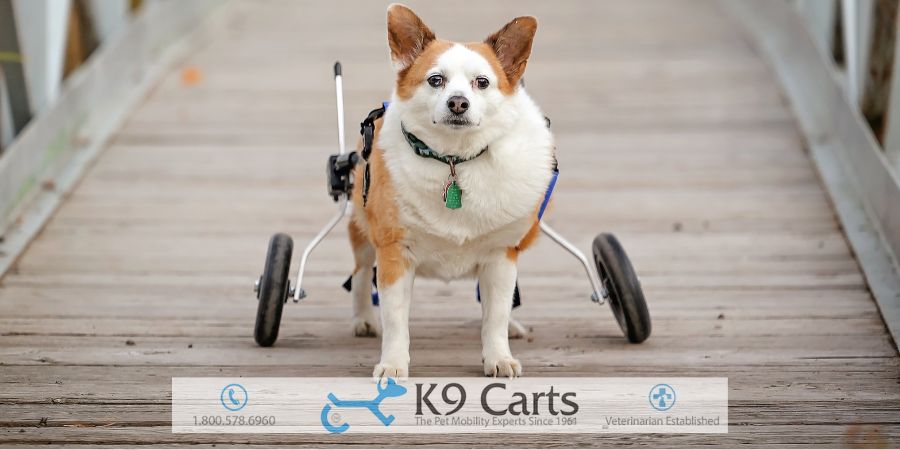
Image Source: k9carts.com
The Core Reasons for Dog Limping After Rest
Dogs are good at hiding pain. So, when you see them limp, it often means the pain is real and strong enough to show. A limp after resting means the body parts stiffen up. When they move, it hurts. Many things can cause this. We will look at the most common ones.
Arthritis: A Common Enemy
Arthritis is a very common cause of dog lameness after rest. It means the joints have wear and tear. This is also called degenerative joint disease in dogs. Over time, the smooth cushion (cartilage) in the joints breaks down. This makes bones rub on bones, causing pain and stiffness. It is like an old gate creaking open.
What Happens with Arthritis?
When a dog rests, their joints cool down. The fluid that helps joints move (synovial fluid) becomes thicker. This makes the joint harder to move. So, when they stand up, the first few steps are painful. This is why you see them struggles to stand up.
Canine Arthritis Symptoms You Might See:
* Limping, especially after rest or a long walk.
* Slow to get up or lie down.
* Less desire to play or go for walks.
* Trouble jumping or climbing stairs.
* Licking at a certain joint a lot.
* Changes in mood, like being grumpy.
* Muscle loss in the leg that hurts.
* Stiffness, especially in the morning or cold weather.
Risk Factors for Arthritis:
* Age: Older dogs are more likely to get it. This is a big part of senior dog joint pain.
* Breed: Some big dog breeds get it more often.
* Weight: Being too heavy puts more stress on joints.
* Past injuries: An old injury to a joint can lead to arthritis later.
* Bad joint shape: Some dogs are born with joints that don’t fit well.
Hip Dysplasia in Dogs: A Joint Malformation
Hip dysplasia in dogs is a condition where the hip joint does not form correctly. The ball and socket parts of the hip do not fit together snugly. This leads to them rubbing and grinding instead of sliding smoothly. This rubbing causes pain, dog muscle soreness, and eventually arthritis.
Signs of Hip Dysplasia:
* Limping, often worse after resting or exercise.
* Reluctance to jump, run, or climb stairs.
* A “bunny hop” gait when running.
* Narrow stance in the back legs.
* Pain when the hips are touched.
* Loss of muscle in the back legs.
* Dog struggles to stand up from a lying position.
This condition is often seen in big dog breeds like German Shepherds, Labradors, and Golden Retrievers. It can start when they are young, but the worst signs often show up as senior dog joint pain.
Dog Muscle Soreness or Strain
Just like people, dogs can get sore muscles. This can happen after playing too hard, a sudden twist, or an awkward fall. Muscle soreness can make a dog limp, especially after a period of rest when the muscles tighten up. This is a common cause of dog lameness after rest that might not be joint-related.
How to Spot Muscle Soreness:
* A general stiffness in one or more legs.
* Pain when you touch the muscle.
* Reluctance to use the muscle.
* Might favor a limb, but it’s not always a clear limp.
* Could be temporary and get better with rest.
This is usually less severe than joint issues, but it still needs attention. If it lasts more than a day or two, see a vet.
Ligament and Tendon Injuries
Ligaments connect bones to bones, and tendons connect muscles to bones. These can get strained or torn. A common injury is to the cranial cruciate ligament (CCL), often called the ACL in people. When this ligament in the knee is torn, it causes sudden lameness. But even a partial tear can lead to a limp that is worse after resting.
Signs of Ligament/Tendon Injury:
* Sudden limp, often favoring one leg.
* Swelling around the joint.
* Pain when moving the joint.
* Might avoid putting weight on the leg.
* Dog struggles to stand up if the injury is severe.
These injuries often need a vet to diagnose and treat.
Spinal Issues
Problems with the spine can also cause a dog to limp or have trouble moving. This is because nerves that go to the legs come from the spine. If a disc in the spine slips (intervertebral disc disease, IVDD) or there is pressure on the nerves, it can cause pain, weakness, or even paralysis in the legs.
Signs of Spinal Problems:
* Weakness in one or more legs.
* Limping, especially in the back legs.
* Pain when touched on the back.
* Wobbly walking or unsteadiness.
* Reluctance to jump or climb.
* Dog struggles to stand up or drag its feet.
* Changes in bladder or bowel control.
Spinal issues are serious and need quick vet care.
Paw Problems
Sometimes, the cause of limping is simple: something is wrong with the paw.
* A thorn or cut in the paw pad.
* A broken nail.
* An infection between the toes.
* A bee sting or bug bite.
* A stone stuck between the paw pads.
These can cause a limp that seems to come and go, or is worse after laying down if the paw is sore and rested in a bad spot.
Signs of Paw Problems:
* Dog licking or chewing at its paw.
* Holding the paw up.
* Visible cut, swelling, or redness.
* Tender to touch.
Always check your dog’s paws if they are limping.
Other, Less Common Causes
While arthritis and injuries are top causes, other things can make a dog limp:
* Bone Cancer: Can cause bone pain and lameness.
* Infections: Bone infections (osteomyelitis) or joint infections (septic arthritis).
* Tick-borne diseases: Like Lyme disease, can cause joint pain and limping.
* Growth Plate Issues: In young, growing dogs, problems with growth plates can cause pain and limping.
These are less common but still possible reasons for canine mobility issues.
Spotting the Signs: What to Look For
Paying close attention to your dog’s behavior can help you understand what’s going on. It’s not just about seeing a limp. It’s about how they move, how they act, and what’s different from their usual self.
Key Canine Arthritis Symptoms and Other Signs to Watch For:
- Limping: Is it constant? Does it get better after they warm up? Is it worse after rest?
- Stiffness: Do they look
stiff dogwhen they get up? Do they take short, careful steps? - Difficulty Moving: Do they
struggles to stand up? Do they avoid stairs, jumping on furniture, or getting in the car? - Changes in Activity: Are they playing less? Do they not want to go for walks as much?
- Pain Signals: Do they cry out? Do they flinch when you touch certain areas? Do they lick a specific joint a lot?
- Muscle Loss: Look at their back legs. Is one smaller than the other? This can point to them not using that leg as much.
- Behavior Changes: Are they more grumpy? Do they snap when touched? Are they hiding more?
- Swelling: Is there any swelling around a joint?
- Changes in Gait: Do they walk strangely? Do they shift weight from one leg to another?
This table shows common signs and what they might mean:
| Sign Observed | Possible Meaning |
|---|---|
| Limping after rest | Arthritis, muscle soreness, joint stiffness |
Dog struggles to stand up |
Senior dog joint pain, arthritis, hip/spinal issues |
| Avoiding stairs/jumps | Pain when putting weight on joints, canine mobility issues |
| Licking a specific area | Pain or irritation in that spot |
| Change in mood | Pain, discomfort, or frustration |
| Muscle loss | Chronic pain leading to less use of a limb |
| Sudden lameness | Acute injury (e.g., ligament tear), foreign object in paw |
Getting a Diagnosis: When to See the Vet
If your dog is limping, especially if it lasts more than 24 hours, or if they seem to be in a lot of pain, you should see your vet. Do not give human pain medicine to your dog without asking a vet. Many human medicines are bad for dogs.
What Your Vet Will Do:
1. Ask Questions: They will ask when the limping started, what makes it better or worse, and your dog’s history. Be ready to describe the canine arthritis symptoms or other signs you’ve noticed.
2. Physical Exam: The vet will watch your dog walk and move. They will feel their legs, joints, and spine. They will check for pain, swelling, and how well the joints move.
3. X-rays: Often, X-rays are needed to look at bones and joints. This can show arthritis, hip dysplasia in dogs, fractures, or other bone problems.
4. Other Tests: Sometimes, blood tests might be done to check for infections or other diseases. In some cases, MRI or CT scans may be needed for detailed views of soft tissues or the spine.
Getting a clear diagnosis is the first step to helping your dog feel better.
Helping Your Dog: Stiff Dog Treatment Options
Once the vet knows why your dog is limping, they can suggest the best treatment. The goal is to ease pain, improve movement, and make your dog more comfortable. Stiff dog treatment varies widely based on the cause.
Medications
- NSAIDs (Non-Steroidal Anti-Inflammatory Drugs): These are like ibuprofen for dogs, but they are made just for dogs. They help reduce pain and swelling. Examples include carprofen, meloxicam, and firocoxib.
- Pain Relievers: Other drugs might be used to help with pain, especially if NSAIDs are not enough or cannot be used.
- Corticosteroids: These are strong anti-inflammatory drugs. They are used for short periods for severe pain or certain conditions.
- Amantadine/Gabapentin: These can be added to help with nerve pain or chronic pain.
It is very important to use only medicines your vet gives you and follow their dose instructions exactly.
Physical Therapy and Rehabilitation
Just like people, dogs can benefit from physical therapy. This can include:
* Therapeutic exercises: Gentle movements to improve joint range and muscle strength.
* Hydrotherapy: Exercises in water, which lessens stress on joints. This is great for canine mobility issues.
* Massage: To ease dog muscle soreness and improve blood flow.
* Laser therapy: Uses light to reduce pain and swelling.
* Acupuncture: Can help with pain relief in some dogs.
A certified canine rehab vet can create a plan tailored for your dog.
Weight Management
If your dog is overweight, losing even a little bit can make a big difference in joint pain. Extra weight puts more stress on joints, especially hips and knees. This can make canine arthritis symptoms much worse. Your vet can help you figure out a safe diet plan for your dog.
Surgery
For some conditions, surgery is the best option.
* Hip Dysplasia: Surgery can rebuild the hip joint or replace it (total hip replacement).
* Ligament Tears: Surgery can repair or replace a torn CCL.
* Spinal Issues: Surgery can remove pressure on the spinal cord.
* Fractures: Broken bones often need surgery to fix.
Surgery is a big step, but for many dogs, it can greatly improve their quality of life and fix canine mobility issues.
Dog Joint Supplements
Many owners use dog joint supplements to help their dogs with joint pain, especially for senior dog joint pain and degenerative joint disease in dogs. These are not medicines, but they can support joint health.
Common Ingredients in Dog Joint Supplements:
* Glucosamine: Helps build and repair cartilage.
* Chondroitin: Helps keep cartilage flexible and prevents further breakdown.
* MSM (Methylsulfonylmethane): Reduces pain and inflammation.
* Omega-3 Fatty Acids (EPA and DHA): Found in fish oil, these help reduce inflammation.
* Green-lipped mussel: Contains a mix of joint-supporting nutrients.
Important Notes on Supplements:
* Supplements work best as a long-term plan, not for sudden pain.
* They are not a cure for advanced arthritis but can help slow its progress and reduce pain.
* Always talk to your vet before starting any supplement. Not all supplements are made the same, and some may not be effective. Your vet can recommend trusted brands.
Lifestyle Changes and Home Care
You can also make changes at home to help your dog:
* Soft, supportive bedding: A good orthopedic bed can relieve pressure on joints.
* Ramps or steps: Help your dog get onto furniture or into the car without jumping.
* Non-slip rugs: Hard floors can be tough on stiff dog joints. Rugs provide grip.
* Controlled Exercise: Short, gentle walks are better than long, intense ones. Avoid high-impact activities.
* Warmth: Keep your dog warm, especially in cold weather. A dog coat or a warm blanket can help reduce stiffness.
* Regular Nail Trims: Long nails can change how a dog walks, putting stress on joints.
* Paw Care: Keep paw pads healthy and check them often for cuts or foreign objects.
Preventing Future Limping: Proactive Steps
While not all limping can be prevented, you can take steps to lower the risk and manage conditions like canine arthritis symptoms before they get severe.
- Maintain a Healthy Weight: This is one of the most important things you can do. Every extra pound adds stress to joints.
- Balanced Diet: Feed your dog high-quality food.
- Regular, Moderate Exercise: Don’t let your dog become a “weekend warrior.” Daily, consistent exercise is better than long, intense bursts. This keeps muscles strong and joints mobile.
- Early Detection: Be aware of
canine mobility issuesand subtlecanine arthritis symptoms. The sooner you spot a problem, the sooner it can be treated. - Regular Vet Check-ups: Your vet can spot early signs of joint problems during routine exams. They might suggest starting
dog joint supplementsearly, especially for breeds prone tohip dysplasia in dogsorsenior dog joint pain. - Proper Puppy Care: For young dogs, avoid over-exercising them while their bones are still growing. This can prevent future joint problems.
- Provide a Safe Home: Minimize risks of falls or injuries. Use ramps if needed, and make sure their home is safe.
By taking these steps, you can help your dog live a more comfortable and active life, reducing the chances of them limping after laying down.
Frequently Asked Questions (FAQ)
Q1: Is limping after rest always a sign of arthritis?
A1: Not always. While arthritis is a common cause, it can also be due to dog muscle soreness, a minor strain, an old injury, or even just general stiffness from being still. However, if it happens often, especially in older dogs, arthritis is a strong possibility.
Q2: Can my dog get better from limping after laying down without a vet visit?
A2: For a very minor, one-time limp after a lot of play, rest might help. But if the limping continues for more than a day, or if your dog is in obvious pain, struggles to stand up, or refuses to put weight on a leg, you must see a vet. Waiting can make some conditions worse.
Q3: What dog joint supplements are best for my dog?
A3: The best dog joint supplements vary for each dog. Common ingredients like glucosamine, chondroitin, and omega-3 fatty acids are good. Always ask your vet which specific product they recommend, as quality and effectiveness can differ between brands.
Q4: My senior dog is limping. Is it just old age?
A4: While senior dog joint pain is common, “old age” is not a diagnosis. Limping means pain, and pain can almost always be managed. It’s crucial to find the cause and treat it, even in older dogs, to improve their comfort and quality of life. Canine arthritis symptoms are treatable.
Q5: How can I make my stiff dog more comfortable at home?
A5: Provide soft, orthopedic bedding. Use ramps or steps to help them get on and off furniture. Keep them warm. Ensure they have non-slip surfaces to walk on. Gentle massage can also help dog muscle soreness. Always follow your vet’s advice on exercise and medications.