
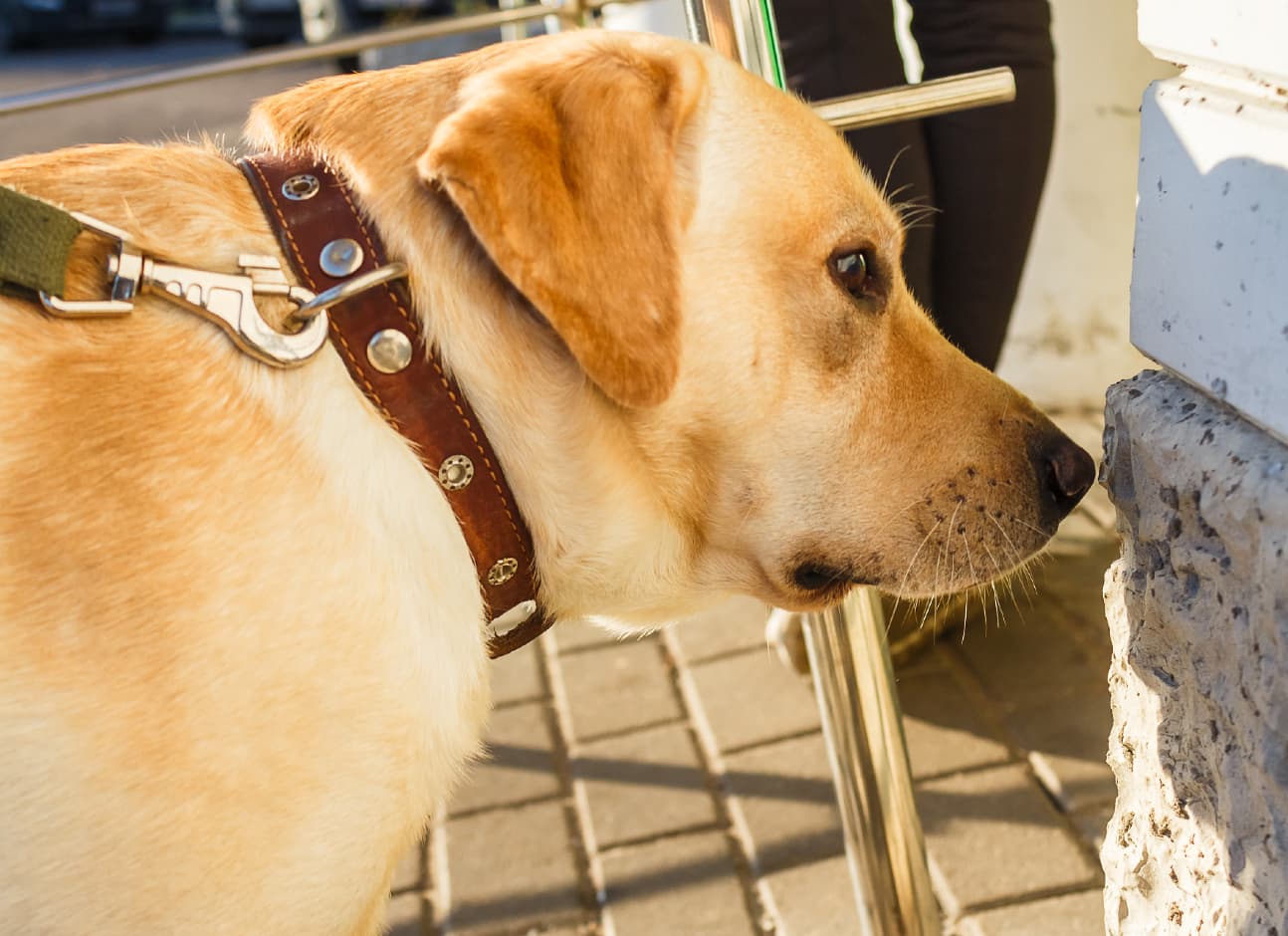
Image Source: modernvet.com
The Whispering Nose: Why Your Dog Sniffs You
Do you ever wonder why your dog always sniffs you when you walk in the door? Or why they poke their nose into every part of you? Your dog sniffs you to learn. They gather information. It is their way of saying hello and checking in. They use their amazing nose to find out where you have been. They learn who you have met. They even sense how you feel. This behavior is part of their deep nature. It shows how strong their sense of smell is.
Your Dog’s Nose: A Super Sensor
A dog’s nose is a true wonder. It is much better than a human nose. We have about 6 million scent cells. Dogs can have up to 300 million! This means their world is rich with smells. They experience life mainly through scent. This makes their canine olfactory behavior very special.
Imagine smelling a soup. You smell all the parts mixed together. A dog smells each part on its own. They smell the carrots, the chicken, the herbs. Each smell is clear to them. This ability helps them in many ways. It guides their actions. It helps them learn about their world.
They also have a special organ. It is called the Jacobson’s organ. Or the vomeronasal organ. It is in the roof of their mouth. This organ helps them find certain smells. These smells are often linked to other animals. This makes their sniffing even more powerful.
This super nose is why your dog is always sniffing. They are collecting data. They are reading the world around them. And you are a big part of their world.
Scent: The Dog’s Secret Language
Dogs talk through scent. It is their first language. They do not just smell things. They read smells. They leave scent messages for other dogs. They pick up scent messages from other dogs. This is called dog scent communication.
Think of it like this: You leave a trail of scent wherever you go. Your dog can read this trail. They know if you went to the park. They know if you met a cat. They know if you went to a new place. Every person, every animal, every object has a unique smell. This smell is like a fingerprint. Dogs are experts at reading these scent fingerprints.
They can tell many things from a smell:
- Who is it? Is it a friend, a stranger, or another animal?
- What have they been doing? Have they been running, sleeping, or eating?
- How do they feel? Are they scared, happy, or stressed?
- Are they healthy? Are there any new smells that show illness?
This secret language is always active. Even when you do not see it. Your dog is always listening with their nose. They are always talking with their scent. It is a big part of how they live.
Grasping Dog Greeting Rituals
When two dogs meet, what do they do? They sniff each other. They sniff bottoms, sides, and faces. This is a very important part of dog greeting rituals. It is how they say hello. It is how they learn about each other.
When your dog sniffs you, it is a similar ritual. You are part of their pack. They greet you like they would another dog. They want to know what you have been doing. They want to know who you have met. Your scent tells them a story.
Consider these common greetings:
- Coming home: Your dog sniffs you head to toe. They check your shoes, your pants, your hands. They smell if you hugged someone new. They smell if you patted another dog. They smell if you ate a new food.
- Waking up: They might sniff your breath. They might sniff your hair. They want to know if anything changed while you slept. They want to know you are still you.
These greetings are more than just sniffing. They are moments of deep connection. Your dog is checking your “status update.” They are also showing you their love. They trust you. They feel safe with you. This sniffing is a sign of their bond with you.
Pheromones: Hidden Messages
Dogs can smell things we cannot. This includes special chemicals called pheromones. Pheromones are like invisible messages. They are released by the body. They carry information. Pheromone detection is a key part of how dogs understand their world.
For example, mother dogs release a calming pheromone. This helps their puppies feel safe. Dogs also release pheromones when they are scared. Or when they are happy. These smells are not easy for humans to pick up. But dogs can smell them easily.
When your dog sniffs you, they might be smelling your pheromones. Your body makes small changes in these chemicals. These changes can be linked to your mood.
- Stress: If you are stressed, your body might release different pheromones. Your dog can sense this. They might try to comfort you.
- Happiness: If you are happy, your body gives off different scents too. Your dog might seem more playful.
- Fear: If you are afraid, your dog might sense this. They might become more protective. Or they might feel scared too.
This is why dogs often seem to know how you feel. It is not magic. It is their amazing nose. They are reading your hidden chemical messages. They are using their nose to feel what you feel.
Your Dog’s Info Hunt
Your dog is a born detective. Their main tool is their nose. Every sniff is part of dog information gathering. They are building a full picture of your life. They want to know all about you.
Think about what your dog learns from sniffing you:
- Where you’ve been: Did you go to the vet? To the dog park? To a friend’s house? Your shoes, clothes, and skin carry these scents.
- Who you’ve met: Did you shake hands with a new person? Did you pet another dog or cat? These scents cling to you. Your dog smells them.
- What you’ve touched: Did you handle food? Did you touch a new object? These scents transfer to you.
- How long ago: Your dog can even guess how fresh a scent is. They can tell if you just came from somewhere or if it was hours ago.
- What you’ve eaten: Bits of food smell might cling to your breath or clothes.
This constant information gathering helps your dog feel safe. They know what is going on. They know your routine. If something changes, they notice. This helps them adapt. It also helps them feel secure in their home. They are trying to keep up with your world.
Sniffing: A Core Dog Need
Sniffing is not just a polite habit for dogs. It is a deep-seated need. It is part of canine instinctual sniffing. Dogs are born to sniff. They need to sniff. It is as vital as eating or playing.
For a dog, sniffing is:
- Mental exercise: It makes them think. It uses their brain. It helps them solve problems. It is like a puzzle for them.
- Stress relief: Sniffing can calm a dog down. It focuses their energy. It makes them feel safe and in control.
- Exploration: It is how they learn about their world. It is how they explore new places. It is how they find out what is happening.
- Natural behavior: It is simply what dogs do. It is who they are.
If a dog cannot sniff, they might feel bored. They might feel stressed. They might even act out. This is why sniff walks are so important. Let your dog sniff. Give them time to explore with their nose. When they sniff you, let them do it. It is good for them. It helps them feel happy and calm. It also shows they are interested in you.
Scent Glands: The Scent Makers
Where do these smells come from? Dogs have special glands. These are called canine scent glands. They produce unique smells. These smells help dogs identify each other. They also help dogs mark their territory.
Humans also have scent glands. We have them in places like our armpits. We also have tiny glands all over our skin. These glands produce oils and sweat. These substances carry our unique scent.
When your dog sniffs you, they are checking these scent makers:
- Skin: Your skin is full of smells. It picks up odors from your day. It also releases your own unique body odor. Your dog can read all of this.
- Hair: Hair holds scent well. Your dog might sniff your hair. They might be looking for clues from your day.
- Feet/Shoes: Your feet and shoes touch the ground. They pick up many smells from outside. These are like a map for your dog.
- Groin/Ankles: These areas have more scent glands. They release stronger smells. This is why dogs often sniff these spots. They get a lot of information there.
These scent glands make each person unique. Your dog knows your scent. They can tell if it is you. They can also tell if something is different. This is how they keep tabs on you.
Sniffing for Health Clues
Dogs are amazing. Their noses can do even more. They can sense changes in your health. This is called dog medical alert behavior. It is a very special skill.
Some dogs are trained for this. They can sniff out:
- Diabetes: They can smell changes in blood sugar. They alert their owners if sugar levels are too high or too low.
- Cancer: Some dogs can sniff out certain types of cancer. They can do this even before doctors find it. They smell tiny changes in the body’s chemicals.
- Seizures: Some dogs can tell when a seizure is coming. They alert their person to get ready. They smell changes in body chemistry.
- Migraines: Like seizures, some dogs can sense the start of a bad headache.
When your dog sniffs you, they are not always looking for health issues. But their nose is capable of it. If your dog suddenly sniffs one spot on you a lot, pay attention. Especially if it is a new behavior. It might be nothing. But it could be their way of telling you something. They might be trying to tell you that something is different. This is a powerful part of their bond. It shows how much they care.
Sniffing Builds Bonds
When your dog sniffs you, it is a sign of love. It is part of dog bonding cues. This behavior helps make your connection stronger. It shows they trust you. It shows they feel safe with you.
Think about it:
- Affection: A gentle sniff can be like a hug. It is a quiet way for your dog to say, “I love you.”
- Comfort: When you are upset, your dog might sniff you. They are trying to understand. They are also trying to comfort you. They want to be close.
- Familiarity: Your scent is familiar to your dog. It means home. It means safety. Sniffing you helps them feel secure.
- Confirmation: They are confirming that you are still their person. That you are still safe. That nothing bad has happened.
This bonding is a two-way street. When you let your dog sniff you, you are letting them in. You are showing them you trust them too. This helps build a deeper connection. It makes your relationship stronger. It shows them you are a team.
Seeking Comfort Through Sniffing
Sometimes, your dog sniffs you because they need comfort. This is dog seeking reassurance. Dogs feel things just like people do. They can feel scared. They can feel unsure. When they do, they often turn to you.
Consider these times your dog might seek comfort:
- New places: When you go to a new house, your dog might sniff you more. They are looking for your familiar scent. It helps them feel safe in a strange place.
- Loud noises: Thunderstorms or fireworks can be scary. Your dog might lean on you and sniff you. Your scent is their anchor. It tells them you are there.
- New people or animals: If a stranger visits, your dog might sniff you. They are checking if you are okay with this new person. They are looking for your approval.
- After being alone: When you come home, they sniff you a lot. They are happy you are back. They are also checking to make sure everything is okay.
Your scent is like a warm blanket for your dog. It tells them, “Everything is fine. I am here. You are safe.” This sniffing is a cry for comfort. It is a sign they rely on you. It is a beautiful part of their bond.
Specific Sniffing Spots
Your dog might sniff different parts of your body. Each spot can give them different clues.
Sniffing Your Face and Breath
When your dog sniffs your face, it is a close-up check. They get a direct line to your breath. Your breath can tell them about:
- What you ate: Did you just have a snack?
- Your general health: Are there any new smells?
- Your stress levels: Your breath can change with stress.
They might also be looking at your eyes. They read your facial cues. It is a very personal greeting.
Sniffing Your Hands
Your hands touch many things. They pick up many smells. When your dog sniffs your hands, they learn about:
- What you touched: Did you pet another animal? Did you handle food?
- Recent activities: Did you just open a package? Did you use hand cream?
Your hands are a rich source of info for your dog.
Sniffing Your Legs and Feet
Your legs and feet are closest to the ground. They pick up the most “outdoor” smells. When your dog sniffs here, they are learning about:
- Where you’ve been: Did you walk through grass? Puddles?
- Other animals: Did you step where another animal left a scent mark?
- The environment: What chemicals, plants, or surfaces have you been near?
This is like reading a mini-map of your day.
Sniffing Your Groin Area
This might seem strange to us. But dogs have good reasons for it. This area has many apocrine glands. These glands release strong pheromones. These smells tell dogs about:
- Reproductive status: For other dogs, this tells them if a dog is male or female, and if they are ready to mate.
- Personal identity: The unique mix of pheromones here is very specific to each person. It is like a strong ID tag.
- Emotional state: Pheromone changes can show if you are nervous or relaxed.
For your dog, this is like reading your very own ID card. It is a normal, natural behavior for them. It is not rude in their world.
When Sniffing Is Much
Most sniffing is normal and good. But sometimes, a lot of sniffing can mean something else.
Sudden or Obsessive Sniffing
If your dog suddenly sniffs one spot on you often, pay attention. Especially if it’s a new thing. It could be nothing. But it could be a sign they sense a change. This might be a very early sign of:
- A new smell: Perhaps a chemical you touched, or something on your clothes.
- A health change: Very rarely, it could be a sign of a medical issue. Dogs have sensed things like skin cancers or changes in blood sugar. If you are worried, talk to your doctor.
- Your mood: They might be sensing a change in your stress levels.
Do not panic. Just be aware. If you are concerned, watch other behaviors. Talk to your vet if you have worries.
Sniffing as a Sign of Stress or Anxiety
Sometimes, dogs sniff more when they are stressed. They might sniff the floor a lot. Or they might sniff you over and over. This is a self-soothing behavior. It helps them feel calm. If you see this, try to figure out what is stressing them. Give them comfort. Give them space.
Responding to Sniffs
How should you act when your dog sniffs you?
- Allow it: For the most part, let them sniff. It is natural. It is good for them. It helps them learn.
- Speak calmly: Use a gentle voice. Say “Hello.” This tells them you are happy they are doing their thing.
- Pet them: Once they are done sniffing, give them a loving pet. This rewards their check-in. It builds your bond.
- Do not push them away: Unless it is truly too much. Try not to stop them. It can make them feel confused. It can also make them feel rejected.
- Respect their space: Sometimes, dogs just want to sniff. They do not always want to be picked up or hugged right away. Give them a moment.
Letting your dog sniff you is a loving act. It helps them live fully. It helps them feel connected to you. It helps them feel safe.
The Silent Story of Every Sniff
Your dog’s nose is truly amazing. It is their main tool for living. When your dog sniffs you, they are not just being curious. They are gathering vital info. They are reading your life story. They are sensing your feelings. They are building a deeper bond.
Every sniff is a moment of dog scent communication. It is part of their dog greeting rituals. They use pheromone detection to learn about your mood. They are engaged in dog information gathering. This is part of their canine instinctual sniffing. They are even using their canine scent glands to leave their own messages.
Your dog is telling you, “I love you. I want to know about your day. I am here for you.” The next time your dog nudges their nose into you, remember this. They are not just sniffing. They are listening. They are caring. They are connecting. It is a powerful act of love.
Common Questions About Dog Sniffing
Why does my dog sniff my private parts?
Dogs sniff private parts because those areas have strong scent glands. These glands release many pheromones. These pheromones carry a lot of information. They tell your dog about your identity. They also tell them about your mood. It is how dogs get a lot of information about each other. It is a natural way for them to greet.
Why does my dog sniff my feet so much?
Your feet and shoes pick up many scents from the ground. They are like a map of your day. Dogs sniff your feet to learn where you have been. They learn who you have met. They learn what surfaces you walked on. It gives them a lot of “outside world” info.
Can dogs smell sickness in humans?
Yes, dogs can often smell sickness in humans. Their noses are very sensitive. They can detect tiny changes in body odors. These changes can be linked to certain diseases. Some dogs are trained to detect specific illnesses like cancer or diabetes. If your dog suddenly sniffs one spot on you often, it’s good to pay attention. But most sniffing is not about sickness.
Is it bad if my dog doesn’t sniff me?
It is not necessarily bad if your dog does not sniff you a lot. Some dogs are less focused on scent. Some are more visual or touch-focused. However, if a dog that used to sniff you stops, it could be a small change. It might mean they are not feeling well. Or they could be stressed. Watch for other changes in their behavior. If you are worried, talk to your vet.
Should I let my dog sniff everything on walks?
Yes, you should let your dog sniff everything on walks, within reason. Sniffing is very important for dogs. It helps them learn. It calms them down. It is mental exercise. Give them time to explore with their nose. Do not rush them. Just make sure it is safe to sniff the area. Make sure they do not eat anything harmful.
Why does my dog sniff me after I shower?
After a shower, your natural scent changes. Soap and shampoo smells are strong. Your dog sniffs you to confirm it is still you. They are checking your unique personal scent. They want to make sure you are still familiar to them. It is like a “scent reset” check.