
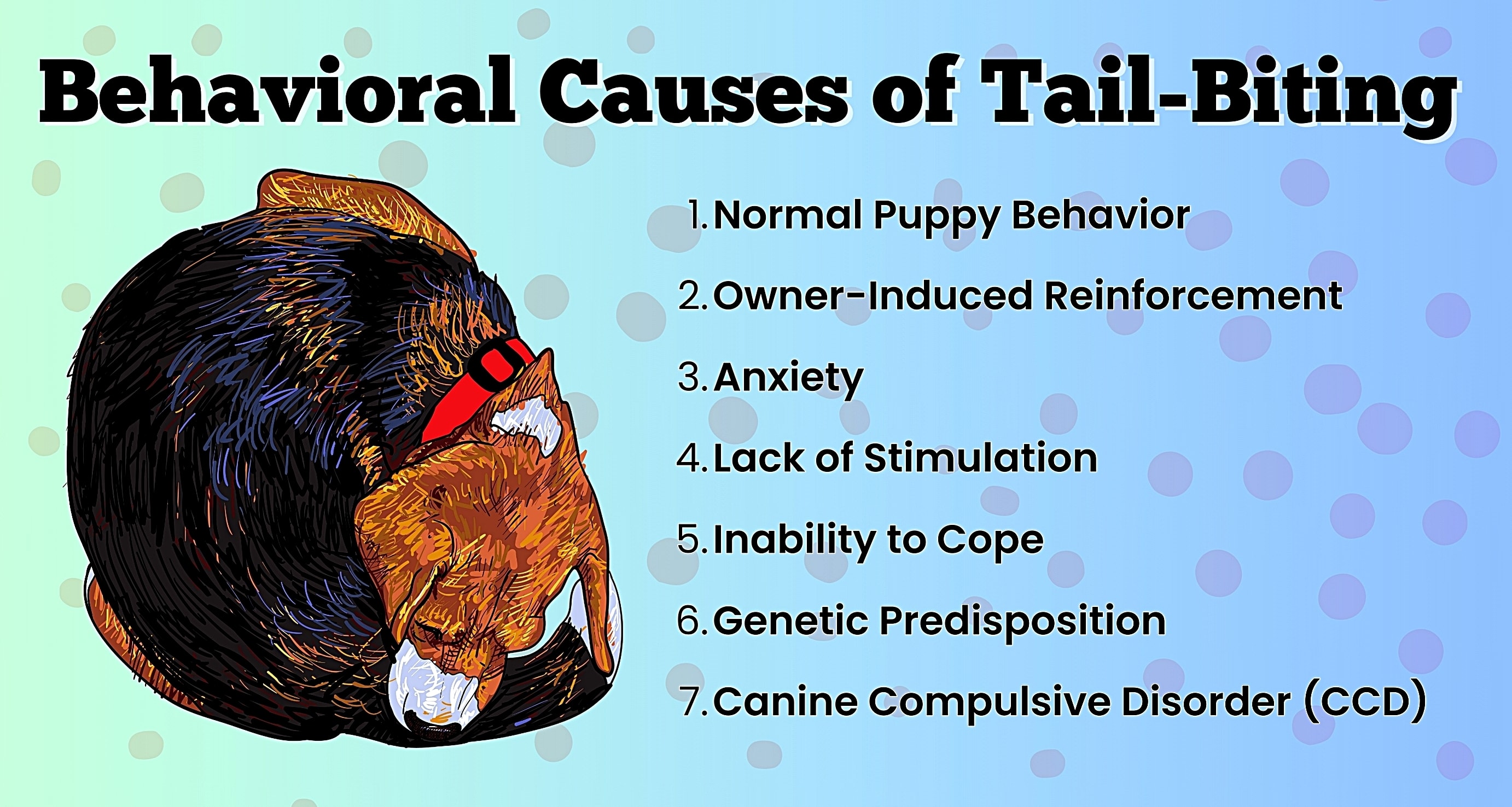
Image Source: pethelpful.com
Causes & Solutions: Why Does My Dog Keep Biting His Tail
Does your dog bite or chew his tail a lot? This is not just a weird habit. It often means something is wrong. Dogs bite their tails for many reasons. It can be a medical problem like itchy skin or pain. It can also be a feeling problem like stress or boredom. Finding out why is the first step. Getting the right help for your dog is important. We will look at the main reasons dogs bite their tails. We will also look at how you can help them stop. These are the main dog biting tail causes and dog chewing tail reasons.
Why Dogs Bite Their Tails: The Main Reasons
Dogs cannot talk to tell us when they hurt or feel bad. They show us with their actions. Biting or chewing their tail is one way they try to tell us something. It feels good to them for a moment. It takes away a bad feeling. But it does not fix the real problem. It is like scratching an itch. Biting the tail can even make things worse. It can cause sore spots or harm the skin. There are two main groups of reasons for this. They are physical problems and behavioral problems.
Physical Problems That Make Dogs Chew
Many times, a dog bites his tail because something on or near his tail feels wrong. It could be itchy, sore, or just feel strange. These are often the easiest problems to fix once you know what they are.
Tiny Troubles: Fleas and Other Pests
Fleas are tiny bugs that live on dogs. They bite dogs’ skin to eat blood. This makes dogs very itchy. Many dogs are allergic to flea spit. This is called a flea allergy dog tail. Just one flea bite can make a dog very, very itchy for days. Fleas like warm spots. The base of a dog’s tail is a favorite spot for fleas to hang out. If your dog bites or chews his tail a lot, check for fleas.
- How to check for fleas:
- Use a fine comb (a flea comb) near the tail base. Comb the fur backwards. Look for small, fast-moving brown bugs.
- Look for “flea dirt.” This looks like black pepper flakes on the skin or fur. It is flea poop. If you put it on a wet paper towel, it will turn red. This shows it has blood in it.
- Other pests: Mites can also cause itchy skin. Some mites cause mange. Lice are another type of bug. Your vet can test for these if you do not see fleas.
Skin Deep Discomfort: Rashes and Sores
Dogs can get skin problems on their tail or back end. These can cause a lot of itching or pain.
- Hot spots: These are red, wet, sore patches on the skin. Dogs make them worse by licking, chewing, and biting the spot. A
hot spot on dog tailstarts small. The dog bites it because it itches or hurts. Biting makes it bigger and wetter. It becomes a cycle. Hot spots can grow very fast. - Skin infections: Bacteria or yeast can grow on a dog’s skin. This happens more easily if the skin is wet or hurt (like from biting). A
skin infection dog tailmakes the tail itchy, red, smelly, or sore. The skin might look crusty or oily. - Allergies: Dogs can be allergic to things in their food, the air, or things they touch. Allergies often make a dog’s skin itchy. The itch can be all over. But sometimes it is worse in certain spots like the tail area.
- Food allergies: The dog reacts to something in their food, usually a protein.
- Environmental allergies: The dog reacts to pollen, dust mites, mold, etc. These are like hay fever in people, but they show up as itchy skin in dogs.
- Contact allergies: Less common, but a dog might react to something touching their skin, like certain types of bedding or plants.
- Other skin issues: Dry skin, dandruff, or even just trapped dirt can make a dog itch his tail.
Backside Blues: Problems with Anal Glands
Dogs have two small sacs near their anus. These are called anal glands. They make a strong-smelling liquid. Dogs empty these glands when they poop. This helps them mark their territory.
Sometimes, these glands do not empty right. They can become:
* Full or impacted (blocked).
* Infected.
* Have an abscess (a pocket of pus).
Problems with anal gland issues dog are painful and uncomfortable. A dog might scoot their bottom on the ground. They might lick or bite near their bottom or their tail. This is because the tail area is close to the anal glands. The dog feels the discomfort there.
Hurts Here and There: Pain and Injuries
Pain anywhere near the tail can make a dog focus on that area. They might bite the tail itself. Or they might bite the area around it.
- Tail injuries: A dog can hurt their tail. They can break it. They can get a cut or scrape on it. They can sprain it (like “happy tail” where they hit it hard on things). Any injury will cause
dog tail pain symptoms. The dog bites the tail to try and ease the pain or because it feels strange. - Back or hip pain: Pain in the lower back or hips can sometimes feel like it is coming from the tail area. This is called referred pain. The dog might bite their tail because they feel discomfort nearby.
- Nerve problems: Sometimes, nerves near the tail can be damaged or irritated. This can cause tingling, numbness, or pain. It is an unusual feeling. The dog might bite the tail because of this weird feeling. An old injury to the spine or tail can sometimes cause nerve issues later.
Other Health Issues Causing Itching or Pain
Less common medical issues can also lead to tail biting:
* Growths or tumors on the tail or nearby area.
* Worms or other internal parasites that cause irritation around the anus.
* Spinal problems that affect the tail’s nerves.
Mind Matters: Behavioral Reasons for Biting
If the vet checks your dog and finds no physical problem, the reason for tail biting might be behavioral. This means it comes from the dog’s feelings or thoughts. It is a dog behavioral issues tail.
Feeling Worried: Stress and Anxiety
Just like people bite their nails when stressed, dogs might bite their tails. dog anxiety tail biting is common. This can happen when a dog feels:
* Separation anxiety: The dog gets very upset when left alone.
* Fear: Loud noises (like thunder or fireworks), new places, or new people can make a dog scared.
* General stress: Changes at home, conflict, or feeling unsure about something can cause stress.
Biting the tail can be a way for the dog to cope. It gives them something to do. It might release some tension for them. Other signs of anxiety might be:
* Pacing
* Shaking
* Yawning a lot (when not tired)
* Licking their lips a lot (when not thirsty)
* Tucked tail (even when not biting it)
* Hiding
* Not wanting to eat
Cannot Stop: Repetitive Behaviors
Some dogs develop behaviors they repeat over and over. This is sometimes called a compulsive disorder. It is like a dog version of OCD in people. compulsive tail chasing dog is a common type of this. The dog chases and chases their tail in circles. Sometimes this chasing leads to biting. The biting itself can become part of the compulsive behavior. Other dog behavioral issues tail might involve specific licking or biting patterns that seem out of control.
Why do dogs develop these?
* They might start because of a medical issue (like pain or itching) that goes away, but the behavior stays.
* It might be linked to stress or frustration.
* Some breeds might be more likely to have these issues.
These behaviors are hard for the dog to stop on their own.
Nothing to Do: Boredom and Lack of Fun
Dogs need things to do. They need exercise for their body and their mind. If a dog is bored, he might find his own fun. This can sometimes be biting his tail. This is especially true for smart or high-energy dogs that do not get enough walks, playtime, or puzzles. Tail biting is just a way to pass the time.
Signs of boredom can include:
* Chewing furniture or shoes.
* Digging holes.
* Barking a lot for no clear reason.
* Being pushy or seeking attention constantly.
Getting Attention: Learned Habits
Sometimes, a dog might start biting their tail for a physical or emotional reason. But then, they learn that when they do it, you pay attention to them. You might say their name, go over to them, or try to stop them. For some dogs, any attention is good attention. So, they keep biting their tail to get you to notice them. This makes it a learned habit. The dog is not doing it because it hurts or because they are stressed anymore. They are doing it because it works to get your attention.
This is less likely to be the start of the behavior, but it can make it happen more often.
Figuring Out Why Your Dog Bites His Tail
It is very important to find out why your dog is biting his tail. You cannot help him stop unless you know the cause.
What You Can See At Home
Watch your dog closely. Think about these things:
* When does he do it? Does it happen when he is alone? When you are getting ready to leave? When he hears a loud noise? When he has not had a walk? When he is just lying around? Does it happen after he poops?
* How does he do it? Is it a quick nip? Is it hard biting and pulling fur? Is he just licking a spot? Is he chasing his tail first?
* Does he seem bothered by his tail at other times? Does he hold it strangely? Does he whine if you touch it? Does he lick it a lot?
* What does his tail area look like? Lift his tail gently. Look at the skin. Do you see red spots, a rash, bumps, fleas, or dirt? Does it smell bad?
* Has anything changed recently? New food? Moved house? New person or pet in the home? Change in your work schedule?
Write down what you see. This information will help your vet a lot.
Why a Vet Visit is Key
You can look for fleas or visible skin issues at home. But you cannot truly know the cause without a vet. A vet can:
* Give your dog a full physical check-up.
* Check for fleas and other parasites in ways you might not be able to.
* Look at your dog’s skin closely. They can take samples (like a skin scraping or hair sample) to look at under a microscope. This helps them find mites or signs of infection (skin infection dog tail).
* Check your dog’s anal glands (anal gland issues dog). They can empty them or check if they are infected.
* Check your dog’s tail for pain or injury (dog tail pain symptoms). They might feel for broken bones or sore spots.
* Check your dog’s movement and spine for signs of other pain.
* Talk to you about your dog’s behavior and what you have seen.
* If they think it is behavioral, they can rule out medical causes first. This is very important. You do not want to treat for anxiety if the real problem is a painful injury or bad itch.
Do not just guess what is wrong. See your vet. They are the best person to find the real reason your dog is biting his tail.
Helping Your Dog Stop Biting His Tail: Solutions
Once you know why your dog is biting his tail, you can start to help him. The solution depends on the reason. Often, you need to do more than one thing to fix the problem.
Fixing Physical Problems
If your vet finds a medical cause, treating that cause is the most important thing.
Getting Rid of Pests
- Fleas: Your vet will give you medicine to kill fleas. This might be a pill, a liquid put on the skin, or a special collar. You also need to treat your home to get rid of flea eggs and babies in carpets and bedding. This stops them from coming back. If your dog has a
flea allergy dog tail, getting rid of all fleas is extra important. Even one bite is a problem. - Mites or Lice: Your vet will give you specific medicine for these tiny bugs.
Treating Skin Issues
- Hot spots: The vet will likely clean the
hot spot on dog tail. They might shave the fur around it. This helps air get to it. It helps medicine work better. They will likely give you medicine for the skin (like a cream or spray). They might also give your dog pills to help with the infection or swelling. Keeping the dog from licking the spot is key (more on this later). - Skin infections: The vet will give medicine, often pills (like antibiotics for bacteria or anti-fungal medicine for yeast). They might also give medicated shampoos or sprays for the skin.
- Allergies: This is harder to treat completely.
- Food allergies: Your vet might suggest a special diet trial. You feed your dog a food with protein they have never eaten before, or a food where the protein is broken down small. You must feed only this food for several weeks. No treats or other food. If the itching stops, it was likely a food allergy.
- Environmental allergies: Treatment can include medicine to stop itching (like pills or shots), special shampoos, or even allergy shots (immunotherapy) over time.
- Other skin issues: The vet will give the right treatment based on the specific problem.
Helping Anal Glands
- If the glands are full, the vet can empty them.
- If they are infected, the vet will give antibiotics.
- If there is an abscess, it might need draining and cleaning.
- For dogs with ongoing
anal gland issues dog, you might need to have the vet or a groomer empty them often. High-fiber food can sometimes help glands empty on their own.
Caring for Pain or Injury
- Tail injuries: The vet will treat the specific injury. This might mean cleaning a wound, wrapping a sprain, or in bad cases, surgery or even removing part of the tail. Pain medicine will be given for
dog tail pain symptoms. - Other pain (back, hip, nerve): The vet will find the source of the pain. They will give pain medicine. They might suggest other things like special exercises, physical therapy, or acupuncture.
Helping With Behavioral Problems
If the vet says there is no physical reason, then you work on the behavioral causes. This often takes more time and effort.
Making Anxiety Better
- Identify triggers: Figure out what makes your dog anxious.
- Avoid triggers when possible: If loud noises are the problem, create a safe, quiet space for your dog during storms or fireworks.
- Training: Work on building your dog’s confidence. Teach them to be calm in different situations.
- Desensitization and counter-conditioning: This means slowly getting your dog used to the thing that makes them anxious. At the same time, you create a positive feeling (like giving treats). For separation anxiety, you might practice leaving for very short times and coming back before the dog gets stressed.
- Increase exercise and mental work: A tired dog is often less anxious. Give them plenty of walks and playtime. Use puzzle toys to make them think.
- Create a safe space: Give your dog a den or crate where they feel safe.
- Medicine: For severe anxiety, your vet might prescribe medicine. This is not a cure, but it can help lower the anxiety level. This makes the dog able to learn better from training. You might work with a certified veterinary behaviorist (a vet who is an expert in animal behavior) for anxiety.
Dealing With Repetitive Actions
- Rule out medical first: This is a must for compulsive behaviors (
compulsive tail chasing dog). - Do not reward the behavior: Do not give attention, yell, or try to stop the dog physically while they are doing it. This can make it worse.
- Interrupt and redirect: If you see your dog about to start, or in the early stages, gently call their name. When they stop, ask them to do a simple trick (like “sit” or “paw”) and give them a reward. Give them a safe toy to chew or play a game. You are trying to stop the bad behavior and start a good one instead.
- Increase structure and activity: Make sure your dog has a predictable routine. Give them plenty of exercise and mental challenges to use their energy in good ways.
- Reduce stress: Find things that stress your dog and try to lessen them.
- Medicine: Compulsive disorders often need medicine to help the dog control the urge to do the behavior. A veterinary behaviorist is often needed to manage these cases.
- Avoid triggers: Try to figure out if certain times or places trigger the tail chasing/biting.
Adding More Fun to Their Day
- More exercise: Make sure your dog gets enough walks and runs. High-energy dogs need more.
- More playtime: Play fetch, tug, or other games.
- Puzzle toys: Toys that make the dog work for food or treats are great for mental exercise.
- Training: Keep training sessions short and fun. Teach new tricks. This makes your dog think.
- Chew toys: Provide safe, fun things for your dog to chew on besides his tail.
Stopping the Biting Right Now
While you are figuring out the cause and starting treatment, you need to stop your dog from biting his tail. This prevents more injury and stops the behavior from becoming a habit.
Using a Cone or Collar
An Elizabethan collar (E-collar), often called a “cone,” is a plastic cone that goes around your dog’s neck. It stops them from reaching their tail (or other body parts) to lick or bite. This is very important if there is a hot spot on dog tail or other skin problem. It lets the spot heal. Make sure the cone is the right size so they cannot get around it. There are also softer cone types or inflatable collars that might be more comfortable for some dogs.
Taste Deterrents
Bitter sprays are liquids that taste very bad to dogs. You can spray them on the tail or the area the dog is biting. When the dog tries to bite, he gets a bad taste. This might make him stop.
* Caution: Some dogs do not care about the taste. Some dogs might even like it. Always watch your dog when you first use it. Make sure it does not make them panic or bite more. Do not use it on open wounds or very sore skin unless your vet says it is okay.
Working With Experts
Getting help from professionals gives your dog the best chance to stop biting his tail.
- Veterinarian: Always start here. They find or rule out medical causes. They treat physical problems. They can guide you on behavioral issues and might send you to a specialist.
- Certified Applied Animal Behaviorist (CAAB) or Certified Veterinary Behaviorist (Dip ACVB): These are experts in animal behavior. A veterinary behaviorist is also a vet. They are best for complex behavioral problems like severe anxiety or compulsive disorders (
dog behavioral issues tail,compulsive tail chasing dog). They can create a detailed plan for behavior change and may use medicine along with it. - Certified Professional Dog Trainer (CPDT-KA or CPDT-KSA): A good positive reinforcement trainer can help with basic obedience, building confidence, increasing mental stimulation, and managing mild anxiety. Make sure they use kind, positive methods.
Living With a Dog Who Bites His Tail (Prevention & Management)
Even after the main problem is treated, some dogs might try to bite their tail again, especially if it was a long-standing behavioral issue. Ongoing steps can help prevent it from coming back.
- Keep up with parasite control: Use flea and tick prevention year-round.
- Regular vet check-ups: Your vet can catch potential medical issues early.
- Watch for signs of pain or discomfort: If your dog seems sore, acts differently, or protects his tail, get it checked. Look for
dog tail pain symptoms. - Manage allergies: If your dog has allergies, work with your vet on a long-term plan. This might involve special food, medicine, or allergy shots.
- Provide plenty of exercise: Make sure your dog’s energy needs are met every day.
- Offer mental stimulation: Use puzzle toys, rotate toys, teach new things, or try dog sports. Keep their mind busy.
- Reduce stress: Learn your dog’s stress signals. Try to avoid or work through stressful situations. Create a calm home.
- Do not accidentally reward the behavior: If your dog bites his tail, try not to rush over and give him lots of worried attention. Instead, try to distract him before he gets deep into the behavior. If he is already doing it intensely, safely interrupt (like making a noise or gently calling his name from a distance) and redirect him to something else if he stops for a moment. Giving a calm command like “sit” and rewarding that is better than focusing on the biting.
- Be patient: Behavioral changes take time. Be consistent with your plan.
- Keep communication open with your vet or behaviorist: Let them know how your dog is doing and if the plan is working.
When To Ask For Help
You should always ask for help from your vet if your dog starts biting or chewing his tail often or for a long time.
Get help right away if:
* Your dog suddenly starts biting his tail and seems very bothered.
* You see blood, open sores, swelling, or a bad smell on the tail.
* Your dog seems to be in pain (dog tail pain symptoms).
* The biting is causing hair loss or skin damage.
* The behavior seems intense or hard for the dog to stop (compulsive tail chasing dog).
* You have tried simple things (like checking for fleas) and the biting continues.
Ignoring tail biting is not good for your dog. It can lead to bad infections or make behavioral problems worse. Getting a proper diagnosis from a vet is the most important first step to helping your dog feel better.
Questions People Often Ask
Can tail biting be a sign of something serious?
Yes, it can. Tail biting can be a sign of pain, bad infections (skin infection dog tail), severe allergies, impacted anal glands (anal gland issues dog), or even complex behavioral issues like anxiety (dog anxiety tail biting) or compulsive disorders (compulsive tail chasing dog). It is important to find the cause instead of ignoring it.
How can I stop my dog from biting his tail at night?
If your dog bites his tail mostly at night, it could be due to itching that is more noticeable when things are quiet, or anxiety that happens when you are not actively with him. Make sure there are no physical causes like fleas or skin issues. Try giving a safe chew toy at bedtime. If it seems like anxiety, talk to your vet about managing nighttime worries. A cone can also stop biting at night while you figure out the cause.
Is tail chasing always a problem?
Puppies sometimes chase their tails as play. This is usually normal and they grow out of it. However, if an adult dog chases their tail a lot, cannot stop, gets angry or scared while doing it, or bites and hurts themselves, it might be a sign of a compulsive disorder (compulsive tail chasing dog) or another issue. If the chasing is frequent, intense, or leads to biting, ask your vet.
My dog bit his tail and made it bleed. What should I do?
Clean the wound gently with warm water and a mild soap safe for dogs (or just plain water). Stop the bleeding with gentle pressure. Put a cone on your dog right away so he cannot bite it again. Call your vet. The wound needs to be checked for infection and you need to find out why he bit hard enough to bleed.
Can changing my dog’s food help with tail biting?
If your dog has food allergies that cause itchy skin (dog biting tail causes related to allergies), changing to a special diet under vet guidance can help a lot. However, changing food will not help if the cause is fleas, pain, or a behavioral problem. Always talk to your vet before changing your dog’s food to treat a medical issue.
Does tail docking prevent tail biting?
Tail docking (removing part or all of a dog’s tail) is often done for breed standards or in working dogs for safety reasons. It is a surgery. It does not prevent behavioral tail biting or compulsive disorders. Some dogs who have had their tails docked still show obsessive behaviors towards the stump. It also does not prevent medical issues like anal gland problems or skin issues near the tail area. Tail docking is a complex topic and is restricted in many places. It is not a solution for tail biting problems.
Tail biting in dogs is a signal. Your dog is telling you he needs help. By working with your vet and giving your dog the right care, you can help him feel better and stop this harmful behavior.