
Does your dog keep biting her tail? Many dogs lick or chew their tails sometimes. But if your dog bites her tail a lot, it can be a sign of a problem. Why does your dog keep biting her tail? It could be many things. It might be something simple like an itch. Or it could be something more serious like pain, an infection, or feeling worried. Figuring out why she is doing it is important. You need to find the cause to help her stop. This is why it’s key to look closely at dog tail biting causes.
Sometimes, dog tail chewing is just a quick thing. Maybe there is a tiny itch. But if it happens a lot, or if she bites hard, pay attention. A dog might bite her tail for many reasons. We will look at the main ones here.
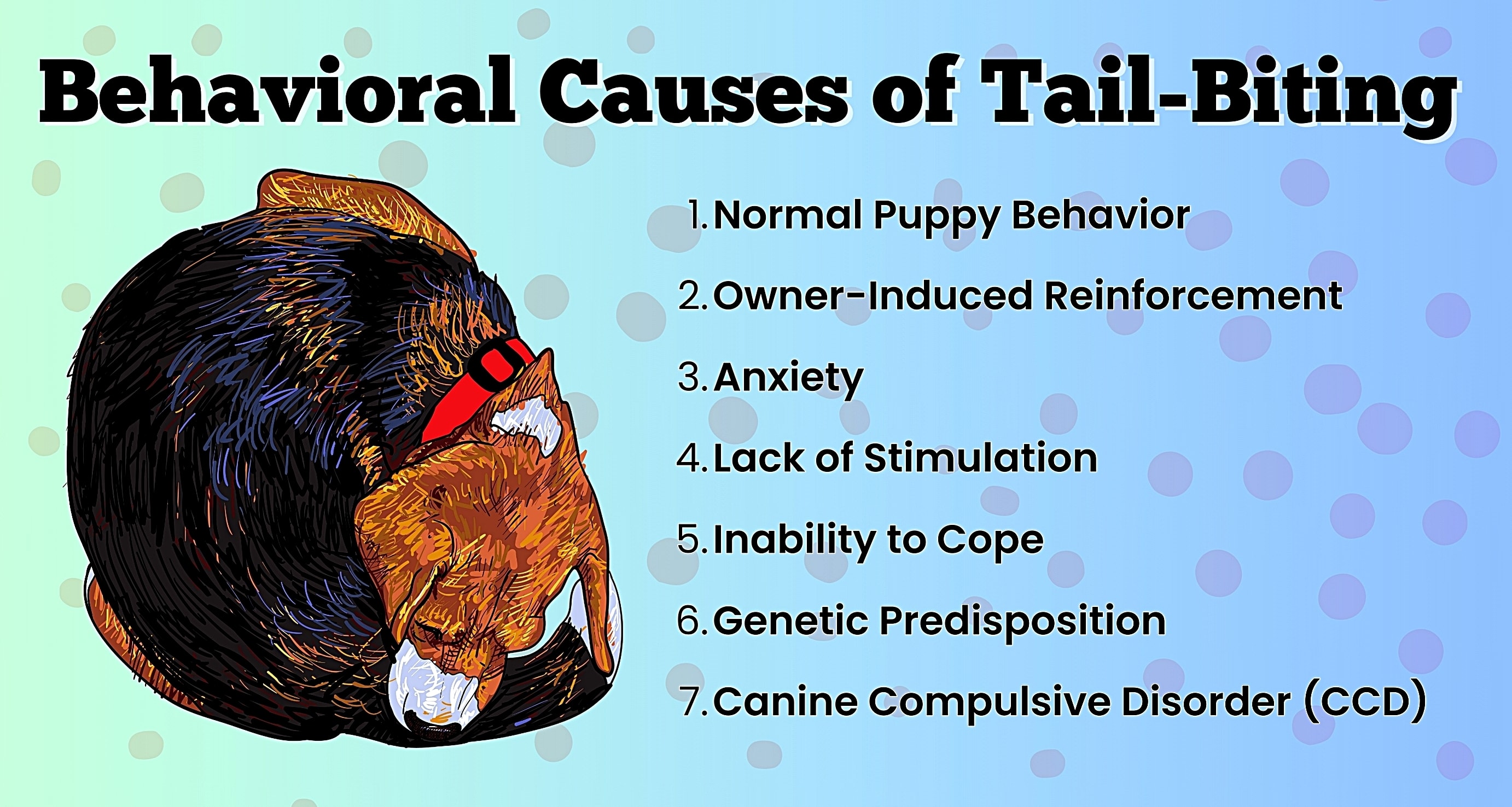
Image Source: pethelpful.com
Physical Reasons Your Dog Bites Her Tail
Dogs often bite things because they feel something is wrong with their body. They might feel pain. They might feel itchy. They might feel something crawling on them. When a dog bites her tail, a physical problem is a common cause.
Pain in the Tail Area
Is your dog biting the end of her tail? Or maybe closer to her body? Pain in or near the tail is a big reason dogs bite. If it hurts, a dog might bite or chew that spot. It’s like we might rub a sore arm. But dogs use their mouths.
Could It Be an Injury?
A dog’s tail can get hurt. It can get shut in a door. It can get stepped on. It can get hit by something. A dog might break a bone in her tail. Or maybe just hurt the skin. If there is a dog tail injury, it will hurt. Your dog might bite or chew the spot that hurts. The pain tells her something is wrong there.
Look at your dog’s tail carefully. Does it look bent funny? Is there a cut? Is there swelling? Is it hot to touch? Does she cry when you touch it? These are signs of an injury. Even a small cut can hurt. A deep cut can hurt a lot. A broken tail bone is very painful. A hurt tail needs a vet visit. A vet can check for breaks. A vet can clean cuts. They can give medicine for pain. Treating the dog tail injury is key. It will help stop the biting.
Could It Be an Infection?
Sometimes, a small injury can get infected. Germs can get into a cut. This causes a dog tail infection. The infection can make the area sore. It can make it swell. It can make it itchy and painful. Your dog might bite the tail because it hurts or itches. A dog can also get an infection in the skin of her tail even without a cut. This can happen if the skin gets wet a lot. Or if she already has skin problems.
An infected tail might look red. It might have pus. It might smell bad. The hair might fall out. It will likely hurt your dog. A dog tail infection needs medicine. Often, a vet will give antibiotics. These are medicines that kill germs. Sometimes, they need cream for the skin too. Getting rid of the infection helps the tail heal. This stops the biting.
Problems with Anal Glands
Okay, this one is a bit different. Anal glands are little sacs near a dog’s bottom. They make a strong smell. Dogs use this smell to tell others about themselves. Think of it like a dog’s ID card. These glands can get full. Or they can get infected. When they hurt, a dog might bite or chew at her tail or bum area.
She might lick her tail a lot. She might drag her bum on the floor. She might bite her tail or bum. This is because the pain from the anal glands makes the whole area feel bad. It makes her want to chew there. Problems with anal glands are common. A vet can help empty them. If they are infected, the vet gives medicine. Fixing the anal gland issue often stops the tail biting related to it.
Itchiness and Skin Problems
An itchy tail is a big reason for dog tail chewing and dog licking tail. If something makes your dog’s tail itch, she will try to stop the itch. She might lick it first. If that doesn’t work, she bites it. Biting can feel good for a moment because it stops the itch. But it can hurt the skin. This makes it worse later.
Pesky Parasites
Tiny bugs that live on the skin can make your dog very itchy. Fleas are a common one. Fleas love to live near a dog’s tail and bum area. When fleas bite, it makes the skin itchy. Your dog will bite or chew her tail to scratch the itch. Even if you don’t see fleas, she might have them. Some dogs are very allergic to flea bites. Just one bite can cause a lot of itching.
Mites are another type of tiny bug. Some mites cause skin problems like mange. They dig into the skin. This makes the skin very itchy. If mites are on the tail, your dog will bite it.
Checking for bugs is important. Look for little black dots (flea dirt) on her skin or fur. These are flea poops. A vet can test for mites. Medicine kills these bugs. Regular flea and tick medicine helps stop them. Stopping the bugs stops the itch. This helps stop the biting. An itchy dog tail is often caused by these little pests.
Dry or Irritated Skin
Just like people, a dog’s skin can get dry. Dry skin can be itchy. This can happen in the winter when the air is dry. Or if you give her too many baths. Or use the wrong shampoo. If her tail skin is dry, it can make her bite it.
Other things can irritate skin. Maybe something she walked through outside. Maybe her bedding. If the skin on her tail gets red or bumpy, it will itch. She will bite it to try and make the itch go away.
Using a good dog shampoo helps. Don’t bath her too often. Skin creams or sprays for dogs can help dry skin. Finding what is irritating her skin is key.
Allergies – A Big Itch Cause
Dog allergies are very common. Allergies make a dog’s skin itchy. This can be all over her body. Or it can be in certain spots, like the paws, ears, or tail. When a dog has an allergy, her body overreacts to something harmless. This makes the skin itchy.
There are two main types of dog allergies that cause itching:
- Food Allergies: This is when a dog is allergic to something in her food. Often, it’s a type of meat or grain. A food allergy can make skin itchy all over. This includes the tail. If your dog bites her tail a lot and has tummy problems too, it might be food allergies.
- Environmental Allergies: These are allergies to things outside or inside. Like pollen from plants, dust mites, or mold. These allergies often get worse at certain times of the year. Or they might be bad all year. If your dog is allergic to pollen, she might itch more in spring or summer. Environmental allergies make the skin very itchy. The tail area is one place this shows up.
If your dog has an itchy dog tail because of allergies, she will bite it. The biting can make the skin raw. It can lead to a raw tail dog. Allergies need help from a vet. The vet can suggest tests to find out what your dog is allergic to. They might suggest trying a special food. They might suggest medicine to stop the itching. Or shots for the allergies. Getting allergies under control helps stop the biting caused by the itch.
Let’s summarize some physical causes with a table:
| Cause | What It Is | How It Leads to Biting | What to Look For | What to Do |
|---|---|---|---|---|
| Injury | Tail gets hurt (cut, break, bruise) | Pain makes dog bite/chew hurt spot | Limping, crying when touched, swelling, cuts, bent tail | See a vet right away |
| Infection | Germs in skin or wound on tail | Pain, itchiness from infection make dog bite | Redness, swelling, pus, bad smell, hair loss, pain | See a vet for medicine (antibiotics) |
| Anal Glands | Glands near bum get full or infected | Pain/discomfort makes dog bite near tail/bum | Bum dragging, licking bum/tail, sitting uncomfortably | Vet can check/empty glands, give medicine |
| Parasites (Fleas, Mites) | Tiny bugs live on skin | Bites or presence cause intense itchiness | Flea dirt, redness, bumps, hair loss, scratching | Vet can check, use flea/mite treatment |
| Dry Skin | Skin lacks moisture | Itchiness from dryness makes dog bite/lick | Flaky skin, dull coat, general itchiness | Use good shampoo, maybe skin sprays |
| Allergies (Food, Environment) | Body overreacts to food or air particles | Intense itchiness on skin, including tail, makes dog bite | Red skin, ear problems, tummy issues, hair loss, paw licking | See a vet for diagnosis & treatment |
Why Check for Physical Issues First?
It is very important to check for physical problems first. Pain, itch, injury, or infection are common reasons for a dog to bite her tail. These issues need medical help. Trying to stop the biting without fixing the physical cause will not work. It can even make things worse. A vet can check your dog over. They can find out if pain or itch is the reason. Only once physical problems are ruled out should you think about behavior issues.
Behavioral Reasons Your Dog Bites Her Tail
If a vet finds no physical reason for your dog biting her tail, it might be about how she feels or acts. Sometimes, dogs bite themselves because of their feelings. Like being worried, stressed, or bored. Dog tail biting causes can be linked to the mind as well as the body.
Feeling Anxious or Stressed
Dogs can feel anxious, just like people. They might get worried when you leave. This is called separation anxiety. Or they might be scared of loud noises. Like thunder or fireworks. Or they might feel stressed by changes at home. Like a new baby or moving house.
When a dog feels anxious or stressed, she might do things to cope. Some dogs pace. Some dogs whine. Some dogs chew things they shouldn’t. And some dogs might bite or lick themselves a lot. This can include their tail. Biting the tail might make them feel a bit better for a moment. It’s a way to deal with big feelings. Dog anxiety is a real problem. It needs help.
If your dog bites her tail when you leave the house, it could be separation anxiety. If she bites it during a storm, it could be fear of noise. If she bites it after something new happens, it could be stress.
Helping a dog with dog anxiety takes time. You might need help from a dog trainer. Or a vet who knows about behavior. They can suggest training methods. They might suggest things to make your dog feel safer. Sometimes, medicine can help dogs with strong anxiety. Dealing with the anxiety is the way to stop the tail biting that comes from it.
Feeling Bored or Alone
Dogs need things to do. They need walks. They need playtime. They need toys. They need time with you. If a dog does not have enough to do, she might get bored. Or if she is left alone for many hours without anything interesting. Boredom can make dogs do strange things. Chewing on things. Digging holes. Or licking and biting themselves.
A bored dog might start licking or biting her tail just because there is nothing else to do. It’s something to pass the time. It can become a habit. Giving your dog more things to do can help. More walks. More fun games. Puzzle toys that give treats. Doggy daycare or a dog walker can help if you are away a lot. Making sure your dog is not bored can stop her from biting her tail out of simple lack of activity.
Doing It Too Much – Compulsive Behavior
Sometimes, a dog might start biting her tail for a reason, like an itch. But even after the itch is gone, she can’t stop. Or she might start biting her tail because she is anxious or bored. And the biting becomes a habit that she does over and over. This is called compulsive behavior.
A compulsive tail biting dog is like a person who bites their nails all the time. They might not even know why they are doing it anymore. They just feel like they have to do it. It’s hard for them to stop. Compulsive behaviors are often linked to anxiety or stress. But they become a problem on their own.
A dog with compulsive tail biting might bite her tail for long times. Even when nothing else is wrong. She might do it until the tail is sore. Or until she has a raw tail dog. This is a serious behavior issue. It needs help from a vet or a vet who knows about animal behavior. They can suggest behavior training. They might suggest changes to her daily life. Often, medicine is needed to help a compulsive tail biting dog. The medicine helps calm the dog’s brain so they can stop the behavior. It is not something you can usually fix just by telling the dog “no.”
Here is a simple table for behavioral causes:
| Cause | What It Is | How It Leads to Biting | What to Look For | What to Do |
|---|---|---|---|---|
| Anxiety | Feeling worried, scared, or stressed | Biting/licking helps dog cope with strong feelings | Happens when dog is left alone, hears loud noises, changes occur | Get help from vet/behavior expert, training, maybe medicine |
| Boredom | Not enough to do, not enough fun or exercise | Biting/licking is something to do to pass time | Happens when dog is left alone or not active, might seem restless | Give more walks, play, toys, training, activities |
| Compulsive Behavior | Cannot stop biting/licking, it’s a strong habit | Dog feels she must do it, often linked to past stress | Biting happens a lot, for a long time, even when nothing else is wrong | See a vet or behavior vet expert, training, often needs medicine |
What Happens if a Dog Bites Her Tail Too Much?
When a dog bites or chews her tail a lot, it causes harm. The skin on the tail is thin. The fur helps protect it. But constant biting takes away the fur. It breaks the skin.
If a dog keeps biting one spot, the skin gets sore. It can get red. It can get swollen. It can start to bleed. The skin can get thick and dark over time. Or it can get raw. This leads to a raw tail dog. A raw tail is very painful. It is easy for germs to get in. This can cause a bad dog tail infection.
A tail that is bitten raw is hard to heal. It is also very tempting for the dog to keep biting. It becomes a bad cycle: bite, hurt, itch/pain, bite more. This is why stopping the biting is so important as soon as you see it happening a lot. Don’t wait until the tail looks very bad.
What Should You Do if Your Dog Bites Her Tail?
If your dog is biting her tail more than just a quick lick, you need to act. Don’t ignore it. It is not just a bad habit. It is a sign something is wrong.
Step 1: Look Closely at the Tail
Can you see anything?
* Are there bugs? Look near the base of the tail and on the skin.
* Is there a cut or scrape?
* Is the skin red, bumpy, or raw? Is there a raw tail dog happening?
* Is there swelling?
* Does it smell bad?
* Does she cry when you touch it gently?
* Does the tail look bent funny?
Look also at her bum area. Is it red? Does it seem sore?
Step 2: Think About When It Happens
- Does she do it at a certain time of day?
- Does she do it when she is alone? (Might be anxiety or boredom)
- Does she do it after eating certain food? (Might be food allergies)
- Does she do it more at certain times of the year? (Might be environmental allergies)
- Does she do it after something scary happens? (Might be anxiety)
- Does she just do it all the time, for no clear reason? (Might be compulsive)
Think about any changes at home. New pet? New person? Moved? These can cause stress.
Step 3: Call the Vet
This is the most important step. You need to see a vet. You might think it’s just a habit. But it is safer to check for medical reasons first. A vet can find physical problems you can’t see. They can check for tiny cuts, early infections, or problems under the skin. They can check her anal glands. They can look for signs of fleas or mites you missed. They can talk to you about dog allergies and how to test for them.
Tell the vet everything you have seen. When the biting happens. What the tail looks like. What you have tried.
How the Vet Helps Find the Reason
When you take your dog to the vet for dog tail chewing, the vet will do a few things.
- Talk to You: They will ask you lots of questions. About when the biting started. How often it happens. If anything else is different. About her food, her daily life, any fears she has. This chat gives the vet clues.
- Check Your Dog: The vet will look at your dog’s tail very closely. They will feel it. They will look at the skin and fur. They will check for pain. They will likely check her anal glands too. They will look at her skin all over.
- Run Tests (Maybe): The vet might take a small skin sample from the tail. They look at it under a microscope. This helps them see if there are mites or signs of infection. They might do tests for allergies. They might do an X-ray if they think there is a
dog tail injuryor break.
Based on what they find, the vet will tell you the likely dog tail biting causes.
Stopping the Biting – What the Vet Might Suggest
The treatment for your dog’s tail biting depends on why she is doing it.
- For Injuries: Clean the wound, stitches if needed, pain medicine, maybe wrapping the tail.
- For Infections: Antibiotic pills or cream. Sometimes, special shampoo.
- For Parasites: Medicine to kill fleas or mites. Keep up with monthly parasite prevention.
- For Dry Skin: Special shampoo, skin creams, maybe fish oil for better skin health.
- For Allergies: This is often a longer plan.
- Food: A special diet trial. This means feeding only a certain food for 8-12 weeks. No other food or treats. If the itching stops, it was likely the old food. Then you work with the vet to find a food that works.
- Environment: Medicine to stop itching (pills or shots), allergy shots over time, special baths, keeping the house clean from dust.
- For Anal Glands: The vet will empty the glands. If infected, antibiotics. Maybe changes to food to make poop firmer.
- For Anxiety or Boredom:
- More exercise and playtime.
- Puzzle toys, chew toys, frozen kongs.
- Training to build confidence.
- Maybe things to help her feel calm, like special treats or calming vests.
- For bad anxiety, the vet might suggest medicine.
- For Compulsive Behavior: This often needs medicine to help the brain. Also, working with a behavior expert. Finding ways to keep the dog busy and less stressed.
While the tail heals and you find the cause, your dog might need to wear a cone (e-collar). This stops her from biting the tail and making it worse. It’s not fun, but it is important so the tail can get better. If the tail is very bad, the vet might need to wrap it to protect it.
How to Help Prevent Tail Biting in the Future
Once you know why your dog was biting her tail and have treated it, you want to keep it from happening again.
- Keep up with Flea/Tick Control: Use good monthly prevention all year.
- Watch for Allergy Signs: If allergies are the cause, stick to the vet’s plan. Manage the allergies to keep the itch down.
- Keep Her Busy: Give her enough exercise and mental toys. Don’t let her get too bored.
- Help Her Feel Safe: If she is anxious, work on helping her feel less stressed. Use training. Provide a safe space.
- Check Her Tail Often: Look for cuts, bumps, or redness when you groom her or pet her. Catch problems early.
- Feed Good Food: A healthy diet helps keep skin healthy.
Remember, a dog biting her tail is a sign. It tells you she needs help. Working with your vet is the best way to find the reason and get your dog feeling better. Stopping the dog tail chewing is key to having a happy, healthy dog. Don’t let a raw tail dog happen if you can help it. Get vet help early.
Frequently Asked Questions About Dog Tail Biting
H5 Is it normal for dogs to lick their tail?
A little bit of dog licking tail is normal. Dogs might lick to groom themselves. They might lick a spot if it had water on it. But if your dog is licking her tail a lot, for a long time, or doing it often, it is not normal. Too much licking can make the skin sore. It can lead to biting. It’s a sign something might be wrong.
H5 Can a dog bite her tail off?
It is very rare for a dog to bite her tail completely off. But dogs can bite their tails so hard and so much that they cause a lot of damage. They can bite through skin and muscle. They can harm the nerves. This can lead to serious injury and infection. Sometimes, a tail that is badly damaged from biting has to be made shorter by a vet to help it heal. This is why you must stop the biting early.
H5 Why is my dog biting her tail and crying?
If your dog is biting her tail and also crying, whining, or yelping, it usually means she is in pain. This is a strong sign of a dog tail injury or a bad dog tail infection. It could also be severe pain from something else like anal glands. If your dog is crying while biting, see a vet right away. She is telling you she hurts a lot.
H5 Can boring toys cause a dog to bite her tail?
Yes, boring toys or not enough things to do can lead to boredom. A bored dog might start biting or dog tail chewing to pass the time. It gives her something to do. Giving her more interesting toys and activities can help stop this type of biting.
H5 My dog has a raw spot on her tail from biting. What should I do?
A raw tail dog needs vet help. The skin is broken and sore. It will hurt and can get infected easily. Clean the spot gently if you can, but be careful not to cause more pain. Put a cone on your dog so she cannot bite it anymore. Call your vet right away. The vet will clean the wound, check for infection, and give you a plan to help it heal. This usually includes medicine and keeping her from biting it.
H5 Can I use human cream on my dog’s raw tail?
No. Do not use human creams or medicines on your dog’s tail without asking your vet first. Many human products are not safe for dogs. Some can be toxic if dogs lick them. Or they might not work for a dog’s skin problem. Always use only what your vet tells you is safe for your dog.
H5 How long does it take to stop a dog from biting her tail?
How long it takes depends on why she is biting her tail.
* If it’s a simple injury or infection, it might stop once the tail heals with medicine. This could be a week or two.
* If it’s caused by parasites, it might stop a few days after you use good flea/mite medicine.
* If it’s caused by allergies, it can take weeks or months to find the right treatment and get the itching under control.
* If it’s caused by anxiety or compulsive behavior, it can take months of training, behavior help, and sometimes medicine to see big changes.
It takes time and patience. Working with your vet is the best path.
H5 Does diet affect tail biting?
Yes, diet can affect tail biting. Poor diet can lead to dry, itchy skin. This makes dogs scratch and bite. More importantly, food allergies are a common reason for itchy dog tail and biting. Feeding a high-quality food is good for skin health. If food allergies are suspected, a special vet-approved diet trial is needed to find the cause.
Final Thoughts
Seeing your dog bite her tail can be upsetting. It’s easy to think it’s just a bad habit. But, as we have learned, dog tail biting causes are often medical. Pain, itchiness from allergies or bugs, and infections are common. Behavioral issues like anxiety or boredom can also play a role. Sometimes, the biting becomes a hard-to-break habit.
The most important step is always to see your vet. They can check for physical reasons like dog tail injury, dog tail infection, parasites, or dog allergies. Ruling out medical problems is key before you look at behavior. With the vet’s help, you can find out why your dog is biting her tail. Then you can get the right treatment. This will help your dog feel better. It will stop the biting. And it will prevent a sore, raw tail dog. Your dog depends on you to help her when something is wrong. Pay attention to her tail biting and get her the help she needs.