
If your dog scratches and licks a lot but you cannot find any fleas, you are not alone. Many things can make a dog itchy, even when fleas are not the problem. The main reasons include allergies to things they touch, eat, or breathe, dry skin, tiny bugs called mites, infections from yeast or bacteria, or even feeling worried or bored. Finding out why your dog is itchy needs a bit of detective work, often with help from a vet.
Itching is a common problem for dogs. Vets call this problem “canine pruritus.” Itching can make dogs uncomfortable. It can also lead to other issues like skin sores or infections from scratching too much.
Let’s look at the different reasons why your dog might be itchy when fleas are not the cause.
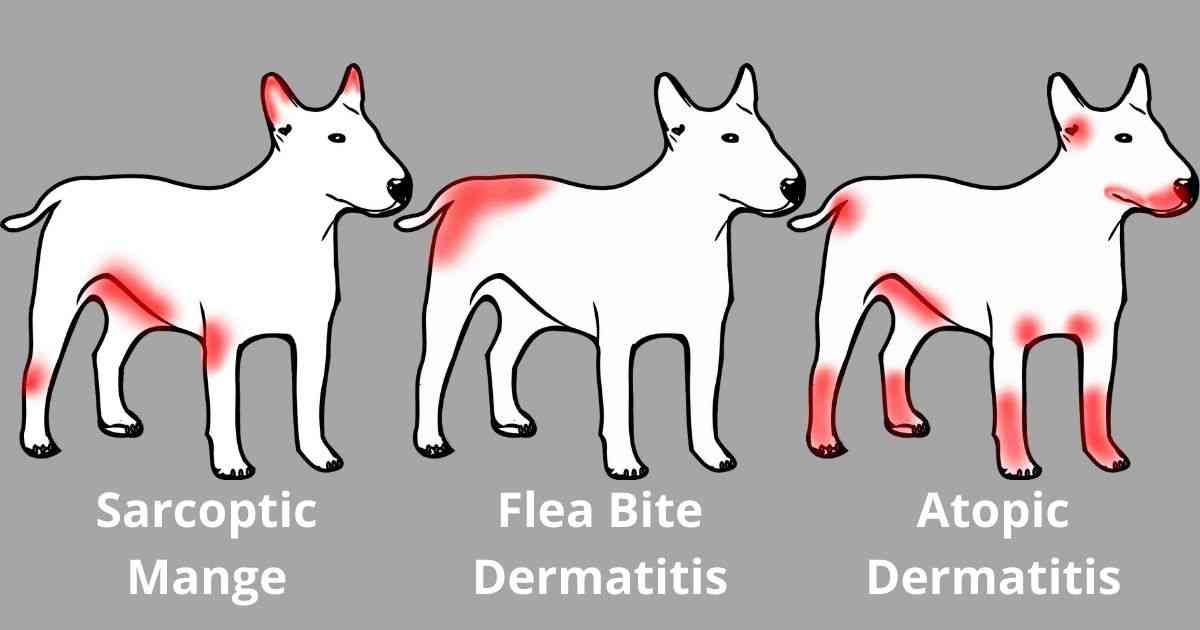
Image Source: www.walkervillevet.com.au
Comprehending Dog Skin Allergies
Allergies are a big reason why dogs itch. An allergy happens when your dog’s body reacts too strongly to something harmless. This reaction often shows up on the skin.
What Are Dog Skin Allergies?
Skin allergies are one of the most common problems vets see. They happen when a dog’s body sees something safe as a threat. This causes the body to release chemicals. These chemicals make the dog’s skin itchy and red.
Types of Dog Skin Allergies
There are a few main types of allergies that make dogs itchy.
Environmental Allergies Dog (Atopy)
These are allergies to things in the air or on the ground.
* What they are: Dogs breathe in or touch tiny bits of things like pollen from trees, grass, or weeds; dust mites in the house; mold spores.
* Why they cause itching: The dog’s immune system overreacts to these tiny bits. It causes swelling and itching, mostly on the skin.
* Signs you might see:
* Scratching a lot, especially face, paws, belly, and ears.
* Licking or chewing paws until they are red or raw.
* Rubbing the face on furniture or the floor.
* Red or sore skin.
* Ear infections that keep coming back.
* Eye problems, like red or watery eyes.
* When they happen: These allergies often start when dogs are young. They can be seasonal (like pollen in spring/summer/fall) or happen all year (like dust mites).
Food Allergies Dog
These happen when a dog reacts to something in their food.
* What they are: The dog’s body sees a protein in the food as a threat. Common problem foods include beef, chicken, dairy, wheat, soy, or corn.
* Why they cause itching: The body’s reaction causes inflammation. This inflammation makes the skin itchy. It can also affect the gut.
* Signs you might see:
* Itching, often all over the body, not just certain spots.
* Scratching around the bottom.
* Ear infections.
* Skin infections.
* Sometimes tummy problems like throwing up or soft poop.
* How they differ: Unlike environmental allergies, food allergies often cause itching all year long. Tummy troubles can be a clue, but not always.
Contact Allergies
These are less common than other types.
* What they are: The dog’s skin touches something that irritates it. This could be materials like wool or synthetics, certain plants (like poison ivy for humans, though different plants affect dogs), chemicals in shampoos, or even materials in collars or bowls.
* Why they cause itching: The skin reacts right where it touches the irritating thing.
* Signs you might see:
* Itching and redness only in the area that touched the thing.
* For example, red belly from lying on certain grass, or red chin from a plastic bowl.
* How to tell: Look for itching in places that touch something specific.
How Vets Find Allergies
Finding out exactly what a dog is allergic to takes time.
* Talking to you: Your vet will ask lots of questions. When did the itching start? Where on the body? What does your dog eat? What products do you use? Where do you walk?
* Skin tests: Like humans, dogs can have skin tests. Small amounts of different things are put under the skin. The vet looks for red spots that show a reaction.
* Blood tests: Blood tests can check for antibodies to common allergens. These tests help, but skin tests are often seen as more precise for environmental allergies.
* Food trials: This is the best way to find food allergies. You feed your dog a special diet with new or broken-down proteins for about 8-12 weeks. No other food, treats, or flavored toys are allowed. If the itching stops, you slowly add back old foods one by one to see which one causes the itching to return.
Managing Dog Skin Allergies
Allergies cannot usually be cured, but they can be managed.
* Avoiding the allergen: If you know the cause, try to keep your dog away from it. This is easier for contact allergies or some foods. It is harder for dust mites or pollen.
* Medications: Vets can give medicines to stop itching. These can be pills, shots, or creams. Some medicines calm the immune system. Others just block the itch feeling.
* Immunotherapy (Allergy Shots/Drops): If skin or blood tests find the cause, a special mix can be made. Giving small, regular doses of the allergen helps the dog’s body get used to it. Over time, the body stops reacting so strongly. This works well for many dogs with environmental allergies.
* Good skin care: Baths with special shampoos can help remove allergens from the skin. They can also soothe irritated skin. Using moisturizers helps keep the skin barrier healthy.
Deciphering the Causes of Dry Skin Dog
Sometimes, itching is just from skin that is too dry. This is like when our skin gets dry in winter.
Why Dry Skin Causes Itching
Healthy skin has natural oils that keep it soft and protected. If these oils are washed away or not made properly, the skin loses moisture. Dry skin can feel tight and uncomfortable. It is also more likely to get irritated. This irritation leads to itching.
What Makes a Dog’s Skin Dry?
Several things can cause dry skin in dogs.
* Weather: Cold, dry air in winter or very hot, dry air in summer can pull moisture from the skin. Heaters inside make the air very dry.
* Bathing too often: Using the wrong shampoos or bathing too much can strip the skin of its natural oils.
* Poor diet: Not getting enough healthy fats (like omega-3 fatty acids) in their food can affect skin health.
* Low humidity: Living in a dry climate or using a heater/air conditioner a lot lowers the moisture in the air around your dog.
* Health problems: Some health issues can affect the skin.
Signs of Dry Skin
Dry skin usually looks dull.
* Itching, but often less intense than with allergies or infections.
* Flaky skin, like dandruff.
* Sometimes the skin can look a bit tight or rough.
* The coat might look dull or dry.
How to Help a Dry Skin Dog
You can often help dry skin at home.
* Use gentle shampoos: When bathing, use a shampoo made for dogs with sensitive or dry skin. Do not bathe too often.
* Add moisture: Use a humidifier in your home, especially in dry months.
* Improve diet: Make sure your dog eats good food. Talk to your vet about adding fish oil or other supplements with omega-3 fatty acids. These help skin and coat health.
* Brush regularly: Brushing helps spread the natural skin oils through the coat.
Tiny Pests: Mites on Dog (Not Fleas)
Fleas are well-known for causing itching, but other tiny bugs can also live on dogs and cause big skin problems. These are called mites. Mites are not fleas. They are much smaller. Often, you cannot see them without a microscope.
Types of Mites That Cause Itching
Different types of mites cause different problems.
Sarcoptic Mites (Scabies)
- What they are: These mites burrow into the skin. They cause very intense itching.
- Why they cause itching: Their burrowing and waste cause a severe allergic reaction and irritation in the dog’s skin.
- Signs you might see:
- Extreme itching, often much worse at night.
- Red skin, rashes, crusts, and scabs.
- Hair loss, especially on ears, elbows, belly, and hocks (ankles).
- This can spread quickly.
- It is highly contagious to other animals and can even cause temporary itching on humans.
- How vets find them: It can be hard to find these mites. Vets scrape a bit of skin and look under a microscope. Sometimes, even if the test is negative, if the signs point to scabies, the vet will treat for it because finding the mites can be tricky.
Demodex Mites (Demodectic Mange)
- What they are: These mites normally live in hair follicles of most dogs without causing problems. They look a bit like tiny cigars with legs.
- Why they cause itching: Problems happen when there are too many mites. This usually means the dog’s immune system is not working well. Too many mites cause inflammation and itching.
- Signs you might see:
- Often starts as patches of hair loss, usually around the face (muzzle, eyes) or on legs.
- Skin can look red and scaly.
- Itching can range from mild to severe, especially if a skin infection also starts.
- There can be localized patches or it can cover the whole body.
- How vets find them: Vets do a skin scrape. It is usually easier to find Demodex mites under the microscope than Sarcoptic mites.
Ear Mites
- What they are: Tiny mites that live mostly in the ear canals.
- Why they cause itching: They irritate the sensitive lining of the ear canal.
- Signs you might see:
- Lots of scratching at the ears.
- Shaking the head.
- Dark, waxy, often smelly stuff in the ears. It might look like coffee grounds.
- Redness and inflammation inside the ear.
- How vets find them: Vets look inside the ear with a special scope or take a sample of the ear stuff to look at under a microscope.
Treating Mites
Treatment for mites depends on the type.
* Medications: Vets prescribe special dips, pills, or spot-on treatments to kill mites.
* Skin care: Sometimes, medicated shampoos help clean the skin and treat infections that might be there too.
* Treating the cause (for Demodex): If Demodex is widespread, the vet might look for an underlying health problem making the dog’s immune system weak.
Grasping Dog Skin Infection
Sometimes, itching is caused by tiny living things growing out of control on the skin. This is a dog skin infection. These often happen because something else (like allergies or mites) damaged the skin first, letting the infection take hold.
Types of Skin Infections
Infections are usually caused by yeast or bacteria.
Dog Yeast Infection
- What they are: A common type of infection caused by a type of yeast called Malassezia. Small amounts of this yeast normally live on a dog’s skin.
- Why they cause itching: When yeast grows too much, it causes inflammation, irritation, and itching.
- Signs you might see:
- Itching, often intense.
- Red, greasy, or flaky skin.
- A bad, musty or sweet smell to the skin.
- Skin might thicken and darken over time, especially in spots like armpits, groin, paws, and ears.
- Often happens with allergies or other skin problems.
- Where they are common: Yeast infections love warm, moist places like ear canals, between paw pads, armpits, and skin folds.
- How vets find them: Vets can often recognize the smell and look. They can also take a sample (like pressing a slide on the skin or using a cotton swab) to look at under a microscope or send for testing.
Bacterial Skin Infection (Pyoderma)
- What they are: An infection caused by bacteria, usually Staphylococcus bacteria, which normally live on the skin.
- Why they cause itching: Bacteria growing too much cause inflammation, pus, and irritation.
- Signs you might see:
- Itching, often from mild to severe.
- Red bumps or pimples on the skin.
- Crusts or scabs.
- Pus discharge.
- Hair loss in affected areas.
- Can look like hot spots (sudden, wet, red sores) or spread over large areas.
- How they start: Often starts in a spot where the skin was scratched or irritated (from allergies, fleas, mites, or trauma).
- How vets find them: Vets look at the skin. They might also take a sample of pus or skin cells to look at under a microscope or send for a bacterial culture test to identify the exact bacteria and which medicine will kill it.
Treating Skin Infections
Treating infections requires killing the bug causing it.
* Yeast Infections: Treated with anti-fungal medications. This can be medicated shampoos, creams, wipes, or pills. Treatment often takes several weeks.
* Bacterial Infections: Treated with antibiotics. This can be medicated shampoos, creams, or pills. The full course of antibiotics must be given, even if the skin looks better quickly.
Behavioral Reasons: Dog Anxiety Itching
Sometimes, itching and licking are not caused by a physical problem on the skin itself. It can be a behavior problem, often linked to how a dog feels.
How Behavior Causes Itching
Dogs sometimes lick or chew themselves as a way to cope with stress, worry, boredom, or fear. This is like some people biting their nails or twirling their hair.
* What it is: The act of licking or chewing releases feel-good chemicals (endorphins) in the dog’s brain. This makes them feel a little better for a moment.
* Why it causes itching/damage: The constant licking or chewing irritates the skin. It removes hair and can lead to raw spots, sores, or thickened skin. These damaged areas can then become physically itchy or get infected, starting a cycle.
Signs of Anxiety Itching
Itching from behavior often looks different.
* Licking a specific spot over and over (often a paw or leg) until it is sore or raw.
* This is called acral lick dermatitis or lick granuloma if it becomes a thickened sore.
* The licking happens more when the dog is left alone, when there are loud noises, or when something else stresses them.
* The skin damage is caused by the act of licking/chewing, not primarily by something wrong with the skin first.
* Other signs of anxiety might be present, like pacing, panting, whining, destructive behavior, or house soiling.
Dealing with Anxiety Itching
This requires treating the dog’s emotional state as well as the skin.
* See a vet: First, make sure there is no underlying medical cause for the licking (like pain in a joint under the lick spot, or an allergy).
* Identify the stressor: Try to figure out what makes your dog anxious or bored.
* Reduce stress: Use calming techniques, create a safe space, try calming products (like diffusers or supplements).
* Increase mental/physical activity: Make sure your dog gets enough walks, playtime, and challenging toys to prevent boredom.
* Behavior training: Work with a professional dog trainer or a veterinary behaviorist. They can help teach your dog better ways to handle stress.
* Medication: In some cases, a vet might prescribe anti-anxiety medication, especially for severe cases.
* Manage the skin: Protect the licked area with a cone, bandage, or special sleeve to let it heal and break the cycle.
Other Potential Causes of Canine Pruritus
While allergies, infections, mites, and dry skin are most common, other less frequent problems can cause itching.
- Hormone Problems: Conditions like low thyroid hormone (hypothyroidism) or too much cortisol (Cushing’s disease) can affect skin health, making it dry, thin, and prone to issues that cause itching.
- Autoimmune Diseases: The dog’s immune system attacks its own skin cells. This is rare but can cause serious skin problems, including itching.
- Skin Cancer: Some types of skin tumors can cause localized irritation and itching.
These less common causes usually have other signs besides itching. Your vet will think about these possibilities, especially if the more common causes have been ruled out or treatment is not working.
Interpreting How a Vet Finds the Cause
Since many things can make a dog itch, figuring out the exact reason needs a step-by-step approach by your veterinarian.
- Talking and Looking: The vet starts by asking you many questions about your dog’s history, diet, habits, and when the itching began. They will give your dog a thorough check-up, looking closely at the skin all over the body.
- Ruling Out Parasites: Even if you don’t see fleas, the vet might still check for them or recommend a good flea control just to be sure. They will also check for mites using skin scrapes or looking in the ears.
- Checking for Infections: The vet will look for signs of yeast or bacterial infections (redness, smell, bumps, crusts). They might take samples for microscope checks or cultures.
- Thinking About Allergies: If parasites and infections are not the main issue, allergies become a likely suspect.
- They might suggest treating for common allergies first to see if it helps.
- If the itching is severe or ongoing, they might suggest allergy testing (skin or blood) or a food trial.
- Considering Other Causes: If allergies don’t seem to be the problem, or if there are other unusual signs, the vet will think about less common causes like hormone problems or autoimmune disease. This might involve blood tests or skin biopsies (taking a tiny piece of skin to look at).
It is important to be patient. Finding the cause of itching can take time and several visits to the vet.
Dog Itchy Skin Home Remedies and Relief
While you are working with your vet, or for mild, temporary itching, some things you can do at home might help soothe your dog’s skin. Remember, these do not replace vet care, especially for ongoing or severe itching.
Simple Home Comforts
- Oatmeal Baths: Colloidal oatmeal (finely ground oats) can be very soothing for itchy skin. You can buy special oatmeal shampoos or add plain colloidal oatmeal to bath water. Make sure the water is lukewarm, not hot. Soak for 10-15 minutes if your dog will tolerate it. Rinse well.
- Gentle Bathing: Use a mild, hypoallergenic dog shampoo. Do not bathe too often, as this can dry the skin. Your vet can recommend a good shampoo for your dog’s specific problem (like medicated shampoos for infections).
- Apple Cider Vinegar (Diluted): A very diluted mix (maybe 1 part vinegar to 5-10 parts water) can sometimes help with itchy spots or yeast. NEVER use this on raw or broken skin, as it will sting badly. Spraying on paws might help, but be very careful. Ask your vet first.
- Coconut Oil: Some people apply a little pure coconut oil to dry or mildly irritated spots. It can help moisturize. Make sure it is food-grade coconut oil. Be aware your dog will likely lick it off. Too much can cause loose poop.
- Supplements: Adding fatty acids like omega-3s (fish oil) to your dog’s food can help improve skin health from the inside out. Ask your vet for the right dose. Probiotics might also help some dogs, especially those with allergies.
What NOT to Do
- Do not use human products: Human shampoos, lotions, or medications can be harmful to dogs. Their skin is different from ours.
- Do not shave your dog: Unless your vet tells you to, shaving off the coat does not usually help itching and can make some problems worse or expose the skin to sun.
- Do not try to diagnose yourself: There are many possible causes. Guessing can delay the right treatment.
- Do not stop vet treatment: Continue any medicines your vet gave you for the full time, even if your dog seems better.
Preventing Itching
While you cannot prevent all causes of itching, you can take steps to reduce the risk.
- Use good parasite control: Even if you don’t see fleas or ticks now, regular use of a vet-recommended flea and tick prevention product is important. Some products also help control certain mites.
- Feed a quality diet: Good nutrition supports healthy skin and coat. Consider food with omega-3 fatty acids.
- Regular grooming: Brush your dog often to remove dirt, loose hair, and spread natural oils. Use gentle shampoos when bathing.
- Manage allergies: If your dog has known allergies, follow your vet’s plan to manage them.
- Control environment: Reduce dust in your home, use air filters if environmental allergies are a problem.
- Reduce stress: Make sure your dog gets enough exercise, training, and mental stimulation to help prevent anxiety or boredom-related licking.
When to See the Vet
You should see your veterinarian if your dog:
* Starts itching suddenly and severely.
* Is scratching so much they are breaking the skin or causing sores.
* Has hair loss, redness, rash, or a bad smell from the skin.
* Has ear problems (shaking head, scratching ears, smelly discharge).
* The itching is not getting better or is getting worse despite home care.
* The itching is affecting their sleep, eating, or behavior.
Any time you are worried about your dog’s itching, it is best to call your vet. They are the experts at figuring out skin problems.
FAQ: Questions About Dog Itching Without Fleas
Q: Can I give my dog human allergy medicine for itching?
A: No, you should not give your dog human medicines without asking your vet first. Many human medicines are not safe for dogs, or the dose is very different. Your vet can recommend safe and effective medications if needed.
Q: How can I tell if my dog’s itching is serious?
A: Itching is serious if it causes sores, hair loss, changes in skin color or smell, or if it stops your dog from sleeping, eating, or acting normally. Constant or severe scratching also needs vet attention.
Q: Could my dog be allergic to their bed or toys?
A: Yes, this is a type of contact allergy. Materials in beds, carpets, or toys can sometimes irritate a dog’s skin, especially if they are sensitive. Look for itching in areas that touch these items.
Q: How long does it take to figure out why my dog is itching?
A: It depends on the cause. Ruling out parasites and infections can be quick. Diagnosing allergies can take longer, especially food allergies which need a long food trial. Be patient and work closely with your vet.
Q: Are some dog breeds more prone to itching?
A: Yes, some breeds are more likely to have skin problems, especially allergies. Breeds like Bulldogs, Boxers, Labradors, Golden Retrievers, West Highland White Terriers, and Shar-Peis are known for having skin issues.
Q: Can stress really make a dog itch?
A: Yes, stress, anxiety, or boredom can lead some dogs to lick or chew excessively as a coping behavior. This irritates the skin and causes damage that can then become physically itchy. It’s a complex mix of behavior and physical reaction.
Summing Up
Seeing your dog constantly scratch is hard. While fleas are a common cause, they are not the only one. Allergies, dry skin, mites, infections, and even how your dog feels mentally can all lead to that frustrating itch. Getting to the bottom of it takes careful checking. Your veterinarian is your best helper in finding the right answer and getting your furry friend relief. Do not wait if the itching is bad or won’t stop. A vet visit is the first step to a happier, less itchy dog.