
Why Does My Dog Chew On My Other Dog’s Ears? Common Causes
Do you often see your dog gently or even roughly chewing on another dog’s ears? When dogs mouth other dogs’ ears, it is a common sight. This behavior can mean many things. Often, it is a normal part of how dogs act. It can be play, a way to show comfort, or even a sign of worry. Sometimes, it can point to a health issue. It is important to watch closely to figure out why your dog does this.
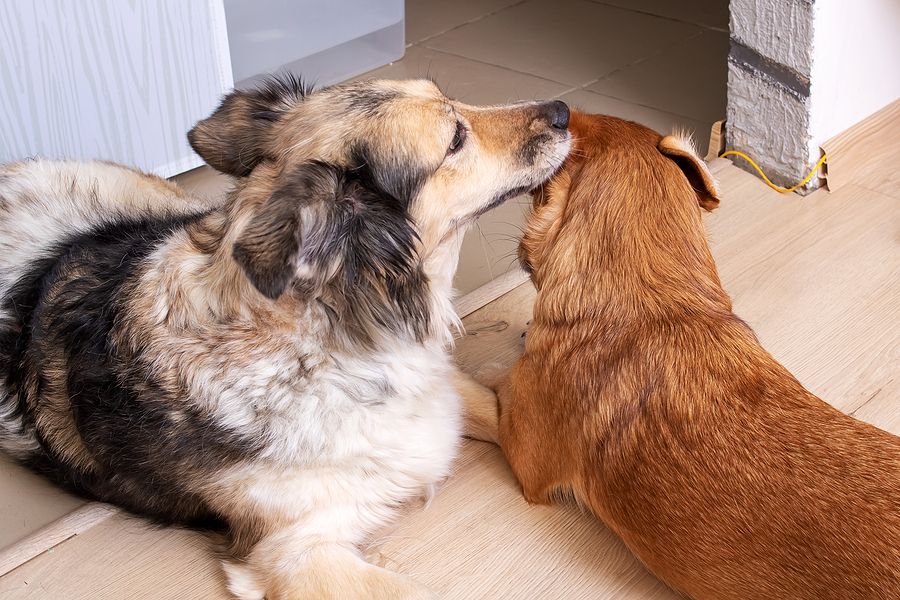
Image Source: midlandspetcare.com
Deciphering Ear Chewing: A Common Dog Behavior
Dogs talk to each other in many ways. They use their bodies, sounds, and smells. Mouthing or chewing on another dog’s ears is one of these ways. It is often a normal thing to see. But the true meaning of dog ear nipping behavior depends on many things. You need to look at the whole picture.
Look at:
* How hard the dog bites. Is it gentle or rough?
* What are the dogs’ body signs? Are tails wagging? Are bodies loose or stiff?
* Are there sounds? Is there growling or whimpering?
* How does the other dog react? Do they seem happy, annoyed, or scared?
By watching these things, you can better figure out why your dog chews on your other dog’s ears.
Play and Social Cues
Much of dog ear chewing comes from play. It is a way for dogs to have fun and connect.
Play Biting Other Dog’s Ears
Play is a big part of a dog’s life. It helps them learn social rules. When dogs play bite each other’s ears, it is often part of their rough-and-tumble games. They might wrestle, chase, and mouth each other.
Signs it is play:
* Loose bodies: Dogs are relaxed and bouncy.
* Play bows: One dog lowers its front body and wags its tail. This invites play.
* Take turns: Dogs might switch roles. One dog chews, then the other does.
* No harm: The chewing is gentle. It does not break the skin or cause pain.
* Happy sounds: There might be playful barks or soft growls.
* Voluntary: Both dogs want to play. They can stop at any time.
This type of play biting helps dogs practice their bite control. It also makes their bond stronger.
Puppy Chewing Older Dog’s Ears
Puppies learn a lot from older dogs. When a puppy chewing older dog’s ears, it is often a learning process. Puppies explore the world with their mouths. They chew everything. This includes their littermates and other dogs.
An older dog will often teach a puppy bite rules. If a puppy bites too hard, the older dog might yelp. Or they might walk away. This teaches the puppy how much pressure is okay. It helps the puppy learn “bite inhibition.” This means learning to bite gently.
It is normal for puppies to test boundaries. They are curious. They are learning how to be a dog. This behavior helps them learn social manners. It is important for a puppy’s growth.
Comfort and Connection
Sometimes, ear chewing is not about play. It is about comfort and making bonds stronger.
Mutual Grooming Dog Ears
Dogs show love and care in many ways. One common way is mutual grooming. This is when dogs lick or gently chew each other. Mutual grooming dog ears is a strong sign of trust. It shows a close bond.
Dogs groom each other for many reasons:
* Hygiene: They help keep each other clean. They reach spots the other dog cannot.
* Affection: It is a way to show love and care. It releases feel-good hormones.
* Bonding: It makes their social ties stronger. It builds trust between them.
* Stress relief: Grooming can be calming. It helps dogs relax.
If you see your dog gently chewing or licking another dog’s ears, look for these signs:
* Relaxed posture: Both dogs seem calm and at ease.
* Contentment: They might close their eyes or lean into the touch.
* Quiet: No sounds of distress.
* Longer sessions: It can last for a few minutes.
This behavior is much like how mother dogs groom their puppies. It is a loving, caring act.
Calming Behavior
Dogs sometimes use their mouths to soothe themselves or others. This can be a form of displacement behavior. A dog might chew on an ear to release built-up energy. Or they might do it to calm another dog.
If one dog is stressed, the other might gently mouth its ears. This can be a sign of empathy. It can be a way for the second dog to try to make the first dog feel better. It is like a hug for dogs. This is more common in dogs that have a very strong bond.
Signs of Stress or Worry
Not all ear chewing is positive. Sometimes, it can be a sign of stress or worry.
Anxiety Related Dog Ear Chewing
Dogs show anxiety in many ways. If your dog is often chewing on another dog’s ears when no play is happening, it could be anxiety related dog ear chewing. This can be a way for them to cope with feeling worried or unsafe.
Signs of anxiety that might go with ear chewing:
* Lip licking: Quickly licking their lips.
* Yawning: Big, wide yawns when not sleepy.
* Panting: Heavy breathing when not hot or tired.
* Pacing: Walking back and forth.
* Hiding: Trying to be alone.
* Trembling: Shaking.
* Excessive shedding: More hair coming off than usual.
* Tail tucked: Holding the tail low or between the legs.
* Avoidance: Trying to get away from the situation.
* Change in appetite: Eating more or less than normal.
If you see these signs, the ear chewing might be a way for your dog to deal with stress. Think about what might be causing the worry. It could be a new pet, a change in routine, or loud noises.
Compulsive Ear Licking Dogs
Sometimes, the licking or chewing becomes too much. It can turn into a compulsive behavior. Compulsive ear licking dogs might do this over and over. It is hard for them to stop. This often happens when a dog is very stressed or bored for a long time.
Signs of compulsive behavior:
* Repetitive: The dog does it again and again.
* Intense: The chewing or licking is very strong.
* Hard to stop: The dog seems “stuck” in the behavior.
* Out of context: It happens when it does not make sense (not play, not grooming).
* Causes harm: It might lead to raw skin or injury to the ear.
If you think your dog has compulsive ear licking, it is important to talk to a vet. They can help you find the cause. They can also suggest ways to help your dog feel better.
Dominance and Assertive Actions
The idea of “dominance” in dogs is often misunderstood. It is not about one dog always being “the boss.” It is more about who gets what in certain situations.
Dominance Ear Chewing Dogs
When people talk about dominance ear chewing dogs, they often mean one dog trying to control another. But this is not always true. True dominance displays are rare. They are often about who gets a specific resource at a specific time.
If a dog is trying to control another dog, you might see:
* Resource guarding: One dog chews another dog’s ear while guarding food or a toy. This dog might be saying, “This is mine.”
* Controlling space: One dog might try to make another dog move from a spot. The ear chewing could be part of this push.
* Stiff body: The dog doing the chewing might have a tense body. Their tail might be held high and stiff.
* Eye contact: Hard, direct staring.
* Low growl: A quiet rumble of warning.
However, many behaviors once called “dominance” are now known to be about:
* Lack of social skills: The dog never learned good manners.
* Anxiety: The dog is worried and trying to control its world.
* Pain: The dog feels bad and acts out.
True dominance is complex. It is not often about one dog being “alpha” over another at all times. If you see signs of aggression, it is more likely about fear or a lack of training. Or it could be about resource guarding. It is important to watch for other signs of stress or aggression.
Physical and Health Concerns
Sometimes, a medical issue is behind ear chewing. The dog whose ear is being chewed might have a problem. This problem draws the other dog’s attention.
Medical Reasons Dog Ear Chewing
The dog whose ear is being chewed might have something wrong. This can make the ear smell or feel different. The other dog might then chew or lick the ear. They might be trying to clean it. Or they might be trying to soothe it. But it can also make the problem worse.
Here are common medical reasons dog ear chewing might happen:
| Medical Reason | What It Is | Signs You Might See on the Ear Being Chewed |
|---|---|---|
| Ear Infections | Caused by bacteria, yeast, or mites. | Redness, swelling, bad smell, discharge (wax, pus), pain. |
| Dog shakes head, scratches ear, holds head tilted. | ||
| Allergies | Reaction to food, pollen, dust, or fleas. | Itchy skin, redness, hot spots, hair loss around ears. |
| Dog scratches or rubs ears often. | ||
| Ear Mites | Tiny bugs that live in the ear canal. | Dark, crumbly discharge (looks like coffee grounds), intense itching. |
| Dog shakes head, scratches violently. | ||
| Foreign Object | A piece of grass, dirt, or other small thing stuck in the ear. | Sudden pain, head shaking, pawing at the ear. |
| Injury or Trauma | A cut, scrape, or bruise on the ear. | Swelling, bleeding, visible wound, pain. |
| Mass/Growth | A lump or tumor in or on the ear. | Visible bump, changed shape of ear, discharge. |
If you notice your dog’s ear is red, swollen, smelly, or dirty, take them to the vet right away. The other dog might be trying to help. But they could also make the infection worse.
Dog Ear Nipping Behavior: When is it a Problem?
Most of the time, dog ear nipping behavior is normal. It is part of play or bonding. But there are times when it can be a problem. It is vital to know the signs.
The behavior is a problem if:
* One dog is hurt: The chewing breaks the skin. It causes bleeding, redness, or swelling.
* One dog is afraid: The dog whose ear is being chewed tries to hide. They whimper, tuck their tail, or show signs of stress.
* The chewing dog shows aggression: They growl, snarl, or snap. Their body is stiff. They show “whale eye” (the whites of their eyes are visible).
* The chewing is constant: It happens all the time. It is not part of play.
* The behavior escalates: It starts gentle but becomes rough or painful.
If you see these signs, you need to step in. Separate the dogs. Get help from a vet or a dog behavior expert.
How to Prevent Dog Ear Chewing (Intervention and Management)
If you are worried about your dog’s ear chewing, there are steps you can take. The first step is to figure out why it is happening.
Training and Redirection
You can help your dogs learn better ways to interact.
* Supervise play: Watch your dogs closely when they play. If the ear chewing gets too rough, step in. Gently separate them. Give them a short “time out.”
* Redirection: If one dog starts to chew ears too much, call their name. Offer a fun toy instead. Praise them when they play with the toy.
* Teach “leave it”: Teach your dog to stop what they are doing on cue. This can be very helpful.
* Provide chew toys: Make sure your dog has plenty of good toys to chew on. This can give them an outlet for their chewing needs.
* Enough exercise: A tired dog is a good dog. Make sure your dogs get enough physical activity. This can reduce restless behaviors.
* Mental stimulation: Give your dogs puzzle toys or training games. This helps keep their minds busy. Boredom can lead to unwanted behaviors.
Addressing the Root Cause
Solving the problem means getting to the bottom of it.
1. Vet visit first: Always rule out medical issues. Take the dog whose ear is being chewed to the vet. Make sure there is no infection or pain. This is a very important step.
2. Manage anxiety: If anxiety is the cause, work to lower your dog’s stress. This might mean:
* Calm environment: Give them a quiet, safe place to rest.
* Routine: Stick to a regular schedule. Dogs feel safer with routine.
* Training: Positive training can build a dog’s confidence.
* Professional help: A vet or certified behaviorist can suggest ways to help with anxiety. They might suggest calming products or medicine.
3. Improve social skills: If your dog lacks good social skills, help them learn.
* Positive experiences: Give them safe, controlled meetings with other well-behaved dogs.
* Dog parks: Be careful at dog parks. Not all dogs are good teachers.
* Obedience classes: These can help your dog learn to listen to you.
4. Consistency: Be consistent with your rules and training. Dogs learn best when things are clear.
When to Seek Professional Help
Sometimes, you need an expert. Do not hesitate to ask for help if:
* Aggression grows: The ear chewing becomes truly aggressive. It leads to fights or injuries.
* Behavior is compulsive: The chewing is very intense and hard to stop. It happens over and over.
* You cannot find the cause: You have tried everything, but the behavior continues.
* Injury happens: One dog is hurt by the chewing.
A certified professional dog trainer or a veterinary behaviorist can help. They can watch your dogs. They can figure out the exact cause. Then they can create a plan to help. They can teach you how to manage the behavior. They can also help both dogs feel safer and happier.
Conclusion
Chewing on another dog’s ears is a common dog behavior. It can mean many things. Often, it is a normal part of play or a sign of deep affection. Dogs use it for mutual grooming. It can also be a way to show comfort. But sometimes, it can be a sign of stress, anxiety, or even a medical issue.
It is up to you to be a good observer. Watch your dogs’ body language closely. Look at the full picture. If the behavior is gentle and both dogs seem happy, it is likely fine. But if you see signs of stress, pain, or aggression, it is time to act. Rule out any health problems first. Then, look at their emotions and training needs. With careful watching and the right help, you can keep your dogs safe and happy.
Frequently Asked Questions (FAQ)
Q1: Is ear chewing always bad?
No, ear chewing is not always bad. It is often a normal part of dog play. It can also be a way for dogs to groom each other. This shows a strong bond. It is only bad if it causes harm or if one dog is clearly unhappy or scared.
Q2: How can I tell if my dog is playing or being aggressive?
Watch their body language. When playing, dogs have loose, bouncy bodies. Their tails wag, and they might do play bows. There should be no real harm. Aggression signs include stiff bodies, direct staring, growling, snapping, or biting that hurts. The dog being chewed might try to escape or show fear.
Q3: What if my dog gets injured from ear chewing?
If a dog gets hurt, separate them right away. Check the injury. Clean it if it is minor. If it is bleeding, deep, or seems painful, take your dog to the vet at once. Then, get help from a certified dog trainer or behaviorist to prevent it from happening again.
Q4: Can puppies learn this behavior?
Yes, puppies often chew on older dogs’ ears as part of learning. It helps them learn bite control and how to play. Older dogs teach them how hard they can bite. This is a very normal part of puppy growth and social learning.