
Why Does My Dog Bite My Other Dog’s Ears? Solved!
Does your dog nibble or bite your other dog’s ears? This often happens during playtime. It is usually part of canine play biting. Dogs use their mouths a lot to talk to each other. Ear nipping can be a way to invite play. It can also be a way to show excitement. Sometimes, it is even a sign of affection or care. But it can also point to bigger issues like stress or a need for more space. Knowing the signs helps you tell the difference.
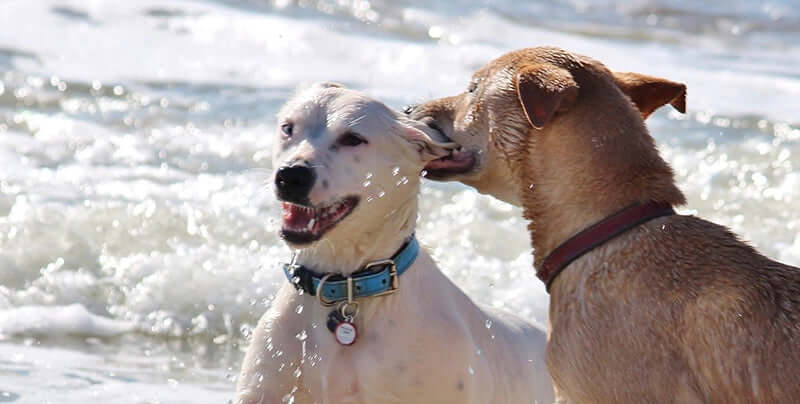
Image Source: www.mokaipaws.com
Grasping the Basics: Why Dogs Use Their Mouths
Dogs use their mouths for many things. They use them to pick up food, to chew toys, and to explore. They also use them to talk to other dogs. This includes gentle nips or bites during play. These are normal parts of how dogs interact.
Playful Nipping: A Key Part of Dog Fun
Most times, dog ear nipping is just part of play. Think of puppies. They learn how to play bite from their littermates. They learn how much pressure is too much. They learn to be gentle. When adult dogs play, they often use their mouths. This might look rough to us. But it is just how dogs have fun.
Signs of Playful Nipping:
- Loose Bodies: Dogs are relaxed. Their muscles are not tense.
- Play Bows: One dog lowers their front end and keeps their rear up. This says, “Let’s play!”
- Wagging Tails: Their tails might wag in big, wide arcs.
- Taking Turns: One dog nips, then the other. They chase each other.
- Soft Bites: The bites are not hard. They do not cause pain or cries.
- No Growls or Snarls: Dogs are happy and quiet, or they make happy play noises.
- Breaks in Play: Dogs stop often to shake off, sniff, or rest.
This kind of rough play between dogs is healthy. It helps them bond. It also helps them burn energy. It lets them practice their social skills.
More Than Just Play: Other Reasons for Ear Nipping
Sometimes, ear nipping is not just play. It can be a sign of other things. These might need your help.
- Attention-Seeking: Your dog might nip ears to get attention. This can be from you or the other dog. If it works, they will do it more often.
- Grooming or Affection: Some dogs gently mouth or nip ears as a way to groom. It is like how mothers clean their puppies. It shows care and bonding. This is usually very soft and slow.
- Stress or Anxiety: Dogs might nip ears if they feel worried. Anxiety in dogs symptoms can include unusual mouth behaviors. This might be a way to cope with stress. It could also be a way to get the other dog to leave them alone.
- Pain or Discomfort: A dog in pain might nip or snap if another dog gets too close. This is a way to say, “Stay away!” This is not playful. It is a warning.
- Resource Guarding: If one dog is guarding food, toys, or a resting spot, they might nip to keep the other dog away. This is not playful.
Delving Deeper: When Nipping Becomes a Problem
While play nipping is fine, some ear nipping is not. It is vital to know the difference. When nipping turns from play to something else, it is a sign of trouble. This can point to stress or even aggression.
Dominance Behavior: A Misunderstood Concept
For a long time, people thought dogs bit ears to show they were “alpha.” This is often called dominance behavior dogs. But most dog experts now say this idea is wrong. Dogs do not try to rule over each other like wolves in a pack. Instead, they learn how to get along. They figure out who gets the best spot. They learn who gets the toy. This is about social roles, not “dominance.”
True dominance is very rare. It is not about rough play. It is about control over things like food or space. If your dog is biting ears out of true dominance, you would see other signs. These would be about controlling resources. They would not be just about playing.
If your dog is often nipping ears, it is not usually about being “alpha.” It is more likely about bad social skills. Or it could be about feeling worried or stressed.
Spotting the Signs: Play vs. Aggression
It is very important to tell play from real aggression. If your dog’s ear nipping seems rough, watch for dog aggression signs.
Here is a table to help you tell the difference:
| Feature | Playful Nipping | Aggressive Nipping |
|---|---|---|
| Body Language | Loose, bouncy, wiggly, relaxed, play bows, bouncy steps | Stiff, frozen, tense, low crouch, raised hackles, hard stare |
| Tail Wag | Wide, loose, helicopter wag | Stiff, fast, high wag, tucked tail, no wag |
| Vocalizations | Play growls (soft, high-pitched), happy barks, panting | Hard growls (low, rumbling), snarls, sharp barks, snarls with teeth showing |
| Bite Pressure | Soft, gentle, inhibited, no marks | Hard, causes yelps, cries, punctures, broken skin, bleeding |
| Reciprocity | Dogs take turns, break often, invite more play | One-sided, dog ignores attempts to disengage, relentless |
| Facial Cues | Relaxed mouth, soft eyes, open mouth with tongue out | Tense mouth, pulled back lips, hard eyes, wrinkled brow |
| Outcome | Dogs continue to play happily, no harm | Other dog tries to escape, shows fear, gets hurt |
If you see any dog aggression signs, stop the interaction right away. Get help from a dog behavior expert.
When Stress Takes Over: Nipping as a Coping Tool
Stress and worry can make dogs do odd things. Sometimes, a dog might nip ears because they are feeling stressed. These are canine stress signals.
Common Signs of Stress in Dogs:
- Lip Licking: Fast licks of the nose or lips, often when no food is around.
- Yawning: Big, wide yawns when they are not tired.
- Panting: Heavy breathing when it is not hot or after exercise.
- Whale Eye: You can see the white part of their eyes. Their eyes look wide.
- Tucked Tail: Their tail is held low, often between their legs.
- Ears Pinned Back: Ears are flat against their head.
- Hiding or Escaping: Trying to get away from a situation.
- Shaking or Trembling: When not cold or scared by a loud noise.
- Excessive Grooming: Licking paws or body too much.
- Loss of Appetite: Not wanting to eat.
- Destructive Behavior: Chewing furniture or other items.
If your dog is nipping ears along with these signs, stress might be the cause. What could be making your dog stressed? Loud noises, new people, changes at home, or even too much interaction with the other dog can cause stress.
Redirected Aggression: Nipping the Wrong Target
Sometimes a dog feels mad or upset, but they cannot get to what is bothering them. For example, a dog might see another dog outside the window. They get worked up, barking and growling. If your other dog walks by at that moment, the first dog might nip them. This is redirected dog aggression. The dog is upset at something else. But they take it out on the dog nearest to them.
This type of nipping is serious. It means your dog needs help to manage their feelings.
Navigating Multi-Dog Household Dynamics
Living with more than one dog can be great. But it also means you need to watch their interactions. Each dog has its own personality. They need to learn how to get along. This is what we call multi-dog household dynamics.
In these homes, dogs need to set rules for living together. They might use ear nipping as a way to:
- Ask for Space: A quick nip might say, “I need a bit more room.”
- Start Play: A playful nip can be an invitation to run and chase.
- Show Their Mood: A dog might nip if they are annoyed or want to stop an interaction.
It is your job to help them get along well. Make sure each dog has their own space. Give them their own food bowls and beds. This helps stop arguments over things.
Deciphering Canine Communication Cues
To truly help your dogs, you must learn their language. Dogs use their whole body to talk. These are dog communication cues. Paying attention to these cues helps you know what your dogs are trying to say.
Key Body Language Signals to Watch For:
- Eyes: Hard stare, soft gaze, blinking, whale eye.
- Mouth: Open pant, closed mouth, lip lick, teeth showing, pulled back lips.
- Ears: Forward, relaxed, pinned back, half-back.
- Tail: High, low, tucked, fast wag, slow wag, stiff wag, loose wag.
- Body Posture: Relaxed, tense, crouched, stiff, leaning away, play bow.
- Hair (Hackles): Raised hair on their back and neck.
If you see tension or stress, step in. It is always better to stop a problem before it starts.
When to Seek Help
Most ear nipping is normal play. But there are times when you should get help.
- Injuries Occur: If the nipping causes cuts, scratches, or any bleeding.
- One Dog is Always Afraid: If one dog tries to hide or seems scared when the other dog approaches.
- Constant Conflict: If the dogs are always fighting or showing tension.
- Changes in Behavior: If a dog suddenly starts nipping ears when they never did before.
- Growling or Snarling: If the nipping comes with angry vocalizations.
- Escalation: If the nipping gets harder or more intense over time.
If any of these things happen, talk to your vet first. They can check for pain or health issues. Then, they can suggest a certified dog trainer or a vet behaviorist. These experts can help you solve the problem.
Solutions and Strategies: How to Stop Unwanted Ear Nipping
You can do many things to help your dogs. The goal is to make sure all nipping is gentle and playful. You also want to stop any nipping that comes from stress or fear.
1. Always Supervise Playtime
Do not leave your dogs alone when they play. Watch them closely. Look for the body language signs we talked about. If play gets too rough, step in.
2. Interrupt and Redirect
If play gets too intense, calmly step in. Do not yell. Do not get mad. Just break their focus.
- Call their names: Say “Rover, Fido, break!”
- Clap your hands: Make a sudden noise to get their attention.
- Offer a toy: Throw a ball or another fun toy to change their focus.
Once they stop, praise them. Then, try to restart play in a calmer way. Or, separate them for a bit.
3. Create Separate Spaces
Every dog needs their own safe space. This might be a crate, a bed, or a room. This is their spot. No other dog should bother them there. This helps lower stress in multi-dog homes.
Make sure dogs eat in separate areas. Give them their own toys. This stops them from fighting over things.
4. Train with Positive Reinforcement
Train your dogs to come when called. Teach them to sit, stay, and lie down. This helps you control their actions. Use treats and praise. Make training fun. This builds good habits. It also builds trust between you and your dogs.
You can also train a “leave it” cue. This means they should stop what they are doing. This is very helpful if play gets too rough.
5. Provide Mental and Physical Enrichment
Bored dogs can cause trouble. Make sure your dogs get enough exercise. Take them for walks. Play fetch.
Also, give them things to do with their minds. Puzzle toys, Kongs filled with treats, and chew toys can help. A tired dog is often a well-behaved dog. This can lower the chance of problem behaviors.
6. Rule Out Pain or Illness
If ear nipping starts suddenly, take your dog to the vet. Pain can make dogs grumpy or scared. They might nip if they are hurting. Check for ear infections. Check for dental problems. A vet can rule out any health issues.
7. Seek Professional Help
If you cannot solve the problem on your own, get help. A certified professional dog trainer can watch your dogs. They can give you a plan. For very serious issues, a veterinary behaviorist is best. They are vets who specialize in dog behavior. They can also prescribe medicine if needed for anxiety.
Tables for Quick Reference
To help you quickly check dog behavior, here are two tables summarizing key points.
Table 1: Canine Play Styles and What They Mean
| Play Style | Description | Common Behaviors | Good or Bad? |
|---|---|---|---|
| Loose & Bouncy | Relaxed, happy, body is flexible, wagging tail | Play bows, chasing, gentle nipping, taking turns, open mouth panting | Good |
| Mouthing/Nipping | Using mouth gently on other dog’s ears, legs, neck | Soft bites, no pressure, no pain, often seen in puppy play | Good (if gentle) |
| Chasing | Dogs run after each other, often switching roles | Barking, playful growls, fast movement | Good |
| Tug-of-War (Dog-Dog) | Both dogs pull on a toy or each other’s limbs | Growling (playful), pulling, shaking of head | Good (if mutual) |
| Rough Housing | Wrestling, body slams, tumbling, pin-downs (brief) | Rolling around, playful nips, loud play noises | Good (if balanced) |
| Stiff & Tense | Body is rigid, no play bow, tail is high or tucked | Hard stares, low growls, snaps, no give-and-take, one dog tries to escape | Bad |
| One-Sided Chasing | One dog chases the other relentlessly, other dog tries to hide | High-pitched yelps from chased dog, no breaks, no role reversal | Bad |
Table 2: Common Dog Stress Signals
| Signal | What it Looks Like | What it Might Mean |
|---|---|---|
| Lip Licking | Quick flick of tongue over nose or lips, often repeated | Stress, anxiety, trying to calm self or others |
| Yawning | Wide open mouth, often with a sigh, not tired | Stress, discomfort, trying to calm self or others |
| Panting | Rapid, shallow breathing, not hot or exercised | Overheating, pain, stress, anxiety |
| Whale Eye | Seeing the whites of the eyes when dog looks sideways | Fear, stress, feeling threatened |
| Tucked Tail | Tail held low, often between legs | Fear, submission, insecurity |
| Ears Pinned Back | Ears flat against head, often with a tense face | Fear, anxiety, trying to avoid conflict |
| Turning Away | Dog turns head or whole body away from interaction | Trying to avoid conflict, asking for space |
| Shaking Off | Full body shake, like after a bath, when not wet | Releasing tension, trying to reset |
| Freezing | Dog stops moving and becomes very still | Fear, uncertainty, preparing to react (fight or flight) |
| Excessive Grooming | Licking paws, legs, or body much more than usual | Stress, anxiety, self-soothing |
Frequently Asked Questions (FAQ)
Q1: Is it normal for dogs to bite each other’s ears during play?
A1: Yes, it is very normal. Many dogs use their mouths for canine play biting. This includes gentle ear nipping. It is part of how they play and talk. Look for signs of relaxed bodies and happy play.
Q2: How can I tell if ear nipping is aggressive or just play?
A2: Check their body language. Playful nipping has loose bodies, play bows, and soft bites. Aggressive nipping has stiff bodies, hard stares, growling, and causes pain. Refer to the table above for more details on dog aggression signs.
Q3: My dog only nips ears when a specific dog is around. Why?
A3: This might be about their specific relationship. It could be playful. But it could also be due to stress or resource guarding. Watch for multi-dog household dynamics. Make sure both dogs have their own space and resources.
Q4: Should I stop my dogs if they are playing too rough?
A4: Yes, if the play looks too rough, step in. Even if it is not aggressive, very rough play can lead to accidents or hurt feelings. Aim for balanced play. You can use a loud clap or a calm command to break their focus.
Q5: What if my dog yelps when their ear is nipped?
A5: A yelp means pain. Stop the play right away. Check the dog for injuries. This is a clear sign that the nipping is too hard. It is not playful anymore. You need to work on teaching the nipping dog to be gentler. Or, you need to manage their playtime better.
Q6: Can ear nipping be a sign of anxiety?
A6: Yes, it can. Dogs might nip ears if they are stressed or worried. Look for other anxiety in dogs symptoms like lip licking, yawning, or a tucked tail. If you see these signs, try to find out what is making your dog stressed.
Q7: Who should I call if I cannot stop the ear nipping?
A7: First, see your vet to rule out any health issues. If there are no health problems, find a certified professional dog trainer or a veterinary behaviorist. They can give you expert advice.
Q8: Is ear nipping a sign of “dominance”?
A8: Most modern dog experts do not use the term “dominance” in this way. It is more likely a sign of how dogs communicate, play, or deal with stress. Real dominance behavior dogs is very rare. It is not usually the cause of ear nipping.
Q9: How can I help my dogs get along better in general?
A9: Give them enough exercise and mental tasks. Ensure they have their own safe spaces. Manage playtime. Train them with positive rewards. Learn to read their dog communication cues. All these things help create a happy multi-dog home.