
Why Can’t My Dog Walk All Of A Sudden: Urgent Causes
If your dog suddenly cannot walk, it is a big emergency. This could mean they have severe pain, a serious injury, or a problem with their brain or spine. Urgent medical help is needed right away. Causes can range from issues like dog sudden hind leg weakness due to a slipped disc, a sudden spinal cord injury dog experienced, or a severe acute back pain dog is feeling. It could also be a problem with their brain, like dog stroke symptoms, or even tiny bugs causing tick paralysis in dogs. No matter the reason, getting to a vet fast is key. Your vet can figure out what is wrong and start treatment to help your dog.
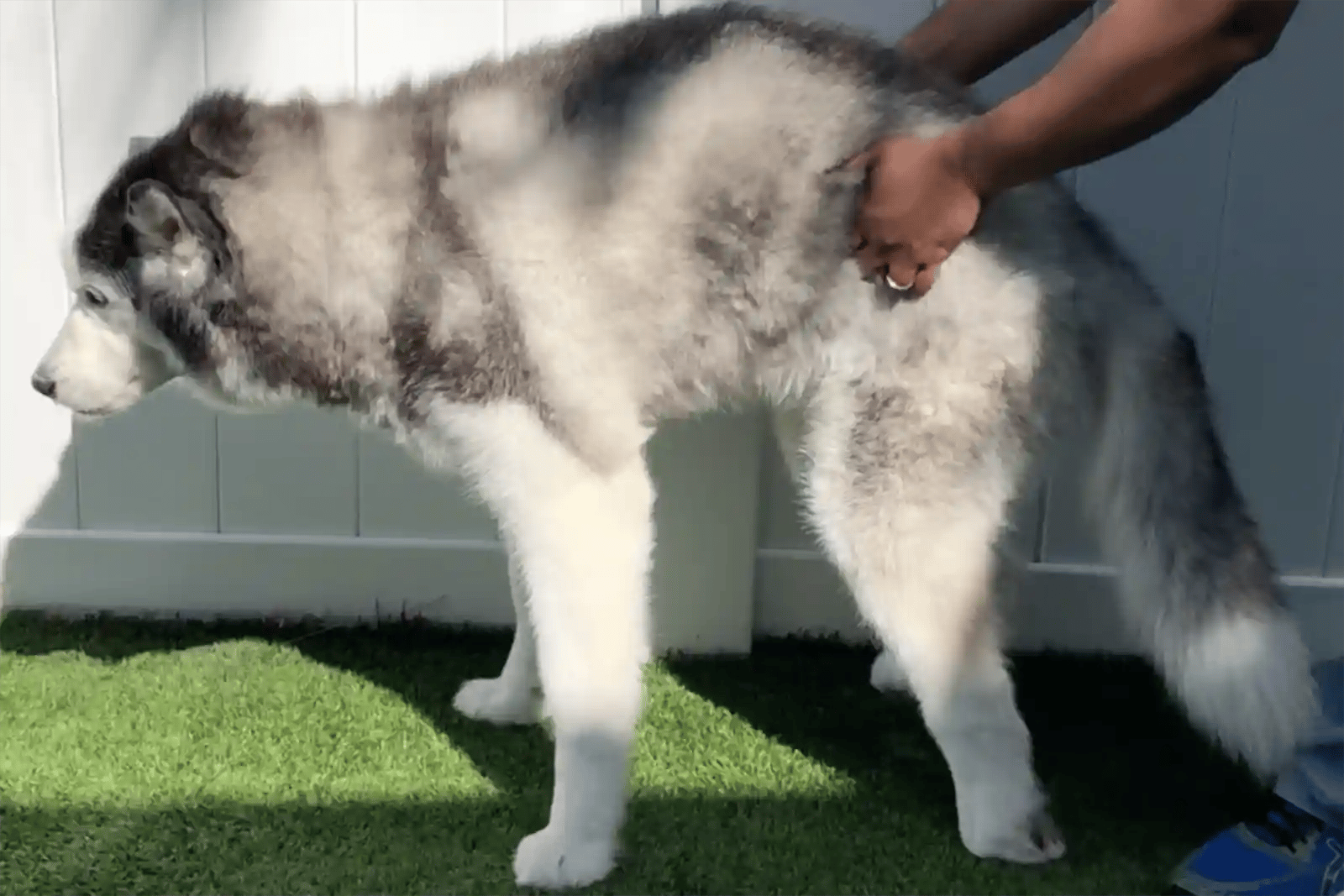
Image Source: sevneurology.com
Immediate Steps When Your Dog Can’t Walk
Seeing your dog unable to move their legs is scary. Time is very important. What you do right away can help your dog greatly.
- Stay Calm: Your dog can feel your stress. Try to stay calm. This helps them stay calm too.
- Move Safely: Do not force your dog to stand or walk. This can make some problems worse. If you need to move them, use a blanket or a towel like a sling. Put it under their belly to support their weight. Lift them gently.
- Check for Obvious Injuries: Look for cuts, swelling, or strange angles of their legs. Is there anything stuck in their paws?
- Note Other Signs: Does your dog seem to be in pain? Are they whining? Do they have a head tilt? Are their eyes moving strangely? Write down everything you see. This helps the vet.
- Call Your Vet Right Away: This is not a “wait and see” problem. Call your vet or an emergency animal clinic. Tell them what is happening. They can tell you what to do next.
Deciphering the Signs: What to Look For
When your dog cannot walk, it is often a sign of a deeper issue. The way they cannot walk can give clues.
- Weakness in one leg: This might point to an injury in that leg.
- Weakness in both back legs: This often means a problem with the spine or nerves going to the back legs. This is often seen as dog sudden hind leg weakness.
- All four legs weak: This is more serious. It can mean a problem with the neck, brain, or a general illness.
- Stumbling or losing balance: This can point to brain issues or inner ear problems.
- Dragging their legs: If your dog dragging back legs happens, it is a strong sign of nerve damage or spinal cord problems. They might not feel their legs or cannot control them.
- Pain signals: Whining, crying, shivering, not wanting to be touched, or hunching over can mean severe pain. This can be from an injury or a spinal issue.
Top Urgent Causes for Sudden Inability to Walk
Many things can cause a dog to stop walking. Some are very urgent and need quick care. Here are the main ones:
Spinal Cord Problems
The spinal cord is like a main cable running from the brain down the back. It sends messages to and from the legs. If this cable is hurt, messages cannot get through. This leads to weakness or paralysis.
Intervertebral Disc Disease (IVDD)
IVDD dog paralysis is a very common cause of sudden inability to walk. Dogs have soft discs between the bones in their spine (vertebrae). These discs act like cushions. With IVDD, one or more of these discs bulge or burst. They press on the spinal cord. This pressure causes pain and can stop nerve signals.
- Who gets it: Dachshunds, Beagles, Shih Tzus, and other long-backed dogs are often affected. But any dog can get it.
- Signs:
- Sudden back pain.
- Weakness in the back legs.
- Unsteady walking or stumbling.
- Dog dragging back legs.
- In severe cases, full IVDD dog paralysis.
- Pain when touched.
- Crying out.
- Reluctance to move, jump, or use stairs.
- Trouble controlling bladder or bowels.
- What happens: The disc material can push out suddenly, causing immediate signs. Or it can happen slowly, getting worse over time.
- Treatment: Depends on how bad it is. It can be strict rest, pain medicine, or surgery to fix the disc. Early action can prevent lasting damage.
Spinal Cord Injury
A spinal cord injury dog suffers from a sudden trauma to their back or neck. This can be from an accident, like:
- Getting hit by a car.
- Falling from a height.
- A bad jump or landing.
- Being stepped on.
-
Getting into a fight with another animal.
-
Signs:
- Sudden, complete inability to use one or more legs.
- Pain, especially if touched near the injury.
- Swelling or bruising on the back.
- Shock.
- Loss of bladder or bowel control.
- What happens: The force of the injury can bruise, crush, or even cut the spinal cord. This stops nerve signals.
- Treatment: Emergency care is vital. Vets will try to stabilize the dog, manage pain, and check for other injuries. Surgery might be needed to fix broken bones or remove pressure from the spinal cord.
Fibrocartilaginous Embolism (FCE)
FCE dog sudden inability to walk is often called a “spinal stroke.” It happens when a tiny piece of cartilage (from a disc) breaks off and blocks a blood vessel in the spinal cord. This cuts off blood flow to a small part of the spinal cord. The affected part of the spinal cord then does not work right.
- Who gets it: Often affects active, large-breed dogs, but any dog can get it. It usually happens after exercise or jumping.
- Signs:
- Very sudden lameness or paralysis, often with no pain.
- Often affects only one side of the body or two legs.
- The dog usually isn’t in much pain after the first few moments.
- Symptoms are at their worst right when it happens, then they might get a little better.
- What happens: The blockage stops blood flow. This damages nerve cells.
- Treatment: No surgery is needed. Treatment focuses on physical therapy and supportive care. Most dogs get better over weeks to months, but some may have lasting weakness.
Brain and Neurological Problems
The brain controls all body functions, including movement. If the brain has a problem, it can affect how a dog walks. These are often canine neurological emergency situations.
Dog Stroke Symptoms
Just like people, dogs can have strokes. A dog stroke symptoms can appear very suddenly. A stroke happens when blood flow to part of the brain is blocked or when a blood vessel in the brain bursts.
- Signs:
- Sudden loss of balance, falling over.
- Head tilt.
- Eyes moving oddly from side to side (nystagmus).
- Circling in one direction.
- Weakness or paralysis on one side of the body.
- Change in mental state, confusion.
- Loss of appetite.
- Pacing or walking into walls.
- What happens: Part of the brain does not get enough oxygen. This damages brain cells.
- Treatment: Vets focus on supportive care. This means making sure the dog is comfortable, giving fluids, and controlling any other health issues. Recovery varies. Some dogs get much better, others have lasting problems.
Vestibular Disease
Dog vestibular disease affects the balance system. The vestibular system is in the inner ear and brain. It tells the body where it is in space. When it goes wrong, dogs lose their sense of balance. This often comes on very suddenly.
- Who gets it: Older dogs are more prone to “idiopathic vestibular disease” (meaning no known cause). Ear infections can also cause it.
- Signs:
- Sudden head tilt, often very severe.
- Stumbling, falling, or circling.
- Eyes moving rapidly side-to-side (nystagmus).
- Nausea and vomiting due to dizziness.
- Trouble standing or walking. They might seem drunk.
- What happens: The balance system is not working right.
- Treatment: If it is idiopathic, it often gets better on its own in a few days to weeks. Vets might give medicine for nausea. If an ear infection causes it, that needs to be treated.
Brain Tumors
While brain tumors often cause slow-growing problems, sometimes they can cause sudden signs if they bleed or swell quickly.
- Signs: Can be like stroke or vestibular disease signs. Might also include seizures, behavior changes, or vision problems.
- What happens: A growth in the brain affects normal function.
- Treatment: Surgery, radiation, or chemotherapy might be options, depending on the type and location of the tumor.
Muscle and Joint Problems
Sometimes the problem is not with the nerves or brain, but with the muscles or joints themselves. Severe pain in these areas can stop a dog from walking.
Severe Injury to a Leg or Joint
A sudden, severe injury can cause immediate lameness. This could be:
- A broken bone.
- A torn ligament (like an ACL tear in humans).
- A dislocated joint.
-
A deep cut with nerve or muscle damage.
-
Signs:
- Not putting weight on a leg.
- Severe pain, crying out.
- Swelling or bruising.
- Leg held at an odd angle.
- What happens: The physical damage makes movement impossible or too painful.
- Treatment: Often requires surgery, pain medicine, and rest.
Acute Myopathy (Muscle Problems)
Sometimes a sudden muscle problem can cause weakness. This is less common but can happen. It might be due to a sudden muscle strain or a rare immune problem affecting muscles.
- Signs:
- Sudden weakness in one or more legs.
- Muscle pain or stiffness.
- What happens: The muscle tissue itself is damaged or not working.
- Treatment: Depends on the cause. Rest and anti-inflammatory drugs are common.
Other Urgent Causes
Not all sudden inability to walk comes from the spine, brain, or limbs. Other problems can also cause it.
Tick Paralysis
Tick paralysis in dogs is a severe problem. Certain types of ticks (especially the female paralysis tick) release a toxin when they bite. This toxin affects the dog’s nerves. It causes a progressive weakness that can lead to full paralysis.
- Where it happens: More common in certain parts of the world, like Australia and parts of North America.
- Signs:
- Starts as weakness in the back legs.
- Progresses to weakness in all four legs over a few days.
- Trouble breathing.
- Changes in voice.
- Gagging or vomiting.
- May not be in pain.
- What happens: The toxin blocks nerve signals to muscles.
- Treatment: Finding and removing the tick is the first step. Vets often give an anti-toxin. Supportive care, especially for breathing, is critical. This is a life-threatening condition if not treated fast.
Severe Pain (Non-Spinal)
Any source of intense pain can make a dog unwilling or unable to move. While acute back pain dog often points to spinal issues, severe pain from other areas can also cause it.
- Causes:
- Severe pancreatitis (belly pain).
- Bloat (twisted stomach).
- Peritonitis (infection in the belly).
- Severe infections (like a joint infection).
- Signs:
- Reluctance to move.
- Shivering, hunching.
- Whining or crying.
- Fast breathing.
- Not wanting to be touched.
- Other signs specific to the cause (e.g., vomiting with pancreatitis).
- What happens: The dog is in too much pain to move or walk.
- Treatment: Finding and treating the cause of the pain is key. Pain relief is also given.
Toxins or Poisons
Some poisons can affect the nervous system or muscles, causing weakness or paralysis.
- Examples: Certain insecticides, rat poison, some plants, or certain medications.
- Signs: Can vary greatly. May include vomiting, tremors, seizures, drooling, or weakness.
- What happens: The toxin interferes with normal body functions.
- Treatment: Depends on the poison. May include making the dog vomit, activated charcoal, IV fluids, and medicines to lessen the poison’s effects.
Metabolic Disorders
Sometimes, a severe imbalance in the body’s chemistry can cause sudden weakness.
- Examples: Very low blood sugar (hypoglycemia), severe electrolyte problems, or advanced kidney/liver disease.
- Signs: Weakness, wobbling, confusion, tremors, or even seizures.
- What happens: The body’s cells, especially nerve cells, do not get what they need to work.
- Treatment: Treating the underlying metabolic problem. This often means IV fluids and specific medications.
Grasping the Diagnostic Process
When you bring your dog to the vet with sudden inability to walk, the vet will act fast. They will try to find the cause quickly.
- Full Physical Exam: The vet will check your dog from head to tail. They will feel the spine, check joint movement, and look for pain.
- Neurological Exam: This is a key part. The vet will test reflexes, check how your dog reacts to pain (deep pain perception), watch their eye movements, and check their balance. This helps to pinpoint where the problem might be (brain, spinal cord, or nerves).
- Blood Tests: These can check for infections, organ problems, toxins, or metabolic issues.
- X-rays: Can show broken bones, disc spaces (for IVDD), or tumors. They do not show soft tissues like the spinal cord very well.
- Advanced Imaging (MRI or CT scan): These are often vital for spinal or brain problems. An MRI is best for seeing the spinal cord, discs, and brain tissue in detail. A CT scan is good for bones and some brain issues. These tests often need sedation or anesthesia.
- Spinal Fluid Analysis: Sometimes, a sample of fluid around the spinal cord is taken. This can help find inflammation or infection.
Table: Common Causes and Key Signs
| Cause | Key Signs | Urgency Level |
|---|---|---|
| IVDD | Sudden back pain, dog dragging back legs, IVDD dog paralysis, loss of balance | High |
| Spinal Cord Injury | Sudden inability to walk after trauma, severe pain, abnormal limb position | Very High |
| FCE | Very sudden weakness/paralysis, usually one-sided, often pain-free after onset | High |
| Stroke | Sudden loss of balance, head tilt, circling, odd eye movements, dog stroke symptoms | High |
| Vestibular Disease | Sudden head tilt, falling, circling, dizziness, nausea, dog vestibular disease | High |
| Tick Paralysis | Weakness starting in back legs, moves forward, trouble breathing, voice change, tick paralysis in dogs | Very High |
| Severe Leg Injury | Not using a leg, severe pain, swelling, visible injury | High |
| Acute Back Pain (non-IVDD) | Hunching, crying, stiffness, pain when touched along spine, acute back pain dog | High |
| Toxins/Poisons | Weakness, tremors, vomiting, seizures, specific symptoms of poison | Very High |
| Metabolic Issues | Generalized weakness, confusion, tremors, may have other signs of illness | High |
Path to Recovery: Treatment and Care
Treatment depends entirely on the cause. Early and proper treatment can often lead to a good outcome.
Medical Management
- Rest: For many spinal issues like IVDD or FCE, strict cage rest is often the first step. This means no running, jumping, or stairs.
- Pain Relief: Medicine to control pain and reduce swelling is given for many conditions.
- Anti-inflammatory Drugs: Steroids or NSAIDs (non-steroidal anti-inflammatory drugs) are used to reduce swelling, especially around the spinal cord or brain.
- Antibiotics: If an infection is causing the problem.
- Supportive Care: IV fluids for dehydration, medicine for nausea, or help with bladder/bowel control.
Surgical Intervention
- For IVDD: If medical management fails, or if paralysis is severe, surgery can be done to remove the disc material pressing on the spinal cord. This can relieve pressure and allow nerves to heal.
- For Spinal Cord Injury: Surgery might be needed to stabilize broken bones or remove bone fragments.
- For Tumors: Some brain or spinal tumors can be removed with surgery.
Rehabilitation and Physical Therapy
After the initial treatment, many dogs benefit greatly from physical therapy. This helps them regain strength, movement, and balance.
- Passive Range of Motion: Moving the dog’s limbs for them to keep joints flexible.
- Therapeutic Exercise: Gentle exercises to build muscle.
- Hydrotherapy: Water treadmills or swimming pools allow dogs to move without putting full weight on their legs. This is very good for building strength.
- Laser Therapy: Can help reduce pain and inflammation and speed healing.
- Acupuncture: Can be used to help with pain and nerve function.
- Carts and Harnesses: For dogs with lasting weakness, supportive carts or harnesses can help them move around.
Home Care and Long-Term Outlook
Your role in your dog’s recovery is huge.
- Follow Vet Instructions: Give all medicines as prescribed. Follow rest limits.
- Manage Environment: Keep floors non-slip. Use ramps instead of stairs. Block off areas where your dog might fall or get hurt.
- Patience and Support: Recovery can take time. Some dogs recover fully, others may have some lasting weakness or change in gait. Your love and patience are key.
- Regular Check-ups: Follow up with your vet to check progress and adjust treatment as needed.
Preventing Future Episodes
While not all causes are preventable, there are things you can do to reduce the risk for some conditions:
- Maintain a Healthy Weight: Extra weight puts more stress on joints and the spine. This is especially true for dogs prone to IVDD dog paralysis.
- Control Jumps and Falls: For long-backed dogs or those prone to back issues, limit jumping on and off furniture. Use pet stairs or ramps.
- Tick Prevention: Use vet-approved tick prevention products if you live in or visit areas with ticks. Check your dog for ticks regularly.
- Safe Environment: Keep harmful chemicals, human medications, and toxic foods out of reach. Secure your yard to prevent escapes and car accidents.
- Regular Vet Visits: Routine check-ups can catch underlying health issues before they become emergencies.
Seeing your dog suddenly unable to walk is a very serious event. It needs immediate vet attention. Do not delay. Quick action, proper diagnosis, and a tailored treatment plan can make a big difference in your dog’s health and ability to walk again.
Frequently Asked Questions (FAQ)
Q1: My dog suddenly can’t walk, but doesn’t seem to be in pain. Is it still an emergency?
A: Yes, absolutely. Some very serious conditions, like an FCE (spinal stroke) or early tick paralysis, may not cause obvious pain but still need immediate vet care. The inability to walk is a major sign of something wrong.
Q2: Can a dog recover completely after losing the ability to walk?
A: It depends on the cause and how fast treatment starts. Many dogs can recover fully or almost fully from conditions like IVDD (with treatment), FCE, or idiopathic vestibular disease. For severe spinal cord injuries or strokes, some dogs may have lasting weakness but can still have a good quality of life with proper care and therapy.
Q3: What should I do if my dog is dragging their back legs?
A: If your dog dragging back legs, it is a strong sign of a spinal or neurological problem. Get your dog to the vet right away. Do not force them to walk. Support their weight if you need to move them using a towel or blanket under their belly.
Q4: How quickly do I need to get my dog to the vet?
A: As fast as you can. Many causes of sudden inability to walk are emergencies. Early diagnosis and treatment can greatly improve the outcome and prevent more damage. Call your vet or an emergency clinic on your way.
Q5: Will my dog need surgery if they suddenly can’t walk?
**A: ** Not always. Surgery is often needed for severe IVDD or certain spinal injuries. But many other conditions, like FCE, tick paralysis, or vestibular disease, are treated with medicine and physical therapy. Your vet will tell you the best plan based on the cause.