
Can you weigh your dog at home? Yes, you absolutely can weigh your dog at home, and knowing how to do it is important for their health. What’s the best way to weigh a dog? The best way depends on your dog’s size, but often involves using your own bathroom scale or a specific scale made for pets. Monitoring your dog’s weight is a simple but powerful way to help them live a long and healthy life.
Keeping track of your dog’s weight is vital. It helps you catch health problems early. A sudden weight change, up or down, can mean something is wrong. Knowing your dog’s weight also helps your vet give the right amount of medicine. If your dog is overweight or underweight, you can work with your vet to help them get to a healthy weight. This guide will show you easy ways to weigh your dog at home, no matter how big or small they are.
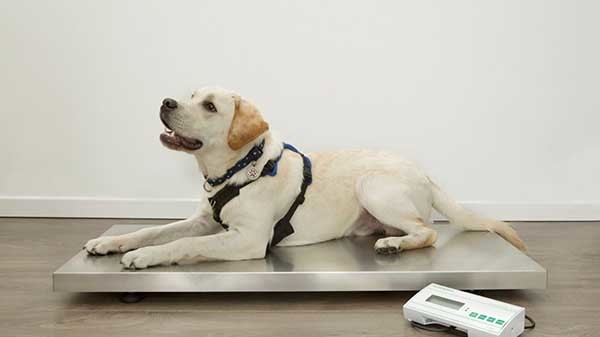
Image Source: www.marsden-weighing.co.uk
Why Checking Your Dog’s Weight Matters
Your dog’s weight is a key sign of their overall health. Think of it like your own weight. Doctors check your weight during check-ups for good reasons. It’s the same for dogs.
A healthy weight helps your dog in many ways:
* Less stress on joints: Being overweight puts extra pressure on bones and joints. This can lead to problems like arthritis.
* Lower risk of diseases: Fat dogs are more likely to get diabetes, heart disease, and breathing problems.
* Better energy levels: Dogs at a good weight have more energy to play and exercise.
* Longer life: Keeping a dog at a healthy weight can add years to their life.
On the flip side, losing too much weight can also be a sign of illness. It might mean your dog isn’t eating enough, isn’t taking in nutrients properly, or has a hidden health issue. Regular weighing helps you spot these changes fast.
Veterinarians use your dog’s weight for many things:
* To decide how much food your dog needs.
* To figure out the right dose for medicines.
* To check progress during treatment for health problems.
So, learning to weigh dog at home is a simple step you can take for your dog’s health. It gives you helpful information you can share with your vet.
Simple Ways to Weigh Your Dog
You don’t always need a fancy scale to weigh your dog. For many dogs, especially smaller ones, your regular bathroom scale works just fine. For larger dogs, it might be a bit trickier, but there are still ways to get a good idea of their weight.
Let’s look at the best way to weigh a dog based on their size.
Weighing Small Dogs
This is the easiest group. Small dogs can usually be picked up and held. The most common method for weighing dog at home is using your own bathroom scale.
Here’s how to weigh a small dog using a bathroom scale:
- Step 1: Weigh yourself. Step onto your bathroom scale by yourself. Look at the number and remember it or write it down. This is your weight alone.
- Step 2: Weigh yourself with your dog. Now, pick up your dog gently and step onto the scale while holding them. Make sure you are standing still. Get the new number from the scale. This is your weight plus your dog’s weight.
- Step 3: Do the math. Subtract your weight (from Step 1) from the combined weight (from Step 2). The answer is your dog’s weight.
Example:
Your weight: 150 pounds
Your weight holding dog: 165 pounds
Dog’s weight: 165 – 150 = 15 pounds
This bathroom scale dog weight method is quick and easy for dogs who are small enough to lift safely and comfortably. Make sure the scale is on a hard, flat floor, not carpet, for the most accurate reading.
Tips for Weighing Small Dogs
- Use treats to make it a positive experience. Give your dog a treat after weighing them.
- Try to weigh them at the same time of day, like before their first meal. This helps keep readings consistent.
- Make sure the scale is zeroed out before you start.
Weighing Medium to Large Dogs
How to weigh a large dog can be a bit more of a challenge because you can’t just pick them up. But you can still get their weight at home using a similar method or by finding a larger scale.
Using the Bathroom Scale Method (Still Possible for Some)
For dogs that are too heavy to lift, but maybe not giant, you might still try the bathroom scale method, but slightly differently.
- Place the bathroom scale on the floor.
- See if you can teach your dog to stand on the scale by themselves. Use treats and praise. Place a mat or towel on the scale to make it less scary.
- If your dog stands still on the scale, read the number. This is their weight.
Many dogs are scared of standing on the small, sometimes wobbly, bathroom scale. This method works best for dogs who are calm and easy to train. If your dog won’t stay on the scale, or the scale isn’t big enough for all four paws to be on it, this method won’t be accurate.
Other Ways to Weigh a Large Dog
If the bathroom scale method doesn’t work, you have a few other choices for weighing dog at home or nearby:
- Pet Weight Scale: You can buy a pet weight scale. These are usually larger platforms designed for animals to stand on. A dog weighing scale might be a good idea if you have a large dog and plan to monitor dog weight often. They can be expensive, though.
- Veterinary Scale: Your vet’s office has a large, sturdy veterinary scale. They are happy for you to pop in just to use the scale. Call ahead to make sure it’s a good time. This is a very accurate way to get your dog’s weight.
- Pet Supply Stores: Many large pet stores have a pet weight scale available for public use, often near the grooming or vet clinic area inside the store. This is a free and easy option.
- Groomers: Some dog groomers also have scales you might be able to use.
Getting your large dog onto a scale can sometimes need two people. One person can guide the dog onto the scale while the other encourages them with treats and praise.
Steps to Weigh a Dog Properly
Let’s break down the steps to weigh a dog, combining the tips for different sizes. This is the core process for getting an accurate reading at home.
Step 1: Get Ready
Gather what you need:
* Your dog.
* A reliable scale (bathroom scale, pet weight scale, or access to a veterinary scale).
* Tasty treats.
* A pen and paper, or your phone to write down the weight.
Choose a good time when your dog is calm. Avoid weighing them right after they eat or exercise heavily, as this can slightly affect the reading. Weighing them first thing in the morning is often best.
Step 2: Prepare the Scale and Area
- Place the scale on a hard, flat surface. No carpet!
- Make sure the scale is zeroed or calibrated. For a digital bathroom scale, just step on and off once first.
- Remove anything that might add extra weight, like a collar or harness, if it’s heavy. For most dogs, leaving a light collar on is fine, but be consistent each time you weigh.
- Make the area around the scale safe and non-slip.
Step 3: Introduce Your Dog to the Scale
Some dogs are nervous about scales. Make it fun!
* Let your dog see and sniff the scale.
* Put treats on the scale and let them eat them off.
* Praise your dog for getting near the scale.
* Don’t force your dog onto the scale. Be patient.
Step 4: Perform the Weigh-In
This step depends on your dog’s size and the method you choose.
-
For small dogs (using the bathroom scale method):
- Weigh yourself first. Write it down.
- Pick up your dog carefully.
- Step onto the scale holding your dog. Stand still.
- Read the combined weight. Write it down.
- Subtract your weight from the combined weight. That’s the dog’s weight.
- Put your dog down and give them a treat and praise.
-
For medium to large dogs (trying to use a bathroom scale):
- Encourage your dog to step onto the scale.
- Use treats to keep them standing still with all four paws on the scale.
- Read the weight once the number is stable.
- Give your dog a treat and praise for being brave.
-
For medium to large dogs (using a pet or vet scale):
- Guide your dog onto the larger scale platform.
- Keep them calm and still on the scale using gentle words and treats.
- Wait for the scale to lock onto the weight.
- Read the number.
- Let them off and reward them.
Step 5: Record the Weight
Write down the date and your dog’s weight immediately. Keep this record in a notebook, on your phone, or in a pet app. Seeing the numbers over time helps you monitor dog weight trends.
Step 6: Clean Up
Clean the scale if needed, especially if you used treats or if your dog had an accident.
These steps to weigh a dog help you get the most accurate measurement possible in a home setting.
Getting the Right Scale
Choosing the right scale makes weighing your dog easier and more accurate. Let’s look at the options.
The Bathroom Scale
- Pros: You probably already have one. It’s free to use. Easy for weighing small dogs using the ‘weigh yourself with dog’ method.
- Cons: Not designed for animals. Can be unstable for dogs to stand on directly. Often too small for medium or large dogs to fit on completely. Accuracy can vary depending on the quality of the scale. The ‘subtraction’ method can have small errors.
- Best for: Small dogs that you can lift easily.
If you use a bathroom scale, make sure it’s a digital one. They are usually more accurate than old-style needle scales. Always use it on a hard floor.
The Pet Weight Scale
- Pros: Made for animals. Often has a larger platform for dogs to stand on. Some have features like weight lock (holds the weight even if the dog moves slightly) or are low to the ground for easy access. Can be more accurate for pets than a regular bathroom scale.
- Cons: Can be expensive. Takes up space. You might not need it if you have a small dog or easy access to a vet or pet store scale.
- Best for: Owners of medium to large dogs who want to weigh their dog at home regularly and are willing to invest in a dedicated scale.
There are different types of pet scales. Some are small, like a tray, for tiny puppies or cats. Others are large platforms for big dog breeds. Look for a scale that can handle your dog’s maximum expected weight.
The Veterinary Scale
- Pros: Highly accurate. Very sturdy and large platform. Designed specifically for weighing animals of all sizes. Often low to the ground.
- Cons: You usually can’t have one of these at home due to size and cost. You need to travel to your vet’s office or a pet store that has one.
- Best for: The most accurate weight measurement for dogs of any size. Great for initial weigh-ins or when you need a precise number for medical reasons.
Accessing a veterinary scale or a pet store pet weight scale is a great alternative if you have a large dog and don’t want to buy your own dog weighing scale.
Table: Scale Options for Weighing Your Dog
| Scale Type | Best For | Pros | Cons | Home Use? | Accuracy |
|---|---|---|---|---|---|
| Bathroom Scale | Small dogs (liftable) | Cheap, readily available | Not designed for pets, small platform, less stable | Yes | Fair |
| Pet Weight Scale | Medium to Large dogs | Designed for pets, larger platform | Can be expensive, takes space | Yes | Good |
| Veterinary Scale | All sizes, especially large | Very accurate, sturdy, large platform | Not typically for home, need to travel | No | Excellent |
Think about your dog’s size, how often you want to weigh them, and your budget when deciding on the best approach.
Getting Accurate Readings
Even with the right scale, getting an accurate dog weighing scale reading can be tricky if your dog wiggles! Here are some tips for getting the most reliable numbers when you weigh dog at home:
- Be Consistent: Always use the same scale in the same spot on a flat floor. Weigh your dog at the same time of day (like morning before food) each time.
- Keep Them Still: This is the hardest part for some dogs.
- Use high-value treats (small bits of cheese or hot dog).
- Have a helper distract the dog or hold them gently.
- Place a non-slip mat or towel on the scale surface.
- Make it a quick process.
- Praise calmness.
- Wait for the Number: If using a digital scale, wait for the number to stop changing and lock in. Some pet scales have a ‘hold’ function just for this.
- Check Your Bathroom Scale: If using your bathroom scale, make sure it’s working correctly. You can test it by weighing a known weight (like a bag of flour or a dumbbell).
- Factor in Equipment: A collar or harness adds a little bit of weight. Try to remove them if you want the most accurate body weight. Be consistent if you leave them on.
- Record Immediately: Write down the weight as soon as you get it to avoid forgetting or mixing up numbers.
Small variations are normal. Don’t worry about half a pound difference from one day to the next. Look for bigger changes over weeks or months.
Monitoring Your Dog’s Weight Over Time
Weighing your dog once is a start, but the real value comes from monitoring dog weight regularly. This helps you see trends and catch issues early.
How Often to Weigh?
- Adult Dogs (healthy weight): Every 1-3 months is usually enough.
- Puppies: Weekly or every two weeks. Puppies grow fast!
- Senior Dogs: Monthly. Weight changes can be more common in older dogs.
- Dogs on a diet or medication: As often as recommended by your vet, possibly weekly or every two weeks.
- Dogs with health issues: As often as advised by your vet.
Keep your weight records in one place. A simple chart or spreadsheet works well.
Table: Sample Dog Weight Log
| Date | Weight (lbs) | Notes (Food changes, activity, vet visits) |
|---|---|---|
| 2023-01-15 | 25.0 | Started new food |
| 2023-02-15 | 25.5 | |
| 2023-03-15 | 26.1 | Looks a bit round? |
| 2023-04-15 | 26.8 | Vet visit – vet agrees slightly overweight |
| 2023-05-15 | 26.5 | Started cutting back treats |
| 2023-06-15 | 26.0 |
What to Look For
- Steady Gain: If your adult dog is slowly gaining weight over several months, they might be getting overweight. This is a common issue.
- Rapid Gain or Loss: A fast change in weight (either up or down) is a red flag. Call your vet.
- Weight Not Changing (Puppy/Senior): Puppies should be gaining weight steadily. Seniors might lose muscle mass. No change when there should be change is a sign to watch.
- Weight Below or Above Ideal: Compare your dog’s weight to the healthy range for their breed and size.
Beyond the Scale: Body Condition Scoring
Weight alone doesn’t tell the whole story. Two dogs of the same breed and weight can look very different based on muscle mass and build. This is where Body Condition Scoring (BCS) comes in.
BCS is a hands-on way to check if your dog is too thin, too fat, or just right. It involves looking at and feeling your dog’s body. Most vets use a 5-point scale (1=too thin, 5=too fat, 3=ideal) or a 9-point scale.
Here’s a simple look at the 5-point scale:
- BCS 1 (Very Thin): Bones easily seen from a distance. No fat at all. Clear waist and tummy tuck.
- BCS 2 (Thin): Ribs, spine, and hip bones easy to feel and sometimes see. Clear waist and tummy tuck. Little fat.
- BCS 3 (Ideal): Ribs easy to feel with slight pressure, but not seen. Waist is seen from above. Tummy tuck is present from the side. Body shape is in good proportion.
- BCS 4 (Overweight): Hard to feel ribs under a layer of fat. Waist is hard to see or not present. Tummy tuck is minimal or absent. May have fat rolls at the base of the tail.
- BCS 5 (Obese): Heavy fat layer makes it very hard or impossible to feel ribs. No waist or tummy tuck. Obvious fat rolls. Belly is swollen.
You can learn to do a basic BCS check at home. Combined with weighing dog at home, this gives you a much clearer picture of your dog’s body shape and health.
Determining Your Dog’s Ideal Weight
So you have your dog’s weight – but is it a good weight? Knowing the healthy range for your dog is key to monitor dog weight effectively.
Breed Standards
For purebred dogs, breed standards often give a weight range. This is a good starting point, but remember it’s just a guideline. Individual dogs vary. You can often find breed standards on kennel club websites.
Consulting Your Vet
Your veterinarian is the best person to tell you your dog’s ideal weight or healthy weight range. They will consider:
* Your dog’s breed (or mix).
* Their age.
* Their body structure and size.
* Their Body Condition Score.
* Any health issues they have.
They can help you calculate dog weight goals if your dog needs to lose or gain weight. Don’t just rely on online calculators that give a number based on breed alone; they don’t know your specific dog.
What if Your Dog is a Mix?
For mixed breed dogs, it’s harder to guess the ideal weight based just on looks. Your vet’s assessment using BCS and their general knowledge of dog body types is even more important here. They can help you find a target pet weight scale reading that is healthy for your unique dog.
Don’t aim for a number you found online without checking with your vet first. Every dog is different!
What to Do About Weight Changes
You’re weighing your dog and keeping records. What if you notice a change?
If Your Dog is Gaining Weight
This is very common. Often, it’s due to too much food, too many treats, or not enough exercise.
- First, don’t panic. Small gains happen.
- Review their food: Are you measuring their food correctly? Are they getting extra food from family members?
- Check the treats: Treats add calories! Make sure they are only a small part of the diet.
- Increase exercise: Can you add an extra walk or playtime?
- See your vet: It’s important to rule out any health reasons for weight gain (though less common than too many calories). Your vet can also help you create a safe weight loss plan. They might recommend a special diet food lower in calories.
Losing weight takes time. Be patient and follow your vet’s advice. Rapid weight loss is usually not safe unless closely supervised by a vet.
If Your Dog is Losing Weight
Weight loss without trying can be more concerning and often points to an underlying health issue.
- Check food intake: Is your dog eating normally? Have you changed their food?
- Look for other signs: Is your dog also less active, drinking more, throwing up, or having diarrhea?
- See your vet immediately: Unexplained weight loss needs a vet visit to figure out the cause. It could be dental problems, kidney disease, diabetes, parasites, or other serious conditions.
Never ignore unexplained weight loss in your dog. Getting your dog onto a veterinary scale at the clinic for an accurate starting weight is often the first step the vet will take.
Making Weighing a Positive Experience
Some dogs are scared of scales. It’s a strange object! Here’s how to make the process less stressful:
- Start slow: Let your dog get used to the scale being around before you even try to weigh them.
- Use treats: Place treats on or near the scale. Let your dog approach it willingly to get the treats.
- Use a mat: Putting a familiar mat or towel on the scale can make it feel less foreign.
- Stay calm: Dogs pick up on your stress. Be relaxed and cheerful.
- Praise: Give lots of praise and positive reinforcement for any step in the right direction (looking at the scale, walking near it, touching it, putting one paw on, putting all paws on).
- Break it down: If your dog is scared, just practice getting them comfortable being near the scale for the first few tries. Don’t even try to weigh them yet. Gradually build up to them standing on it.
- Consider location: Maybe the bathroom feels cramped or scary. If you have a portable pet weight scale, try it in a more open, positive area like the living room or kitchen.
Patience is key. If you push a scared dog too hard, you might make the fear worse. A few minutes of positive practice regularly is better than one stressful forced weighing.
Final Thoughts on Weighing Your Dog At Home
Knowing how to weigh a dog properly at home is a valuable skill for any dog owner. It gives you important health information right at your fingertips. Whether you use a bathroom scale dog weight method for your small friend or rely on a larger dog weighing scale or visits to the vet for your bigger companion, regular weighing helps you monitor dog weight and catch problems early.
Remember to keep consistent records and look at the trend over time, not just one number. Combine weighing with Body Condition Scoring for the best picture of your dog’s health. Your vet is your partner in keeping your dog at a healthy weight. Don’t hesitate to ask them about your dog’s ideal weight range or if you are worried about their weight changing.
Making weighing a positive routine can help your dog accept it as just another normal part of life, like getting their nails trimmed or going for a walk. A healthy weight means a happier, more active life for your beloved pet!
Frequently Asked Questions (FAQ)
Q: How do I calculate dog weight if I can’t weigh them?
A: You can’t accurately calculate dog weight just by looking. The best way to estimate size and health is using Body Condition Scoring (BCS). For an actual weight number, you need a scale. If you can’t weigh your dog at home, visit your vet or a pet supply store with a scale.
Q: Can I use a baby scale for my puppy?
A: Yes, for very small puppies, a baby scale can work well. Make sure it’s clean and safe for the puppy to stand on. Once they get too big or heavy for the baby scale, switch to the bathroom scale method or a pet weight scale.
Q: My dog hates the scale. What should I do?
A: Don’t force them. Use positive reinforcement. Put the scale out, let them see it. Put treats near it, then on it. Praise them for getting closer. Slowly work up to them putting paws on it, then standing on it. Make it fun and use lots of treats. Be patient; it might take several short training sessions.
Q: How much should my puppy weigh?
A: Puppy weight varies hugely by breed and age. There’s no single answer. Your vet can tell you if your puppy is growing at a healthy rate based on their specific breed or mix. Regular weighing helps you track their growth.
Q: Is it normal for a dog’s weight to change slightly day to day?
A: Yes, minor fluctuations (a few ounces) are normal due to things like digestion, hydration, or time of day. Look for changes of a pound or more for small dogs, or a few pounds for large dogs, over weeks or months, rather than daily ups and downs. Consistency in how and when you weigh helps.
Q: My vet says my dog is overweight. What’s the first step?
A: Talk to your vet about a plan. They will help you figure out how much food to give, recommend exercise, and maybe suggest a special diet food. Do not drastically cut food without vet guidance. Use your home scale to monitor dog weight weekly or bi-weekly while they are losing weight.
Q: Where can I find a pet weight scale to use if I don’t want to buy one?
A: Check your local veterinary clinic or large pet supply stores. Many have scales available in the lobby. Call ahead to confirm. This is often the best way to weigh a large dog accurately without buying expensive equipment.