
Image Source: smb.ibsrv.net
How To Treat Dog Food Poisoning At Home: Your Emergency Guide
What is food poisoning for dogs? Dogs get food poisoning when they eat something harmful, like spoiled food, toxic plants, or human foods that are bad for them. Can I treat dog food poisoning at home? Yes, for mild cases, you can often treat your dog at home. What should I give my dog for food poisoning? You might give them a bland diet, certain natural remedies, or activated charcoal, but always with caution. This guide helps you know what to do if your dog eats something bad and shows signs of food poisoning, giving you steps for quick, safe home care.
Detecting Dog Food Poisoning
Spotting issues early helps your dog a lot. Dog food poisoning symptoms can vary greatly. They depend on what your dog ate and how much. Be a careful observer of your dog’s usual actions. Any change can be a clue.
Common Signs to Watch For
The signs of dog food poisoning often show up quickly. Sometimes, they appear hours later. Keep an eye out for these common issues:
- Vomiting: This is often the first sign. Your dog might throw up once or many times. The vomit might have food, liquid, or even foam.
- Diarrhea: Loose stools or watery poop are very common. It can be mild or severe. Sometimes, blood or mucus might be present.
- Loss of Appetite: Your dog might not want to eat or drink. Even favorite treats might be turned down.
- Lethargy: Your dog seems very tired and weak. They might sleep more than usual or not want to play.
- Abdominal Pain: Your dog might whine, seem restless, or have a hunched-up posture. They might not want their belly touched.
- Drooling: Excessive drooling can happen with nausea or if they ate something bad-tasting.
- Weakness or Shaking: They might seem wobbly or have tremors.
- Dehydration: This happens if vomiting or diarrhea is bad. Signs include sticky gums and sunken eyes.
When Symptoms Get Serious
Some signs mean you need a vet right away. These are more severe symptoms.
- Severe Vomiting or Diarrhea: If your dog throws up many times an hour or has constant watery diarrhea.
- Blood in Vomit or Stool: Any blood is a serious sign.
- Collapse or Seizures: These are emergency signs.
- Trouble Breathing: Heavy panting, gasping, or blue gums.
- Extreme Weakness: Your dog cannot stand or walk.
- Swollen Belly: Especially if it seems hard or painful.
- Pale Gums: Gums should be pink. If they are white or very pale, it means big trouble.
- Loss of Consciousness: Your dog is unresponsive.
If you see any of these severe signs, do not wait. Get your dog to the vet immediately.
Immediate Actions: First Aid
When you think your dog has food poisoning, quick thinking matters. This is your first aid for dog poisoning. Your first steps can help keep your dog safe before or instead of a vet visit.
Contacting Your Vet
Even for mild signs, call your vet first. This is very important. Tell them what happened. Describe your dog’s symptoms. They can tell you if home care is safe or if you need to come in. They might ask about what your dog ate. Write down their advice carefully.
What Did They Eat?
Try to figure out what your dog ate. This info helps your vet a lot.
- Did they get into the trash?
- Did they eat a plant in the yard?
- Did they snatch food from the counter?
- Do you have any leftover packaging or remnants of the food?
- Did you recently change their food?
Knowing the source can help you and the vet know what kind of poison it might be. If you suspect they ate a toxic plant or chemical, take a sample or a picture. This can speed up treatment.
Safe Home Care Steps
After talking to your vet, they might tell you to try home treatment. Here are safe steps for dog ate something bad treatment.
Managing Vomiting and Diarrhea
The main goals are to calm your dog’s stomach and stop fluid loss. Home remedies for dog vomiting and dog diarrhea treatment at home often involve simple steps.
- Withholding Food: Do not give your dog any food for 12-24 hours. This lets their digestive system rest. For very young puppies or very old dogs, or small breeds, talk to your vet first about how long. They might need shorter fasting times. Always allow small sips of water.
- Hydration: Water is key. Offer small amounts of fresh water often. Do not let them gulp down a lot at once. This can make vomiting worse.
- Offer 1-2 tablespoons of water every 15-30 minutes.
- You can also offer unflavored Pedialyte diluted with water (half Pedialyte, half water). This helps replace lost electrolytes. Ask your vet first.
- Ice Chips: If your dog throws up water, try ice chips. Small pieces are less likely to upset their stomach.
Introducing Activated Charcoal
For some types of poisoning, activated charcoal can help. It can bind to toxins in the stomach and gut. This stops the body from taking in the toxins. Activated charcoal for dogs dosage depends on their weight and the type of toxin. Always ask your vet before giving activated charcoal. It does not work for all poisons. It can also cause side effects like constipation.
Table: General Activated Charcoal Dosage for Dogs (Consult Vet First)
| Dog’s Weight (approx.) | Typical Dosage (Powder mixed with water) |
|---|---|
| Small (up to 10 lbs) | 0.5 – 1 gram |
| Medium (11-50 lbs) | 1 – 2 grams |
| Large (51-90 lbs) | 2 – 4 grams |
| Giant (90+ lbs) | 4 – 5 grams |
- How to Give: Mix the powder with a little water to make a slurry. Use a syringe (without the needle) to squirt it slowly into the side of their mouth. Go slow to prevent choking.
- Important Note: Activated charcoal can make stools black. This is normal.
Calming the Stomach
Natural remedies for canine upset stomach can help soothe the gut.
- Ginger: Ginger can ease nausea. You can give a tiny bit of fresh ginger. For a small dog, a piece the size of your pinky nail is enough. For a bigger dog, a little more. You can also make weak ginger tea. Let it cool. Offer a spoonful.
- Slippery Elm Bark: This herb makes a gel when mixed with water. This gel coats the digestive tract. It can help with both vomiting and diarrhea.
- Dosage: For every 10 pounds of body weight, use 1/4 teaspoon of slippery elm powder. Mix with enough water to make a thin paste. Give with a syringe every 4-6 hours.
- Chamomile Tea: This can help calm an upset stomach. Brew a very weak tea. Let it cool completely. Offer a small amount.
The Role of Probiotics
Once vomiting stops, probiotics can help. They put good bacteria back into the gut. This helps balance the digestive system. Choose a probiotic made for dogs. Follow the dosage on the package. You can find them at pet stores or vet clinics. Do not give human probiotics without talking to your vet.
Feeding Your Recovering Dog
After food poisoning, your dog’s stomach is sensitive. They need a gentle diet. This is where a bland diet for sick dog comes in.
What is a Bland Diet?
A bland diet is easy to digest. It helps your dog’s gut heal. It has simple ingredients.
Common Bland Diet Foods:
- Boiled Chicken Breast (skinless, boneless): Boil plain chicken. Do not add any spices or oil. Shred it finely.
- Plain White Rice: Cook white rice very well. Make it mushy. Avoid brown rice as it has too much fiber for an upset stomach.
- Pumpkin (canned, plain): Make sure it’s 100% pure pumpkin, not pie filling. Pumpkin is good for both diarrhea and constipation. It has fiber that helps.
- Boiled Potatoes (plain): Boil potatoes until very soft. Mash them without butter or milk.
- Cottage Cheese (low-fat): A small amount of low-fat cottage cheese can be added for protein. Make sure it has no added salt.
Table: Sample Bland Diet Serving Sizes (per meal)
| Dog’s Weight (approx.) | Portion Size | Example Mix |
|---|---|---|
| Small (up to 10 lbs) | 1/4 cup | 1 tbsp chicken, 3 tbsp rice |
| Medium (11-50 lbs) | 1/2 – 1 cup | 1/4 cup chicken, 1/2-3/4 cup rice |
| Large (51-90 lbs) | 1.5 – 2 cups | 1/2 cup chicken, 1-1.5 cups rice |
| Giant (90+ lbs) | 2.5 – 3 cups | 3/4 cup chicken, 1.5-2.25 cups rice |
- How to Serve: Give very small meals often. Start with 3-4 small meals a day instead of 1-2 big ones.
Gradual Reintroduction
Slowly bring your dog back to their regular food. Do this over several days.
- Day 1-2 (after fasting): Only bland diet.
- Day 3: Mix 75% bland diet with 25% of their regular food.
- Day 4: Mix 50% bland diet with 50% regular food.
- Day 5: Mix 25% bland diet with 75% regular food.
- Day 6: Back to 100% regular food, if all is well.
If vomiting or diarrhea returns at any step, go back to the previous step. Wait until symptoms clear again before moving forward.
Stopping Future Incidents
Prevention is always best. You can take steps to stop your dog from getting food poisoning again.
Securing Your Home
- Trash Cans: Use cans with tight lids. Keep them in a closed cabinet or garage. Dogs are smart and can open many lids.
- Food Storage: Store all human food in dog-proof containers or high up. Do not leave food on counters or low tables. This includes raw meat, cooked leftovers, and snacks.
- Pantry and Cabinets: Add child locks or latches to cabinets with food, chemicals, or cleaning supplies.
- Toxic Plants: Know what plants are toxic to dogs. Remove them from your home and yard. Common toxic plants include lilies, sago palms, azaleas, and daffodils. Check online resources or ask your vet for a list.
- Medications: Keep all human and pet medications locked away. Never leave pills on counters.
- Chemicals: Store cleaning products, antifreeze, rodenticides, and pesticides out of reach. Remember, even a small lick of antifreeze can be deadly.
Watchful Supervision
- Walks: Watch your dog closely on walks. Stop them from eating anything off the ground. This includes trash, dead animals, or unknown plants.
- Yard Time: Supervise your dog in the yard. Make sure they are not digging up plants or eating mushrooms. Remove wild mushrooms quickly, as many are very toxic.
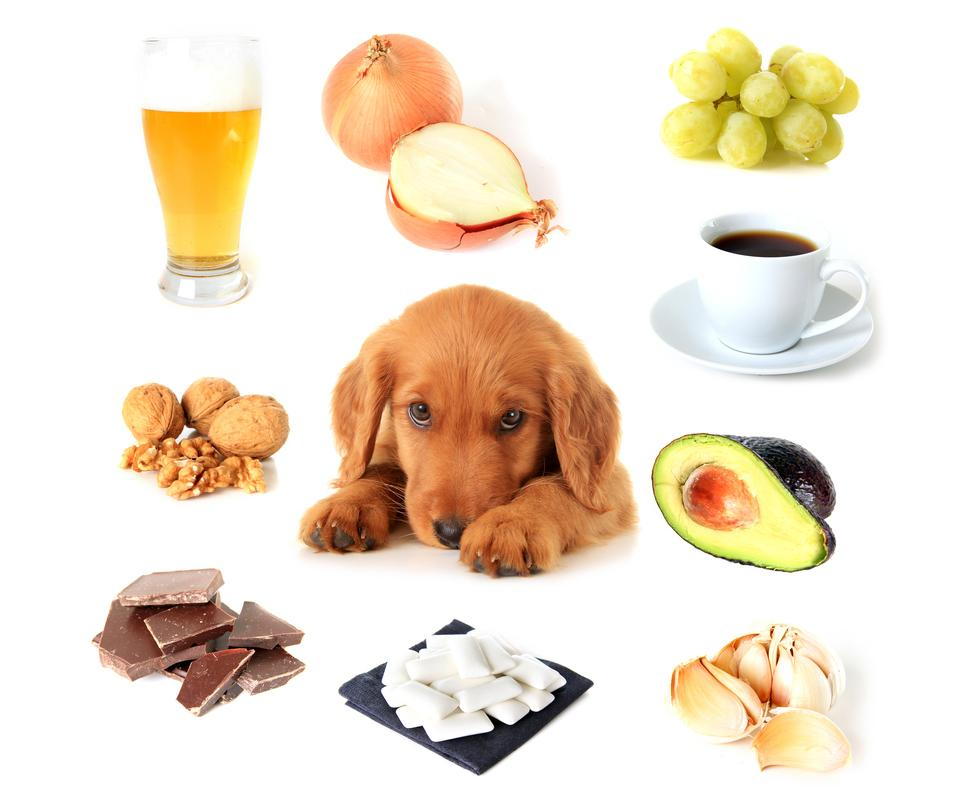
- Guest Awareness: Tell visitors about dog-safe rules. Ask them not to feed your dog human food without asking. Many human foods are bad for dogs (chocolate, grapes, onions, xylitol).
- Check Pet Food: Always check the dates on your dog’s food. Store food in a cool, dry place. Keep it in its original bag or a sealed container. Watch for pet food recalls. These happen when food might be contaminated. Sign up for email alerts from pet food safety sites.
When Vet Care is a Must
While home care helps for mild cases, some situations need a vet. It is important to know when to seek help. Do not delay if your dog seems very sick.
Urgent Signs
- Constant Vomiting or Diarrhea: If it won’t stop, your dog will get very dehydrated.
- Extreme Weakness: Your dog can’t stand or is unresponsive.
- Signs of Pain: Crying, panting, or showing clear signs of distress.
- Bloody Vomit or Stool: Any blood is a big warning sign.
- Bloated or Hard Belly: This could be a sign of a serious stomach issue.
- Seizures or Collapse: These are emergencies.
- Known Toxin Ingestion: If you know your dog ate something very toxic (like rat poison, antifreeze, certain medications, or specific toxic plants), do not wait. Go to the vet right away. Even if they are not showing symptoms yet.
- No Improvement: If your dog doesn’t get better within 24 hours of home care, or if symptoms get worse.
- Very Young, Old, or Sick Dogs: Puppies, senior dogs, or dogs with other health problems get sick much faster. Their bodies cannot handle poisoning as well.
Trust Your Instincts
You know your dog best. If something just feels wrong, trust that feeling. It is always better to be safe and call your vet. They can guide you. They might tell you to monitor at home, or they might tell you to come in right away. A quick vet visit can save your dog’s life.
Frequently Asked Questions (FAQ)
Q1: What can I give my dog for food poisoning to settle their stomach?
A1: For a mild upset stomach, you can try small amounts of a bland diet like boiled chicken and white rice. Small sips of water or diluted Pedialyte help with hydration. Natural remedies like a tiny bit of ginger or slippery elm bark can also help calm the stomach. Always talk to your vet first before giving anything new.
Q2: How long does dog food poisoning last?
A2: How long it lasts depends on what was eaten and how much. Mild cases often get better within 24 to 48 hours with home care. More severe cases can last longer. If symptoms don’t improve in 24 hours, or get worse, see your vet.
Q3: Can dog food poisoning be fatal?
A3: Yes, severe cases of dog food poisoning can be fatal. This is true especially if a large amount of a highly toxic substance was eaten. Quick action and vet care are vital in these serious situations. Dehydration and organ damage from toxins are serious risks.
Q4: When should I take my dog to the emergency vet for food poisoning?
A4: Go to the emergency vet if your dog has severe or constant vomiting or diarrhea, blood in vomit or stool, extreme weakness, collapse, seizures, trouble breathing, or a swollen belly. Also, if you know they ate a very toxic substance, go right away, even if they show no symptoms yet.
Q5: Can I give my dog Pepto-Bismol for food poisoning?
A5: It is not a good idea to give your dog Pepto-Bismol or similar human medicines. These can contain ingredients like aspirin or salicylates. These can be harmful to dogs. They can cause stomach upset or other serious problems. Always use products made for dogs or ask your vet before giving any human medicine.
Q6: How do I know if my dog is dehydrated from food poisoning?
A6: Check their gums. They will feel sticky or dry, not moist. Their eyes might look sunken. You can also gently pinch the skin on their back. If it stays tented for a few seconds instead of springing back, they might be dehydrated. Severe dehydration needs vet care.
Q7: Should I make my dog throw up if they ate something bad?
A7: Never try to make your dog throw up without talking to your vet first. For some toxins, making them throw up can cause more harm. If your vet tells you to make your dog vomit, they will guide you on how to do it safely. Do not try this on your own.