
Training a dog to track deer helps hunters find animals that were hit but ran off. This guide will show you how to teach your dog this important skill. We will cover picking the right dog, starting training, and using simple steps to get your dog ready for real tracking. This skill is key for ethical hunting, making sure you recover deer quickly and limit suffering. It is a rewarding process for both you and your dog.
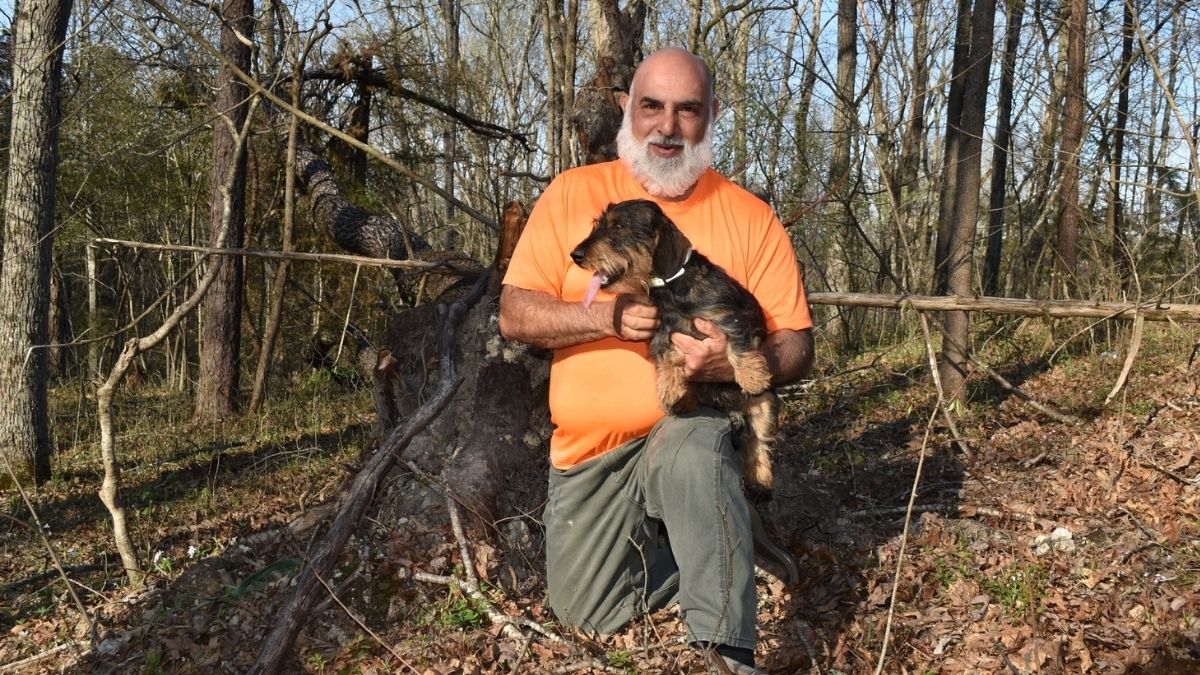
Image Source: dwr.virginia.gov
Why Train a Dog to Track Deer?
Tracking wounded deer is a big part of responsible hunting. Sometimes, even a good shot does not drop a deer right away. The deer might run a long way. Finding it in thick woods or at night can be very hard for a hunter alone.
This is where a wounded deer recovery dog comes in. A dog’s nose is amazing. It can follow the scent of blood or the specific smell of a wounded animal, even when a person sees nothing. Using a trained dog helps hunters find deer they might otherwise lose. This means less wasted game and more ethical hunting practice. It also makes sure the animal is found as soon as possible.
Picking the Right Dog
Not all dogs are cut out for tracking. Some breeds have a natural talent for using their nose. These are often called tracking dog breeds or best dogs for tracking deer. But just having the right breed is not enough. The dog also needs the right personality.
Look for a dog that is:
* Curious and likes to sniff things.
* Calm and focused, not easily scared or distracted.
* Eager to please you and work together.
* Physically fit and has good energy.
Good Tracking Dog Breeds
Many breeds do well as blood trailing dogs. Some of the most popular include:
- Bloodhound: Famous for their nose. They are very focused trackers.
- Bavarian Mountain Hound: Bred specifically for tracking wounded game. They are persistent.
- Hanoverian Scenthound: Another breed made for tracking large animals. They are strong and steady.
- Dachshund: Yes, the small ones! They were bred to follow game into dens. Many are great trackers.
- Labs, Beagles, Basset Hounds: Many scent hounds and retrievers have strong noses and a desire to work.
- Mixed Breeds: A dog does not have to be purebred to be a good tracker. Many mixed breeds have the right traits.
When choosing, think about the dog’s health history and the reputation of the breeder or rescue group. A good start makes training easier. If you are training puppy to track, start with simple scent games early on.
Getting Ready for Training
Before you start dog tracking training, gather what you need.
- Tracking harness and long leash: Use a special harness the dog only wears when tracking. This helps the dog know it is time to work. A long leash (20-30 feet) lets the dog move ahead while you follow.
- Scent material: You will need something that smells like deer. The best is real deer blood. You can often get this from hunters or butchers during deer season. Store it frozen in small amounts. Thaw only what you need. You can also use a piece of deer hide or liver.
- Scent dropper or bottle: A small bottle or syringe to lay a scent trail.
- Training area: Start in a place with short grass and few distractions. A field or park is good. As the dog gets better, move to areas like woods.
- Rewards: Small, tasty treats the dog loves. Use these only for tracking training to make them special.
- Training journal: Write down when and where you trained, how the dog did, and any problems. This helps you see progress.
Starting Scent Work: Scent Training Introduction
This is the very first step in scent training for hunting. The goal is to teach the dog that the specific scent (deer blood) is interesting and leads to something good (a reward or the “find”).
Step 1: Scent Association
- Put a tiny bit of deer blood on a cotton ball or small pad.
- Let the dog sniff it while you say a command like “Find!” or “Track!”
- Immediately give the dog a high-value treat and praise.
- Repeat this many times over a few sessions. The dog learns: Scent = Command = Treat.
Step 2: Short, Simple Trails
- Lay a very short trail, maybe just 10-15 feet.
- Put a few drops of blood every few feet.
- At the end of the trail, place the cotton ball with scent or a small piece of deer hide. Put a really good reward there, like a pile of treats or a favorite toy.
- Take the dog to the start of the trail. Put on the tracking harness.
- Give the “Find!” command and let the dog follow the scent.
- As the dog sniffs the trail, give soft praise (“Good dog!”).
- When the dog finds the end of the trail, praise hugely and let them enjoy the reward. Make it a big, fun celebration!
- Walk the dog away from the area before taking off the harness.
Key Ideas for Early Training
- Keep it fun: End sessions on a high note. Never punish the dog during tracking.
- Keep it short: Little and often is better than long, boring sessions. 5-10 minutes is plenty at first.
- Use fresh scent: Blood spoils quickly. Keep it frozen and thaw only what you need.
- Control the environment: Start in a place with no other animal smells or people distractions.
This scent training introduction builds the foundation. The dog learns to follow the line of smell happily.
Building the Trail: Making it Harder
Once the dog easily follows the short, straight trails, start making them more like a real deer blood trail.
Step 3: Adding Gentle Turns
- Lay a trail with one or two gentle turns.
- Keep the trail length short at first (20-30 feet).
- Put scent drops around the turns to help the dog.
- Watch how the dog handles the turn. If they overshoot, guide them gently back to the scent line.
- Celebrate finding the end reward just like before.
Step 4: Making Trails Longer and Older
- Slowly increase the length of the trail over many sessions. Go from 30 feet to 50, then 100, and so on.
- Once the dog is following longer trails well, start letting the trail “age” before running the dog. Lay the trail, then wait 30 minutes, then 1 hour, then longer. This teaches the dog to follow a scent that is not fresh.
- Keep the scent drops consistent at first. As the dog improves, you can space the drops farther apart.
Step 5: Using Less Scent
- Instead of dropping blood every few feet, space the drops out more.
- Eventually, aim for just one drop every 10-15 feet on easy parts, maybe a few more around turns or obstacles.
- This pushes the dog to truly track the faint scent, not just walk from one drop to the next.
Step 6: Adding the “Find” Object
- At the end of longer, older trails, start using a piece of deer hide or a deer leg (if you can get one) instead of just treats.
- Place treats on or next to the deer part.
- When the dog finds it, praise them for finding the “deer.” Let them sniff the object and give them the big reward. This teaches the dog that the goal is finding the deer, not just the blood trail itself.
- You can also hide the deer part slightly or cover it with leaves to make the “find” more realistic.
Training in Different Places
Real deer trails are not in open fields. They go through woods, over streams, and across different ground types.
Step 7: Changing Terrain and Cover
- Move your training to areas with different ground: grass, dirt, leaves, rocks, even shallow water.
- Lay trails through light brush or woods. The dog learns to push through cover while tracking.
- Watch how the dog handles changes in ground smell. Scent acts differently on pavement than on dirt, for example.
Step 8: Adding Obstacles
- Lay trails that go over fallen logs, through thick bushes, or across small ditches.
- The dog must learn to follow the scent line even when the path is not easy.
- You might need to help the dog at first, pointing out where the trail goes after an obstacle.
Step 9: Training in Different Weather
- Rain washes scent away. Wind blows scent around. Hot, dry air makes scent fade faster.
- Train in all types of weather. This helps you and the dog learn how scent behaves in different conditions.
- Tracking is often harder in rain or wind. Be patient.
Step 10: Adding Distractions
- Once the dog is solid on a trail, start adding mild distractions nearby, like a person standing quietly or another animal tied up far away.
- Slowly increase the level of distraction. The dog must learn to stay focused on the deer scent.
- This is key for scent training for hunting, where there are many smells and sights.
Hunting Dog Tracking Techniques
As your dog gets better, you will see their hunting dog tracking techniques.
- How they use their nose: Some dogs keep their nose right on the ground. Others work with their nose held higher, sniffing the air for scent particles moved by the wind.
- Their speed: Some dogs track fast, others are slow and methodical. Both can be good. Learn your dog’s style.
- Indicating scent: The dog might pull harder on the leash, wag their tail a certain way, or breathe differently when strongly on the scent. Learn your dog’s signals.
- Handling lost scent: If the dog loses the scent line, they should typically circle around the last known spot to try and pick it up again. Encourage this behavior.
Important Techniques for the Handler
Your role is crucial in hunting dog tracking techniques.
- Read your dog: Pay close attention to their body language. They are telling you if they are on scent or confused.
- Follow the dog: Do not pull the dog along. Let them lead you on the trail. Your job is to stay with them.
- Keep the leash loose: A tight leash restricts the dog’s movement and communication.
- Be patient: Tracking takes time. Sometimes the dog will get off track. Let them work it out.
- Trust your dog: Your dog’s nose is much better than yours. Learn to trust their signals, even if the trail does not look obvious to you.
Getting Ready for the Real Hunt: Wounded Deer Recovery
Training trails are different from real deer trails. Real trails might have:
* Very little blood.
* Deer that walked in circles or doubled back.
* Many other deer or animal scents.
* Other hunters’ scents.
Step 11: Realistic Training Trails
- Lay trails with minimal blood.
- Make trails with tricky patterns: sharp turns, loops, going over hard ground (like rocks or roads) where scent is weak.
- Lay trails that cross other animal tracks or human tracks.
- Place scent and the “find” object in harder-to-reach spots, like under a log or in thick brush.
Step 12: Using Different Types of Scent
- While blood is primary for blood trailing dogs, a wounded deer also leaves other smells: disturbed earth, broken plants, maybe gut contents (though try to avoid training on this directly at first).
- Advanced training might involve using just hide or hoof scent occasionally to prepare for trails with very little blood.
Deer Blood Trail Tips for the Handler
Even with a great wounded deer recovery dog, the handler needs to know what to do.
- Mark the hit site: When you shoot, carefully mark the exact spot the deer was standing or where you last saw it. Look for blood, hair, or bone there. This is where your dog starts.
- Wait before tracking: Unless you saw the deer drop, wait a while before tracking. 30 minutes to several hours (depending on the shot location) gives the deer time to lay down and stiffen up. Tracking too soon can push the deer farther.
- Observe the sign: Before releasing the dog, look for blood color and amount at the hit site. This gives clues about the shot. Bright red, bubbly blood might mean a lung hit. Dark red blood might mean a muscle hit. Green or brown matter means a gut hit (wait much longer).
- Watch the dog: Do not just walk behind. Watch how the dog works. Are they confidently pulling, or sniffing unsurely? Are they air scenting or ground scenting?
- Confirm the trail: When possible, visually confirm the blood trail your dog is following. This helps you learn what a real trail looks like and confirms your dog is right. However, trust your dog if they are strongly on scent where you see no blood.
- Use flagging tape: Carry bright tape (like orange) to mark the trail as you go. Tie it on branches every 20-30 feet. This helps you stay on the line, shows others where you are, and helps if you need to back out.
- Pay attention to dog’s alerts: Learn your dog’s signal for seeing the deer. It might be barking, pulling hard, or looking back at you.
- Safety first: Be aware of where you are, changing weather, and other hunters. Wear bright clothing.
Advanced Training and Problem Solving
- Cold Trails: Practice tracking trails left for many hours (overnight). Scent is much weaker.
- Water Crossings: Train the dog to find the scent again on the other side of a creek or pond.
- Hard Surface Tracking: Train on roads or rock areas where blood is almost invisible and scent is hard to follow.
- Multiple Deer: What if other deer crossed the trail? Train the dog to stay focused on the original wounded deer scent.
- Loss of Scent: If the dog loses the trail, go back to the last spot they were confidently tracking. Let them circle to find it again. Help them by pointing to where you last saw sign, but let them do the sniffing.
The Handler’s Role: Building a Team
Successful dog tracking training is about building a strong team. You are the guide, the strategist, and the support.
- Be Calm: Your dog reads your emotions. Stay calm and patient, even when tracking is tough.
- Reward Generously: When the dog does well, especially finding the final “deer,” make the praise and reward huge. Keep tracking exciting and positive.
- Be Consistent: Train regularly, even short sessions. Use the same commands and methods each time.
- Know Your Dog’s Limits: Do not push a young dog too hard or too long. Watch for signs of tiredness or frustration. End the session if needed.
- Learn Continuously: Read books, watch videos, and if possible, work with an experienced tracking dog handler. There is always more to learn.
Table: Training Stages Summary
| Stage | Goal | Trail Length | Scent Amount | Aging Time | Location |
|---|---|---|---|---|---|
| Scent Intro | Dog likes scent, links to command/reward | None | On cotton ball | None | Indoors/Quiet |
| Short Trails | Follows straight line of scent | 10-30 ft | Drops every few ft | None | Open, short grass |
| Adding Turns | Follows turns in scent line | 20-50 ft | Drops around turns | None | Open, short grass |
| Longer/Older | Follows longer trails, aged scent | 50-300 ft+ | Fewer drops | 30 mins – 2 hrs | Varied terrain |
| Less Scent | Tracks fainter scent, truly searches | Longer | Spaced drops | Longer | Varied terrain |
| Realistic Trails | Handles obstacles, less blood, tricky turns | Long | Minimal blood | 4+ hours | Woods, varied |
Remember this table is a general guide. Adjust based on your dog’s progress.
Keeping Skills Sharp
Once your dog is trained, you need to keep practicing. Run training trails even when you are not hunting. This keeps the dog’s skills sharp and reinforces the training. Practice in different conditions. Make trails harder over time. Tracking is a skill that gets better with practice for both handler and dog.
Dog tracking training is a journey. It takes time, patience, and effort. But the reward of finding a deer that might have been lost is immense. It honors the animal and completes the hunt ethically.
Frequently Asked Questions (FAQ)
Q: How old should my puppy be to start tracking training?
A: You can start training puppy to track with fun scent games as early as 8-10 weeks. Keep it very short and positive. Formal trail laying can start when they are a bit older, maybe 4-6 months, depending on the puppy’s focus. Always keep it fun and low-pressure for a young dog.
Q: Can I train any dog breed to track deer?
A: While some tracking dog breeds are naturally better, many dogs with a good nose and desire to please can be trained. Mixed breeds often excel. The key is the individual dog’s drive and temperament, not just the breed name.
Q: How often should I train?
A: Short, regular sessions are best. Try for 2-4 times a week, even if it is just a quick 15-minute trail. Consistency is more important than long, infrequent sessions.
Q: What if my dog gets distracted on a real trail?
A: Real trails are full of distractions. Go back to the last place the dog was confidently tracking. Re-start them from there. Be patient. If the distraction is too strong, you might need to work on proofing against that specific distraction in training sessions. Never punish the dog for being distracted; just calmly guide them back to the task.
Q: How long does it take to train a dog to track deer?
A: This varies greatly depending on the dog, the handler, and how often you train. A basic level might take several months. Becoming a truly reliable wounded deer recovery dog can take a year or more of consistent training and real-world experience. It is an ongoing process.
Q: What if I don’t have access to real deer blood?
A: Real blood is best, but you can start with commercial scent products designed for tracking. You can also use deer liver water (boil liver in water, use the water). However, try to get real blood as soon as possible, as it is the most accurate scent for training blood trailing dogs. Contact local hunters or deer processors during the hunting season.
Q: My dog follows the training trails perfectly but struggles on real trails. Why?
A: Real trails are much harder than training trails. There is less blood, more distractions, older scent, and different terrain. This shows you need to make your training trails more realistic. Practice with very little blood, older trails, tricky turns, and in areas with natural distractions. This is part of moving from scent training introduction to advanced hunting dog tracking techniques.
Training your dog to track deer is a fulfilling partnership. It deepens your bond and makes you a more responsible hunter. Start simple, be patient, and celebrate every step of progress. Good luck!