
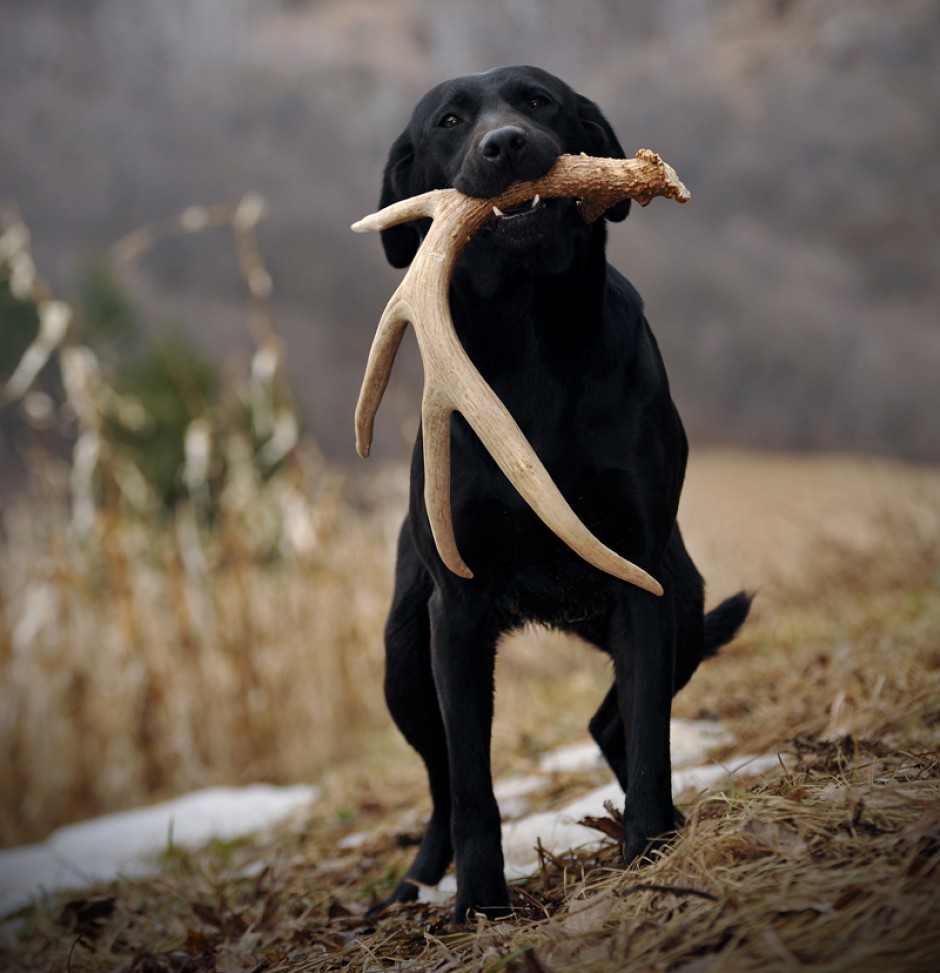
Image Source: dogbonehunter.com
Master ‘How To Train Dog To Shed Hunt’ Effectively
Do you want to find lost deer antlers? A well-trained dog can help you. How to train dog to shed hunt is a skill many dog owners want to learn. It is fun for both you and your dog. What is shed hunting with dogs? It is when you teach your dog to find deer antlers that have fallen off. Deer lose their antlers each year. These are called sheds. Dogs use their strong noses to find them. Can any dog learn to shed hunt? Most dogs can learn this skill. Some breeds are better suited than others. But a dog with a good nose and a desire to please can learn. Who is a good candidate for training? A dog that loves to play. A dog that likes to use its nose. A dog that is easy to train. These are all good traits for a shed hunting dog. Training your dog to find sheds is a great way to bond. It gives your dog a job. It also gets you both outdoors. This guide will show you how to start. We will cover everything from young pups to advanced skills.
Deciding on the Right Dog for Shed Hunting
Choosing the right dog makes training easier. Some dogs naturally have traits that help them.
Best Dog Breeds for Shed Hunting
Many dog breeds can learn to find antlers. Some are better than others. They have a strong nose. They like to work. They are easy to train.
Here are some top choices:
- Labrador Retrievers: These dogs are great for shed hunting. They love to please. They have excellent noses. They love to retrieve things. They have lots of energy. Labs are often used for hunting birds. This makes them good at finding sheds too.
- Golden Retrievers: Goldens are also very good. They are smart. They are gentle. They love to carry things. Their friendly nature makes them easy to train.
- German Shorthaired Pointers: These dogs are full of energy. They have great noses. They are very active. They cover a lot of ground quickly. This is good for large search areas.
- Beagles: Beagles have one of the best noses around. They are scent hounds. This means they live to follow smells. They might be slower than Labs. But they are very good at finding things by scent.
- Chesapeake Bay Retrievers: Chessies are strong dogs. They are known for being tough. They love to work hard. They are great in cold weather. They are good at finding sheds in tough spots.
- Standard Poodles: Yes, poodles! They are very smart. They can be trained to do many jobs. They are often used for retrieving. They also have good noses. They can be a great choice.
Think about what traits you need. A good shed dog has:
- A strong nose: This is key for finding antlers.
- High energy: Shed hunting means walking many miles.
- A desire to please: This makes training much simpler.
- Trainability: You want a dog that picks up commands fast.
- Good retrieve drive: The dog should want to bring the antler back to you.
No matter the breed, patience and good training are most important. Even a mixed breed dog can become a great shed hunter.
Starting Young: Puppy Shed Hunting Training
Training starts early. The sooner you begin, the better. This is especially true for puppy shed hunting training. Young pups are like sponges. They soak up new things fast.
Early Play and Exposure
Start by making antlers fun. Get a small, light antler. A chew antler from a pet store works well.
- Play fetch: Toss the antler a short distance. Praise your pup when it brings it back. Make it a game.
- Hide and seek: Let your pup see you hide the antler. Hide it just a few feet away. Let your pup find it. Make a big fuss when it does.
- Build excitement: Always make finding the antler a very happy time. Use happy words and give treats.
Do not force your pup. Keep sessions short. End on a good note. You want your pup to love the antler. You want it to want to find it.
Building Desire for Antlers
Many puppies like to chew on antlers. Use this to your advantage.
- Chew toy: Let the antler be a special chew toy. But do not let it become just another toy. Make it special.
- High-value rewards: When your pup brings an antler, give it the best treat. Or play its favorite game. This links antlers to super good things.
- Make it a ‘prize’: Only let your pup play with the antler when you are training. This makes the antler more desired. It becomes a special prize.
This early training builds a strong foundation. It teaches your dog that antlers are fun. It teaches them that finding antlers makes you happy.
Foundation Skills: Obedience Commands for Shed Dogs
Good obedience is a must. Your shed dog needs to listen to you. This keeps them safe. It also helps them work better. These are the obedience commands for shed dogs.
Key Commands for Success
Teach basic commands first. Make sure your dog knows them well.
- Sit: Your dog should sit when told. This helps when you need them to stop.
- Stay: Your dog should stay in place until told otherwise. This is vital for safety. It also helps when you place antlers.
- Come (Recall): This is the most important command. Your dog must come to you every time. This keeps them from getting lost. It also makes sure they bring the antler to you. Practice recall often. Use high-value rewards.
- Heel: Your dog should walk by your side. This helps you control them. It also saves their energy for searching.
- Leave It: Your dog must ignore things you do not want them to pick up. This could be trash or other animal bones. This command keeps them focused on antlers.
- Drop It: Your dog must let go of the antler when you tell them. This makes sure you get the antler. It also teaches them to give up things nicely.
Here is a table of key commands and their uses:
| Command | Why it is Important for Shed Dogs | Training Tip |
|---|---|---|
| Sit | For quick stops, waiting for you. | Use a treat over the head. |
| Stay | Keeps dog safe, waits for you to hide an antler. | Start with short times, build up slowly. |
| Come | Safest command. Dog returns to you with the antler. | Make coming to you always fun and rewarding. |
| Heel | Control in public, saves dog’s energy for hunting. | Use a leash, reward walking by your side. |
| Leave It | Dog ignores things not wanted, like trash or dead animals. | Place a treat, cover it, say “leave it”. Reward looking at you. |
| Drop It | Dog gives up the antler easily for you. | Offer a better treat for the antler, say “drop it”. |
Practice these commands every day. Make them fun. Use positive rewards. This builds a strong bond. It makes your dog eager to listen.
Core Training: Shed Antler Training Techniques
This is where the real work begins. You will teach your dog to find antlers. This involves special commands and scent work. These are the main shed antler training techniques.
Teaching ‘Find It’ Command for Antlers
This is the main command for shed hunting. You want your dog to know “Find it” means “Go look for an antler!”
Step 1: Indoors, Easy Finds
* Use a small antler: A light, real antler or a fake one is best.
* Show and tell: Show your dog the antler. Let it sniff it. Say “Find it!” in a happy voice.
* Place it: Place the antler just a few feet away. Let your dog watch you.
* Encourage: Point to the antler. Say “Find it!” again. When your dog goes to it, praise them a lot. Give a treat.
* Retrieve: If your dog picks it up, say “Good find!” If they bring it to you, even better. If not, pick it up yourself and show great joy. Then offer a treat for letting you take it.
Step 2: Hiding It, Still Indoors
* Slightly out of sight: Hide the antler in a different room. Or behind a couch. Make it a bit harder.
* Send them: Say “Find it!” and point in the direction of the antler.
* Help if needed: If your dog struggles, help them. Guide them closer. You want them to win.
* Reward big: Always make a big deal when they find it.
Step 3: Outdoors, Short Distances
* Start in your yard: A familiar, low-distraction place.
* Short tosses: Toss the antler a short distance into grass. Say “Find it!”
* Gradually increase distance: As your dog gets better, toss it farther.
* Vary hiding spots: Hide it behind a tree. Or in a bush.
Step 4: Making It Harder
* More cover: Hide antlers in thicker grass. In brush.
* Multiple antlers: Once your dog is good, hide two or three. Say “Find it!” for each.
* Aging the scent: Leave antlers out overnight before training. This makes the scent less fresh. It is more like real sheds.
Always keep it fun. Do not make it too hard too fast. Success builds confidence.
Scent Training for Shed Dogs
Dogs find antlers mostly by smell. So, scent training for shed dogs is very important. Antlers have a unique smell. Deer shed antlers often smell like fresh bone, dirt, and sometimes a bit musky.
- Real antlers are best: Start with real antlers. Their scent is natural.
- Scent articles: You can use a cotton ball or cloth rubbed on an antler. Hide these scent articles. Reward your dog for finding them. This helps them link the scent to a reward.
- Scent cones: Sometimes, antlers can be placed in plastic containers with holes. This lets the scent out. It is good for advanced scent work.
- Vary conditions: Train in different weather. Rain can wash away scent. Wind can spread it. Dogs need to learn to work in all conditions.
- Avoid “false” scents: Do not get human scent on the antlers too much. Wear gloves if you can. Your dog needs to focus on the antler’s scent.
- Use shed dog scents: Some people use special sprays or oils that smell like antler. These can be helpful when you do not have many real antlers. But always use real antlers too.
Practice scent training often. Make sure your dog is using its nose. Encourage them to keep sniffing.
Building Drive and Motivation
A dog that loves to work will be a great shed hunter. This means building shed dog drive. Drive is the dog’s desire to do the job.
Making It Fun and Rewarding
- High-Value Treats: When your dog finds an antler, give them a treat they absolutely love. Cheese, hot dogs, chicken. These are super rewards.
- Favorite Toy: If your dog loves a specific toy, use it as a reward. Play a quick game of tug or fetch after a find.
- Praise and Petting: Use happy words. “Good dog!” “Awesome find!” Pet your dog warmly. Make them feel like a superstar.
- Short Training Sessions: Keep training sessions short. 10-15 minutes is often enough. Always end on a high note. Your dog should be wanting more.
- Positive Reinforcement: Only use positive methods. Never punish your dog for not finding an antler. This can make them lose interest. Always reward what you want to see.
Boosting the Desire to Hunt
- Competition (with you): Sometimes, act like you are looking for the antler too. When your dog finds it, act surprised and super happy. This can make them want to “beat” you to the find.
- Tantalizing them: Let your dog see you place the antler. Then hold them back for a few seconds. This builds their excitement. Then release them with “Find it!”
- “Blind” searches: As they get better, hide the antler without them seeing. This teaches them to truly hunt for it using their nose.
- Variety: Change locations often. Change the type of antler. Keep things fresh and exciting.
- Success is Key: Always set up training so your dog succeeds. This builds confidence. A confident dog is a driven dog.
A driven dog will keep searching, even when tired. They will love the hunt. They will love making you happy.
Advanced Shed Dog Training
Once your dog masters the basics, you can move to advanced shed dog training. This makes your dog better in real hunting conditions.
Working in Different Environments
- Thick Cover: Train in tall grass, dense woods, and brush piles. These are places deer often lose antlers. Your dog needs to push through these areas.
- Varied Terrain: Practice on hills, rocky ground, and uneven surfaces. This builds stamina and balance.
- Water (if safe): Some antlers fall into streams or ponds. If your dog likes water, train them to search shallow water areas.
- Weather: Train in light rain, wind, or even a bit of snow. These conditions change how scent travels. Your dog needs to adapt.
Dealing with Distractions
Real shed hunting areas have many smells and sights. Your dog must focus on antlers.
- Wildlife: Your dog will see deer, rabbits, birds, and other animals. Teach “Leave it” early and strongly. Reward them for ignoring distractions.
- Other Scents: Deer beds, old bones, or animal droppings are common. Your dog needs to learn to only focus on the antler scent.
- Other People/Dogs: If training with others, teach your dog to ignore them while working.
Building Stamina and Focus
- Longer Searches: Slowly increase the time your dog searches. Start with 10-15 minutes, then move to 30, then an hour or more.
- Multiple Antlers: Hide several antlers in a large area. Have your dog find them all. This teaches them to keep searching after a find.
- “Colder” Antlers: Place antlers out days before training. This makes the scent very faint. It prepares them for truly old sheds.
- Simulate a Real Hunt: Go on long walks in woods where you would hunt. Put out a few antlers for your dog to find along the way.
- Line work: You can teach your dog to search in a straight line or grid pattern. This helps cover ground methodically.
Advanced training builds a truly skilled shed dog. It teaches them perseverance. It makes them tough and focused.
Essential Gear: Shed Hunting Dog Equipment
Having the right gear helps. It keeps your dog safe. It makes training easier. This is the basic shed hunting dog equipment you will need.
- Training Antlers:
- Real Sheds: Best for scent training. Collect small ones first.
- Synthetic Antlers: Good for teaching the retrieve. They are durable. They can float. Some have built-in scents.
- Leashes and Collars:
- Flat Collar: For everyday use.
- Long Line: A 20-30 foot leash. Great for recall training in open fields.
- Tracking Harness: A comfortable harness that allows your dog to pull lightly as they follow scent.
- Dog Vest/Jacket:
- Safety Vest: Bright orange or reflective. Makes your dog visible in the woods. Important during hunting seasons.
- Protective Vest: Can protect against briars, sticks, and cold weather.
- GPS Tracker:
- Crucial for safety: Dogs can get lost following a scent. A GPS collar helps you find them fast. Many hunters consider this a must-have.
- First Aid Kit (for dogs):
- For minor cuts, scrapes, or paw issues. Include bandages, antiseptic wipes, pain relief.
- Water and Bowl:
- Dogs get thirsty during long searches. Always carry fresh water.
- Treats and Pouch:
- High-value treats for rewards. A treat pouch keeps them handy.
- Whistle:
- For long-distance recall. A unique sound cuts through wind.
- Durable Backpack:
- To carry your gear, collected antlers, and dog supplies.
Here is a quick list of essential gear:
| Item | Purpose | Key Features |
|---|---|---|
| Real Antlers | Scent training, natural feel | Various sizes, cleaned (if possible) |
| Synthetic Training Antlers | Durability, floating, easy to hide | Scented or unscented, chew-proof |
| Long Training Line | Recall practice, controlled searching | 20-30 feet, strong material |
| Reflective/Orange Vest | Dog visibility, safety in woods | Bright color, durable, good fit |
| GPS Collar | Locate lost dog quickly, track search patterns | Long battery life, good range |
| Dog First Aid Kit | Handle minor injuries quickly | Basic wound care, paw protection, meds |
| Water Bottle & Bowl | Hydration during long hunts | Collapsible bowl, ample water |
| High-Value Treats & Pouch | Rewards for successful finds, easy access | Dog’s favorite, waterproof pouch |
This gear helps you train effectively. It also keeps your dog safe and comfortable during real hunts.
The Hunt: Finding Deer Antlers with Dogs
This is what all your training builds towards. Finding deer antlers with dogs is a special experience.
Where to Look for Sheds
Deer often drop antlers in certain areas. Knowing these spots helps you and your dog.
- Bedding Areas: Where deer rest. Often thick cover, south-facing slopes (to stay warm in winter).
- Feeding Areas: Food sources like corn fields, oak flats (acorns), or food plots.
- Travel Corridors: Paths deer take between bedding and feeding areas. Look along fences, creeks, and ridges.
- Crossing Points: Places deer jump fences or cross ditches. The impact can jar antlers loose.
- Thick Brush/Briers: Antlers can get snagged and pulled off.
- South-Facing Slopes: Deer prefer these spots in winter for warmth.
Working with Your Dog in the Field
- Leash up first: Keep your dog on a leash when walking to the hunting area. This prevents them from running off or getting distracted too soon.
- Release command: Once you are in a good spot, use your “Find it!” command.
- Read your dog: Watch your dog’s behavior. If their nose goes to the ground and their tail wags, they might be on a scent.
- Encourage: Use positive words. “Go find it!” “Good nose!”
- Let them work: Do not crowd your dog. Give them space to search. Trust their nose.
- Stay aware: Look where your dog is looking. Scan the ground yourself. You might see an antler your dog missed.
- Handle a find: When your dog finds an antler, praise them heavily. Reward them. If they bring it to you, great! If not, encourage them to “Drop it” for a treat.
Safety Tips While Shed Hunting
- Know the land: Be aware of property lines. Ask for permission to hunt on private land.
- Hunting season: Check if any hunting seasons are open. Wear bright colors (orange or pink) if hunting season is active.
- Weather: Dress for the weather. Carry extra layers. Be aware of extreme cold or heat.
- Ticks and pests: Check your dog and yourself for ticks after each hunt.
- Water: Always carry plenty of water for your dog.
- Dog’s Limits: Do not push your dog too hard. Take breaks. Watch for signs of tiredness.
- Other dangers: Be aware of old barbed wire, broken glass, or dangerous plants.
Shed hunting with a dog is a team effort. You guide them to good areas. They use their nose. Together, you increase your chances of success.
Common Challenges and Solutions
Training a shed dog has its ups and downs. You might face some common problems. Knowing how to fix them helps.
Dealing with Low Drive
- Problem: Your dog just does not seem interested in finding antlers.
- Solution: Go back to basics. Make it super fun. Use the best treats. Play games where they always win. Keep sessions very short. Only bring out the antler for training. Build their desire for it.
Handling Distractions
- Problem: Your dog gets distracted by other animals, smells, or people.
- Solution: Practice “Leave it” a lot. Start in calm places. Slowly add distractions. Reward huge for ignoring them. Use a long line for control. If they get distracted, guide them back to the antler search.
Picking Up the Wrong Things
- Problem: Your dog picks up sticks, bones, or trash instead of antlers.
- Solution: Make the antler the most exciting thing. Use “Leave it” for unwanted items. Reward only for antlers. Never reward for bringing you other things. If they pick up the wrong thing, gently trade it for an antler.
Refusal to Drop Antler
- Problem: Your dog finds the antler but won’t let go of it.
- Solution: Practice “Drop it” very often. Offer a better reward (a treat or toy) in exchange for the antler. Make the trade worth it for your dog. Never chase them for the antler. This can make them run away with it.
Not Using Their Nose Enough
- Problem: Your dog is visual, relying on seeing the antler, not sniffing.
- Solution: Hide antlers completely out of sight. Bury them slightly under leaves. Hide them in places with tall grass. Use scent articles. Encourage them to “Use your nose!” Point to the ground.
Patience is key. Every dog learns at its own pace. Celebrate small wins. Keep training positive.
Making Progress: Tracking Your Training
Keeping track of your training helps you see how far you have come. It also helps you plan next steps.
Keeping a Training Log
A simple notebook or a note on your phone works. Write down:
- Date: When you trained.
- Location: Where you trained (yard, park, woods).
- Duration: How long the session lasted.
- Antlers Found: How many antlers your dog found.
- Observations: How your dog did. What went well? What was hard?
- Next Steps: What you will work on next time.
This helps you see patterns. It shows you what works. It helps you stay on track.
Celebrating Small Wins
Training can be a long process. It is important to celebrate every step forward.
- Did your dog ignore a squirrel? Good job!
- Did they find an antler hidden well? Great job!
- Did they drop the antler easily? Fantastic!
Praise your dog. Give them extra treats. Tell yourself you are doing a good job too. This keeps you both motivated.
Staying Patient
There will be days when your dog does not seem to get it. Or when they are distracted. Do not get upset.
- Take a break: If you or your dog are getting frustrated, stop. Come back to it later.
- Go back a step: If a skill is too hard, go back to an easier version. Build up slowly.
- Remember the bond: Focus on the fun you have with your dog. Shed hunting is about time together.
Your dog wants to please you. With consistency and patience, your dog can become a great shed hunter. Enjoy the journey!
Frequently Asked Questions (FAQ)
Q1: Are all sheds hard to find for a dog?
A1: No. Fresh sheds are easier. They have a stronger scent. Older sheds that have been out all winter are harder. They have less smell. Training in different conditions helps.
Q2: How often should I train my shed dog?
A2: Short, frequent sessions are best. Try to train 3-5 times a week. Each session can be 10-20 minutes. Keep it fun and end on a good note.
Q3: Can an old dog learn to shed hunt?
A3: Yes! Older dogs can definitely learn. They might take longer. Their drive might be lower. But their wisdom and focus can help. Adjust training to their energy levels. Start with easy finds.
Q4: What if my dog tries to eat the antler?
A4: This is common. Antlers are a natural chew. Teach a strong “Drop it” command. Offer a high-value treat for letting go. If your dog chews the antler, it’s not a bad thing. Just make sure they give it to you when asked. Some antlers can splinter, so watch for that.
Q5: Is it okay to train in snow?
A5: Yes, absolutely! Many sheds are found in the snow. Deer often drop antlers in late winter. Snow can trap scent. It can also make antlers stand out. Just make sure your dog is warm enough. Check their paws for ice or cuts.
Q6: How long does it take to train a shed dog?
A6: It varies by dog and how much you train. Some dogs pick it up in a few months. Others might take a year or more. The most important thing is consistent, positive training.