
Image Source: i.ytimg.com
Complete Guide: How To Teach A Dog To Heal At Home
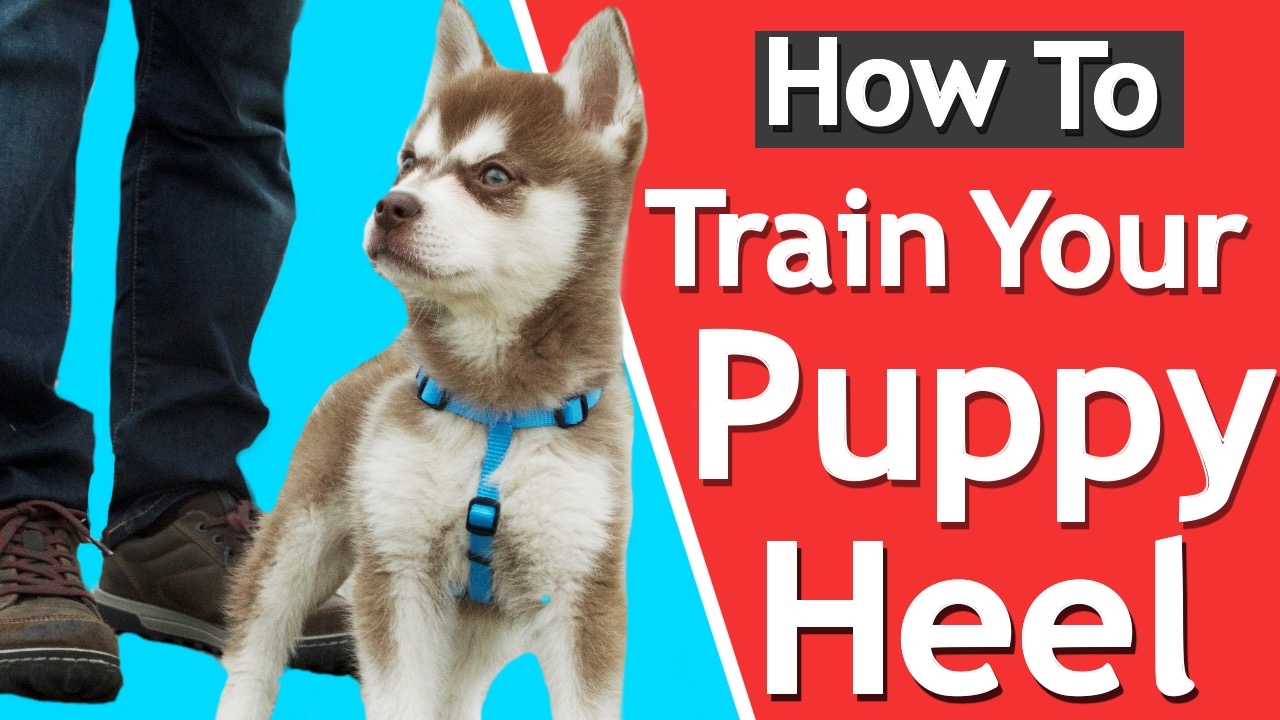
The dog heel command training teaches your dog to walk right beside you. This means they stay close, usually on your left side. They should keep their shoulder near your leg. This is a key part of obedience training heel command. Yes, you can teach a dog to heel at home. Even puppy heel training can start early. All dogs and their owners can benefit from this skill. It makes walks better and safer. It also helps you and your dog connect.
Why “Heel” Matters for You and Your Dog
Teaching your dog to heel is a big deal. It is more than just a trick. It makes walks calm and fun. Your dog will stay with you, not pull. This is much better for both of you. A dog that heels shows good manners. It also shows a strong bond between you and your dog. You become a team. This skill helps your dog feel safe and know what to do.
More Control, Less Stress
Imagine walking your dog without a fight. No pulling. No sudden jerks. A dog that heels walks nicely. This means you can enjoy your time outside. You feel in control. Your dog feels safe because they know what is expected. This lowers stress for everyone.
A Stronger Bond
Training builds trust. When you teach your dog to heel, you work together. You teach them. They learn from you. This makes your bond stronger. Your dog sees you as a good leader. They want to please you. This teamwork makes your friendship grow.
Safety First
Heeling is very important for safety. If your dog walks nicely, they are less likely to run into traffic. They won’t bother other people or dogs. You can keep them safe from dangers. A well-behaved dog is a safer dog.
Getting Ready: Your Heel Training Kit
Before you start, get your tools ready. The right gear helps you teach your dog well. It makes the process smoother. You do not need much. But what you have should be good quality.
Essential Supplies
- A flat collar: This is a basic collar. Make sure it fits well. It should not be too tight or too loose.
- A 6-foot leash: This length gives your dog some room. But it is still short enough for control. Avoid very long or very short leashes at first.
- Tasty treats: These are very important. Use small, soft treats. Your dog should love them. Cheese, cooked chicken, or hot dogs cut small work well.
- A treat pouch: This makes it easy to get treats. You can wear it on your belt. Quick rewards are key.
- A clicker (optional): A clicker helps mark good actions. It is a clear sound that tells your dog, “Yes, that’s right!”
- A quiet space: Start training in a calm area. Your home is perfect. Pick a room with few distractions.
Training Mindset
Your attitude matters a lot. Be patient. Be positive. Training takes time. Some days are better than others. Always end on a good note. Keep training sessions short. Make them fun for your dog. Never get angry. Never use punishment. Positive reinforcement dog heeling is the best way.
Building Good Leash Manners: The First Steps
Before you teach the heel command, your dog needs basic leash manners for dogs. This means they should not pull. They should walk with you. This sets them up for success. Loose leash walking techniques are the start.
Introducing the Leash and Collar
Some dogs are new to leashes. Let your dog wear the collar and leash for short times. Do this inside first. Give treats and praise. Make it a good thing. Do not leave the leash on when you are not there. They could get tangled.
Stopping the Pulling Early
How to stop dog pulling on leash starts now. Do not let your dog pull at all. If they pull, stop. Stand still like a tree. Wait until the leash gets loose. The moment it slackens, even a little, praise them. Then start walking again. Repeat this every time they pull. It teaches them: “Pulling stops the fun. A loose leash gets me moving.”
- The “Stop and Go” Method:
- Walk forward.
- Dog pulls? Stop moving.
- Wait for the leash to go loose.
- Praise your dog.
- Start walking again.
- Repeat.
- Change Direction:
- If your dog pulls, change direction suddenly.
- Walk the other way. Your dog will have to pay attention.
- This keeps them from pulling ahead.
Grasping the Heel Position
The heel position dog training means your dog walks with their head or shoulder aligned with your leg. Usually, this is your left leg. Their body is straight. They are focused on you. They are not ahead or behind. This is the core of dog walking beside handler.
What the Heel Position Looks Like
Imagine a line from your hip down your leg. Your dog’s front paws should be on this line. Their head should be up. They should be looking at you or straight ahead. They are not pulling the leash. They are not lagging.
The Lure and Reward Method: Your Best Friend
This is the easiest way to teach heel. It uses a treat to guide your dog.
- Start in a Quiet Spot: Find a place with no distractions.
- Get Ready: Hold a tasty treat in your hand. Keep your hand near your dog’s nose.
- Lure to Position: Stand still. Lure your dog to your left side. Move the treat slowly. Guide them until they are in the heel spot.
- Mark and Reward: The instant your dog is in place, say “Yes!” or click. Then give the treat.
- Repeat: Do this many times. Do not move yet. Just practice getting them into the position.
Table: Step-by-Step Luring to Heel Position
| Step | Action | Key Point |
|---|---|---|
| 1. Get Ready | Hold a treat near your dog’s nose. | Use a highly desirable treat. |
| 2. Lure In | Guide your dog to your left side. | Move your hand slowly, close to their nose. |
| 3. Position | Guide them until their shoulder is at your leg. | Make sure they are straight. |
| 4. Mark It | Say “Yes!” or click the moment they are in place. | Timeliness is crucial for learning. |
| 5. Reward It | Give the treat immediately. | Make it a positive experience. |
| 6. Repeat | Do 5-10 times, then take a short break. | Keep sessions short and fun. |
Adding Movement: The “Heel” Command
Once your dog gets the static heel position, add movement. This is where the actual dog heel command training comes into play.
Step-by-Step Teaching “Heel” with Movement
- Start in Heel Position: Get your dog into the heel spot using a lure. Mark and reward.
- Say the Command: Say “Heel” clearly.
- Take One Step: Take one step forward with your left foot. Keep the treat near your dog’s nose. Guide them to stay in position.
- Mark and Reward: If they stay with you for that one step, say “Yes!” or click. Give the treat.
- Increase Steps Slowly: Practice one step many times. Then try two steps. Then three. Build up slowly.
- Practice Short Walks: Walk a short distance. If your dog drifts, stop. Lure them back into position. Start again.
Remember to keep the treat visible at first. This helps your dog follow you. As they get better, you will use the treat less. It will become a reward after they heel, not a lure.
The Importance of Marking Good Behavior
Using a clicker or a verbal marker like “Yes!” is vital. It tells your dog the exact moment they did something right.
- Clicker Training: The clicker sound is always the same. It is a clear signal.
- Click the moment your dog’s paw lands in the right spot.
- Click when they look at you while walking.
- Click when they stay in heel position.
- Always follow a click with a treat.
- Verbal Marker: If you do not have a clicker, use a word like “Yes!” or “Good!” Make sure you say it sharply and clearly.
Reinforcing Good Habits: Positive Reinforcement
Positive reinforcement dog heeling means you add something good when your dog does what you want. This makes them want to do it again. It builds a happy training experience.
Why Positive Reinforcement Works
- Makes Training Fun: Dogs enjoy training when they get rewards.
- Builds Trust: Your dog learns you are a source of good things.
- Clearer Learning: Rewards tell your dog exactly what they did right.
- Avoids Fear: No harsh corrections means no fear of training.
Types of Rewards
- Food Treats: High-value treats work best. Small bits are good.
- Praise: Use an excited voice. “Good dog!” or “Smart boy!”
- Toys: A quick game with a favorite toy can be a reward.
- Petting: Some dogs love a scratch behind the ears.
Use different rewards to keep your dog interested. The reward should be something your dog really wants at that moment.
Phasing Out the Lure and Treats
You do not want your dog to heel only when they see a treat. Slowly, you need to use the lure less.
- Hide the Lure: Instead of holding the treat out, hold your hand empty but in the same position. Once your dog follows, reveal the treat from your pocket.
- Delay the Reward: As your dog does better, wait a few more steps before clicking and treating.
- Random Rewards: Do not give a treat every time. Give one every few steps, then every 5 steps. Keep them guessing. This makes them try harder.
- Life Rewards: The biggest reward for heeling is getting to walk forward. If they heel, they get to keep moving. If they pull, you stop.
Practice Makes Perfect: Drills for Heel Training
Short, frequent practice sessions are better than long, rare ones. Aim for 5-10 minutes a few times a day.
Indoor Practice: Low Distraction Zone
Start all new heel work indoors. Your living room or hallway is ideal.
- Straight Lines: Walk straight lines back and forth.
- Figure Eights: Practice walking around two objects in a figure eight. This helps with turns.
- Speed Changes: Walk slowly, then normally, then a little faster. See if your dog can keep up.
- Halts: Practice stopping cleanly. When you stop, your dog should stop in heel position. Reward this.
Moving Outdoors: Adding Distractions
Once your dog heels well indoors, slowly add more challenge.
- Backyard: Start in your backyard. There are more smells and sounds than inside.
- Quiet Street: Move to a quiet street or park during off-peak hours.
- Busy Areas: Only go to busy places when your dog heels perfectly in calmer spots.
Table: Progression of Heel Training Environments
| Level | Environment | Characteristics | Focus |
|---|---|---|---|
| 1 | Quiet Room | No noise, no other people/pets, familiar. | Learning the basic heel position and steps. |
| 2 | Backyard/Hallway | Few distractions, some new smells/sounds. | Practicing turns, halts, speed changes. |
| 3 | Quiet Park/Street | More sights/sounds, distant people/dogs. | Maintaining focus with mild distractions. |
| 4 | Busy Park/Street | Lots of people, dogs, cars, noises. | Proofing the heel command under pressure. |
Tackling Common Challenges
Even with the best training, you might face issues. Here’s how to solve them.
My Dog Keeps Pulling! (How to stop dog pulling on leash)
This is the most common problem.
* Go Back to Basics: Revisit the “stop and go” method. The moment they pull, stop dead. Wait for the leash to slacken. Reward the slack.
* Shorter Leash: Use a shorter leash. This gives you more control. A 4-foot leash might help.
* Harness vs. Collar: If your dog pulls hard, try a front-clip harness. It redirects their pull sideways. This makes it harder for them to drag you. A head halter can also be used, but introduce it slowly.
* More Rewards: Make sure your treats are high-value. Give them often when the leash is loose.
My Dog is Distracted!
- Start with Less: Go back to a quieter place.
- Gradual Increase: Slowly add tiny distractions. Have a friend walk by. Put a toy on the ground.
- Focus Games: Play games that teach your dog to look at you. “Watch Me” command: Hold a treat near your eyes. When your dog looks at you, say “Yes!” and give the treat.
- Stronger Rewards: Use extra-special treats for distracting places.
My Dog Keeps Falling Behind/Getting Too Far Ahead!
- Falling Behind:
- Use a faster pace.
- Keep the lure visible longer.
- Praise and treat often for staying with you.
- Make sure the collar and leash are comfortable.
- Getting Ahead:
- Stop immediately. Make them come back to heel position.
- Change direction often. This forces them to pay attention to where you are.
- Use the “Heel” command more often as a reminder.
Special Notes for Puppy Heel Training
Puppy heel training is great. Start early! Puppies have short attention spans.
- Keep it Short: 2-5 minute sessions are enough.
- Make it Fun: Lots of praise, happy voice, playtime after.
- Tiny Steps: Do one step at a time.
- Manage Expectations: Puppies are still learning about the world. They will get distracted. Be patient.
- Socialization: While teaching heel, also let your puppy explore and meet new things. This helps them grow into a calm dog.
Advanced Dog Heel Work
Once your dog masters basic heeling, you can move to advanced dog heel work. This adds more skill and precision.
Adding Turns
- Right Turn: Say “Heel.” Take a sharp right turn. Your dog needs to speed up to stay with you. Mark and reward.
- Left Turn: Say “Heel.” Take a sharp left turn. Your dog needs to slow down or stop for a moment. Mark and reward.
- About Turn (U-turn): Say “Heel.” Turn 180 degrees. This is hard for dogs. Practice in small steps.
Speed Changes
- Slow Heel: Walk very slowly. Your dog must adjust their pace.
- Fast Heel: Walk at a brisk pace or even a jog. Your dog must keep up.
Distraction Proofing
Practice around more and more distractions.
* Other dogs on leash.
* Kids playing.
* Busy streets.
* Different surfaces (grass, pavement, stairs).
Off-Leash Heeling (Advanced)
Only try this when your dog has perfect on-leash heel in all places.
* Start in a secure, fenced area.
* Use a long line first. This is a very long leash. You can drop it but still step on it if needed.
* Practice in short bursts. Reward often.
* Recall is Key: Your dog must have a perfect “come” command before trying off-leash heel. If they break heel, you need to get them back.
Maintaining the Skill: Consistency is Key
Heeling is not a one-time lesson. It is an ongoing skill.
- Practice Daily: Even a few minutes a day helps.
- Vary Your Walks: Go to different places.
- Keep it Positive: Always make it a good experience.
- Random Rewards: Keep giving treats sometimes. This keeps your dog guessing and trying.
- Set Clear Rules: Always expect good leash manners. Do not let your dog pull sometimes and heel others. This confuses them.
Troubleshooting Table
| Problem | Possible Reason | Solution |
|---|---|---|
| Dog pulls ahead | Wants to get somewhere faster. | Stop immediately. Wait for loose leash. Change direction. |
| Dog lags behind | Too slow, distracted, tired. | Pick up pace. Lure with treats. Check comfort of gear. Shorten sessions. |
| Dog veers off path | Distracted, exploring. | Increase reward value. Go to less distracting areas. Use “Watch Me.” |
| Dog ignores command | Command not understood or not reinforced enough. | Go back to basics. Practice in quiet areas. Use higher value treats. |
| Frustration during training | Sessions too long, too hard. | Keep sessions short (5-10 min). End on a good note. Take breaks. |
Frequently Asked Questions (FAQ)
Q: How long does it take to teach a dog to heel?
A: It depends on the dog and you. Puppies learn fast but need many short sessions. Adult dogs might need more time to break old habits. You might see progress in a few weeks. Mastery can take months. Keep practicing.
Q: Can I use a different side for heeling?
A: Yes, you can. The left side is standard for dog sports. But if you prefer your dog on your right, that’s fine. Just be consistent. Always use the same side.
Q: My dog pulls on a regular collar. Should I get a prong collar?
A: Prong collars are tools that can be harsh. Many trainers do not use them. It is best to try positive methods first. A front-clip harness or a head halter can help with pulling. Talk to a certified positive reinforcement trainer for advice. They can show you safe ways to teach.
Q: What if my dog gets too excited on walks and forgets everything?
A: This is common. It means you need to practice in calmer places first. Slowly add small amounts of excitement. Reward calmness. Make sure your dog understands the command well without distractions. Then slowly build up.
Q: Should I use food treats forever?
A: No, not forever for every good heel. Start with food often. Then make it random. Give treats sometimes. Other times, use praise or a quick game. The biggest reward for heeling is getting to walk forward.