
You might wonder, “What is dog stretching?” Stretching for dogs is gentle movement. It helps their muscles and joints. “Can I stretch my dog?” Yes, you can. Many pet owners do this. It is safe and good for most dogs. You must learn how to do it right. This guide will show you easy steps. It will help your dog feel better. Regular stretching can make your dog more active. It helps with canine flexibility. It boosts joint health for dogs. This guide covers simple dog stretching exercises you can do at home.
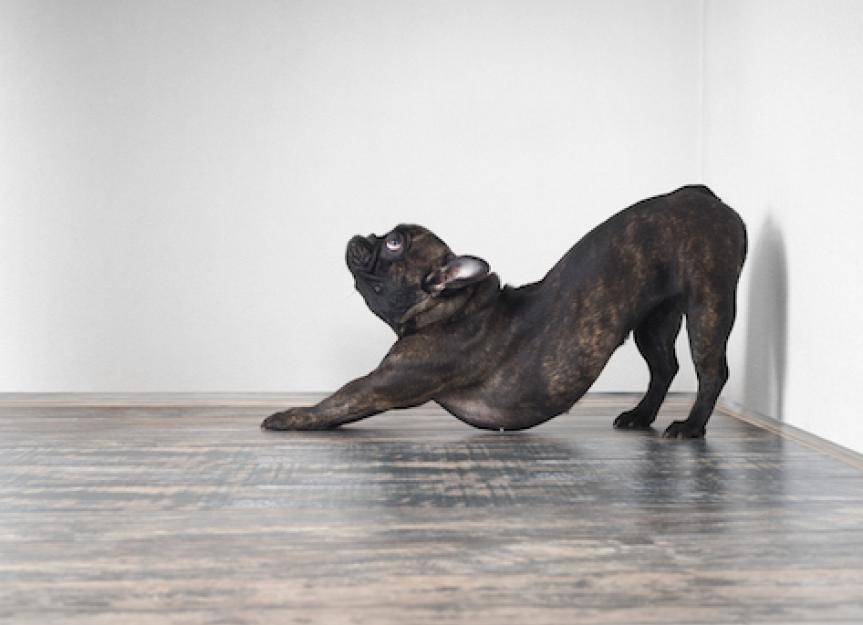
Image Source: image.petmd.com
The Value of Dog Stretching
Stretching helps your dog in many ways. It is like exercise for people. It keeps muscles loose. It makes joints move better. Think of it as easy pet physical therapy. It is good for everyday life. It is also good for dogs who play sports.
Core Benefits of Stretching Your Dog
Regular stretching offers great benefits. It helps keep your dog healthy. It can make their life better.
- Better Movement: Stiff muscles hurt. Stretching makes muscles soft. Your dog moves with ease. They can run and jump more freely. This improves canine flexibility.
- Stronger Muscles: Loose muscles work better. They are less likely to get hurt. Stretching helps muscles get ready for play.
- Less Pain: Tight muscles can cause pain. Stretching can ease this. It helps dogs feel comfy.
- Fewer Injuries: Loose, strong muscles are safer. They are less likely to pull or tear. This is key for injury prevention dog.
- Better Blood Flow: Stretching brings blood to muscles. This helps them get food and oxygen. It makes them work well.
- Calmness: Gentle stretching can relax your dog. It can be a nice time together. It helps them feel good.
- Aids Older Dogs: As dogs age, they get stiff. Stretching helps senior dog mobility. It keeps them moving longer.
When to Stretch Your Dog
Stretching is good any time. But some times are better than others. It helps a dog get ready. It also helps a dog cool down.
Warming Up: Before Play and Activity
Just like us, dogs need to warm up. This readies their body. It makes muscles ready for action. These are called canine warm-up exercises.
- Before a Walk: A quick stretch helps. It gets legs ready for moving.
- Before Playtime: If your dog loves to run, stretch first. It prevents pulls.
- Before Sports: If your dog does agility or fetch, warm up. This is very important.
A warm-up stretch should be gentle. It should last a few minutes. It helps blood flow. It makes muscles ready.
Cooling Down: After Play and Activity
After your dog plays hard, cool down. This helps muscles relax. It stops them from getting too tight. These are post-exercise dog stretches.
- After a Long Walk: Help tired legs relax.
- After Fetch or Running: Muscles work hard. Stretch them to help recovery.
- After Training: Even mental work can make a dog tense. A stretch helps.
A cool-down stretch should be longer. It helps muscles release tension. It brings the body back to rest.
Daily Routine: General Wellness
You can stretch your dog daily. This is for general health. It keeps them nimble. It helps with joint health for dogs.
- Morning Stretch: Helps shake off sleep stiffness.
- Evening Stretch: Relaxes your dog before bed.
- During Petting: Turn petting into a stretch session.
Daily stretches keep your dog feeling good. They help prevent stiffness. They boost well-being.
Safety First: Rules for Stretching Your Dog
Safety is most important. Always be gentle. Do not push too hard. Watch your dog closely.
Essential Rules for Safe Stretching
Follow these rules for safe stretching. They help prevent harm. They make the process good for your dog.
- Always Be Gentle: Never force a stretch. Move slowly.
- Listen to Your Dog: If your dog pulls away, stop. If they whine, stop. They know their limits.
- Warm Muscles First: Never stretch cold muscles. Take a short walk first.
- Support the Joint: Hold the joint above and below. This keeps it stable.
- Stretch One Leg at a Time: Focus on one part.
- Hold Briefly: Hold each stretch for 10-15 seconds. Repeat 2-3 times.
- Do Not Twist: Avoid twisting limbs or joints.
- No Pain: Stretching should feel good. It should not hurt.
- Talk to Your Vet: Always ask your vet first. This is very true if your dog is old or hurt.
When NOT to Stretch Your Dog
Do not stretch your dog if:
- They have an injury.
- They are in pain.
- They just had surgery.
- They have a fever or feel sick.
- They do not want to be stretched.
If you are not sure, ask your vet. Your vet can guide you. They can show you proper pet physical therapy moves.
Mastering Dog Stretching Techniques
Now, let’s look at how to stretch your dog. Each stretch targets a different part. Remember to be gentle.
General Approach to Dog Stretching Exercises
Here’s how to do each stretch.
- Start with a warm dog: A short walk works.
- Get comfy: Find a calm spot. Your dog should be relaxed.
- Use soft words: Talk to your dog. Say “Good dog.”
- Move slowly: Take your time.
- Hold steady: Hold the stretch for 10-15 seconds.
- Release slowly: Let go with care.
- Repeat: Do each stretch 2-3 times.
- Reward: Give a treat or praise.
Specific Dog Stretching Exercises
We will cover stretches for different body parts. These are common dog stretching exercises.
Forelimb Stretches
These stretches help the front legs. They are good for shoulders and elbows.
1. Front Leg Extension
* How to do it:
* Have your dog lie on their side. Or have them stand.
* Gently take one front paw.
* Slowly stretch the leg straight forward. Keep it low.
* Do not lift it high. Just extend it forward.
* Hold for 10-15 seconds.
* Release slowly.
* Repeat 2-3 times. Then do the other leg.
* Benefits: Helps shoulder and elbow reach. Good for canine flexibility.
2. Front Leg Backward Stretch
* How to do it:
* Have your dog lie on their side.
* Take one front paw.
* Gently move the leg backward. Keep it close to the body.
* Do not pull it far away.
* Hold for 10-15 seconds.
* Release slowly.
* Repeat 2-3 times. Then do the other leg.
* Benefits: Stretches the front of the shoulder. Helps joint health for dogs.
Hindlimb Stretches
These stretches help the back legs. They are good for hips, knees, and ankles.
1. Rear Leg Extension
* How to do it:
* Have your dog lie on their side. Or have them stand.
* Take one back paw.
* Slowly stretch the leg straight back. Keep it low.
* Do not lift it high. Just extend it back.
* Hold for 10-15 seconds.
* Release slowly.
* Repeat 2-3 times. Then do the other leg.
* Benefits: Stretches hip and knee. Good for senior dog mobility.
2. Rear Leg Forward Stretch
* How to do it:
* Have your dog lie on their side.
* Take one back paw.
* Gently bring the leg forward under the body. Bend the knee.
* Hold for 10-15 seconds.
* Release slowly.
* Repeat 2-3 times. Then do the other leg.
* Benefits: Stretches the hip and inner thigh. Improves canine flexibility.
Back and Trunk Stretches
These stretches help the dog’s back. They are good for the spine.
1. Play Bow Stretch
* How to do it:
* Encourage your dog to do a play bow.
* Their front legs are down. Their rear is up.
* Hold a treat low to the ground. Move it back a little.
* This stretches their back.
* Hold for 10-15 seconds.
* Repeat 2-3 times.
* Benefits: Stretches the whole back. Good for general canine flexibility.
2. Side Bends (Cookies on the Hip)
* How to do it:
* Have your dog stand.
* Hold a treat near their nose.
* Slowly move the treat towards their hip. On one side.
* Your dog will bend to reach it.
* Hold the bend for a few seconds.
* Repeat 2-3 times on each side.
* Benefits: Stretches the side of the back. Aids joint health for dogs.
3. Tail Tuck
* How to do it:
* Have your dog stand.
* Gently guide their tail down and between their back legs.
* This makes their back arch up.
* Hold for a few seconds.
* Release.
* Repeat 2-3 times.
* Benefits: Stretches the lower back. Helps canine flexibility.
Beyond Stretches: Dog Massage Techniques
Stretching and massage go well together. Dog massage techniques help muscles relax. They boost blood flow. They make stretching easier.
Why Combine Massage and Stretching?
- Muscle Warm-up: Massage warms muscles. This makes them easier to stretch.
- Relaxation: Massage helps your dog relax. This makes them more open to stretching.
- Pain Relief: It can ease sore spots.
- Bonding: It is a nice way to connect with your dog.
Simple Dog Massage Techniques
You can do these before or after stretches.
- Gentle Stroking: Start with light strokes. Use your whole hand. Go from head to tail. This calms your dog.
- Circular Rubs: Use your fingertips. Make small circles. Work over large muscle groups. Focus on shoulders, hips, and back. Be gentle.
- Kneading (Very Light): Lightly squeeze and release muscle. Use your thumb and fingers. Do this softly. Do not pinch. This helps loosen tight spots.
- Rubbing Pads: Gently rub your dog’s paw pads. This can be very relaxing for them.
Always watch your dog’s reaction. If they tense up, stop. Go back to gentle stroking.
Special Cases: Tailoring Stretches
Some dogs need special care. Older dogs, and dogs with issues, need adjusted routines.
Senior Dog Mobility: Keeping Older Dogs Agile
Older dogs get stiff. They might have arthritis. Stretching can help senior dog mobility. It keeps them moving.
- Be Extra Gentle: Older dogs are more fragile. Move very slowly.
- Shorter Holds: Hold stretches for less time. Maybe 5-10 seconds.
- More Often: Do short stretch sessions several times a day.
- Warmth Helps: Use a warm towel before stretching. Or stretch after a warm nap.
- Focus on Comfort: If it causes pain, stop.
- Vet Check: Always talk to your vet first. They can suggest safe therapeutic dog exercises.
Injury Prevention Dog: Proactive Care
Stretching helps prevent injuries. Loose muscles are less likely to tear.
- Regular Routine: Make stretching a habit.
- Proper Warm-up/Cool-down: Always do these for active dogs.
- Good Diet: A healthy diet helps muscles and joints.
- Watch for Signs: Limping, pain, or stiffness means stop. See your vet.
Therapeutic Dog Exercises: When Your Dog Needs Extra Help
If your dog is recovering, stretching is key. But it must be done right. This is often part of pet physical therapy.
- Vet Guidance is a Must: Never do therapeutic stretches alone. A vet or trained therapist will guide you. They show you exact moves.
- Specific Goals: These stretches target specific issues. They help healing.
- Controlled Movements: Every stretch is precise.
- Gradual Increase: The intensity slowly goes up.
- Home Program: Your vet might give you a home plan. Follow it carefully.
Table: Stretching Guide for Different Dog Needs
| Dog Need | Goals | Key Focus Points | Frequency |
|---|---|---|---|
| Active Dog | Optimal Performance | Warm-up, Cool-down, Injury Prevention | Daily (before/after) |
| Senior Dog | Maintain Mobility | Gentle, Short Holds, Comfort, Joint Health | Daily (2-3 times) |
| Pet Dog | General Wellness | Flexibility, Bonding, Muscle Relaxation | Few times a week |
| Recovering Dog | Healing, Strength | Vet-guided, Therapeutic Exercises | As prescribed by vet |
When to Seek Professional Help
Even with this guide, some issues need experts. Do not hesitate to get help.
When to Call Your Veterinarian
- Sudden Lameness: If your dog cannot use a leg.
- New Pain: If your dog cries or pulls away during normal movement.
- Loss of Mobility: If they struggle to move.
- Swelling: If a joint or limb swells.
- After an Injury: Always check with a vet first.
- Uncertainty: If you are unsure about a stretch.
Your vet might send you to a pet physical therapy specialist. These pros know much about therapeutic dog exercises.
What a Canine Physical Therapist Does
A trained therapist can:
- Assess Your Dog: They find out what hurts. They check movement.
- Create a Plan: They make a custom stretch and exercise plan.
- Teach You: They show you how to do stretches safely.
- Use Special Tools: They might use hydrotherapy or laser therapy.
- Monitor Progress: They track how your dog is doing.
They are experts in joint health for dogs and senior dog mobility.
Frequently Asked Questions (FAQ)
Here are common questions about stretching dogs.
Q1: How often should I stretch my dog?
A1: For general wellness, a few times a week is good. For active dogs, daily warm-up and cool-down stretches are best. Senior dogs benefit from short, gentle stretches 2-3 times a day.
Q2: How long should I hold each stretch?
A2: Hold each stretch for 10-15 seconds. For senior or sensitive dogs, 5-10 seconds is fine. Repeat each stretch 2-3 times.
Q3: My dog resists stretching. What should I do?
A3: Stop the stretch. Do not force it. Your dog might be in pain. Or they might not like it. Make sure they are warm and relaxed first. Use treats and praise. If resistance continues, talk to your vet.
Q4: Can stretching cure my dog’s arthritis?
A4: No, stretching cannot cure arthritis. But it can help manage the symptoms. It improves senior dog mobility. It eases stiffness. It helps maintain joint health for dogs. Always combine stretching with vet care for arthritis.
Q5: Is dog yoga a good idea?
A5: “Dog yoga” or “doga” often focuses on human-dog bonding. It involves gentle stretches. As long as the moves are safe and dog-led, it can be fun. Avoid forcing any poses. Stick to gentle dog stretching exercises.
Q6: How do I know if I’m hurting my dog?
A6: Watch for signs of discomfort. These include: pulling away, whining, yelping, nipping, tensing up, or showing fear. If you see any of these, stop the stretch. Do not push through pain. Stretching should be pleasant for your dog.
Q7: Should I stretch my puppy?
A7: Puppies have growing bones. Overstretching can be harmful. Gentle play and natural movement are usually enough for them. Consult your vet before doing specific dog stretching exercises on a puppy.
Final Thoughts on Your Dog’s Flexibility
Stretching is a simple yet powerful tool. It helps your dog live a fuller, more active life. It boosts canine flexibility. It aids joint health for dogs. It is a great way to bond. Remember to be gentle. Always put your dog’s comfort first. With a bit of practice, you can help your best friend stay happy and healthy.