
Stop Odor! How To Store Dog Poop Until Garbage Day Effectively.
Storing dog poop until garbage day can be a smelly problem, but effective methods exist to keep your home and yard fresh. The best way to store dog poop without smell is to use strong, odor-proof bags and specialized sealed containers. These tools lock in bad smells and keep pests away. Proper placement of these containers outdoors also helps a lot. We will explore simple, clean ways to handle dog waste.
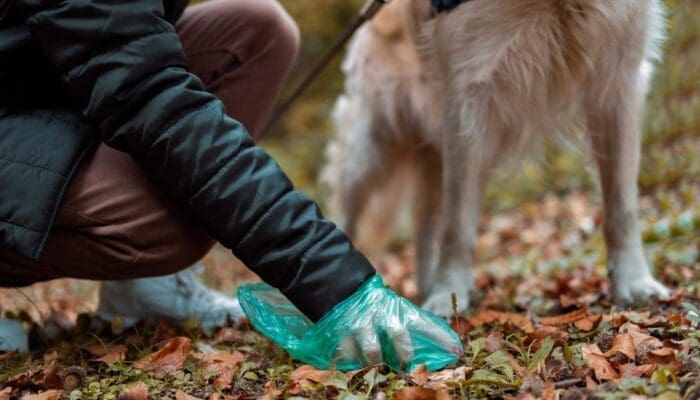
Image Source: b3730306.smushcdn.com
Grasping the Problem: Why Dog Poop Smells So Bad
Dog poop is more than just a nuisance; it’s a source of strong, unpleasant odors. These smells come from tiny helpers called bacteria. When dogs digest food, their waste still holds many nutrients. Once outside the body, bacteria in the poop and in the air start to work. They break down the organic stuff in the poop. This breakdown process makes gas. These gases are what we smell. They include hydrogen sulfide, ammonia, and other stinky compounds. The warmer it is, the faster bacteria work, making smells worse. Rain or high humidity can also make the odor spread more easily. Managing these smells means stopping the bacteria’s work or trapping the gases they make.
First Line of Defense: Picking the Right Poop Bags
The journey to a smell-free home starts right at the pickup point. The bag you choose for dog poop is very important. It’s the first barrier against odor. Not all bags are the same. Some bags are much better at holding in smells.
Types of Dog Poop Bags for Odor Control
When looking for the best dog poop bags for odor, you will find several options. Each has its own strengths.
- Standard Plastic Bags: These are common and cheap. But they are often thin. Smells can easily leak through them. They are not the best choice for odor control.
- Thicker Plastic Bags: These bags use more plastic. They are harder for smells to escape from. They also break less often. This keeps your hands clean.
- Scented Bags: Some bags have a perfume scent. This scent tries to cover up the bad smell. But it can sometimes mix with the poop smell. This might create an even worse smell. Some dogs or people might not like the perfume.
- Odor-Blocking Bags: These bags are often thicker. They also have special layers or materials. These layers trap the smell molecules. They do not just cover up the smell. They stop it from getting out. These are often the best for keeping smells locked in. Many brands offer these. They are a top choice for
preventing dog poop smell. - Compostable or Biodegradable Bags: These bags break down over time. They are better for the Earth. But their thickness and smell-blocking power can vary. Not all of them are great at stopping smells. Also, they are only “compostable” in special ways. You cannot just put them in your home compost pile with dog waste. This is for health reasons.
Features to Look For
When you pick a poop bag, think about these things:
- Thickness: Thicker bags mean fewer leaks. They also trap more smell.
- Material: Some materials are better at blocking odor. Look for bags that say “odor-blocking” or “extra thick.”
- Seal: Bags that tie easily or have a secure closure are better. They help seal in the smell.
- Size: Make sure the bag is big enough for your dog’s waste. A bag that is too small might tear or not seal well.
Using the right bag is the first big step. It makes a huge difference in controlling smells. Always double-bag the poop if the smell is still bad or if you need to store it for longer.
Table 1: Comparison of Dog Poop Bag Types
| Bag Type | Odor Control | Thickness | Eco-Friendliness | Best Use Case |
|---|---|---|---|---|
| Standard Plastic | Poor | Thin | Low | Quick disposal, very short-term storage |
| Thicker Plastic | Fair | Medium | Low | Better for walks, moderate odor control |
| Scented | Varies | Medium | Low | For those who prefer a cover-up scent (can mix with poop smell) |
| Odor-Blocking | Excellent | Thick | Low to Medium | Smell-free pet waste storage, longer holding times |
| Compostable/Bio-degradable | Varies | Varies | High (if composted commercially) | Eco-conscious owners, short-term storage (check odor control) |
Advanced Solutions: Odor-Proof Dog Poop Storage
After bagging the poop, the next step is storing it in a way that truly contains the smell. This is where dedicated bins shine. An odor-proof dog waste container is designed just for this job. It is much better than a regular trash can.
The Magic of Specialized Bins
These bins are often called dog poop bin solutions. They are made to keep smells inside. They often have special features:
- Airtight Seal: This is the most important feature. The lid fits very tightly. It stops air from getting in or out. This keeps the smell trapped inside. Think of a sealed jar.
- Carbon Filters: Many top-of-the-line bins have carbon filters. Carbon is very good at soaking up smells. The air that does escape the bin must go through this filter. The filter cleans the air before it gets out. These filters need changing often to work well.
- Durable Material: The bins are made from strong plastic or metal. This makes them last long. It also stops smells from soaking into the material.
- Easy to Clean: Good bins are simple to clean. This helps keep new smells from building up.
Types of Smell-Free Pet Waste Storage Units
There are a few main types of these specialized containers. Each works a bit differently.
- Pedal Bins with Tight Seals: These look like kitchen trash cans but are stronger. They have a foot pedal to open the lid. When you lift your foot, the lid closes tightly. The seal is usually a rubber gasket around the rim. This creates an
airtight seal. - Diaper Pails (Repurposed): Many pet owners use diaper pails. These pails are made to hold dirty diapers. They have great odor control. They often use a special bag system that twists or seals each piece of waste. This keeps smells contained very well. They are excellent
dog poop bin solutions. - Specific Pet Waste Disposal Systems: Some brands make systems just for pet waste. These might be small, sealed bins for indoor use. Or they might be larger, outdoor units. Some use special cartridges or liners that block odor.
- Compost-Style Digesters (for specific types of waste): While not for general “storage” until garbage day, some systems “compost” or break down dog waste in the ground. These are usually permanent outdoor units. They use enzymes or bacteria to break down the poop. They are not for every home and require specific conditions. This is a form of
outdoor dog waste disposal methodsbut for breaking down, not storing.
Table 2: Types of Odor-Proof Pet Waste Bins
| Bin Type | Key Feature(s) | Odor Control | Best For | Maintenance |
|---|---|---|---|---|
| Pedal Bin with Gasket | Airtight seal, foot pedal | Excellent | Regular outdoor use, easy access | Occasional cleaning |
| Diaper Pail | Twist/seal system | Superior | Indoors or sheltered outdoor, high odor need | Bag refill, filter change |
| Dedicated Pet Waste System | Carbon filter, special liners | Excellent | Indoor or outdoor, design focus | Liner/filter change, cleaning |
Choosing the right odor-proof dog waste container is key. It lets you store the waste without it smelling up your space.
Outdoor Storage Secrets: Keeping Your Yard Fresh
Even with the best bags and bins, how you handle pet waste backyard storage matters. Where you put the bin, and how you manage it, can stop smells from spreading. It also helps with preventing dog poop smell around your home.
Picking the Perfect Spot
The location of your outdoor dog waste bin is crucial.
- Away from Living Areas: Do not put the bin right outside a window or door. Keep it far from your patio, deck, or outdoor eating areas. This stops smells from drifting inside.
- Shady Spot: Direct sun makes the bin warm up. Heat makes bacteria work faster. This means more smell. A shady spot keeps the bin cooler. This slows down odor production.
- Solid Ground: Place the bin on a flat, stable surface. This stops it from tipping over. It also makes it easier to clean around it.
- Away from Air Vents: Make sure the bin is not near any vents that bring fresh air into your home. This prevents odors from being pulled inside.
The Secure Dog Waste Receptacle
An outdoor bin must be more than just odor-proof. It also needs to be secure.
- Animal-Proof: Raccoons, squirrels, and other animals are attracted to trash. A secure lid stops them from getting into the bin. Look for bins with locking latches or heavy lids. This prevents mess and spreads of waste.
- Weather-Proof: The bin needs to stand up to rain, snow, and strong winds. Look for durable, rust-proof materials. Make sure the lid seals well even in bad weather.
- Easy to Access for You: While secure for animals, it should be easy for you to open and close. A foot pedal is ideal for hands-free opening.
- Ventilation (if applicable): Some outdoor bins are designed with vents, but these are usually part of composting systems, not storage for garbage day. For storage, an airtight seal is key.
Smart Outdoor Dog Waste Disposal Methods
Beyond the bin, some practices help keep your yard clean and fresh.
- Regular Scooping: Do not let poop sit in the yard. Pick it up daily. The longer it sits, the more it smells. It also attracts flies and other pests.
- Hosing Down: If any poop gets on concrete or a path, hose it down right away. This washes away residues that can smell.
- Natural Deodorizers: You can sprinkle odor-absorbing powders like baking soda or activated charcoal inside the empty bin. This helps soak up lingering smells. Do not put them on the poop itself.
- Lining the Bin: Always use a thick, sturdy liner in your outdoor bin. This keeps the inside of the bin cleaner. It also makes emptying it easier.
- Double Bagging: For extra smell protection, always double-bag the dog poop, especially for longer storage times. This adds another layer of defense.
By choosing the right spot and a secure bin, you can keep your outdoor space clean and fresh.
Battling Bugs: Keep Flies Away from Dog Poop
Flies are not just annoying; they are a sign of odor and can spread germs. A key part of hygienic dog poop disposal is keeping flies away. Flies are drawn to the smell of decaying organic matter, and dog poop is a prime target.
Why Flies Are a Problem
- Attraction: Flies have an amazing sense of smell. They can find dog poop from far away.
- Breeding Ground: Once flies find poop, they lay their eggs in it. These eggs hatch into maggots very quickly. This creates a bigger problem.
- Germ Spread: Flies land on poop, picking up germs. Then they land on your food or surfaces, spreading those germs.
Simple Fly Deterrent for Dog Poop Strategies
Keeping flies away is mostly about keeping the smell locked in and the area clean.
- Airtight Bins: This is the best defense. If flies cannot smell the poop, they will not go near the bin. A tight-sealing lid on your
odor-proof dog waste containeris your best friend. - Regular Emptying: The less time poop sits in the bin, the less chance flies have to find it and lay eggs. Empty your bin as often as possible. Ideally, empty it on every garbage day. If you have a lot of dogs, you might need to empty it more often.
- Cleanliness: Always clean the inside and outside of your dog poop bin. Use soap and water or a mild disinfectant. Spilled poop or residue on the outside of the bin will attract flies.
- Double Bagging: This adds an extra layer of smell control. It makes it harder for flies to detect the waste inside.
- Natural Repellents Around the Bin:
- Citronella: You can place citronella candles or essential oil diffusers near the bin. Flies do not like the smell.
- Herbs: Plant herbs like mint, basil, or lavender around the area. Flies avoid these plants.
- Vinegar Traps: A small dish of apple cider vinegar with a drop of dish soap can trap flies near the bin. But make sure pets cannot reach it.
- Chemical Sprays (Use with Caution): Some insect repellent sprays can be used around the bin. Never spray them on the waste or inside the bin where your pet might come into contact with residues. Always read labels carefully. This should be a last resort.
- Fly Strips/Traps: Sticky fly strips or specific fly traps can be placed near the bin. They catch flies that are drawn to the area.
- Diaper Pail Liners: If using a diaper pail, the twist-and-seal system for each bag is very effective. It seals the smell and keeps flies out of the main pail.
By combining an airtight bin with regular cleaning and simple deterrents, you can keep your dog poop storage area free from flies. This also greatly helps in preventing dog poop smell from spreading.
Hygienic Handling: Safety First in Dog Poop Disposal
Proper hygienic dog poop disposal is not just about keeping smells away. It’s also about health and safety for you, your family, and your pets. Dog waste can carry bacteria, viruses, and parasites. These can make people and animals sick.
The Risks of Dog Poop
- Bacteria: Like E. coli and Salmonella. These can cause stomach problems.
- Parasites: Like roundworms, hookworms, and giardia. These can be harmful, especially to children.
- Viruses: Such as Parvovirus.
- Environmental Contamination: Rain can wash poop into storm drains. This pollutes water sources.
Best Practices for Hygienic Dog Poop Disposal
Follow these steps every time you handle dog waste:
- Wear Gloves: Use disposable gloves when picking up poop, especially if you have an open cut or are cleaning the bin. Even if you use a bag, gloves add an extra layer of protection.
- Use a Scooper: Many people use a scooper tool. This keeps your hands even further from the waste. It is a good choice for those who do not want to touch the bag directly.
- Tie Bags Tightly: After picking up the waste, twist the top of the bag. Then tie a tight knot. This keeps smells and germs inside.
- Wash Hands Thoroughly: Always wash your hands with soap and water after handling dog poop. Do this even if you wore gloves. Hand sanitizer is okay if soap and water are not nearby. But always use soap and water when you can.
- Clean the Scoop/Tools: If you use a scooper or other tools, clean them after each use. You can use a hose and a mild disinfectant. Let them dry in the sun.
- Regular Bin Cleaning: This is very important. Clean your
secure dog waste receptacleregularly.- Empty: First, empty all the bags from the bin.
- Rinse: Rinse the inside of the bin with a hose.
- Wash: Use warm water and soap. A long-handled brush can help scrub the inside.
- Disinfect: Use a pet-safe disinfectant. Diluted bleach (1 part bleach to 10 parts water) works well. Let it sit for a few minutes.
- Rinse Again: Rinse thoroughly to remove all soap and disinfectant.
- Dry: Let the bin air dry completely in the sun if possible. This helps kill any remaining germs and stops mold.
- Avoid Cross-Contamination: Never use tools or containers for dog poop for other tasks, especially anything related to food.
By following these hygienic practices, you greatly reduce the risk of spreading germs. This makes handling dog waste safer for everyone.
Beyond the Bin: Other Storage Tips for Dog Poop
While sealed bins are the best way, there are other smart ideas for storing dog poop. These tips can help, especially if you have a lot of waste or very strong smells.
Freezing Small Amounts of Poop
Yes, you can freeze dog poop! This might sound strange, but it is very effective for small amounts. Freezing stops bacteria from working. This means no smell.
- How to do it: Place the bagged poop (double-bagged for extra security) into a small, sealed container or a freezer bag. Put this in a corner of your outdoor freezer or a garage freezer.
- Why it works: The cold temperature stops bacterial growth. This completely eliminates odor until it thows out in the main garbage.
- When to use it: This is best for a few days of waste. It is not for large amounts of poop or for very long-term storage. On garbage day, just take the frozen block and put it in your main trash bin.
Using Desiccants or Odor Absorbers
These products can soak up moisture and bad smells.
- Activated Charcoal: This is a natural product. It is great at absorbing odors. You can place a small bag of activated charcoal inside the main
odor-proof dog waste container. Do not put it directly on the poop. Replace it every few weeks. - Baking Soda: A simple box of baking soda can help. Place an open box inside your dog poop bin. It helps neutralize some odors. Change it regularly.
- Silica Gel Packets: These soak up moisture. Less moisture means less bacterial growth and less smell. You can place these in a mesh bag inside your bin.
Double Bagging – An Easy Win
This simple step is often overlooked. But it makes a big difference.
- How it works: After tying the first poop bag, put that whole bag inside another bag. Tie the second bag tightly.
- Benefits: It creates a thicker barrier. It stops leaks. It adds an extra layer of smell protection. This is especially good if you use standard thin bags. It also helps with
smell-free pet waste storagewhen using regular trash bins.
Using Compostable Bin Liners (Carefully)
If your outdoor bin accepts liners, you can use compostable ones. But remember:
- Not for Home Compost: Dog poop should NOT go into home compost piles. It can contain harmful pathogens.
- Commercial Composting: Some cities have commercial composting facilities that can handle pet waste. Check with your local waste management.
- Biodegradable vs. Compostable: “Biodegradable” just means it breaks down over time. “Compostable” means it breaks down in specific composting conditions. For storage until garbage day, the main benefit is often just reducing plastic use, not a special way of breaking down. Focus on odor control first.
These extra tips give you more tools to fight odor. They help keep your home and yard fresh and clean.
Maintenance Matters: Keeping Your Storage Clean and Fresh
Even the best dog poop bin solutions need regular care. Cleaning and maintaining your storage system is just as important as choosing the right one. It ensures that the bin works well and prevents odors from building up over time. This is a crucial part of preventing dog poop smell.
The Cleaning Schedule
How often you clean depends on a few things:
- Number of Dogs: More dogs mean more waste. This means more frequent cleaning.
- Weather: Warm weather speeds up bacterial growth. Clean more often in summer.
- Bin Type: Some bins stay cleaner than others.
- Personal Preference: If you are very sensitive to smells, clean more often.
A good rule of thumb is to clean the bin every time you empty it on garbage day. Or at least once a week.
Step-by-Step Cleaning Guide for Your Dog Poop Bin
- Empty Completely: Make sure all poop bags are out of the bin. Remove the bin liner if you use one.
- Rinse It Out: Use a garden hose to rinse the inside of the bin. Get rid of any loose dirt or residue.
- Wash with Soap: Fill the bin with warm water and a good squirt of dish soap or a mild detergent. Use a long-handled brush to scrub all surfaces. Pay extra attention to the bottom and corners. These areas often collect grime.
- Disinfect (Optional but Recommended): After washing, you can use a disinfectant. A common and effective choice is diluted bleach. Mix 1 part bleach with 10 parts water. Spray or pour this mixture inside the bin. Let it sit for 5-10 minutes. This kills bacteria and viruses. Many pet-safe disinfectants are also available. Read the instructions carefully.
- Rinse Thoroughly: Rinse the bin again with clean water. Make sure all soap and disinfectant are gone. You do not want these chemicals to linger.
- Dry Completely: This step is very important. Let the bin air dry completely. If possible, turn it upside down or prop it open in the sun. Sunlight helps to kill any remaining germs and dry out moisture. Moisture helps bacteria grow, which leads to smell.
- Clean the Outside: Do not forget the outside surfaces. Wipe down the lid and sides. This stops smells from clinging to the outside. It also makes your
secure dog waste receptaclelook tidy.
Using Liners
Always use a sturdy bin liner in your odor-proof dog waste container.
- Protection: Liners protect the inside of your bin from getting dirty. This makes cleaning much easier.
- Easy Emptying: On garbage day, you just lift the liner out. You do not have to handle individual poop bags.
- Types: Use thick, strong garbage bags. Some specialized pet waste bins have custom liners. These often fit perfectly and enhance odor control.
Replacing Filters (if applicable)
If your bin has a carbon filter, make sure to replace it regularly.
- Check Instructions: The bin’s manual will tell you how often to change the filter. It is usually every 3-6 months.
- Why it Matters: Carbon filters soak up smells. Over time, they get full. A full filter cannot soak up any more smell. Replacing it keeps your
smell-free pet waste storageworking at its best.
By keeping your storage system clean and well-maintained, you keep your yard and home fresh. It ensures that your outdoor dog waste disposal methods are always effective.
Frequently Asked Questions (FAQ)
Q1: Can I flush dog poop down the toilet?
A1: Generally, no. Most plumbing systems are not designed for dog poop. It can clog pipes and affect water treatment plants. While some say it’s fine for small amounts, it’s best to avoid it. Check your local rules.
Q2: How often should I empty my dog poop bin?
A2: It depends on how many dogs you have and the weather. For one dog, emptying once a week on garbage day is fine. If you have multiple dogs or it’s hot, you might need to empty it more often. The goal is to avoid buildup of smell.
Q3: Can I use a regular kitchen trash can for dog poop storage?
A3: You can, but it’s not ideal. Regular trash cans usually do not have an airtight seal. This means smells will escape. They also might not be as durable. For best odor-proof dog waste container results, use a specific bin made for pet waste. If you must use one, line it well and double-bag the poop.
Q4: Are “flushable” dog poop bags really flushable?
A4: Most “flushable” bags are not truly flushable in a way that is good for plumbing or the environment. They often do not break down fast enough. This can lead to clogs or harm water systems. It is safer to bag and dispose of them in the trash.
Q5: What’s the best way to get rid of maggots if they appear in my outdoor bin?
A5: Maggots mean flies laid eggs. The best way to get rid of them is to empty the bin completely. Then, clean and disinfect it thoroughly as described in the “Maintenance Matters” section. Make sure the bin lid seals tightly to prevent flies from getting in again.
Q6: Can I put dog poop in my home compost pile?
A6: No. Dog poop can carry harmful bacteria and parasites. These can survive in home compost piles. They can then spread to your garden and make people sick. Only send dog poop to special commercial composting facilities if your city offers it.
Q7: My outdoor bin still smells even after cleaning. What can I do?
A7: This might mean the smell has soaked into the bin material. Try a stronger cleaning solution like diluted bleach (1 part bleach to 10 parts water). Let it sit longer. Also, try placing activated charcoal or baking soda inside the bin to absorb remaining smells. Make sure your bags are best dog poop bags for odor and your lid has a tight seal.
Q8: Are dog waste digesters a good option?
A8: Dog waste digesters are permanent systems buried in your yard. They use enzymes to break down poop. They are good for continuous disposal but require specific conditions (temperature, moisture) to work well. They are not for “storage” until garbage day. They eliminate the waste slowly.
By following these detailed methods and tips, you can effectively manage dog poop, stop odors, and maintain a clean, fresh, and healthy environment for your family and pets.