
How To Stop My Dog From Peeing On The Rug: Top Solutions
Peeing on the rug is a common problem for dog owners. It can be very frustrating. You might wonder, “Why does my dog do this?” and “How can I make it stop?” This guide will help you find the answers. We will look at why dogs pee inside. We will then give you clear steps to fix the problem.
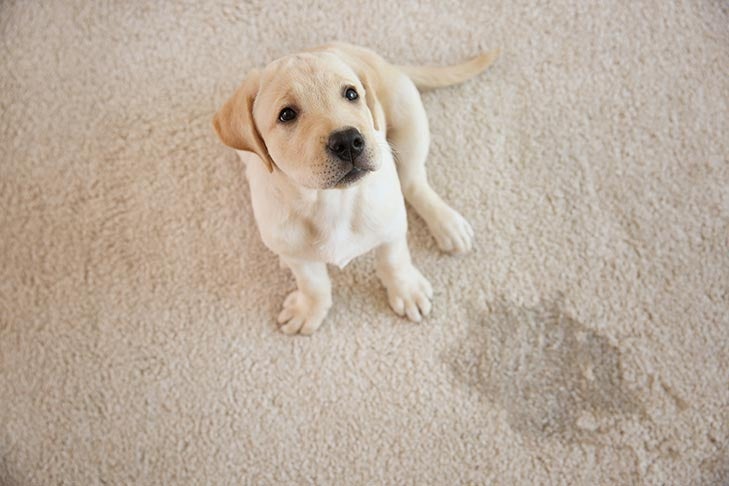
Image Source: www.akc.org
Why Your Dog Might Be Peeing on the Rug
Finding dog pee on your rug is never fun. But before you get upset, it’s key to know why it is happening. Dogs do not pee inside to be mean. There’s always a reason. It could be medical, behavioral, or a mix of both. Figuring out the cause is the first step to fixing the problem.
Medical Reasons for Peeing Inside
One of the first things to check is your dog’s health. Many health issues can make a dog pee inside. If your dog suddenly starts having dog house training accidents, especially if they were once house-trained, see a vet right away.
Common medical causes include:
- Urinary Tract Infections (UTIs): These are very common. A UTI makes a dog feel like they need to pee more often. It also makes them feel a strong urge to go, even if their bladder is not full. They might also strain or whine when peeing.
- Bladder Stones or Crystals: Like UTIs, these can make peeing painful or hard. They can also lead to more frequent urges.
- Kidney Disease: When kidneys do not work well, dogs drink more. This means they pee more. They might not be able to hold it as long.
- Diabetes: Dogs with diabetes drink a lot of water. This causes them to pee a lot. They might have accidents because of this increased need.
- Cushing’s Disease: This hormone problem can also make dogs drink and pee more.
- Thyroid Problems: An underactive thyroid can affect bladder control.
- Aging Issues: Older dogs might have weaker bladder muscles. They may also have doggy dementia. This can make them forget their house rules. Arthritis can make it hard for them to get outside fast enough.
- Some Medicines: Certain drugs, like steroids, can make your dog drink and pee more often.
If you suspect any medical causes dog peeing house, a trip to the vet is a must. Your vet can do tests. They can check for UTIs or other illnesses. Treating the health issue often stops the peeing accidents.
Behavioral Reasons for Peeing Inside
Once the vet says your dog is healthy, the problem is likely about behavior. This falls under inappropriate urination dog behavior. Many things can cause this.
House Training Problems
Not all dogs get house training right the first time. Some might need more help.
- Incomplete Training: Some dogs were never fully house-trained. Or they learned to pee outside but not that peeing inside is always wrong. This is common for rescue dogs or those from a shelter. They might have lived in a kennel where they had no choice but to pee where they slept. This can lead to adult dog potty training problems.
- Not Enough Potty Breaks: Puppies and some adult dogs need to go out very often. If you do not take them out enough, they will have accidents. Puppies especially cannot hold it long.
- Lack of Supervision: If your dog has free run of the house, they can sneak off to pee. This is why close watching is so important.
- Ignoring Accidents: If you do not clean up accidents well, the smell tells your dog it is okay to pee there again. More on cleaning later!
Marking Behavior
Marking is different from peeing to empty the bladder. Dog marking behavior indoor is often about leaving a scent message.
- Territory: Dogs mark to show ownership. They often pee small amounts on vertical surfaces like furniture legs or walls. Both male and female dogs can mark.
- Intact Dogs: Unneutered male dogs are most likely to mark. Spaying or neutering often helps reduce this.
- New Things: A new pet, a new person, or even new furniture can trigger marking. Your dog might feel the need to “claim” things.
- Stress: A stressful event can also make a dog mark.
Anxiety and Stress
Dogs feel stress just like people. Stress can make them pee inside.
- Separation Anxiety: If your dog pees only when left alone, it might be separation anxiety. Other signs include barking, chewing, or destroying things.
- Fear: Loud noises (thunder, fireworks), new places, or strange people can make a dog feel scared. This fear can lead to accidents.
- Changes: Moving to a new home, a new family member, or a change in your daily routine can stress a dog.
Submissive Urination
This type of peeing is not about emptying the bladder. It is an involuntary act. It happens when a dog feels threatened, scared, or very excited.
- What it looks like: The dog often pees a small amount while crouching low, avoiding eye contact, or rolling onto their back. They might also tuck their tail.
- When it happens: Submissive urination in dogs often happens during greetings, when someone leans over them, or when they are scolded. They are trying to show they are not a threat.
- Common in Puppies: Puppies often do this. They usually grow out of it with age and good training.
Excitement Urination
Similar to submissive peeing, this happens when a dog gets overly excited.
- What it looks like: The dog might jump, wiggle, and then pee a little. This often happens when you come home, or during playtime.
- Common in Puppies: Puppies are more prone to this. Most outgrow it as they get older.
Incomplete House Training
Sometimes, dogs learn that outside is for peeing, but they do not learn that inside is always off-limits. They might just lack the full message. This means they need more consistent training.
How to Stop the Peeing: Step-by-Step Solutions
Now that we know the “why,” let’s get to the “how.” Fixing this issue takes patience and a clear plan. Here are the top solutions.
Rule Out Medical Issues First
This is the most important first step. Before you try any training, visit your vet. Tell them about the peeing. They can do tests to rule out infections, diseases, or other health problems. If your dog has a medical issue, treating it will usually solve the problem. If you skip this step, you might try to train a healthy dog when they are actually sick.
Re-Establish House Training Basics
Even if your dog was once house-trained, going back to basics can help. This is true for puppy rug peeing solutions and adult dog potty training problems. Treat your dog like a brand new puppy for a few weeks.
-
Set a Strict Potty Schedule:
- Take your dog out very often.
- Puppies: Every 1-2 hours, after waking up, after eating, after playing, before bed.
- Adult Dogs: At least every 3-4 hours, after waking, after eating, before bed, before you leave, when you get home.
- Use a timer to help you remember.
- Use a leash for all potty breaks. This makes sure your dog actually pees. Do not just open the door and let them out alone. Walk them to their spot.
Here is an example potty schedule for a puppy or a dog being re-trained:
Time Activity 7:00 AM Wake up, immediately outside for potty 7:30 AM Eat breakfast 7:45 AM Outside for potty after eating 8:00 AM Playtime/Short training session 8:30 AM Outside for potty 9:30 AM Outside for potty 10:30 AM Outside for potty 12:00 PM Outside for potty, lunch (if applicable) 12:15 PM Outside for potty after lunch 1:30 PM Outside for potty 2:30 PM Outside for potty 4:00 PM Outside for potty 5:30 PM Dinner 5:45 PM Outside for potty after dinner 7:00 PM Playtime 8:00 PM Outside for potty 9:30 PM Last potty break before bed 10:00 PM Bedtime Adjust times based on your dog’s age and needs.
-
Reward Success:
- When your dog pees outside, praise them like crazy! Give them a treat right away. Make it a big party. This teaches them that peeing outside is a good thing that brings rewards.
- Do not praise or treat them if they pee inside.
-
Supervise Closely (and Use a Crate):
- When your dog is inside, watch them like a hawk. If you cannot watch them, they should be in a safe place. This could be a crate, a playpen, or tethered to you.
- Crate training for accidents is a very effective tool. Dogs do not like to soil their sleeping area. A crate should be just big enough for your dog to stand up, turn around, and lie down. If it is too big, they might pee in one corner and sleep in another.
- When in the crate, your dog learns to hold it. This builds bladder control.
- If your dog has an accident in the crate, it is usually a sign that they were left too long. Or it means they have a medical issue.
-
No Punishment for Accidents:
- Never scold or punish your dog for peeing inside. They will not understand why. They might learn to fear you. They might also learn to hide their accidents. This makes house training harder.
- If you catch them in the act, quickly clap your hands to startle them. Then, immediately pick them up or lead them outside. If they finish outside, praise and reward. If they do not, just bring them back in.
Address Marking Behavior
If your dog is marking, it needs a different approach.
- Spay or Neuter: If your dog is not spayed or neutered, consider it. This often reduces or stops marking, especially in males.
- Clean Thoroughly: Any old marking smells must go. Use a good enzyme cleaner (more on this below).
- Supervise and Interrupt: Watch your dog closely. If you see them about to mark (sniffing, lifting a leg), clap or say “no” calmly. Then, take them outside to their potty spot.
- Belly Bands/Diapers: For male dogs who mark, a belly band can be a helpful tool inside. It is a wrap that catches any pee. It does not stop the urge to mark, but it saves your rug. For female dogs, dog diapers can work. These are only meant as a temporary aid, not a solution.
- Identify Triggers: Try to figure out what makes your dog mark. Is it a new guest? A new smell? Managing these triggers can help.
Manage Anxiety and Stress
Stress peeing needs calming methods.
- Find the Cause: What makes your dog anxious? Is it being alone? Loud noises? Changes at home?
- Reduce Stress:
- For separation anxiety: Give your dog a puzzle toy when you leave. Do not make a big fuss when you go or come home. Practice short absences. Consider a dog walker or sitter.
- For fear: Create a safe space for your dog during storms or fireworks. Play calming music. Talk to your vet about anxiety medications if needed.
- For changes: Try to keep your dog’s routine as normal as possible. Give them extra attention and comfort during big changes.
- Calming Aids: Talk to your vet about calming diffusers (like Adaptil), calming treats, or Thundershirts. These can help some dogs feel more secure.
- Increase Exercise: A tired dog is often a calmer dog. Make sure your dog gets enough physical and mental exercise.
Dealing with Submissive or Excitement Urination
This is about managing reactions, not bladder control.
- Low-Key Greetings: When you come home, do not make a big deal right away. Wait until your dog is calm before giving pets. This helps reduce their excitement.
- Avoid Punishment: Never scold a dog for submissive peeing. This will make them more fearful and make the problem worse.
- Build Confidence: Give your dog positive training. Teach them new tricks. Take them to dog-friendly places. This can help them feel more secure.
- Ignore the Urination: If they pee when excited, just clean it up. Do not react to the pee itself.
- Potty Before Guests: Have your dog pee right before guests arrive. This reduces the chance of an accident.
Cleaning Up Accidents Properly
This step is very important. If you do not clean pee spots well, your dog will keep peeing there. This is because they are drawn to the smell. This is where pet urine odor removal and enzyme cleaner for pet urine come in.
- Why Enzyme Cleaners? Regular soap and water do not break down the uric acid in dog pee. This acid leaves a smell that only dogs can detect. An enzyme cleaner for pet urine breaks down these uric acid crystals. This gets rid of the smell completely. If the smell is gone, your dog is less likely to pee in that spot again.
- How to Clean:
- Soak up fresh pee: Use paper towels or an old cloth to blot up as much pee as possible. Press hard. Do not rub, as this can spread the stain.
- Apply enzyme cleaner: Read the directions on the cleaner bottle. Most say to soak the area well. Use enough cleaner to reach as deep as the urine soaked.
- Let it sit: Let the cleaner sit for the time listed on the bottle. This lets the enzymes do their work. This might be 10-15 minutes or longer.
- Blot dry: Blot the area again. You might need to put a clean towel over the spot and weigh it down overnight.
- Air dry: Let the spot air dry completely. Do not use heat, as this can set any remaining odor.
- Find Old Spots: You might not even know all the spots your dog has peed. A black light (UV light) can help you find old urine stains. Pee will glow under a UV light in a dark room. Once you find them, clean them thoroughly with the enzyme cleaner.
Tools and Products That Can Help
Having the right tools can make house training easier.
- Enzyme Cleaners: These are a must-have for any pet owner. Brands like Nature’s Miracle, Rocco & Roxie, or Simple Solution are popular.
- Crates: A proper-sized crate is key for house training and preventing accidents when you cannot supervise.
- Belly Bands/Dog Diapers: For marking or temporary solutions for incontinent dogs. Make sure they fit well.
- UV Black Light: Helps find old, hidden urine stains on rugs and floors.
- Durable, Washable Rugs: If you have carpet, consider getting small, washable rugs that are easier to clean or replace. Or consider putting a plastic tarp under the rug.
- Pet Gates: Use gates to keep your dog in areas where you can watch them, or away from problem areas.
- Absorbent Pet Pads (Pee Pads): Use with caution. These can be helpful for puppies or very old dogs. But they can also teach a dog that it’s okay to pee inside. If you use them, only use them for a short time. Or use them in a specific spot away from carpets, like in a bathroom.
When to Seek Professional Help
Sometimes, despite your best efforts, the problem continues. Do not give up! Professional help can make a huge difference.
- Veterinarians: Always the first stop to rule out medical issues. They can also advise on behavioral problems or refer you to a specialist.
- Certified Professional Dog Trainers (CPDT): A good trainer can help you with house training methods, manage marking, and teach you how to communicate better with your dog. They can visit your home to see the problem firsthand.
- Veterinary Behaviorists (DACVB): For complex cases, like severe separation anxiety or aggression, a veterinary behaviorist is a specialist. They are vets who have extra training in animal behavior. They can diagnose and treat behavior problems, often using a mix of training and medication.
Conclusion
Stopping your dog from peeing on the rug takes time, patience, and a bit of detective work. Start by visiting your vet to check for any medical issues. If your dog is healthy, then focus on strict house training, proper supervision, and using a crate. Address specific behaviors like marking, anxiety, or submissive peeing with the right approach.
Remember to clean all accidents thoroughly with an enzyme cleaner. This is vital to remove the smell that attracts your dog back to the spot. With consistency and the right steps, you can help your dog learn where to pee and keep your home clean and fresh. Your furry friend wants to please you, and with your help, they can learn to do their business in the right place.
Frequently Asked Questions (FAQ)
Q1: Is it normal for my puppy to pee inside?
A1: Yes, it is very normal for puppies to have accidents inside. They have small bladders and cannot hold it long. They also need to learn house rules. Consistent training and frequent potty breaks will help them learn.
Q2: How long does it take to potty train a dog?
A2: It varies greatly. Some puppies learn quickly in a few weeks. Others might take months. Adult dogs can also be trained, but it might take longer if they have bad habits. Consistency is key for success.
Q3: Can my dog ever be fully house-trained?
A3: Yes, most dogs can be fully house-trained. This means they will reliably pee and poop outside. It takes time and effort from you. Some dogs, especially older ones with health issues, might always need more frequent breaks or special care.
Q4: Why does my older dog suddenly pee inside?
A4: If an older, previously house-trained dog suddenly starts peeing inside, the first step is always a vet visit. This is often a sign of a medical issue like a UTI, kidney disease, or a cognitive problem (like doggy dementia). If medically clear, then look at changes in routine, stress, or age-related weakness.
Q5: Does punishing my dog for peeing inside work?
A5: No, punishing your dog for peeing inside does not work and can be harmful. Dogs do not understand punishment after the fact. They might just learn to fear you. Or they might learn to hide their accidents. This makes the problem harder to solve. Instead, focus on positive rewards for peeing outside and proper cleaning of accidents.