
How can you stop a dog from climbing a fence? You can stop your dog from climbing a fence by combining physical changes to the fence with training and making sure your dog’s needs are met. This often involves making the fence taller, adding anti-climb features, providing more exercise, and teaching your dog better habits.
Dogs love to explore. They see the world differently than we do. A fence that looks solid to you might look like a fun challenge or a small hurdle to your dog. When a dog learns to climb a fence, it creates a big problem. They can get lost, hurt, or cause trouble. Stopping this behavior is key to keeping your dog safe and giving you peace of mind. It takes effort, but it is possible for fence climbing prevention for dogs.
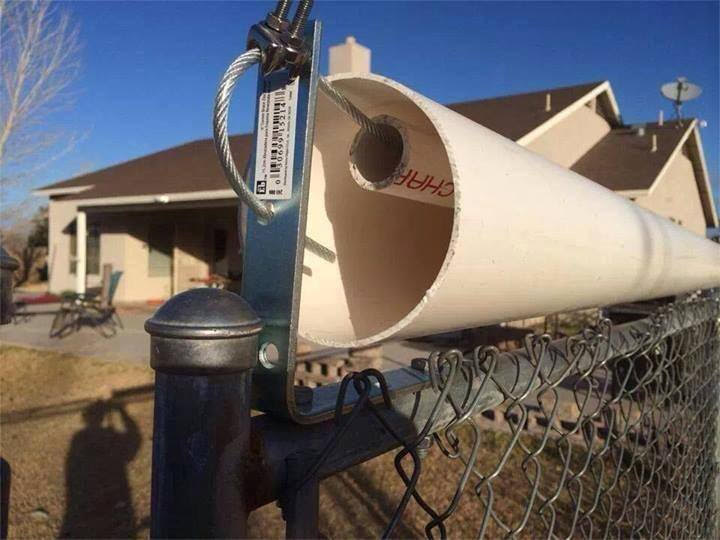
Image Source: ccspca.com
Why Dogs Climb Fences
Let’s first figure out why a dog might want to climb over a fence. This dog fence escape behavior isn’t usually because they don’t love you. It comes from their natural dog instincts and feelings.
Causes for Escape Attempts
- Boredom: A dog with nothing to do gets into trouble. If the yard isn’t interesting, the world outside the fence looks much better. Climbing is something to do.
- Anxiety: Some dogs get very worried when left alone. This is called separation anxiety. They might try to escape to find you. Fear of loud noises like thunder or fireworks can also cause panic and escape attempts.
- Prey Drive: If a dog sees a squirrel, rabbit, or cat on the other side, their strong hunting instinct kicks in. They will do anything to get to it, even climb.
- Seeking Mates: Dogs who are not spayed or neutered have a very strong urge to find a mate. They will try very hard to get out of the yard if they sense a dog of the opposite sex nearby.
- Fear: Loud noises, strangers, or other things that scare a dog can make them panic and try to run away, which might involve climbing.
- Habit: Some dogs just learn that climbing works. Once they get out, they might try again and again. It becomes a learned behavior.
Grasping why your dog climbs is the first step. Is he lonely? Does he have too much energy? Is he scared? The answer helps you choose the best solutions for dogs climbing fences.
Fixing the Fence: Physical Barriers
The most direct way to stop a dog from climbing is to make the fence impossible to climb. This is a big part of how to dog proof a fence. There are several physical changes you can make.
Checking Your Current Fence
Look closely at your fence now.
* How tall is it? Most standard fences are 4 to 6 feet. Taller fences are harder to climb.
* What is it made of? Chain link is easy to get paws into. Wood or vinyl is harder but might offer paw holds if there are gaps or crossbeams.
* Are there horizontal bars or ledges? These act like steps for your dog.
* Is it sturdy? A wobbly fence is easier to push on and climb.
Fix any weak spots. Make sure gates are secure. Look for anything your dog could use to get a paw hold.
Making the Fence Taller
Adding height is a simple idea. If the fence is too tall to get over, climbing is much harder.
Options for Fence Height
- Lattice: You can add wooden or plastic lattice on top of an existing fence. This adds 1 to 2 feet easily. It can look nice.
- Wire Mesh: Adding sturdy wire mesh (like welded wire) above the fence line is effective. Use strong posts or extensions to hold it up. Make sure the mesh holes are small enough so paws can’t get a grip.
- Extra Fence Panels: Sometimes you can add more panels of the same material on top. This works best with wood or vinyl fences that have solid posts.
Think about how high your dog can reach and jump. Some dogs are amazing athletes. Adding at least 2 feet often helps a lot. This is a common method for fence extensions for dogs.
Adding Anti-Climb Attachments
These are additions specifically designed to stop a dog from getting over the top edge. They make it hard or impossible to get a grip.
The ‘L’ Footer
Imagine adding a piece to the top of the fence that sticks out into the yard, like the letter ‘L’.
* You can use wire mesh, wood, or other materials.
* Attach it to the top of the fence posts.
* The part sticking out should be angled slightly downward.
* It needs to stick out at least 1.5 to 2 feet.
When the dog climbs to the top, they hit this barrier. They can’t get a good grip on the part sticking out over their head. They get stuck or fall back down. This is an excellent type of anti-climb fence attachment.
The ‘Y’ Footer
Similar to the ‘L’ footer, but it angles both inward and outward at the top.
* It looks like a ‘Y’ on top of the fence post.
* This is often used in commercial or high-security fences.
* It makes it very difficult to get over the top, no matter which side you are on (good if you have other animals trying to get in).
‘L’ footers are usually enough for most pet dogs and are easier to install.
Using Coyote Rollers
These are spinning tubes that you put along the very top of the fence.
* They are usually made of metal or strong plastic.
* They spin freely on a wire or rod.
* Install them right on the top edge of the fence.
When a dog tries to climb and grab the top, their paws hit the roller. The roller spins, and the dog can’t get a solid hold. They lose their grip and slide back down. These are often called coyote rollers for dog fences because they are also used to keep coyotes out, but they work well for dogs trying to get in or out.
Pros and Cons of Physical Methods
| Method | Pros | Cons | Appearance | Effectiveness Against Climbing |
|---|---|---|---|---|
| Adding Height (Lattice/Mesh) | Adds significant height, can look okay | May require post extensions, might not stop agile dogs | Varies (Lattice can look nice) | Good, makes it harder |
| ‘L’ Footers | Stops dogs at the top, clear barrier | Can be less attractive, needs careful installation | Can look industrial | Very Good |
| ‘Y’ Footers | Very effective from both sides | More complex to install, looks industrial | Industrial | Excellent |
| Coyote Rollers | Prevents grip at the top, less intrusive looking than L/Y | May need specific mounting hardware, not always 100% effective | Can blend in | Good to Very Good |
Keep in mind that an agile dog might find a way around one solution. Sometimes combining methods works best. For example, adding height and rollers.
Other Physical Fence Checks
- Address the Bottom: While the focus is climbing, check for digging too. Some dogs dig then climb a lower section. Burying wire mesh or rocks at the base can stop digging.
- Make the Fence Solid: If you have a chain-link fence, consider adding a privacy screen or bamboo roll. If the dog can’t see through, they might be less motivated by triggers outside the yard (like that squirrel!). This adds a visual barrier.
- Remove Launch Pads: Look around the fence inside the yard. Are there dog houses, large rocks, wood piles, or even snowdrifts near the fence? These act as steps or jumping-off points. Move them away from the fence line.
Making these physical changes is often the most effective first step for keeping dog from jumping over fence or climbing it. But it’s not the only step.
Helping the Dog: Behavioral Solutions
Fixing the fence is only part of the answer. You also need to look at why your dog is trying to escape. Addressing the root cause and working with your dog’s behavior is just as important as physical barriers. These are the behavioral solutions for fence climbers.
Meeting Your Dog’s Needs
A tired, happy dog is less likely to try and escape.
* Exercise: Is your dog getting enough physical activity? Different breeds need different amounts. A high-energy dog needs more than a short walk around the block. Think runs, fetch, swimming, dog parks.
* Mental Stimulation: Dogs need their brains worked too. Puzzle toys, training sessions, sniffing games (like hiding treats) keep them busy and happy. A mentally tired dog is just as important as a physically tired one.
* Attention: Dogs are social animals. Do they spend a lot of time alone in the yard? Spending quality time with your dog every day builds your bond and reduces anxiety.
Increase exercise and mental games before leaving your dog alone outside. This can make a big difference in dog fence escape behavior.
Training for the Yard
You can train your dog to behave better in the yard and reduce their desire to escape. This is specific dog training for fence jumping and climbing.
Teaching ‘Stay’ and ‘Place’
Train your dog to stay in a specific spot or on a mat while you are in the yard. Reward them for staying calm and not going near the fence. Start with short times and build up.
Teaching a Strong Recall
Make coming when called (recall) the most fun thing ever. Use high-value treats and lots of praise. If your dog tries to go near the fence, call them back in a happy voice and reward them heavily. This makes coming to you more rewarding than trying to escape.
Rewarding Calm Behavior
Actively reward your dog when you see them relaxed in the yard, away from the fence. Throw a treat their way, give calm praise. Let them know that chilling out in the yard is a good thing.
Making the Yard Fun
The yard should be a positive place.
* Play fetch or tug-of-war in the yard.
* Give them a favorite chew toy or a stuffed KONG only when they are in the yard.
* Set up a small kiddie pool or a sprinkler for hot days.
* Create a dig pit in a specific area away from the fence if they like to dig.
Make the inside of the fence more exciting than the outside world.
Supervision is Key
Do not leave a dog unsupervised in the yard if they are known fence climbers. Even if you’ve made changes, supervise them.
* Stay outside with them.
* Actively watch what they are doing.
* If they go towards the fence, call them back or distract them with a toy or game.
* This lets you stop the behavior as it happens and reinforce good habits.
* Supervision is a temporary but necessary step while you work on other solutions.
Addressing Anxiety or Fear
If the climbing is due to anxiety (like separation anxiety) or fear (of noises), you might need different help.
* Separation Anxiety: This often needs dedicated training plans, sometimes with the help of a professional. Never punish a dog for anxiety-related behavior.
* Noise Phobias: Desensitization and counter-conditioning (slowly exposing them to the noise while giving treats) can help. Safe spaces inside the house are also important during storms or fireworks.
* Consult a Vet: Sometimes anxiety or fear needs medication to help the dog cope while you work on training. Talk to your veterinarian.
These are specific behavioral solutions for fence climbers that go beyond simple obedience training.
Combining Physical and Behavioral Methods
The best way to stop a dog from climbing a fence is usually to use both physical barriers and behavioral training. How to dog proof a fence fully means securing the structure and helping your dog feel safe and happy inside it.
Think of it this way:
* The physical fence changes make it much harder to escape. This reduces the chances of them practicing the bad behavior.
* The behavioral work makes your dog less likely to want to escape in the first place.
Putting them together creates the strongest solution for fence climbing prevention for dogs.
Creating a Plan
- Figure Out Why: Watch your dog. When do they try to climb? What seems to trigger it? Is it only when you leave? Is it when they see something?
- Improve the Fence: Choose one or more physical methods (height extensions, rollers, L-footers) based on your fence type, budget, and how your dog climbs. Install them correctly.
- Increase Exercise & Mental Fun: Add more walks, runs, or playtime. Use puzzle toys, training games, or sniffaris (letting them just smell around on a walk). Do this before leaving them in the yard.
- Train Yard Manners: Teach recall, ‘stay’, and reward calm behavior near the fence.
- Supervise: Always watch your dog in the yard until you are confident the issue is resolved. Intervene early if they go near the fence.
- Get Help if Needed: If anxiety, fear, or strong prey drive is the main cause, or if you are not seeing progress, contact a professional dog trainer or a certified applied animal behaviorist. They can provide personalized behavioral solutions for fence climbers.
Example Combination
Let’s say you have a Labrador who climbs the chain-link fence mostly when he sees squirrels.
* Physical: Add 2 feet of wire mesh extension to the top and install a privacy screen on the lower part of the fence where squirrels run. This makes it taller and harder to see through.
* Behavioral: Increase his daily run time. Practice recall every time he looks towards the fence or a squirrel. Teach him to play fetch intensely in the yard so he focuses on you instead of the fence line. Give him a stuffed KONG when you leave him outside for short periods.
This combined approach attacks the problem from several angles.
Patience is Important
Stopping a dog from climbing a fence takes time and consistency. Don’t get discouraged if you don’t see results immediately. Your dog has practiced this behavior. It will take practice to build new habits. Keep reinforcing good behavior and making the fence area less appealing for escape attempts.
Related Issue: Jumping vs. Climbing
Sometimes people say their dog is “jumping” the fence, but they are actually climbing or scrambling over. Keeping dog from jumping over fence often uses similar solutions to climbing, especially fence height and anti-climb rollers. However, a true high jumper might need even taller barriers or specific jump training to teach them to keep all four paws on the ground. The behavioral steps (exercise, mental stimulation, training) are crucial for both climbers and jumpers, as the underlying reasons for wanting to get out are often the same.
Professional Help
If you have tried several methods and your dog is still climbing, it’s a good idea to get help.
* Certified Professional Dog Trainer (CPDT-KA or CPDT-KSA): A good trainer can assess your dog’s behavior, help you with training techniques, and suggest management strategies.
* Certified Applied Animal Behaviorist (CAAB) or Veterinary Behaviorist (DACVB): These professionals have advanced degrees and can diagnose and treat complex behavioral problems like severe anxiety or phobias that might be driving the escape behavior.
Don’t wait until your dog gets hurt. Seeking professional help early can make the process smoother and safer for everyone. They can provide tailored behavioral solutions for fence climbers based on your dog’s specific issues.
Fence Material Considerations
Different fence types require different solutions.
Chain Link Fences
- Climbing: Easy for dogs to get paws into.
- Solutions:
- Adding chain link or welded wire extensions on top (L or Y shape).
- Coyote rollers are often easy to install on the top rail.
- Adding privacy slats or screens reduces visibility.
Wood Fences
- Climbing: Harder to grip unless there are horizontal supports.
- Solutions:
- Adding lattice or solid wood extensions for height.
- Installing L-footers made of wood or wire mesh.
- Removing or covering horizontal crossbeams on the inside.
Vinyl Fences
- Climbing: Smooth surface makes it hard to grip. Climbing is less common than jumping if the fence is tall.
- Solutions:
- Adding height extensions if possible with the vinyl system.
- Coyote rollers can sometimes be adapted.
- Often, behavioral solutions are key if the dog is attempting to get over a tall vinyl fence, as physical grips are limited.
Wrought Iron Fences
- Climbing: Vertical bars offer footholds.
- Solutions:
- Adding extensions with mesh or rollers at the top.
- Making sure vertical bars are close enough together that the dog can’t squeeze through.
- Sometimes, adding a shorter, solid fence inside the wrought iron one is needed for determined climbers.
Matching the solution to your fence type is important for effective fence climbing prevention for dogs.
Safety First
While you are working on stopping the climbing, always put your dog’s safety first.
* Never leave your dog unsupervised in the yard if you think they might escape.
* Consider using a long lead or tie-out system (under supervision only) as a temporary measure.
* Make sure your dog has proper identification tags and a microchip in case they do get out.
* Alert neighbors that you are working on the issue.
Preventing escapes isn’t just about the fence; it’s about managing the situation safely until the problem is solved.
Summary of Solutions
Stopping a dog from climbing a fence involves a mix of strategies.
- Physical Barriers: Make the fence harder to climb using height extensions, L/Y footers, or coyote rollers. Address potential footholds and visual triggers.
- Behavioral Changes: Address the reason why your dog is climbing. Increase exercise and mental activity. Train yard manners like recall and staying away from the fence. Make the yard a fun place.
- Supervision: Watch your dog in the yard until you are confident they won’t escape.
- Professional Help: Don’t hesitate to contact a trainer or behaviorist for complex issues or if you’re not making progress.
By using these methods together, you create the strongest possible fence climbing prevention for dogs. This helps keep your dog safe and secure in your yard.
Frequently Asked Questions
h4>Why does my dog suddenly start climbing the fence?
Dogs might start climbing due to a change in their life or environment. This could be boredom from less exercise, new triggers outside the fence (like a new neighbor dog or wildlife), increased anxiety (maybe you’re home less), or reaching sexual maturity if not spayed/neutered. Pinpointing the change helps find the right fix.
h4>Are fence rollers safe for dogs?
Yes, coyote rollers are considered safe for dogs. They don’t hurt the dog. They just make the top edge impossible to grip, so the dog can’t get over. They are a humane way to stop climbing.
h4>Can any dog be trained to stop climbing?
Most dogs can learn not to climb, or at least have their escape attempts prevented by physical barriers and training. Success depends on the dog’s reason for climbing, their temperament, your consistency, and whether you address underlying issues like severe anxiety. Some behaviors require more intensive effort or professional help.
h4>When should I call a professional trainer or behaviorist?
Call a professional if:
* You can’t figure out why your dog is climbing.
* The climbing is sudden, intense, or seems driven by fear or anxiety.
* Physical changes to the fence and basic training haven’t worked after consistent effort.
* You feel overwhelmed or unsure how to proceed safely.
A professional can offer personalized guidance and advanced techniques.
h4>Will punishing my dog stop him from climbing the fence?
No, punishment is generally not effective for stopping fence climbing and can make things worse. Punishment doesn’t teach the dog what to do instead. If the climbing is due to fear or anxiety, punishment will increase those feelings, leading to more escape attempts. Focus on prevention, positive reinforcement for good behavior, and addressing the root cause.