
Can you stop a dog from barking in its crate? Yes, you can. It takes patience and the right steps. Many people ask how to calm dog in crate. It is possible with good training and a clear plan. This guide will show you how to help your dog feel safe and quiet in its crate. We will cover many tips and tricks to make crate time peaceful for everyone.
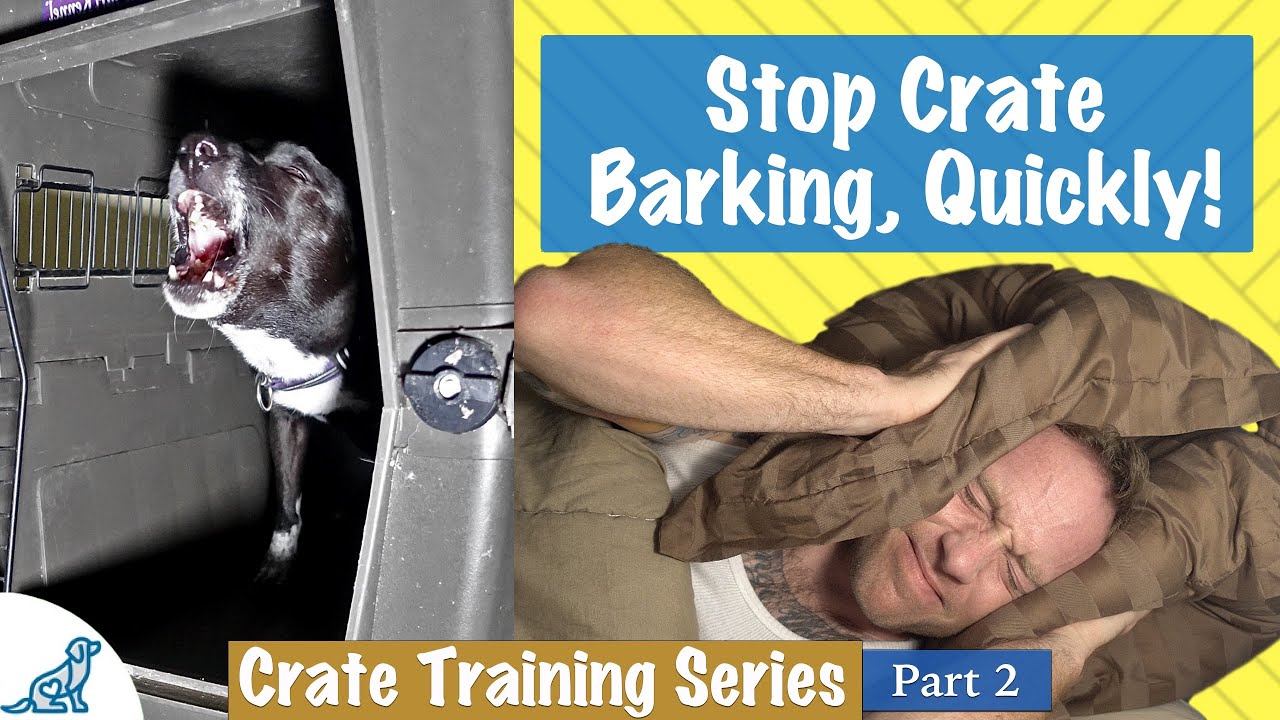
Image Source: i.ytimg.com
Deciphering Why Dogs Bark in Their Crate
Before you can stop the barking, you need to know why your dog is doing it. Barking is how dogs talk. They are trying to tell you something. Finding the reason for the barks is the first key step.
There are many reasons a dog might bark in its crate:
- Fear or Anxiety: The crate might feel like a trap. Your dog may be scared of being alone. This is often linked to dog separation anxiety crate issues.
- Need to Potty: Your dog might need to go to the bathroom. It may be too young to hold it. Or it might not have gone out recently enough.
- Attention Seeking: Your dog might want you to come back. It might bark to get you to open the door. This often works if you rush to the crate each time.
- Loneliness: Dogs are social animals. They miss you when you are not there. They might feel alone in their crate.
- Boredom: Your dog might have nothing to do. It might bark because it is bored and wants action.
- Excitement: Some dogs bark when they get excited. This can happen when they see you coming near the crate.
- Pain or Sickness: If your dog suddenly starts barking in the crate, it could be in pain. It might be sick.
It is vital to watch your dog. What kind of bark is it? When does it bark? What happens right before it barks? What happens after? Your answers can help you find the true reason.
Building a Safe Crate Space
A good crate setup can help a lot to prevent barking. The crate should be a safe and happy place. It should not feel like a jail. This is where crate setup to prevent barking comes in.
Picking the Right Crate
The crate must be the right size.
- Too Big: If the crate is too big, your dog might use one end as a bathroom. This can make them bark to get out.
- Too Small: If it is too small, your dog will feel trapped. It will be uncomfortable. This can also lead to barking.
Your dog should be able to:
- Stand up easily.
- Turn around easily.
- Lie down flat with legs out.
Most crates come with dividers. You can make the crate smaller as your dog grows. This is good for puppies.
Making the Crate Comfy
Make the crate a cozy den.
- Soft Bedding: Put a soft blanket or bed inside. Make sure it is safe for your dog. No parts that can be chewed off and swallowed.
- Favorite Toy: Add one or two safe chew toys. These can help keep your dog busy. Choose toys that are not noisy.
- Cover the Crate: Cover the crate with a blanket or towel. This makes it feel like a den. It blocks out scary sights. It can help calm your dog. Make sure air can still flow well.
- Water Bowl: If your dog will be in the crate for a long time, use a crate-safe water bowl. These attach to the side. This prevents spills.
Think about where you place the crate. Put it in a quiet spot. But it should still be where your dog feels like part of the family. A living room or bedroom corner often works well.
Key Steps for Crate Training Without Barks
Crate training takes time. Do it slowly and with good feelings. This is a big part of crate training barking solutions.
Step 1: Make the Crate Fun
Never use the crate as punishment. Your dog must see it as a good place.
- Food Inside: Throw treats or kibble inside the crate. Let your dog go in and get them. Do not close the door at first.
- Mealtime: Feed your dog its meals inside the crate. Start with the door open. Then, close it for short times while they eat. Open it as soon as they finish.
- Play Games: Play “find the treat” near and in the crate. Make it a fun game.
Step 2: Short Crate Times
Slowly increase the time your dog spends in the crate.
- Few Minutes: Close the door for just a few minutes. Stay nearby.
- Increase Time: Build up to 10 minutes, then 20, then 30, and so on.
- Stay Calm: Let your dog out calmly. Do not make a big fuss.
Step 3: Leave the Room
Once your dog is okay with short crate times, leave the room.
- Start Short: Leave the room for one minute. Come back.
- Gradual Increase: Go from 1 minute to 5 minutes, then 10.
- Quiet Returns: Come back when your dog is quiet. If it barks, wait for a quiet moment. Even a second of quiet. Then return. This teaches them that quiet brings you back. This is a major point in how to calm dog in crate.
Specific barking solutions
Different barks need different fixes. Here are crate training barking solutions for common issues.
Handling Puppy Barking in Crate at Night
Puppies often bark in their crate at night. This is a common issue. They are away from their littermates and their new family. They might be scared or need to potty.
- Potty Break Before Bed: Always take your puppy out right before crating them for the night. Make sure they pee and poop.
- No Food or Water Before Bed: Limit food and water a few hours before bedtime. This helps prevent accidents.
- Crate Near You: For the first few nights, put the crate in your bedroom. Your puppy can hear and smell you. This helps them feel safe. You can move the crate slowly away later.
- White Noise: A fan or white noise machine can block out strange sounds. These sounds can make your puppy bark.
- Comfort Item: Put something that smells like you in the crate. An old T-shirt can help. Or a dog-safe stuffed animal designed for comfort, sometimes with a heartbeat sound.
- Set an Alarm: For very young puppies, set an alarm. Take them out every 2-3 hours for a quick potty break. Do not play with them. Keep it boring. Put them right back in the crate. This teaches them to hold it for longer times.
- Respond Only to Potty Needs: If your puppy cries or barks in the middle of the night, think if they need to go out. If you know they just went, wait it out. Do not rush to the crate for every whine. This can teach them that barking gets your attention. But do not ignore true potty cries. You need to learn the difference.
Working Through Dog Separation Anxiety Crate Issues
If your dog barks when left alone in the crate, it might have separation anxiety. This is a serious issue. It needs a special plan. A dog with separation anxiety feels true panic when left alone.
Signs of separation anxiety can include:
- Extreme barking or howling.
- Pacing or shaking.
- Trying to escape the crate.
- Chewing or destroying things in the crate.
- Peeing or pooping in the crate (even if house-trained).
- Drooling a lot.
If you suspect separation anxiety, you need a slow, gentle approach.
- Short Departures: Practice leaving for very short times. Start with seconds. Leave the room, then come right back.
- No Big Goodbyes or Hellos: Make your departures and returns boring. Do not make a fuss when you leave or come back. This lowers the excitement. It helps your dog stay calm.
- Pre-Departure Cues: Give your dog a safe chew toy before you leave. This helps them connect your leaving with something good.
- Desensitize Dog to Crate: This means slowly getting your dog used to being in the crate. Start with the door open. Then, close it for a second. Increase the time very slowly. Do not push your dog too far. Always keep it positive.
- Exercise First: A tired dog is a calmer dog. Make sure your dog gets good exercise before you put them in the crate. This is why you should exercise dog before crating.
- Consult a Professional: Separation anxiety can be hard to fix on your own. A dog trainer or behaviorist can give you a special plan. They can help you deal with dog barking when left alone crate issues.
Dealing with Attention-Seeking Barks
Some dogs learn that barking gets you to come. This happens if you always rush to the crate when they bark.
- Ignore the Barking (Carefully): This is where ignoring dog barking in crate comes in. It is tricky. You should only ignore attention-seeking barking. Do not ignore barks that mean “I need to potty!” or “I am scared!”
- How to Do It: Wait for a quiet moment. Even one second of silence. Then, go to the crate. Open the door. This teaches your dog that quiet gets your attention. Barking does not.
- Be Strong: This can be hard. Your dog might bark louder at first. They are testing you. Stay strong and wait for quiet.
- Give Them Something Else to Do: Before crating, give your dog a long-lasting chew toy. A KONG filled with frozen peanut butter or wet food can keep them busy. This helps them focus on something good instead of barking.
Fixing Boredom or Excess Energy Barks
A dog with too much energy or boredom will bark.
- Exercise Dog Before Crating: This is key. A tired dog is usually a quiet dog. Take your dog for a long walk. Play fetch. Go for a run. Do this before you put them in the crate.
- Mental Exercise: Dogs need to use their brains too. Puzzle toys make them think. Teach them new tricks. This can tire them out mentally.
- Chew Toys: Give them a safe, long-lasting chew toy in the crate. This gives them something to do while you are away.
Smart Strategies to Prevent Barking
These tips help you be proactive. They stop barking before it starts.
Desensitize Dog to Crate
This means making the crate a normal, non-threatening part of your dog’s life.
- Always Open: Keep the crate door open when not in use. Let your dog go in and out freely.
- Hidden Treats: Randomly drop treats in the crate. Your dog will think good things happen in the crate.
- Nap Time: When your dog is tired, gently guide them into the crate for a nap. Leave the door open if they are comfortable.
- Short, Sweet Sessions: Crate your dog for short periods. Do this when you are home. Leave the room, come back quickly. Always release them before they get upset.
| Crate Training Step | Goal | Action |
|---|---|---|
| Make it Fun | Build good feelings about the crate. | Feed meals inside. Toss treats in. |
| Short Stays | Get dog used to door being closed. | Close door for seconds, then minutes. |
| Leave Room | Get dog used to being alone in crate. | Leave room for short times. Come back when quiet. |
| Increase Time | Build up duration in crate. | Slowly make alone time longer. |
| Positive Returns | Keep returns calm and happy. | No big fuss when you come back. Release calmly. |
Teach Dog to Be Quiet in Crate
You can teach your dog to be quiet. This skill is very helpful.
- The “Quiet” Command:
- Get your dog to bark (e.g., by knocking on the door).
- When they bark, say “Quiet!”
- Put a treat near their nose. Most dogs stop barking to sniff the treat.
- As soon as they are quiet for one second, say “Yes!” and give the treat.
- Repeat many times. Slowly increase the time they must be quiet before getting the treat.
- Reward Calmness: Whenever your dog is calm and quiet in the crate, give them praise or a small treat. This reinforces good behavior.
Exercise Dog Before Crating
This is one of the easiest and most powerful tools. A tired dog is often a quiet dog.
- Physical Activity: A good long walk, a game of fetch, or a run can burn off energy.
- Mental Activity: Puzzle toys, training sessions, or scent games can tire out the brain. A mentally tired dog is also a calm dog.
- Timing: Do this 30-60 minutes before crating. Give them time to settle down before going in.
Consistency is Crucial
Dogs learn best with clear rules and routines.
- Routine: Set a regular schedule for potty breaks, feeding, exercise, and crate time. Dogs thrive on routine.
- Everyone Agrees: Make sure everyone in the family uses the same rules. If one person lets the dog out when it barks, it will confuse the dog.
- Patience: Crate training takes time. Do not get mad if there are setbacks. Just go back to easier steps and try again.
Common Errors to Avoid
Making these mistakes can slow down your progress.
- Using Crate as Punishment: Never put your dog in the crate as a punishment. This makes the crate a bad place. Your dog will fear it.
- Rushing the Process: Do not force your dog into the crate. Do not leave them alone for too long too fast. This can cause fear and anxiety. Go at your dog’s pace.
- Letting Dog Out When Barking: If you open the crate every time your dog barks, you teach them that barking works. This makes the barking worse. Wait for a quiet moment, even if it is just a second.
- Not Enough Exercise: A dog with too much energy will struggle to be calm in a crate. Exercise is vital.
- Ignoring Potty Needs: Do not ignore cries that mean your dog needs to go to the bathroom. This can lead to accidents and crate aversion.
- Too Much Excitement at Return: When you come back, be calm. If you are too excited, it makes your dog excited too. This can make them anxious about you leaving again.
When to Ask for Expert Help
Sometimes, you need a professional.
- Severe Anxiety: If your dog shows extreme fear or panic in the crate, like hurting itself trying to get out, or never stops barking, get help.
- No Progress: If you have tried all the steps for weeks and see no change, a professional can help.
- Behavioral Issues: A certified dog trainer or a veterinary behaviorist can help with deep-seated fears or separation anxiety. They can create a special plan for your dog. They can also tell if medicine might help.
Tables for Quick Reference
Table 1: Common Barking Reasons and Solutions
| Barking Reason | What it Might Sound/Look Like | Best Solution |
|---|---|---|
| Needs to Potty | Urgent, high-pitched, insistent barks. | Take out for potty break right away. Regular schedule. |
| Attention Seeking | Regular, repetitive, tries to get your eye. | Ignore (wait for quiet). Reward quiet time. Provide long chews. |
| Separation Anxiety | Panicked, howling, destruction, drooling. | Very slow desensitization. Short departures. Exercise. Pro help. |
| Boredom/Excess Energy | Whining, then barking; looking for action. | Exercise dog before crating. Puzzle toys. Chews. |
| Fear/Discomfort | Shaking, low growls, trying to hide. | Make crate comfy. Cover crate. Move crate to quiet spot. |
| Excitement | Happy, short barks when you approach. | Calm greetings. Do not over-excite before crating. |
Table 2: Crate Training Checklist
| Item | Check if Done | Notes |
|---|---|---|
| Right Crate Size | ✔ | Dog can stand, turn, lie down. Uses divider if puppy. |
| Comfy Bedding | ✔ | Soft, safe bed or blanket. |
| Safe Toys/Chews | ✔ | 1-2 non-squeaky, durable toys. |
| Crate Cover | ✔ | Blanket over top to make it a den. |
| Good Location | ✔ | Quiet spot, near family, but not high traffic. |
| Positive First Steps | ✔ | Fed meals in crate. Treats tossed in. |
| Gradual Time Increase | ✔ | Slowly increased duration. |
| Quiet Returns | ✔ | Always waited for quiet before opening door. |
| Pre-Crate Exercise | ✔ | Dog is tired before crating. |
| Regular Potty Breaks | ✔ | Consistent schedule for potty needs. |
| Consistency | ✔ | Everyone uses same rules. |
Frequently Asked Questions (FAQ)
What if my dog barks only at night?
If your dog barks only at night, it might be a puppy barking in crate at night issue. Make sure they have had a full potty break right before bed. Limit water before sleep. Try placing the crate in your bedroom for a few nights. A comfort item or white noise can also help. For young puppies, you might need short, boring potty breaks during the night.
How long should I let my dog bark in the crate?
This depends on why they are barking. If it’s for attention and you know they don’t need to potty, you should wait for a moment of quiet before letting them out. This teaches them barking does not work. If the barking is frantic, signs of separation anxiety, or an urgent potty need, do not ignore it.
Can I use a special spray to stop barking?
Anti-bark sprays or collars are not recommended. They just stop the barking without fixing the reason why. They can make your dog more scared or anxious. It is better to use positive training methods.
Is it okay to leave a dog in a crate all day?
No. A crate is not for all-day confinement. Dogs need to stretch, play, eat, drink, and go to the bathroom. A general rule is not more than 4-5 hours for adult dogs. Puppies need more frequent breaks. If you work long hours, hire a dog walker or use doggy daycare.
How do I know if my dog needs to potty or is just barking for attention?
Learn your dog’s barks. A potty bark is often urgent and insistent. It might be paired with whining or scratching at the crate. An attention-seeking bark is often more regular and less distressed. It helps to keep a schedule. If you know your dog just went out, it’s more likely attention-seeking. When in doubt, take them out for a quick, boring potty break. If nothing happens, put them right back in.
Stopping your dog from barking in its crate is possible. It needs patience, the right tools, and a clear plan. By making the crate a positive place, meeting your dog’s needs, and being consistent, you can enjoy a quiet home. And your dog can feel safe and happy in its den.