
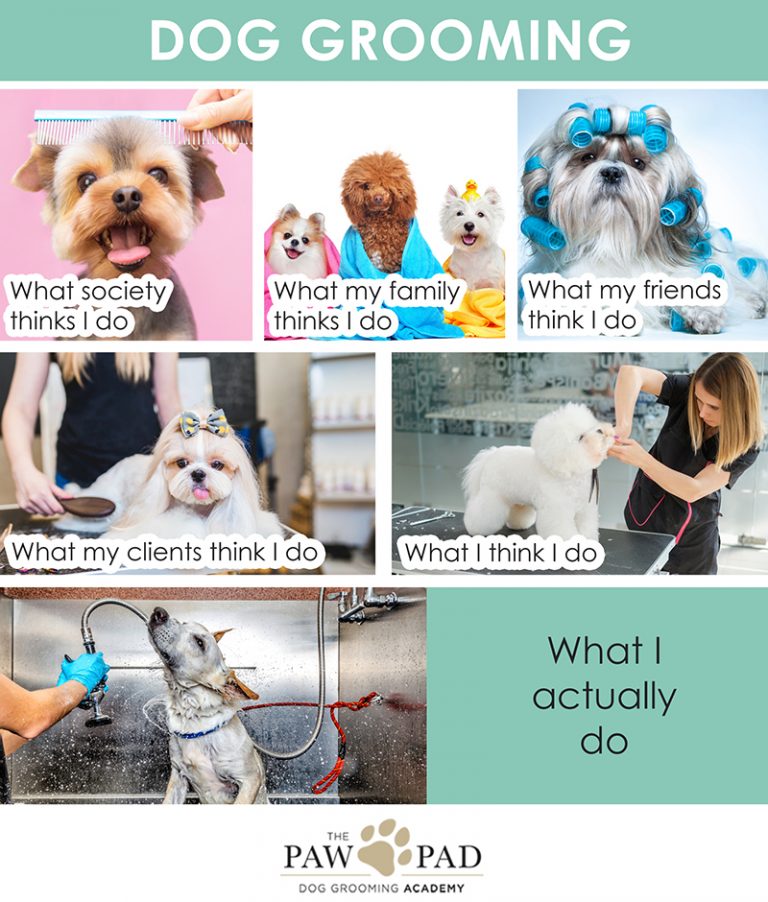
Image Source: www.pawpaddogs.co.uk
Complete Guide: How To Start Dog Grooming Business Easily
Do you love dogs? Do you dream of working with them every day? Starting a dog grooming business might be your perfect path. The pet care market is booming. People spend a lot on their furry friends. Dog grooming is a big part of this. It offers a steady demand. You can also enjoy a rewarding job. This guide will show you how to start a dog grooming business easily. We will cover everything you need.
Charting Your Course: The Business Plan
What is a dog grooming business plan? A dog grooming business plan is a written guide. It shows what your business will do. It helps you plan for success. It acts like a roadmap. It tells you where you are going. It also shows how you will get there. This plan is very important. It helps you get money. It helps you stay focused.
Here are key parts of your business plan:
- Summary of Your Idea:
- Write a short overview.
- Explain your business.
- Say why it will work.
- Mention your goals.
- Services You Will Offer:
- List all grooming services.
- Think about baths.
- Think about haircuts.
- Include nail trims.
- Maybe teeth cleaning.
- Specify dog sizes you will groom.
- Will you offer extra services?
- Like de-shedding or de-matting.
- Looking at the Market:
- Who are your customers? Find out who needs dog grooming. Are they busy families? Are they older people?
- Who are your rivals? Look at other groomers near you. What do they do well? What could they do better?
- What makes you special? How will you stand out? Will you offer mobile service? Will you have special hours? Will you have lower prices?
- How You Will Operate:
- Where will you work? A salon? A mobile van? Your home?
- What will your daily tasks be?
- How will you book appointments?
- How will you handle dogs safely?
- Will you have staff? If so, how many?
- Money Talk:
- How much money do you need to start? List all startup costs.
- How much will things cost each month? Think about rent, supplies, wages.
- How will you set prices? Look at rivals. Think about your costs.
- How much money do you expect to make? Make a guess for the first few years.
- How to Get Customers:
- How will people know about you?
- Will you use social media?
- Will you put up flyers?
- Will you have a website?
- How will you keep customers coming back?
Creating a good plan makes your path clearer. It shows you are serious. It sets you up for success.
| Business Plan Section | What It Covers | Why It Matters |
|---|---|---|
| Executive Summary | Quick overview of your whole business | First impression, hook for readers |
| Company Description | Your vision, mission, what makes you unique | Defines your business identity |
| Services | Detailed list of grooming options and prices | Clarifies your offerings to customers and investors |
| Market Analysis | Who are your customers? Who are your competitors? | Shows you know your target and competition |
| Operations Plan | How your business will run daily | Ensures smooth daily tasks and quality service |
| Marketing Plan | How you will attract and keep customers | Critical for growth and revenue |
| Financial Plan | Startup costs, expenses, pricing, profit outlook | Proves your business can make money |
Legal Steps: Permits and Rules
Starting any business means following rules. This is true for dog grooming too. You must get the right permits and licenses. These make sure your business is legal. Rules can differ by place. What you need in one city might be different in another. Always check with your local government first.
Do I need dog grooming salon permits licenses? Yes, you will need permits and licenses. These make sure your business is legal. Rules can differ by place. For a salon, you will likely need a business license. You might also need health permits. Check zoning laws too. These laws say if you can run a business in that area.
Choosing Your Business Type
Before you get licenses, pick a business structure. This is how your business is set up legally.
* Sole Proprietor: This is the easiest. You are the business. All profits are yours. You are also responsible for all debts. This is good for starting a small pet grooming business.
* LLC (Limited Liability Company): This protects your personal things. If the business gets sued, your house or car are usually safe. It costs more to set up. It offers good protection.
* Partnership: If you work with someone else.
* Corporation: More complex, usually for larger businesses.
Most small grooming businesses start as a Sole Proprietor or LLC.
Getting Necessary Licenses
- Federal Tax ID (EIN): If you hire staff, you need this from the IRS. It’s like a social security number for your business.
- State Business License: Most states require a basic business license. Check your state’s rules.
- Local Business License: Your city or county will likely need a local business license. This is common.
- Zoning Permit: This permit ensures your chosen location (salon, home) is allowed for business use. This is very important for home-based grooming.
- Sales Tax Permit: If you sell products (like dog treats or leashes), you might need to collect sales tax. You will need a permit for this.
Health and Safety Rules
Dog grooming involves animals. So, health and safety are key.
* Animal Welfare: You must treat animals humanely. This is about their safety and comfort.
* Waste Disposal: You need proper ways to get rid of animal waste.
* Cleanliness: Your grooming area must be clean. This stops the spread of germs.
* Safety Features: Have first-aid kits for dogs and people. Make sure your space is safe.
Always talk to your local city hall or county clerk. They can give you the exact list of what you need. It is better to check first than to fix problems later.
| Type of Permit/License | What It Is | Who Issues It (Common) |
|---|---|---|
| Business License | General permission to operate a business | City/County |
| Zoning Permit | Confirms your location is approved for business | City/County Planning |
| Employer ID Number (EIN) | Federal tax ID for businesses with employees | IRS (Federal) |
| Sales Tax Permit | Allows you to collect and pay sales tax on goods | State |
| Animal Care/Kennel License | For businesses handling animals, ensuring welfare | City/County Health Dept. |
Guarding Your Business: Insurance Essentials
Life has surprises. Businesses do too. Insurance protects you from big problems. It covers accidents or issues. This is true whether you have a salon, a mobile unit, or a home setup.
Do I need home dog grooming business insurance? Yes, you will need insurance for your home dog grooming business. This protects you from big problems. It covers accidents or issues. Imagine a dog gets hurt. Or a client slips in your home. Insurance helps pay for these things. It keeps you safe from large costs.
Types of Insurance for Pet Groomers
- General Liability Insurance: This is a must-have. It covers common accidents. Like a client slipping on a wet floor. Or property damage you cause. It protects you from claims by others.
- Professional Liability Insurance (Errors and Omissions): This covers mistakes you might make. What if a dog gets clipper burn? Or if you make a bad cut? This insurance helps. It covers costs if you are sued for your professional services.
- Commercial Property Insurance: If you have a salon, this covers your building and gear. It protects against fire, theft, or natural disasters.
- Inland Marine Insurance: This sounds odd. But it’s vital for mobile groomers. It covers your equipment when it’s in transit. If your clippers are stolen from your van, this helps.
- Business Interruption Insurance: What if a fire shuts down your salon? Or your mobile van breaks down for weeks? This insurance pays for lost income. It helps you pay bills while you cannot work.
- Workers’ Compensation Insurance: If you hire staff, you must have this. It pays for their medical bills. It covers lost wages if they get hurt at work.
Why Insurance Matters
Insurance is not just a cost. It is an investment. It gives you peace of mind. Without it, one big accident could close your business. Get quotes from different insurance companies. Make sure you get enough coverage. Ask about pet-specific policies. Some plans are made just for pet businesses.
Learning the Craft: Training and Skills
To be a good groomer, you need skills. You also need to know about dog safety. Proper training is very important. It keeps dogs safe. It makes clients happy. It builds your reputation.
What are dog groomer certification requirements? Dog groomer certification requirements often mean completing a course. You learn grooming skills. You then pass a test. This shows you are skilled. Certification proves you know what you are doing. It builds trust with clients. It is not always required by law. But it is always a good idea.
Can I take online dog grooming courses? Yes, you can take online dog grooming courses. Many schools offer them. They let you learn from home. Online courses are flexible. They can be a good start. But remember, hands-on practice is key. Some online programs may require practice hours. They may also ask for in-person exams.
Ways to Learn Grooming
- Grooming Schools: These offer full courses. They teach you all the basics. You get hands-on training. They often have real dogs to practice on. They can be costly. But they offer a deep education.
- Apprenticeships: You work under an experienced groomer. You learn on the job. You get paid little or nothing. But you gain real-world skills. This is a great way to learn. It often costs less than school.
- Online Courses: Good for theory. You learn about dog breeds. You learn about health. You learn about tools. They might not offer enough practice. Pair online learning with hands-on work. Try to find a local groomer for practice.
- Certifications: These show you have met certain standards. Groups like the National Dog Groomers Association of America (NDGAA) offer them. Getting certified shows you are serious. It shows your skill.
Why Training is Key
Good training means you can groom safely. You will know how to handle different dog breeds. You will know how to spot health issues. You will learn to use tools correctly. This stops injuries. It makes dogs feel calm. It helps you build a loyal client base. Never stop learning. Dogs and grooming trends change. Stay updated.
Your Toolkit: Essential Grooming Gear
Having the right tools is crucial. Good equipment helps you do a good job. It also makes your work easier and faster. It ensures dog safety.
What is a pet grooming equipment list? A pet grooming equipment list includes all tools needed. These are items like clippers, brushes, and tubs. They help you groom dogs well. Good tools are an investment. They last longer. They work better.
Must-Have Tools for Every Groomer
- Clippers and Blades: You need a strong, quiet clipper. Get various blade sizes. Different blades are for different hair lengths. You will also need oil and coolant for blades.
- Brushes and Combs:
- Slicker brushes: Good for removing mats and loose hair.
- Pin brushes: Gentle for longer coats.
- Undercoat rakes: To remove thick undercoats.
- Combs: For finishing and checking for tangles.
- Tubs and Drying Systems:
- Grooming Tub: A sturdy tub is a must. It needs a spray nozzle. It should be easy for dogs to get in and out.
- High-Velocity Dryer: This is different from a human hair dryer. It blows water off the dog quickly. It helps de-shed. It saves time.
- Stand Dryer: For hands-free drying.
- Safety Tools:
- Nail Clippers: Get different sizes for different dog paws.
- Styptic Powder: Stops bleeding quickly if you cut a nail too short.
- Ear Cleaner and Cotton Balls: For keeping ears clean.
- Eye Cleaner: For wiping around the eyes.
- Muzzles: For safety, if a dog gets anxious or aggressive. Use them only when needed.
- Grooming Tables:
- Hydraulic or Electric Table: Best for salons. You can raise and lower it. This saves your back.
- Portable Table: Good for mobile or home groomers.
- All tables need a sturdy grooming arm. This holds the dog safely in place.
- Shampoos and Conditioners:
- Buy professional-grade products.
- Get different types. Like de-shedding shampoo. Or shampoo for sensitive skin.
- Always dilute shampoos properly.
- Scissors:
- Straight, curved, and thinning shears.
- Sharp scissors are key for good cuts.
- Towels: Lots of absorbent towels.
- First Aid Kit: For both dogs and humans.
Buy good quality tools. They will last longer. They will make your work safer and better.
| Category | Essential Items | Notes |
|---|---|---|
| Clipping & Trimming | Professional Clippers, Multiple Blades (10, 7F, 5F, 4F, 3F), Clipper Coolant, Clipper Oil | Invest in good quality; quiet for dog comfort |
| Brushing & Dematting | Slicker Brushes (various sizes), Pin Brush, Undercoat Rake, Various Combs (Greyhound, flea) | Essential for coat prep and finishing |
| Bathing & Drying | Grooming Tub with Spray Hose, High-Velocity Dryer, Stand Dryer, Absorbent Towels, Pet Shampoo & Conditioner | High-velocity dryer is a must-have time-saver |
| Safety & Control | Grooming Table with Arm & Loop, Nail Clippers (guillotine & scissor), Styptic Powder, Muzzles (various sizes), Restraint Straps | Safety for both groomer and dog is paramount |
| Detailing & Finishing | Straight Shears, Curved Shears, Thinning Shears, Forceps, Hemostats, Ear Cleaner, Eye Wash, Dental Kit | Sharp tools for precision; keep them clean |
| Sanitation & Hygiene | Disinfectant for tools, Kennel Cleaner, Gloves, Aprons, Waste Bins, Laundry Supplies | Maintain a clean and healthy environment |
Counting the Costs: Starting Up
Starting any business costs money. Dog grooming is no different. Knowing your costs helps you plan. It helps you set prices. It helps you get loans if needed.
What are mobile dog grooming startup costs? Mobile dog grooming startup costs include buying a van. You also need to outfit it. Equipment and licenses add to the price. A new, fully converted van can cost a lot. Used options are cheaper. You also need insurance for the van.
Startup Costs Breakdown
Your costs depend on your business type: salon, mobile, or home-based.
- Fixed Location Costs (for a salon):
- Rent or Purchase: This is often the biggest cost.
- Renovation: You might need to change the space. Add plumbing, proper flooring.
- Utility Deposits: Electricity, water, gas.
- Signage: A sign for your shop.
- Initial Inventory: Shampoos, conditioners, treats.
- Furniture: Waiting area chairs, reception desk.
- Mobile Van Costs (for mobile grooming):
- Vehicle Purchase: New or used van.
- Van Conversion: Adding a tub, water tanks, dryer, generator, AC/heating. This can be very expensive.
- Vehicle Insurance: Special commercial auto insurance.
- Equipment Costs:
- Clippers, blades, dryers, tables, brushes, shears. (See “Your Toolkit” section).
- This is a large upfront cost.
- Initial Supplies:
- Shampoos, conditioners, towels, cleaning supplies.
- Marketing materials (business cards, flyers).
- Marketing Launch:
- Website design, local ads, social media setup.
- Legal Fees:
- Business registration, permits, licenses.
- Lawyer fees if you need help setting up your LLC.
- Initial Working Capital:
- Money to cover bills for the first few months. Before you make much profit.
Sample Startup Costs (Estimates):
| Cost Item | Salon-Based (Low to High) | Mobile-Based (Low to High) | Home-Based (Low to High) |
|---|---|---|---|
| Rent/Lease/Renovation | \$5,000 – \$50,000+ (Deposit, Build-out) | \$0 (Unless home-based permits) | \$0 – \$5,000 (Room setup, permits) |
| Vehicle & Conversion | N/A | \$20,000 – \$100,000+ (Used to New) | N/A |
| Grooming Equipment | \$3,000 – \$15,000+ | \$3,000 – \$15,000+ | \$2,000 – \$10,000+ |
| Initial Supplies | \$500 – \$2,000 | \$500 – \$2,000 | \$500 – \$1,500 |
| Licenses & Permits | \$100 – \$1,000 | \$100 – \$1,000 | \$50 – \$500 |
| Insurance | \$500 – \$2,000 (annual) | \$1,000 – \$3,000 (annual) | \$300 – \$1,000 (annual) |
| Marketing Launch | \$200 – \$1,000 | \$200 – \$1,000 | \$100 – \$500 |
| Working Capital | \$2,000 – \$10,000 | \$2,000 – \$8,000 | \$1,000 – \$5,000 |
| TOTAL ESTIMATE | \$11,300 – \$81,000+ | \$27,100 – \$140,000+ | \$4,150 – \$18,500+ |
These are rough numbers. Your actual costs will vary. Plan carefully. Look for ways to save. You might buy used equipment. Or start small from home.
Earning Your Keep: Profitability
Making money is why you start a business. Dog grooming can be very profitable. But you need to manage it well.
What is the average dog grooming business profit? The average dog grooming business profit can vary a lot. It depends on your prices. It also depends on how many dogs you groom. Good management helps you earn more. A single groom can cost anywhere from \$50 to \$100 or more. This depends on the dog’s size and coat. It also depends on the services needed. A well-run groomer can see profit margins from 15% to 30% or even higher.
Setting Your Prices
- Look at Local Rates: Check what other groomers charge in your area. Do not be too cheap. Do not be too expensive. Find a good middle ground.
- Consider Your Costs: Make sure your prices cover your costs. Include your time, supplies, and overhead.
- Value Your Skills: If you have special training or certifications, you can charge more.
- Service Tiers: Offer different packages. A basic bath. A full groom with haircut. Add-ons like de-shedding.
- Dog Size/Breed: Charge more for bigger dogs. Or dogs with difficult coats.
Controlling Your Costs
- Buy in Bulk: Get shampoos and supplies in larger amounts. This often saves money.
- Care for Equipment: Keep your tools clean and sharp. This makes them last longer. It saves money on replacements.
- Manage Utilities: Turn off lights. Save water.
- Efficient Scheduling: Book appointments smartly. Reduce gaps between dogs. This lets you groom more dogs.
- Minimize Waste: Do not use too much shampoo. Be careful with towels.
Boosting Your Income
- Add-On Services: Offer teeth brushing, paw moisturizing, specialty shampoos.
- Retail Products: Sell dog treats, toys, leashes, grooming tools. This is extra income.
- Loyalty Programs: Give discounts to regular customers. This keeps them coming back.
- Online Booking: Make it easy for people to book.
- Efficient Grooming: Learn to groom faster without losing quality. This means you can fit in more dogs.
Track your income and costs closely. This helps you see where you are making money. It shows where you can improve.
Spreading the Word: Attracting Customers
A great grooming service needs customers. You need to tell people about what you do. Marketing is how you get dogs through your door.
How to do marketing dog grooming services? To do marketing for dog grooming services, tell people about your business. Use social media. Give out flyers. Ask happy customers to tell friends. Make it easy for people to find you online. Build a good name in your town.
Online Marketing
- Website: A simple website is key. List your services. Show your prices. Have photos of your work. Make it easy for people to book appointments.
- Social Media: Use Facebook and Instagram. Post cute dog photos. Show before and after pictures. Share tips for pet owners. Run contests. Engage with your followers. Use relevant hashtags.
- Online Reviews: Ask happy clients to leave reviews. Google, Yelp, and Facebook reviews are very important. Good reviews bring new customers. Reply to all reviews, good or bad.
- Local SEO: Make sure your business appears when people search for “dog grooming near me.” List your business on Google My Business. Make sure your address, phone number, and hours are correct.
- Email Marketing: Collect emails from clients. Send newsletters. Share special offers. Remind them about their dog’s next groom.
Offline Marketing
- Business Cards and Flyers: Hand them out at vet offices. Put them in pet supply stores. Put them in local coffee shops.
- Partnerships: Work with local vets, pet stores, or dog trainers. They can refer clients to you. You can do the same for them.
- Community Events: Set up a booth at local pet fairs. Offer free nail trims. Hand out your cards.
- Word of Mouth: This is the best marketing. Do a great job. Be friendly. People will tell their friends. Offer a referral discount. Give a small discount to clients who send new customers to you.
Loyalty Programs
Reward repeat customers. Offer a discount after 5 grooms. Or a free service after 10. This keeps them coming back. It builds strong client relationships. Consistency and good service are the best marketing tools.
Choosing Your Workspace: Salon, Mobile, or Home
Where you groom dogs impacts everything. Your costs, your daily work, and your customer base. Each option has its pros and cons.
Can I start a small pet grooming business? Yes, you can start a small pet grooming business. You can do this from your home. Or you can use a mobile van. It’s a great way to begin. Starting small helps you learn and grow. You can expand later if you wish.
Salon Grooming
- Pros:
- Professional image.
- Can handle many dogs at once.
- Dedicated space for equipment.
- Customers come to you.
- Cons:
- High startup costs (rent, build-out).
- Fixed overheads (rent, utilities).
- Need to follow strict zoning laws.
- Less flexible hours.
Mobile Grooming
- Pros:
- Great convenience for clients.
- High demand.
- Dogs are often calmer.
- No salon rent or utility bills.
- Cons:
- Very high startup cost for the van.
- Maintenance and gas costs for the vehicle.
- Can only groom one dog at a time.
- Limited service area.
- Weather can affect work.
Home-Based Grooming
- Pros:
- Lowest startup costs.
- Very flexible hours.
- No commute.
- Can deduct home office expenses.
- Cons:
- Need space in your home.
- Can get messy.
- Need to get special permits/zoning approval.
- Less professional image to some clients.
- Home life and work life can mix.
Choosing the Best Fit for You
Think about your budget. Think about your goals. Think about your lifestyle.
* If you have little money, start from home.
* If you want to offer high convenience, go mobile.
* If you want a big, busy business, a salon is best.
Many groomers start home-based. They gain experience and clients. Then they move to a mobile van or a salon. This lets them grow step-by-step.
Daily Operations: Running Smoothly
Once you are open, daily tasks keep your business flowing. Good organization makes work easier. It keeps clients happy.
- Booking and Scheduling:
- Use good software. Many apps help you book appointments. They send reminders.
- Set clear hours. Be on time.
- Allow enough time for each groom. Do not rush.
- Client Communication:
- Talk to pet owners. Ask about their dog’s needs.
- Give updates during the groom.
- Call if there are any issues.
- Confirm pickup times.
- Ask for feedback.
- Safety First:
- Always put the dog’s safety first.
- Use proper restraints on the grooming table.
- Check for signs of stress or health issues.
- Keep your tools clean.
- Have an emergency plan. Know your local vet.
- Keeping Records:
- Keep records for each dog. Note their breed, age, and behavior.
- Write down any special needs or health problems.
- Record what services were done. Note any issues.
- This helps for future grooms. It also helps if there are any problems.
- Keep financial records too. This helps with taxes.
Good daily habits build a strong business. They make your work enjoyable. They build trust with your clients.
Growing Your Pack: Future Steps
Your dog grooming business can grow. You can offer more services. You can hire staff. You can even open new locations.
- Expanding Services:
- Offer special treatments. Like teeth scaling. Or special de-shedding.
- Add pet sitting or walking.
- Start selling pet supplies.
- Hiring Staff:
- If you are busy, hire another groomer.
- Or hire a bather or a receptionist.
- This lets you groom more dogs.
- It gives you more free time.
- Open Another Location:
- Once one salon is thriving, open another.
- Or add another mobile van.
- Franchising:
- If your model is very successful, you could let others use your brand. This is a big step.
Think about what you want for your business. Set new goals as you grow. Keep learning. Keep improving. The dog grooming world is always changing. Stay ready for new challenges.
Frequently Asked Questions (FAQ)
Q1: How much money can a dog groomer make?
A: A dog groomer’s income changes a lot. It depends on location. It depends on how many dogs you groom. It depends on your prices. Many independent groomers can earn \$30,000 to \$60,000 a year. Experienced groomers or business owners might earn more.
Q2: Is dog grooming a hard job?
A: Dog grooming is rewarding. But it is also physically hard. You stand a lot. You lift dogs. It can be messy. Some dogs are difficult. You need patience and strength. It also takes skill and art.
Q3: How long does it take to become a certified dog groomer?
A: This varies. Some intensive courses take a few weeks. Others can take months. Online courses might be self-paced. Apprenticeships can take a year or more. It depends on how fast you learn. It depends on the program.
Q4: Do I need a special degree to be a dog groomer?
A: No, you do not need a college degree. You need proper training. You need hands-on practice. Certifications show your skill. They are not always legally required. But they are highly recommended.
Q5: Can I groom all dog breeds?
A: As you gain experience, you will groom many breeds. Some breeds have special grooming needs. Some are very large or have difficult coats. Start with breeds you are comfortable with. Learn new skills over time.
Q6: What is the most important quality for a dog groomer?
A: Love for dogs is very important. But patience, a calm nature, and safety are key. You must be gentle. You must be firm when needed. Good customer service skills are also very important.