
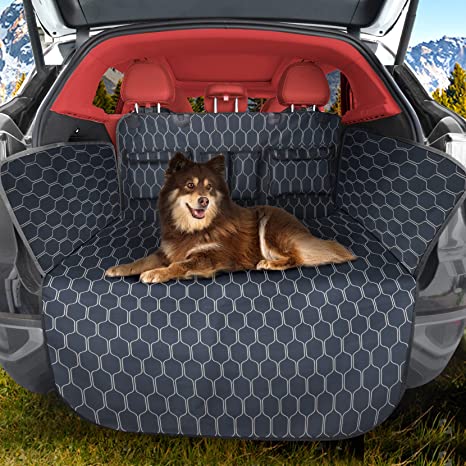
Image Source: www.xmpow.com
Guide: How To Secure Dog In Cargo Area Of Suv Safely
Securing your dog in the cargo area of your SUV is very important. It keeps both your dog and human passengers safe. A safe dog transport SUV setup means your dog is held firmly in place. This stops them from moving around or getting hurt. It also stops them from becoming a danger in a sudden stop or crash. Yes, you can secure your dog safely in the cargo area of an SUV. Many tools help with this. These include crash-tested dog crates for SUVs, SUV pet safety restraints, and cargo area dog barriers. This guide will show you how to choose and use these items. It will help you give your dog a safe and calm ride.
Why Safe Dog Transport in an SUV is a Must
Keeping your dog secure during car trips is not just a good idea; it is often vital. Loose dogs can cause big problems.
Protecting Your Dog
A dog not tied down can get badly hurt. In a sudden stop, a loose dog can be thrown forward. This can cause broken bones or worse. Even a small bump can injure a dog. A safe setup holds them in place. This makes their ride much safer. It lessens the chance of injury in a crash.
Protecting Human Passengers
A loose dog can also hurt people in the car. In a crash, a dog becomes a moving object. A dog weighing 60 pounds can hit with a force of over 2,700 pounds at just 30 mph. This can cause serious harm to anyone it hits. Dogs can also distract the driver. They might jump into the front seat. They might block the driver’s view. Both of these can lead to accidents. A secure dog lets the driver focus on the road.
Legal Requirements
Some places have laws about pet restraint in cars. These laws make it a must to secure your pet. Breaking these laws can lead to fines. It is always best to check local laws before you travel. Having your dog safely secured keeps you on the right side of the law.
Choosing the Right Pet Vehicle Containment System
Many ways exist to keep your dog safe in your SUV’s cargo area. The best choice depends on your dog’s size, your SUV, and your travel needs. Here are the main options:
- Crash-Tested Dog Crates: These are top safety choices. They offer a strong, enclosed space.
- Cargo Area Dog Barriers: These keep your dog in the back. They stop them from reaching the front.
- SUV Pet Safety Restraints (Harnesses): These attach to seatbelts. They are usually for dogs in seats. For cargo, they are not ideal alone.
We will look at each choice in detail. This helps you pick the right system for secure canine car travel.
In-Depth Look: Crash-Tested Dog Crates for SUVs
When it comes to top safety, crash-tested dog crates for SUVs are the best. These crates are built to protect your dog in a crash. They are a form of vehicle dog travel kennels designed for strength.
Why Crash-Tested Matters
Not all crates are made equal. Many dog crates are for house use. They are not strong enough for a car crash. A regular crate can break apart in a crash. This can harm your dog or turn the crate into a danger. Dog crate crash protection is key. Crash-tested crates have gone through tough tests. These tests show they can stay whole and protect your dog during impact. The Center for Pet Safety (CPS) often performs these tests. They use standards similar to child car seat tests.
Features of Good Vehicle Dog Travel Kennels
Good crash-tested crates have specific features:
- Strong Materials: They are often made of strong aluminum or steel. These materials absorb crash forces well.
- Built-in Tie-Downs: Most have ways to strap them down. This keeps the crate from moving in the SUV.
- Escape-Proof Latches: Doors stay shut even in a crash.
- Proper Ventilation: Enough air holes keep your dog cool and comfy.
- Rounded Edges: No sharp parts to hurt your dog.
Sizes and Fit
Picking the right size crate is very important. Your dog should be able to stand up, turn around, and lie down easily. But the crate should not be too big. A crate that is too big lets your dog slide around too much. This can cause injury.
To size a crate:
- Measure your dog: Get their length from nose to tail base. Measure height from paw to top of head when standing.
- Add space: Add 4-6 inches to their length for comfort. Add 2-4 inches to their height.
- Measure your SUV cargo area: Check the width, length, and height. Make sure the crate fits well. Pay attention to sloped back seats or tailgate angles.
It is often best to try a crate in your SUV before you buy it. Make sure the crate allows the tailgate to close fully.
Installation Tips for Crates
Correct installation is vital. Even the best vehicle dog travel kennels will not work if they are not secured right.
- Use Anchor Points: SUVs have D-rings or cargo hooks. These are in the cargo area floor or walls. Use strong straps to tie the crate to these points.
- Tight Straps: Make sure the straps are very tight. The crate should not slide or wiggle.
- No Loose Items: Remove anything loose around the crate. These could hit the crate in a crash.
- Cargo Area Mat: A non-slip mat under the crate can add stability.
Pros and Cons of Crash-Tested Crates
| Feature | Pros | Cons |
|---|---|---|
| Safety | Highest level of dog crate crash protection. | Can be expensive. |
| Containment | Full enclosure. Prevents distraction. | Takes up a lot of cargo space. |
| Dog Comfort | Secure, den-like space. Many dogs feel safe inside. | Some dogs need training to like a crate. |
| Durability | Built to last. | Can be heavy and hard to move. |
| Cleaning | Easy to clean spills or accidents. | May limit space for other luggage. |
Exploring Cargo Area Dog Barriers and Dividers
Cargo area dog barriers are another way to keep your dog safe in the back. These systems create a wall between your dog and the passenger area. They are often called pet cargo area dividers.
Purpose
A barrier’s main job is to stop your dog from getting into the front seats. It prevents driver distraction. It also keeps your dog in the cargo space. It does not offer crash protection for your dog itself. Your dog can still be thrown around within the cargo area in a crash. For full safety, use a barrier with a secured crate. Or, use it for dogs that are very calm and lie down for the whole trip, but this is less safe.
Types of Barriers
Barriers come in different forms:
- Universal Barriers: These fit most SUVs. They often use tension rods or straps to stay in place. They can be mesh or metal.
- Custom-Fit Barriers: These are made for specific SUV models. They fit better and are usually more stable. They are often metal grids.
- Net Barriers: These are soft mesh nets. They offer less protection but are light and easy to use. They are mostly for stopping minor distractions.
Installation and Fit
Most barriers are easy to install.
- Headrest Mount: Many barriers attach to the back of the rear seats’ headrests. This holds them up high.
- Tension Rods: Some barriers use spring-loaded rods. These push against the roof and floor or side walls. This holds them in place.
- Tight Fit: No matter the type, make sure the barrier fits snugly. It should not wobble or leave big gaps. A loose barrier can fall over or let your dog get around it.
- Pet Cargo Area Dividers: Some systems act as both a barrier and a divider. They can split the cargo area into sections. This is useful if you have more than one dog or need space for luggage.
Limitations of Barriers
It is key to know what barriers do and do not do.
- No Crash Protection: Barriers stop your dog from coming forward. They do not stop your dog from getting hurt by other things in the cargo area. They also do not keep your dog from getting injured by a crash itself.
- Only for Contained Dogs: If your dog likes to chew or push, some barriers might not hold up. Metal barriers are stronger for active dogs.
- May Not Be Enough Alone: For true crash safety, a barrier is best used with a crash-tested dog crate for SUVs. The barrier keeps the crate from sliding forward. The crate protects the dog.
When to Use a Barrier
- With a Crate: Use a barrier to keep a secured crate from shifting forward.
- For Calm Dogs: If your dog is very calm and stays lying down in the cargo area, a barrier can work to prevent distraction. But remember, this is not crash-safe for the dog.
- To Separate Cargo: If you have luggage or groceries in the back, a barrier helps keep your dog away from them.
Pros and Cons of Cargo Area Barriers
| Feature | Pros | Cons |
|---|---|---|
| Containment | Prevents dog from entering passenger area. | Does not protect dog from crash impact. |
| Cost | Generally less expensive than crash-tested crates. | May not be chew-proof for all dogs. |
| Space | Allows dog to move freely within cargo area. | Dog can still be tossed around inside the cargo space in a crash. |
| Visibility | Often designed not to block rear view. | Some types can be noisy (rattling). |
| Ease of Use | Quick to install and remove. | Not suitable as the sole pet vehicle containment system for safety. |
Grasping SUV Pet Safety Restraints (Harnesses)
The term SUV pet safety restraints often brings up dog harnesses. These harnesses are designed to attach to a car’s seatbelt system. While they are great for dogs riding in the back seat, using them alone in an open cargo area is not the best choice for crash safety.
How Harnesses Work
A best dog harnesses for SUV cargo (when used with a seatbelt) works by keeping your dog held in place. It has a strong chest strap that goes across the dog’s body. A loop on the back connects to a seatbelt. This stops your dog from moving around the car. It also spreads out crash forces if a sudden stop happens.
Why Not Ideal Alone in Cargo Area for Crash Protection
Most harnesses are tested for use with a dog sitting or lying on a car seat. They are meant to work with the seatbelt and seat cushion.
- Lack of Structure: The cargo area is usually flat and hard. It does not have the padding of a car seat.
- No Side Impact Protection: A harness does little for side impacts. In an open cargo area, there is nothing to absorb force from the sides.
- Tether Length: If the harness tether is too long, the dog can still gain speed before being stopped. This can cause injury.
- No Crush Protection: If heavy items shift, or if the SUV rolls, a harness offers no protection from crushing forces.
When a Harness Might Be Part of a Cargo Setup
While not a primary crash safety device for an open cargo area, a harness can play a role in a more complex setup:
- Within a Secure Crate: Some owners might put a harness on their dog even inside a crate. This is for quick removal or leash attachment, not crash safety within the crate.
- With a Cargo Hook (Limited Safety): You could theoretically attach a harness to a cargo hook in your SUV. However, this offers very limited crash protection. The dog would still hit the floor or walls of the cargo area. It is only slightly better than no restraint. This method is only for keeping the dog still, not for crash safety. For crash protection, a crash-tested dog crate for SUVs is always the better choice.
Choosing a Good Harness (if used for non-cargo-area seat travel or light restraint)
If you do plan to use a harness for your dog (perhaps for shorter trips in a back seat, or if you must use it in the cargo area for very limited restraint), look for:
- Crash-Tested Labels: Some harnesses are crash-tested. Look for certifications from the Center for Pet Safety (CPS). These are usually for use on a car seat.
- Wide Straps: Wider straps spread out pressure better.
- Metal Hardware: Strong metal buckles and rings are best.
- Proper Fit: The harness must fit snugly. It should not rub or be too loose. A loose harness can let the dog escape or worsen injury.
Pros and Cons of Harnesses (for general car travel, not ideal for open cargo crash protection)
| Feature | Pros | Cons |
|---|---|---|
| Containment | Stops dog from moving freely in seats. | Less effective for crash protection in open cargo areas. |
| Comfort | Less restrictive for dog movement than a crate. | Can cause injury in a crash if not crash-tested or used improperly. |
| Cost | Generally less expensive than crates or barriers. | Needs to be replaced if damaged. |
| Versatility | Can be used as a walking harness too. | Not suitable for all dogs (e.g., those who chew harnesses). |
| Space | Takes up no extra space beyond the dog. | Does not protect dog from impacts with cargo area walls or other items. |
Setting Up Your Cargo Area for Secure Canine Car Travel
Once you have chosen your pet vehicle containment system, setting it up right is crucial. This step ensures safe dog transport SUV readiness.
Measuring Your SUV
Before buying, measure your cargo area.
- Length: From the back of the rear seats to the tailgate.
- Width: Between the wheel wells.
- Height: From the floor to the roof.
- Tailgate Angle: Some SUVs have sloped tailgates. This can limit the height of a crate that fits.
- Opening Size: Make sure the crate or barrier can actually fit through the opening.
Write down these numbers. Take them with you when you shop.
Preparing the Space
- Clear Out Loose Items: Remove anything that could slide around. This includes groceries, bags, or sports gear. These can become dangerous objects in a sudden stop.
- Clean the Area: A clean space is better for your dog.
- Non-Slip Mat: Place a rubber mat on the cargo floor. This helps prevent slipping. It also adds a layer of comfort and makes cleaning easier.
Proper Placement of Crates/Barriers
- Crates: Place the crash-tested dog crates for SUVs as far forward as possible. This means right up against the back of the rear seats. This limits how much it can shift forward in a crash.
- Barriers: Install cargo area dog barriers tightly. Make sure they reach from side to side and from top to bottom. There should be no gaps for your dog to squeeze through.
Securing the Chosen System
This is the most important part for secure canine car travel.
- For Crates:
- Tie-Downs: Most SUVs have metal D-rings or hooks in the cargo area. Use strong straps (like cam buckle straps or ratchet straps) to tie the crate down.
- Strap Routes: Thread the straps through the crate handles or sturdy parts of its frame.
- Tighten: Pull the straps very tight. The crate should not move even a little bit. Test it by trying to push or pull it.
- Avoid Bungees: Do not use bungee cords. They are too stretchy and can snap.
- For Barriers:
- Follow Instructions: Every barrier has its own setup. Read the guide carefully.
- Test Firmness: Push on the barrier after installation. It should be firm. It should not wiggle or fall over.
- Check for Gaps: Look for any spaces your dog might get through. Adjust if needed.
Adding Comfort
Make the trip pleasant for your dog.
- Soft Bedding: Put a comfy, non-slip bed or blanket inside the crate. This makes the ride softer.
- Water Bowl: A spill-proof water bowl can be useful for long trips. Attach it inside the crate if possible.
- Familiar Toy: A favorite toy or blanket can give comfort.
- Ventilation: Make sure air flows well to the cargo area. If your SUV has rear air vents, point them towards the crate. Never leave your dog in a hot car.
Training Your Dog for Secure Travel
Getting your dog used to their travel setup is key. This makes for smoother, safe dog transport SUV experiences.
Acclimating to the Crate/SUV
- Start Slow: Introduce the crate at home first. Let your dog explore it. Put treats or toys inside.
- Positive Association: Feed meals in the crate. Make it a happy place.
- Short Periods: Close the door for short times. Slowly make the time longer.
- In the SUV: Once comfy with the crate, move it into the SUV. Let your dog get in and out of the crate in the SUV. Start with the engine off.
Positive Reinforcement
- Treats and Praise: Always use treats and praise when your dog gets in the crate. Reward calm behavior.
- Never Punish: Do not use the crate as punishment. This will make your dog dislike it.
- Safe Space: Make the crate a safe, quiet den for your dog.
Short Trips First
- Practice Rides: Start with very short drives around the block.
- Build Up Time: Slowly increase the length of the trips.
- End Positively: Always end a trip with something fun. A walk, playtime, or favorite treat.
Key Considerations for Safe Dog Transport SUV
Beyond the equipment, some other things help ensure secure canine car travel.
- Ventilation and Temperature:
- Airflow: Make sure the cargo area has good air circulation. Open windows slightly if safe. Use rear air vents.
- Heat Stroke Risk: Dogs can overheat very quickly. Never leave a dog alone in a car, even for a short time. Even on mild days, the car’s inside temperature can rise fast.
- Breaks for Long Trips:
- Frequent Stops: Plan stops every 2-4 hours.
- Potty and Stretch: Let your dog out to stretch their legs and go to the bathroom.
- On Leash: Always keep your dog on a leash when outside the SUV.
- Water and Food:
- Hydration: Always bring plenty of fresh water. Offer it at every stop. A spill-proof bowl is a good idea inside the crate.
- Feeding: Avoid big meals right before or during a long trip. This can cause car sickness. Give a light meal several hours before.
- Identification:
- Collar and Tags: Your dog should always wear a collar with ID tags. Include your name and phone number.
- Microchip: Make sure your dog’s microchip info is up to date. This is vital if your dog gets lost.
- Emergency Kit:
- First Aid: A basic pet first-aid kit is smart. Include bandages, antiseptic wipes, and tweezers.
- Leash and Collar: Always have an extra leash and collar.
- Waste Bags: For cleaning up.
- Vet Info: Keep your vet’s number handy. Also, find emergency vets along your route for long trips.
Aiding Your Decision: Choosing the Best System
Deciding on the best pet vehicle containment systems for your SUV depends on your needs. Here is a quick summary to help.
| Feature | Crash-Tested Dog Crate for SUVs | Cargo Area Dog Barrier | SUV Pet Safety Harness (for car seats, limited cargo use) |
|---|---|---|---|
| Primary Use | Maximum dog crate crash protection. | Keep dog in cargo area; prevent driver distraction. | Restrain dog on car seat; prevent movement. |
| Crash Safety | Highest level of protection for the dog. | Very low. Does not protect dog from crash impact. | Low to moderate (if crash-tested and used on seat). |
| Cost | High | Medium to Low | Low to Medium |
| Space Use | Takes up significant cargo space. | Minimal space, allows dog to move freely in cargo. | Minimal space (just the dog). |
| Installation | Needs secure tie-down to anchor points. | Attaches to headrests or tension fit. | Connects to seatbelt receiver. |
| Dog Comfort | Provides a safe, den-like space. | More open space for dog to lie or sit. | Allows dog to sit or lie in seat, can restrict some movement. |
| Best For | Any trip; highest safety priority; active dogs. | Preventing distraction; for calm dogs; often used with a crate. | Dogs riding in back seats; not ideal alone for open cargo crash safety. |
For the safest option, a crash-tested dog crate for SUVs is always the top choice. It provides the best dog crate crash protection. If space is an issue, or for added peace of mind, a cargo area dog barrier can be used with a crate. Harnesses are best for seated dogs. They are not recommended as the sole pet vehicle containment system in an open cargo area for crash protection. Your goal is to ensure secure canine car travel for every journey.
Frequently Asked Questions
Can I use a regular crate in the cargo area?
No. A regular wire or plastic crate is not safe for car travel. It will not stand up in a crash. It can break apart and hurt your dog or other people. Always choose crash-tested dog crates for SUVs for safety.
How do I know if a crate is crash-tested?
Look for certifications. The Center for Pet Safety (CPS) is a key group that tests pet products. They have a “Certified” program. Look for crates that say they are CPS-certified. The crate maker’s website or product details should say if it has been crash-tested.
Are all cargo area dog barriers equally safe?
No. Barriers are mostly for keeping your dog in the back area. They do not offer crash protection for your dog. Metal grid barriers are stronger than mesh nets. But neither will save your dog from crash impact. For real safety, pair a barrier with a crash-tested dog crate for SUVs.
What if my SUV doesn’t have cargo tie-downs?
Most SUVs have cargo hooks or D-rings. Check your owner’s manual to find them. If your SUV truly lacks them, you may need to use a different method. Some specific pet vehicle containment systems can be custom-fitted. Or you may need to look into a system that does not rely on tie-downs, though this is less secure. Always try to use tie-downs if they are available.
How big should the crate be?
The crate should be big enough for your dog to stand up, turn around, and lie down comfortably. But it should not be too big. If it’s too large, your dog can slide around inside. This can cause injury. Measure your dog’s length and height, then add a few inches for comfort.